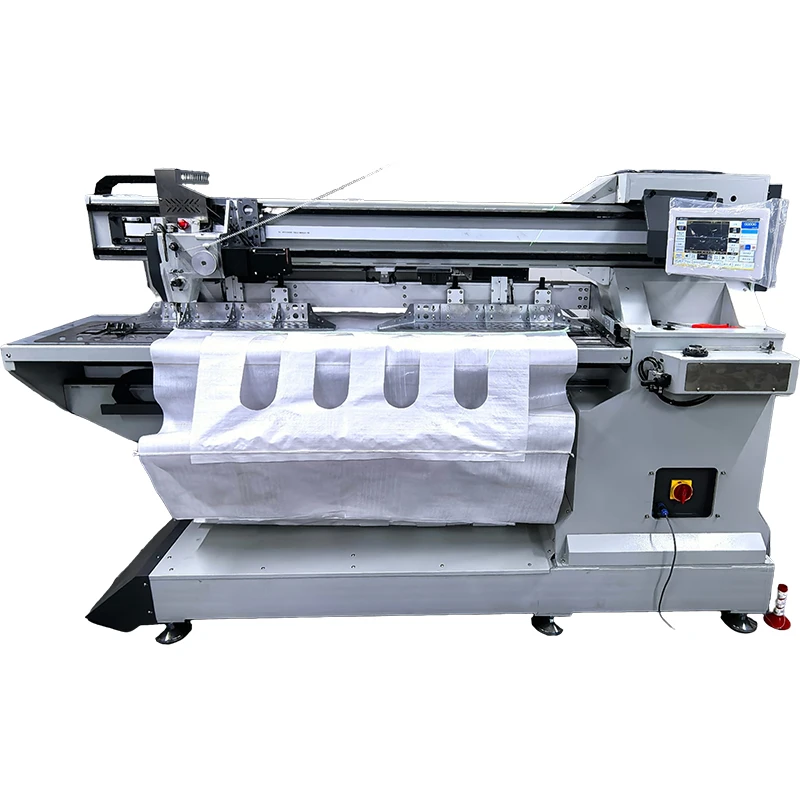
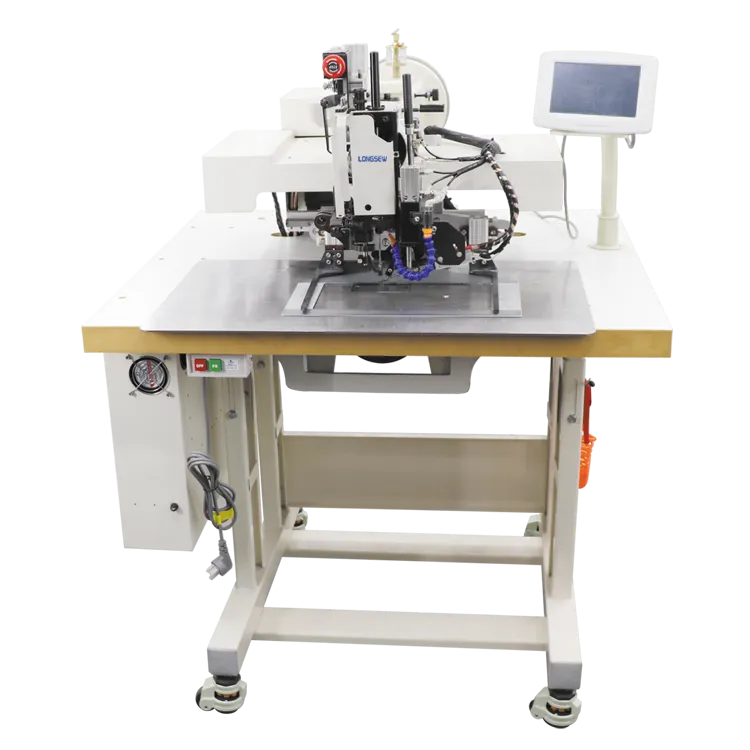
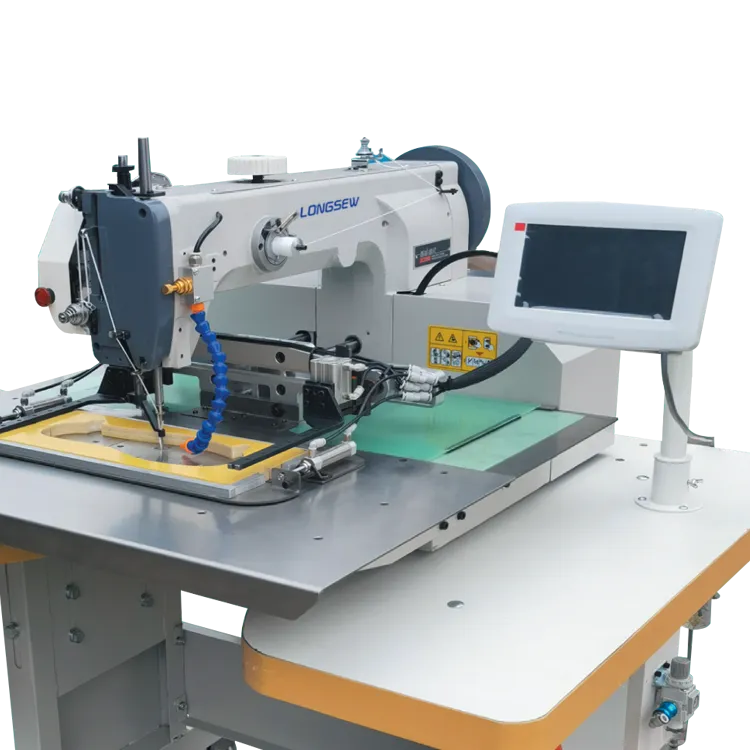
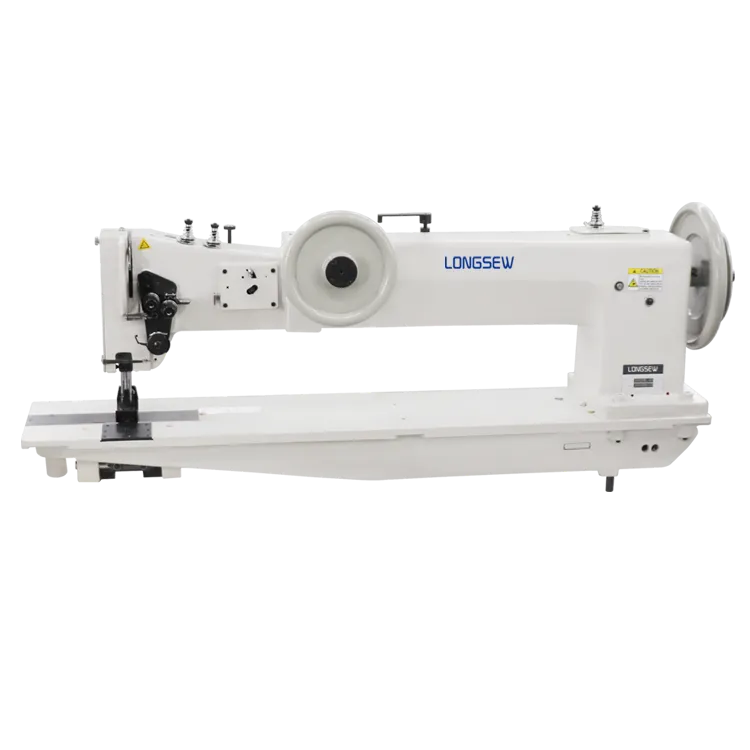
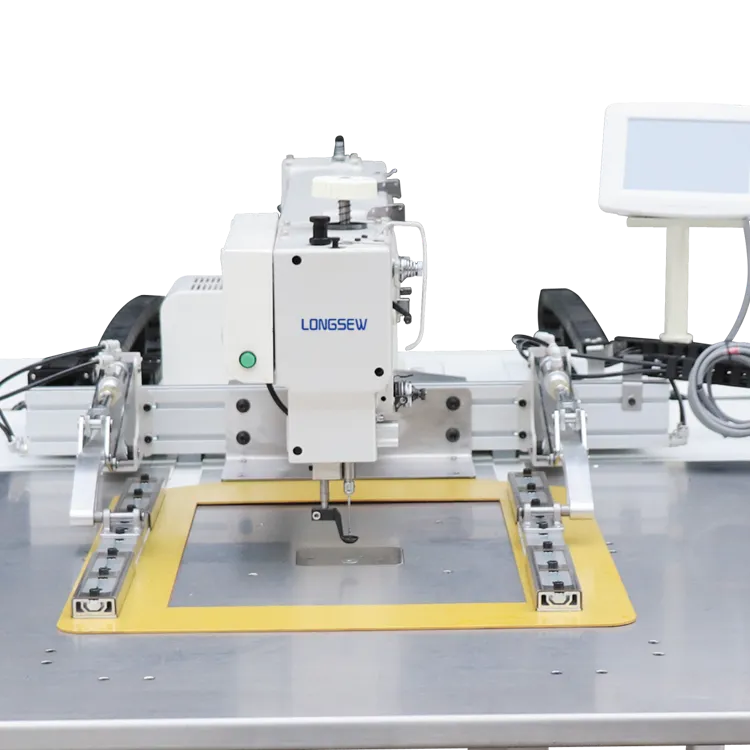
Advanced Industrial Solution for jumbo bag sewing machine in Zambia

Empowering Zambia's mining and agriculture sectors with heavy-duty stitching technology for high-capacity industrial packaging.

Industrial Packaging Landscape in Zambia

Analyzing the operational challenges of textile machinery in Central Africa

Zambia's economy relies heavily on copper mining and agriculture, creating a massive demand for heavy-duty packaging. The use of a fibc sewing machine is critical for transporting minerals and grains, yet local manufacturers often struggle with equipment durability due to high dust levels and extreme temperature fluctuations common in the Copperbelt province.

The current market sees a transition from manual labor to semi-automation. Many local workshops still rely on outdated machinery, but there is a growing shift toward the big bag sewing machine to improve seam strength and production speed, reducing the loss of materials during bulk transit to ports in neighboring countries.

Furthermore, the rise of small-scale farming cooperatives has increased the demand for a 50 kg jute bag making machine, as farmers seek more professional packaging to meet export quality standards for legumes and maize, moving away from traditional hand-stitched sacks.
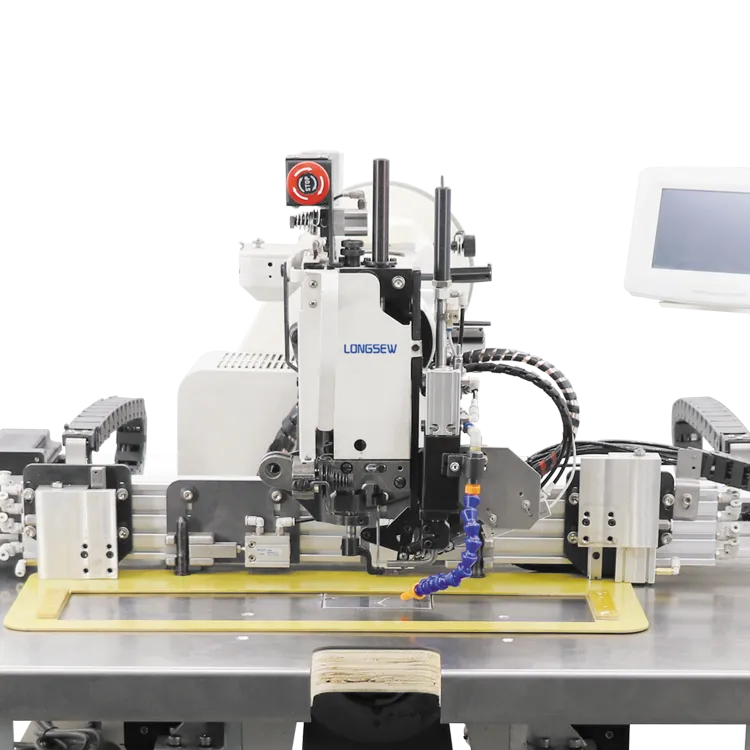
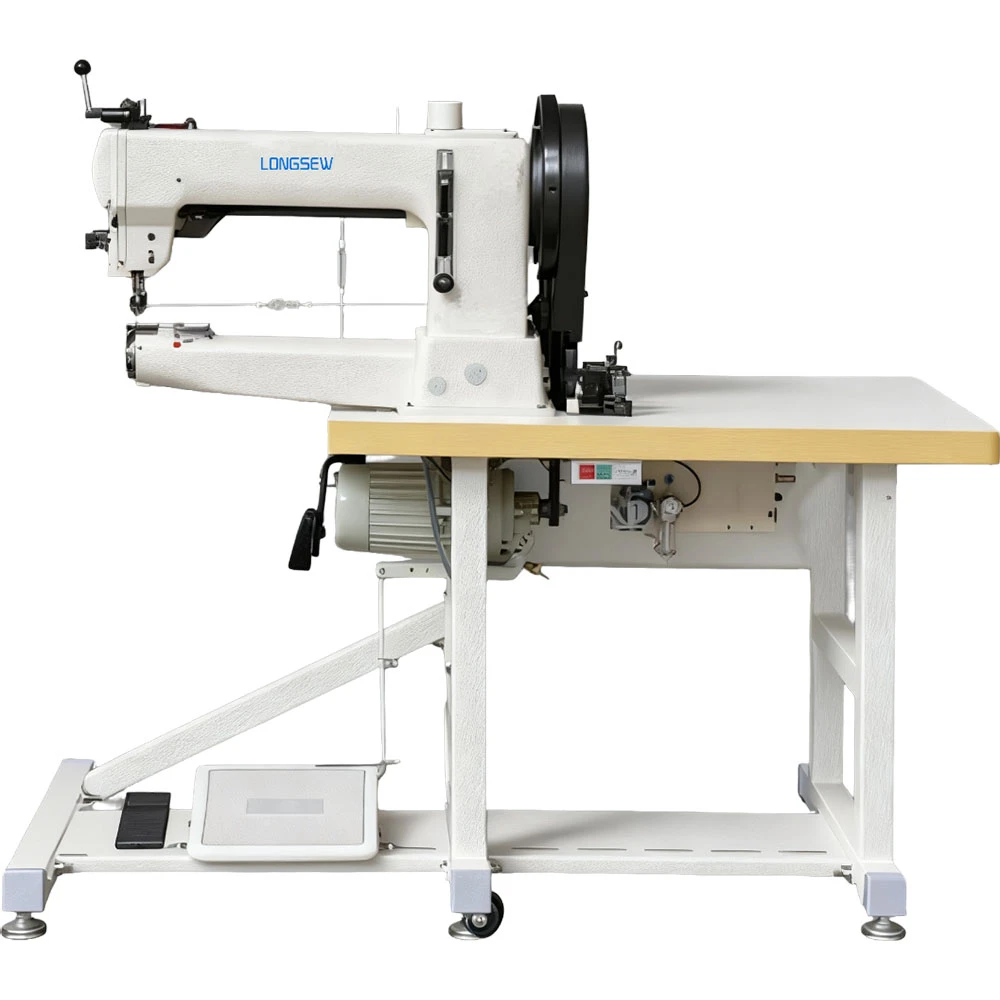
Evolution of Bagging Technology in Zambia

From traditional hand-stitching to automated industrial precision

Market Development History

In the late 1990s, the Zambian bagging industry was dominated by manual sewing techniques and basic portable machines. The focus was primarily on simple closures for small sacks, with limited capacity for high-tensile materials.

By 2010, the introduction of the jumbo bag stitching machine revolutionized the mining sector. This allowed for the creation of FIBCs (Flexible Intermediate Bulk Containers) that could hold 1,000kg of ore, significantly optimizing the logistics of the copper industry.

From 2018 to the present, the market has entered a "Precision Era." Modern factories are now integrating computerized tension controls and reinforced frames to handle heavy-duty polymers, ensuring that seams can withstand the rigors of long-distance transport across Africa.

Future Development Trends

Integration of IoT Monitoring

Predictive maintenance will become standard, allowing Zambian operators to monitor needle wear and motor heat in real-time to prevent costly downtime during peak harvest seasons.

Energy-Efficient Servo Drives

Due to fluctuating power stability in certain regions, the shift toward energy-saving servo motors will reduce electricity costs and allow machines to operate more stably under varying voltages.

Eco-Friendly Material Compatibility

As global regulations tighten, machines will be optimized to sew biodegradable and recycled polypropylene fabrics without compromising the burst strength of the bags.

Future Trends and Strategic Outlook

Projecting the next 5 years of textile machinery growth in Zambia

Automation Surge
Increased adoption of automatic cutting and sewing cells to replace manual labor in large-scale FIBC plants.
Material Diversification
Expanding capabilities to sew high-density polyethylene and specialized coated fabrics for chemical transport.
Smart Tensioning
Dynamic thread tension adjustments to prevent seam breakage in varying fabric thicknesses.
Local Support Ecosystems
Development of local technician networks for rapid response and part replacement in Zambia.

Industry Outlook

According to search trends and industrial growth data, the demand for high-capacity packaging in Zambia is expected to grow by 15% annually. This will drive a transition toward integrated production lines where the jumbo bag sewing machine is no longer a standalone tool but part of a synchronized system.

The focus will shift from mere "stitching" to "engineered containment," where the structural integrity of the bag is paramount to safety and efficiency in the mineral export chain.

Localized Application Scenarios in Zambia

Real-world implementations across diverse Zambian industries

01. Copper and Cobalt Mine Logistics

Utilizing a heavy-duty jumbo bag stitching machine to manufacture reinforced containers that transport raw concentrates from the Copperbelt to the port, ensuring zero leakage of valuable minerals.

02. Commercial Maize and Soya Bean Export

Implementing the 50 kg jute bag making machine in rural processing hubs to standardize grain packaging, making Zambian agricultural products more competitive in the SADC regional market.

03. Industrial Fertilizer Production

Deployment of the big bag sewing machine for the local production of bulk fertilizer bags, providing essential inputs to farmers while reducing the cost of importing pre-made bags from overseas.

04. Cement and Construction Material Bagging

Using high-speed fibc sewing machine technology to create durable liners and outer shells for cement bulk bags, supporting Zambia's rapid urban infrastructure development.

05. Specialized Waste Management Containers

Customizing the stitching process for the creation of oversized waste collection bags used in urban sanitation projects in Lusaka, focusing on high-tensile seams to prevent rupture.

Brand Story

Global Development Journey of Hebei Longsew Machinery Technology Co., Ltd.

Industrial Foundation

Established with a mission to solve the most difficult stitching challenges, Longsew began by focusing on high-tensile industrial sewing for the heavy textile sector.

Technological Breakthrough

We pioneered the reinforced frame design for the jumbo bag sewing machine, solving the common problem of frame warping under high pressure.

Global Expansion

Expanding into the African market, we adapted our machinery to withstand high-dust environments, becoming a trusted partner for Zambian mining firms.

Quality Standardization

Attaining international certifications, we ensured that every machine leaving our factory meets the rigorous safety standards required for bulk transport containers.

Sustainable Future

Today, we focus on energy-efficient motors and eco-compatible stitching solutions, helping our global clients reduce their carbon footprint.

Common Questions for Zambian Industrial Users

Expert answers regarding heavy-duty sewing machinery operation

How do I maintain a jumbo bag sewing machine in dusty mining environments?

Regular lubrication of the moving parts and daily cleaning of the bobbin area using compressed air are essential to prevent dust buildup from causing mechanical friction.

Can a 50 kg jute bag making machine handle reinforced synthetic fabrics?

Yes, provided the needle size and thread tension are adjusted. Our machines are designed with versatile feed dogs to handle various fabric thicknesses.

What is the difference between a fibc sewing machine and a standard industrial machine?

FIBC machines are built with high-torque motors and reinforced needles specifically designed to penetrate multiple layers of heavy polypropylene without breaking.

Is a big bag sewing machine suitable for small-scale workshops in Lusaka?

Absolutely. We offer semi-automatic models that provide industrial-grade strength but are compact enough for smaller workshop footprints.

How often should the needle be replaced on a jumbo bag stitching machine?

Depending on the material, we recommend checking for bluntness every 8 hours of continuous operation to ensure seam integrity and prevent fabric damage.

Do these machines support voltage stabilizers for inconsistent power grids?

Our modern electronics are compatible with standard external voltage stabilizers, which we highly recommend for users in remote regions of Zambia.

Request Your Industrial Solution

Contact our technical experts to customize your packaging production line in Zambia.

Contact Us Now

If you are interested in our products, you can choose to leave your information here, and we will be in touch with you shortly.