0%

Table of Contents

Look, I've been on construction sites for twenty years, breathing dust and arguing with engineers. Honestly, the biggest thing I'm seeing now is everyone chasing this "smart" stuff. Smart sensors, smart materials… It’s a bit much, you know? We're trying to build things that last, not just blink pretty lights. But that's the trend, isn’t it? Everything has to be connected. It's a headache, honestly.

And the designs! Have you noticed how many architects draw these beautiful, sweeping curves? Sounds great on paper, but trying to actually build that with steel? Forget about it. It's always more expensive, always takes longer, and usually ends up looking… well, less sweeping. It's a constant battle between form and function. I swear, some of these guys have never actually held a wrench.

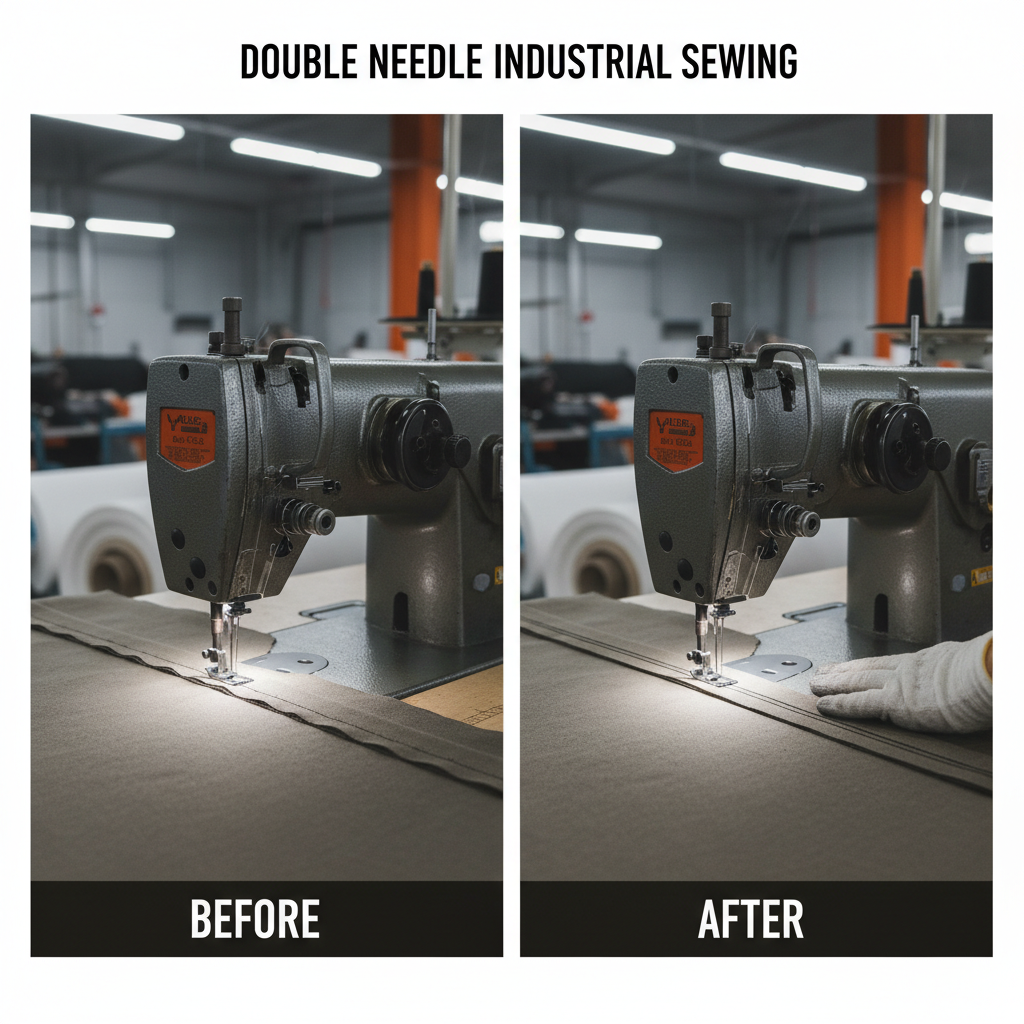
But we’re here talking about the chain stitch sewing machine, a good old, reliable workhorse. You wouldn't think it would be a hot topic, but it's essential for so many industries beyond just garment making. Canvas, upholstery, even industrial webbing - it's everywhere.
Exploring the Reliability of the Chain Stitch Sewing Machine and Its Applications

The Unsung Hero of Stitching: Chain Stitch Sewing Machine
Exploring the Reliability of the Chain Stitch Sewing Machine and Its Applications

To be honest, people don’t really think about the sewing machine itself, do they? They just see the finished product. But the chain stitch machine… it’s a beast. It’s simple, incredibly robust, and can handle some serious abuse. It's a totally different animal than those fancy computerized embroidery machines. Those things break down if you look at them wrong.

I once saw a chain stitch machine in a sailmaking shop that must have been fifty years old. Still going strong! The operator just oiled it regularly and replaced the parts when they wore out. You don't get that kind of longevity with most equipment these days.

Defining the Chain Stitch Sewing Machine and Its Modern Relevance

Okay, so what is a chain stitch sewing machine? Simply put, it creates a looped chain of stitches on the underside of the fabric. It's different from a lockstitch, which has interlocking stitches on both sides. This means a chain stitch can unravel more easily if the thread is broken, but it’s also significantly faster and uses less thread. That speed is key.

Now, you might think it’s old-fashioned, but it’s surprisingly relevant today. It’s used extensively in things like upholstery, where a strong, flexible seam is needed. It’s also common in industrial applications, like making safety belts and airbags. They need that reliable, high-volume stitching.

And don’t underestimate the fashion industry. That slightly puckered, raw edge look? Often achieved with a chain stitch. It's become a design element in itself. It's a good example of how something practical can also become aesthetically valuable.

Core Components and Key Characteristics

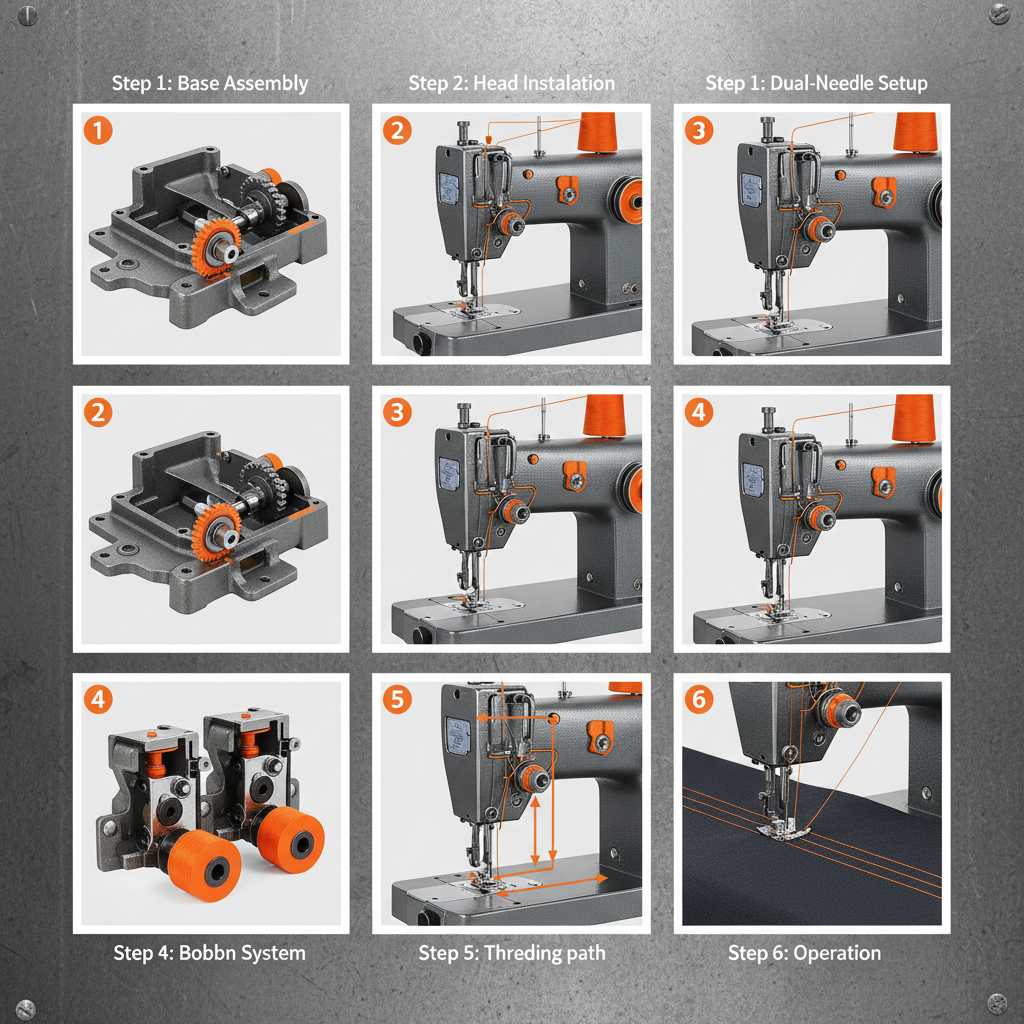
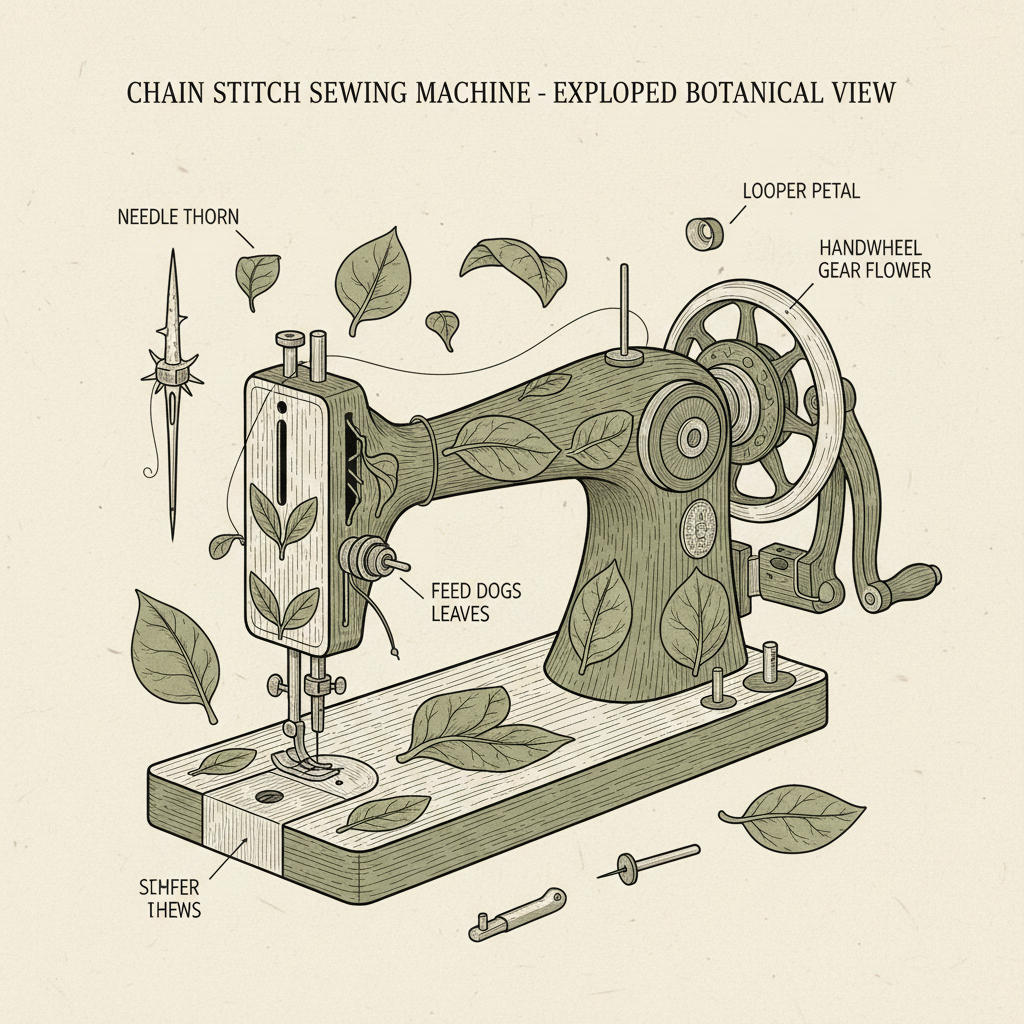
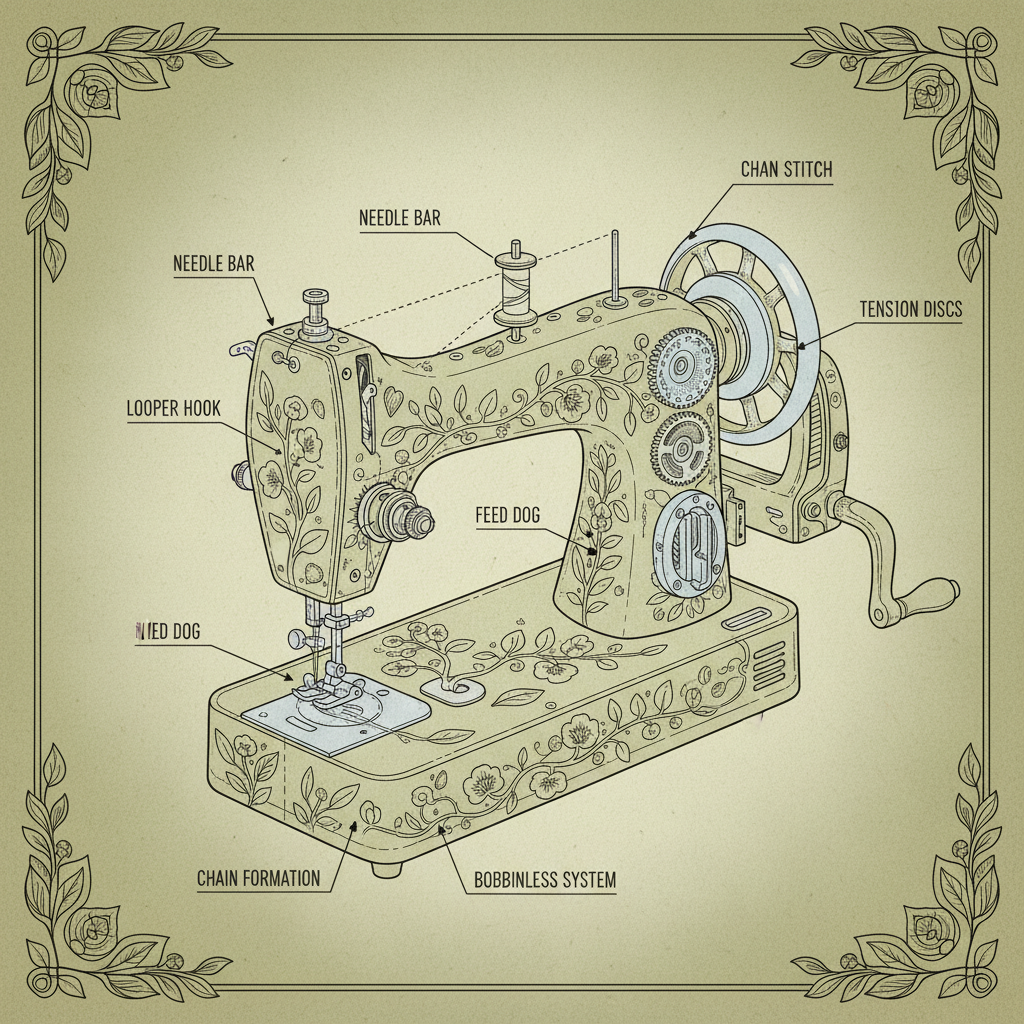
The main parts are pretty straightforward: the needle, the looper (which forms the chain), the feed dog (that moves the fabric), and the presser foot. It sounds simple, and it is. The magic is in how well those parts are engineered and the precision of their timing. A slightly off looper can ruin everything.

What I always look for when evaluating a machine is the quality of the metal. You can tell a lot just by the weight of it. Cheap machines use flimsy castings that wear out quickly. Good ones use hardened steel, and you can feel the difference. Strangely, some manufacturers are starting to use more plastic even in critical components. It saves money upfront, but it’s a disaster waiting to happen.

Another key characteristic is the stitch length adjustment. Being able to fine-tune the stitch length is crucial for different materials and applications. You need a machine that can handle everything from thin silk to heavy canvas. Later… Forget it, I won’t mention the time a guy tried to sew leather with a machine designed for quilting.

Performance Metrics & Durability Testing

Look, lab tests are fine, but they don’t tell the whole story. Real-world testing is what matters. I’ve seen machines that aced all the lab tests fall apart after a week on a busy production line. You need to simulate actual working conditions.

We typically test seam strength, stitch density, and the machine’s ability to handle continuous operation. But we also look at things like vibration, noise levels, and how easy it is to maintain. A noisy machine drives operators crazy, and a hard-to-maintain machine ends up sitting in the corner.

Chain Stitch Sewing Machine Performance Ratings


Global Applications & Industrial Use Cases

It's not just about making clothes, you know? I’ve seen chain stitch machines used in everything from automotive upholstery to manufacturing tents for disaster relief. They’re surprisingly adaptable. In remote industrial zones in Southeast Asia, these machines are the backbone of small workshops producing everything from backpacks to industrial tarps.

I encountered this at a factory in Vietnam last time, they were using them for making hammocks. Simple, effective, and they can churn them out all day long. It's the kind of rugged simplicity that works in challenging environments.

Advantages, Limitations and Long-Term Value

The biggest advantage is speed and cost. It’s a fast stitch, and it uses less thread, which adds up over time. It’s also relatively easy to learn to operate, which is a huge plus for factories with high turnover. But, the seam isn’t as strong as a lockstitch, and it can unravel if the thread breaks. You really need to keep an eye on the thread tension.

Long-term, a good chain stitch machine will pay for itself many times over. They’re built to last, and parts are relatively easy to find. It’s a solid investment for any operation that needs high-volume stitching. But don’t skimp on maintenance – regular oiling is key.

Materials, Customization, and Future Trends

The materials are pretty standard: steel for the frame, hardened steel for the needle and looper. Some of the newer machines are using aluminum alloys to reduce weight, but I'm skeptical about their durability. I like a machine with a bit of heft to it – feels more solid. And the smell of machine oil... that's the smell of a job well done.

Customization is usually limited to things like throat depth (the distance between the needle and the machine body) and the type of feed dog. Last month, that small boss in Shenzhen who makes smart home devices insisted on changing the interface to , and the result was a complete disaster. It just added unnecessary complexity and made the machine less reliable.

Chain Stitch Sewing Machine: Key Specifications & Material Analysis

Component Material Durability Rating (1-10) Maintenance Frequency
Needle Hardened Steel 9 Weekly
Looper High-Carbon Steel 8 Bi-Weekly
Frame Cast Iron 10 Monthly
Feed Dog Steel Alloy 7 Monthly
Motor Copper-Wound 8 Semi-Annually
Drive Belt Reinforced Rubber 6 As Needed

FAQS

What's the biggest difference between a chain stitch and a lockstitch?

The main difference is the stitch formation. A lockstitch has interlocking stitches on both sides of the fabric, making it more secure and less prone to unraveling. A chain stitch, on the other hand, forms a looped chain on the underside, which is faster to create but can unravel if the thread breaks. This makes chain stitch ideal for applications where speed is crucial and the seam isn't subject to extreme stress.

How often should I oil my chain stitch sewing machine?

Regular oiling is crucial for keeping a chain stitch machine running smoothly. I recommend oiling it before each shift, or at least daily for high-volume production. Pay particular attention to the needle bar, looper, and feed dog. Use a good quality sewing machine oil – don’t use WD-40! It will gum up the works over time.

Can a chain stitch machine sew through heavy materials like leather?

While some chain stitch machines can handle heavier materials, it depends on the machine's power and the thickness of the leather. You’ll need a machine with a strong motor and a heavy-duty needle. Using the wrong needle or thread can damage the machine and create poor-quality stitches. Generally, a lockstitch machine is more suitable for thick materials.

What causes skipped stitches on a chain stitch machine?

Skipped stitches are often caused by incorrect timing between the needle and the looper. It could also be due to a bent needle, a dull needle, or incorrect thread tension. Check the needle first, then adjust the timing according to the machine's manual. It’s also worth checking that the looper is properly aligned.

Is it worth investing in a computerized chain stitch machine?

That depends. Computerized machines offer features like programmable stitch patterns and automatic thread trimming, which can increase efficiency. However, they’re also more expensive and complex to repair. For basic chain stitching, a good mechanical machine will often do the job just as well, and be a lot easier to maintain.

What types of thread work best with a chain stitch machine?

Polyester thread is a good all-around choice for chain stitch sewing. It’s strong, durable, and resistant to abrasion. Cotton thread can also be used for some applications, but it’s not as strong or durable. The thread weight (thickness) should be appropriate for the fabric being sewn and the machine’s capabilities.

Conclusion

So, there you have it. The chain stitch sewing machine – a simple, robust, and surprisingly versatile tool. It may not be the flashiest piece of equipment, but it’s a workhorse that keeps a lot of industries running. It’s a testament to the idea that sometimes, the best solutions are the simplest ones.

Ultimately, whether this thing works or not, the worker will know the moment he tightens the screw. Don’t overthink it. Get a good machine, learn how to maintain it, and let it do its job. And if you're looking for a reliable chain stitch sewing machine, check out our selection at www.longsew.com.

Kevin Wilson

Kevin Wilson

Kevin Wilson is LongSew’s Product Specialist, focusing on the pattern sewing machine and new automated sewing systems. With a background in textile engineering, Kevin's role is to highlight LongSew's expanding product line and its application to new and emerging markets. He’s deeply involved in product development feedback and testing, ensuring

Previous Reliable Chain Stitch Sewing Machine for Sale Industrial Grade Options
Next Advanced Jumbo Bag Stitching Machine Technology for Efficient Packaging Solutions