

0%
You know, I’ve been running around construction sites all year, breathing in dust, and frankly, the whole industry’s buzzing about automation these days. Everyone wants to cut costs, speed things up, and, honestly, find workers – good ones are getting harder and harder to come by. That’s where the advancements in jumbo bag stitching machine really come into play. It's not just about faster stitching; it’s about consistency, reducing waste, and making the whole process less reliant on manpower.
Have you noticed how many companies are shifting to FIBCs – Flexible Intermediate Bulk Containers – for everything? Chemicals, grains, even construction materials. Makes sense, right? Cheaper than pallets, easier to handle with forklifts… but they need to be properly sealed. A bad stitch, and you’re looking at product loss, potential safety hazards, and a whole lot of headaches. It's a surprisingly big deal.
And that’s why understanding the subtleties of these machines isn’t just for the engineers; it's for everyone involved.
Table of Contents [Hide]
The Evolution of Jumbo Bag Stitching Technology
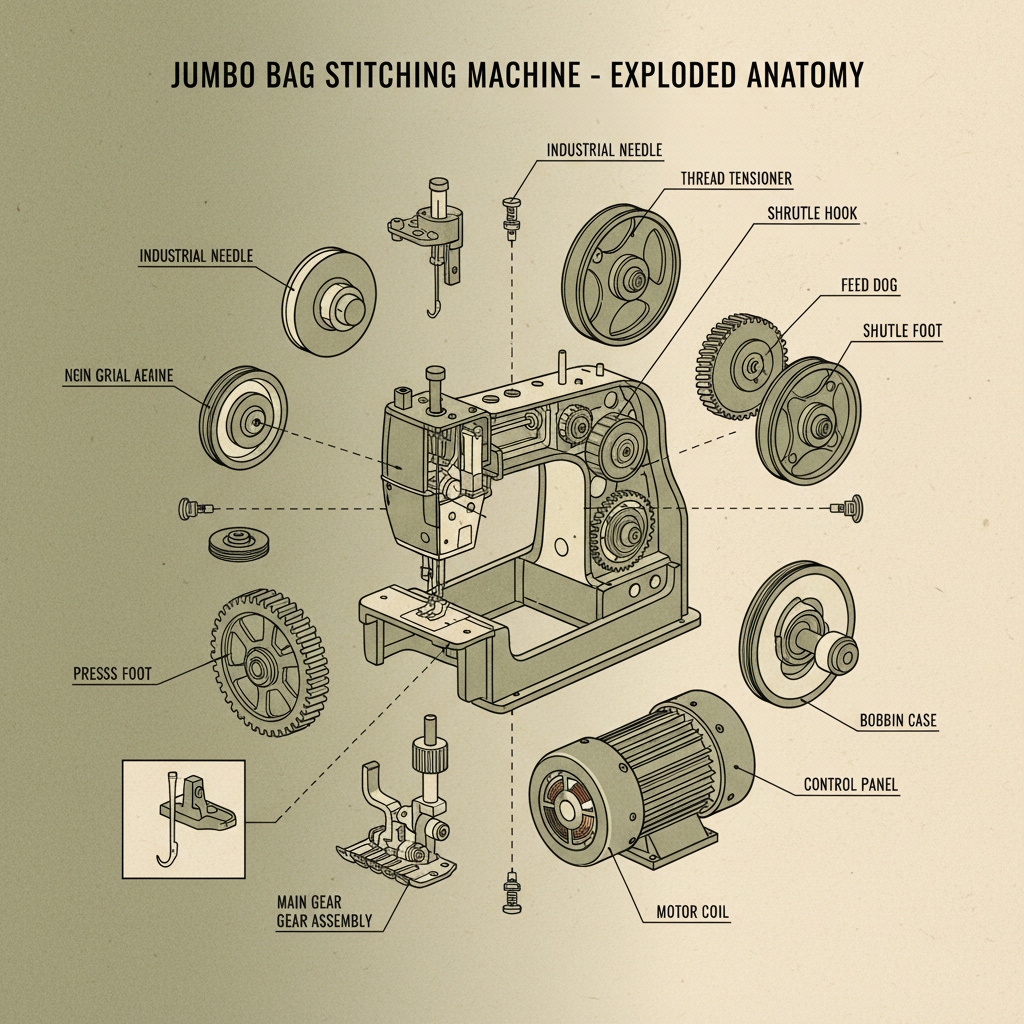
To be honest, these machines used to be… rough. All mechanical, lots of adjustments, and a whole lot of cursing when a thread broke. Now, you’ve got computerized models with automatic thread trimming, adjustable stitch length and depth, and even sensors that detect bag presence. It's a big leap. I remember back in ‘08, a factory in Yiwu… well, let’s just say I spent a week fixing a machine that was older than I was.
The biggest change? Precision. Early machines were, let's just say, optimistic with their stitching. You'd get a lot of variation, which meant a higher risk of failure in transit. Now, you're talking about incredibly consistent stitches, improving bag integrity and reducing product loss.
FAQS
What is the typical lifespan of a jumbo bag stitching machine?
That depends heavily on usage and maintenance, but a well-maintained machine can easily last 5-10 years. I've seen some that are older than me still going strong, but those are rare. Regular lubrication, cleaning, and timely replacement of worn parts are critical. Don’t skimp on the maintenance; it’ll cost you more in the long run.
What type of thread is best for stitching FIBCs?
Polyester thread is generally the go-to choice for its strength, UV resistance, and cost-effectiveness. However, the specific denier and ply of the thread will depend on the weight and type of material being stitched. Heavier loads require thicker thread. You need to get the right one. It's not a one-size-fits-all situation.
How often should the needles be replaced?
This is a big one. I recommend replacing needles after every 8-12 hours of continuous use, or sooner if you're stitching through particularly abrasive materials. Dull needles can damage the bag material and lead to weaker seams. It’s a small cost for a significant improvement in reliability.
What are the common troubleshooting issues with these machines?
Broken thread is the most frequent complaint, usually caused by incorrect tension settings, dull needles, or improper threading. Another common issue is stitch skipping, which can be caused by a bent needle or a worn looper. And, of course, there’s always the dreaded motor failure. Regular maintenance will prevent most of these issues.
Can these machines be used for other types of bag stitching?
Absolutely. While primarily designed for FIBCs, they can also be adapted to stitch smaller bags, like sandbags or feed sacks. You may need to adjust the stitch length and tension settings, and potentially switch to a different needle type. It's all about finding the right configuration.
What safety precautions should be taken when operating a jumbo bag stitching machine?
Safety glasses are a must to protect your eyes from flying debris. Keep your hands clear of the moving parts, and never attempt to repair the machine while it’s running. Always disconnect the power supply before performing any maintenance. Common sense goes a long way, honestly.
Conclusion
So, what does it all boil down to? These jumbo bag stitching machine are a critical component of the modern supply chain, enabling the efficient and safe transport of goods across the globe. They've come a long way from those clunky mechanical beasts of the past, with advancements in automation and precision offering significant benefits in terms of cost savings and reliability. But it’s not just about the machine itself; it’s about the people operating and maintaining it, and the quality of the materials used.
Ultimately, whether this thing works or not, the worker will know the moment he tightens the screw. And that's the truth of it. We can talk about specs and features all day long, but in the end, it's the real-world performance that matters. If you're looking to invest in one of these, do your research, choose a reputable supplier, and don't skimp on the maintenance. You’ll thank yourself later.
Related Posts
-
Unlock Professional Stitching How to Use a Twin Needle for Superior Results
-
The Essential Guide to Double Needle Upholstery Sewing Machine Performance and Applications
-
Advancements in Double Needles Sewing Machine Technology and Applications
-
The Crucial Role of Sewing Chain Technology in Global Resilience and Development
Updated:

Kevin Wilson
Kevin Wilson is LongSew’s Product Specialist, focusing on the pattern sewing machine and new automated sewing systems. With a background in textile engineering, Kevin's role is to highlight LongSew's expanding product line and its application to new and emerging markets. He’s deeply involved in product development feedback and testing, ensuring