

0%
The intricate world of sewing chain technology often remains unseen, yet it underpins a vast array of industries and humanitarian efforts globally. From the rapid deployment of shelters in disaster zones to the efficient manufacturing of textiles, a robust and reliable sewing chain is paramount. Understanding its nuances – from material science and engineering to logistical deployment – is increasingly crucial as global challenges demand swift and scalable solutions. This technology isn't merely about stitching fabric; it’s about building resilience, enabling sustainability, and fostering economic development.
The global relevance of sewing chain is undeniable. The textile industry, a multi-trillion dollar market, relies heavily on efficient and durable sewing processes. Beyond manufacturing, the emergency shelter sector is increasingly adopting innovative sewing chain solutions for creating rapid-response housing, benefiting millions affected by natural disasters and displacement. As the United Nations strives for Sustainable Development Goal 11 (Sustainable Cities and Communities) and Goal 1 (No Poverty), advancements in sewing chain technology offer practical pathways toward achieving these targets.
Furthermore, the development of specialized sewing chain materials and techniques is critical in specialized sectors like medical textiles, protective gear, and high-performance fabrics used in aerospace and automotive industries. The continuous evolution of this technology directly impacts global supply chains, economic stability, and the wellbeing of communities worldwide.
Table of Contents [Hide]
The Importance of Sewing Chain in Global Applications
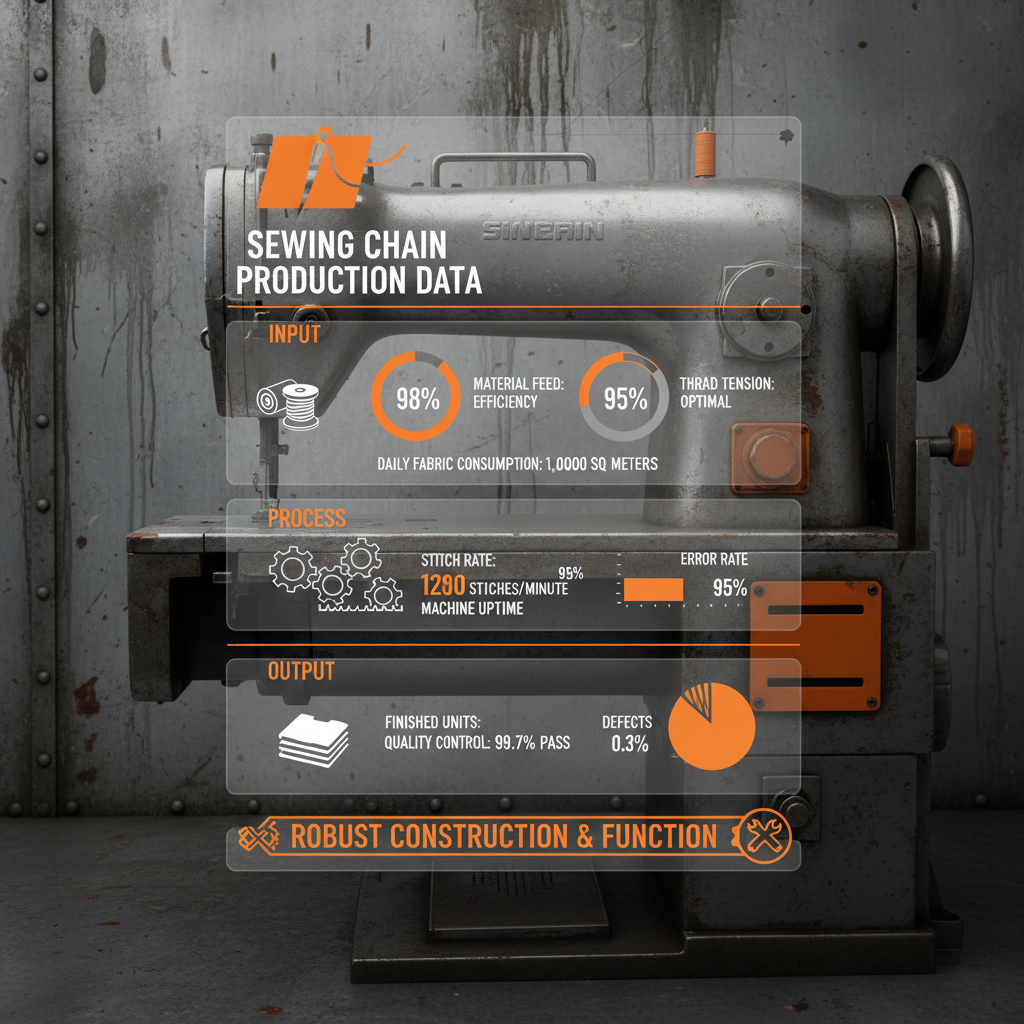
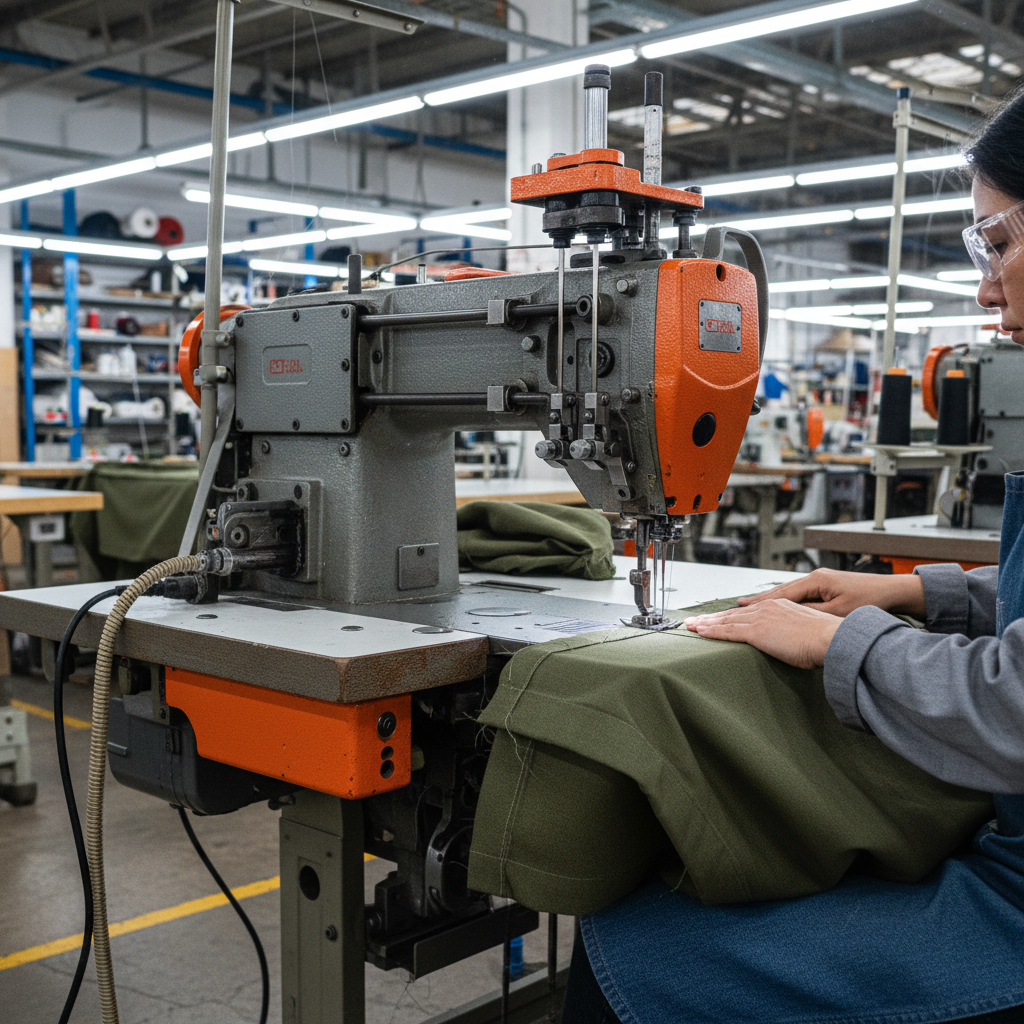
The significance of a dependable sewing chain extends far beyond the fashion industry. It’s a fundamental component in creating shelters for displaced populations, offering a quick and cost-effective response to humanitarian crises. The ability to rapidly produce durable housing units using readily available materials and relatively simple techniques relies on the strength and efficiency of the sewing chain.
Furthermore, the construction of large-scale tents for refugee camps, disaster relief operations, and even temporary medical facilities is heavily dependent on a reliable sewing chain. The longevity and weather resistance of these structures directly correlate with the quality of the stitching and the materials used within the chain.
FAQS
What are the key differences between traditional sewing chain methods and modern automated systems?
Traditional sewing chain methods typically rely on manual labor, requiring skilled operators and being susceptible to human error. Modern automated systems utilize robotic technology and computer-controlled machinery, offering increased speed, precision, and consistency. While automated systems require a higher initial investment, they can significantly reduce long-term labor costs and improve product quality. The integration of data analytics in modern systems further optimizes processes and minimizes waste, offering a substantial advantage over traditional methods in large-scale production.
How can I assess the quality and durability of a sewing chain solution for disaster relief?
Assessing the quality and durability of a sewing chain solution for disaster relief requires evaluating several factors. Consider the materials used – they should be water-resistant, UV-resistant, and capable of withstanding extreme weather conditions. Examine the stitching techniques; reinforced seams and appropriate stitch density are crucial. Look for independent certifications or testing results that demonstrate compliance with relevant safety standards. Finally, consider the ease of deployment and repair – a solution that’s quick to set up and simple to maintain will be more effective in a crisis.
Is a sewing chain approach more cost-effective than using prefabricated shelters in emergency situations?
In many emergency situations, a sewing chain approach can be significantly more cost-effective than relying solely on prefabricated shelters. Prefabricated shelters often involve high transportation costs and logistical challenges, particularly in remote or inaccessible areas. Sewing chain solutions, utilizing locally sourced materials and relatively simple techniques, can be produced on-site, reducing transportation expenses and empowering local communities. While the initial investment in equipment and training may be required, the long-term cost savings can be substantial.
What are the environmental considerations when choosing materials for a sewing chain?
Environmental considerations are paramount when selecting materials for a sewing chain. Prioritize materials that are sustainably sourced, such as recycled fabrics or biodegradable fibers. Avoid materials that contain harmful chemicals or contribute to pollution. Consider the lifecycle impact of the materials, including their production, transportation, use, and disposal. Opting for durable materials that extend the lifespan of the product reduces the need for frequent replacements and minimizes waste. Finally, explore innovative materials like bio-based polymers that offer a lower environmental footprint.
How can I ensure proper training for operators in a sewing chain system?
Ensuring proper training for operators is essential for maintaining quality and efficiency in a sewing chain system. Implement a comprehensive training program that covers basic sewing techniques, equipment operation, quality control procedures, and safety protocols. Provide hands-on practice and mentorship opportunities to reinforce learning. Regularly assess operator skills and provide refresher courses as needed. Consider incorporating digital training tools and virtual reality simulations to enhance the learning experience. Document all training activities for accountability and compliance.
What are the latest trends in automating sewing chain processes?
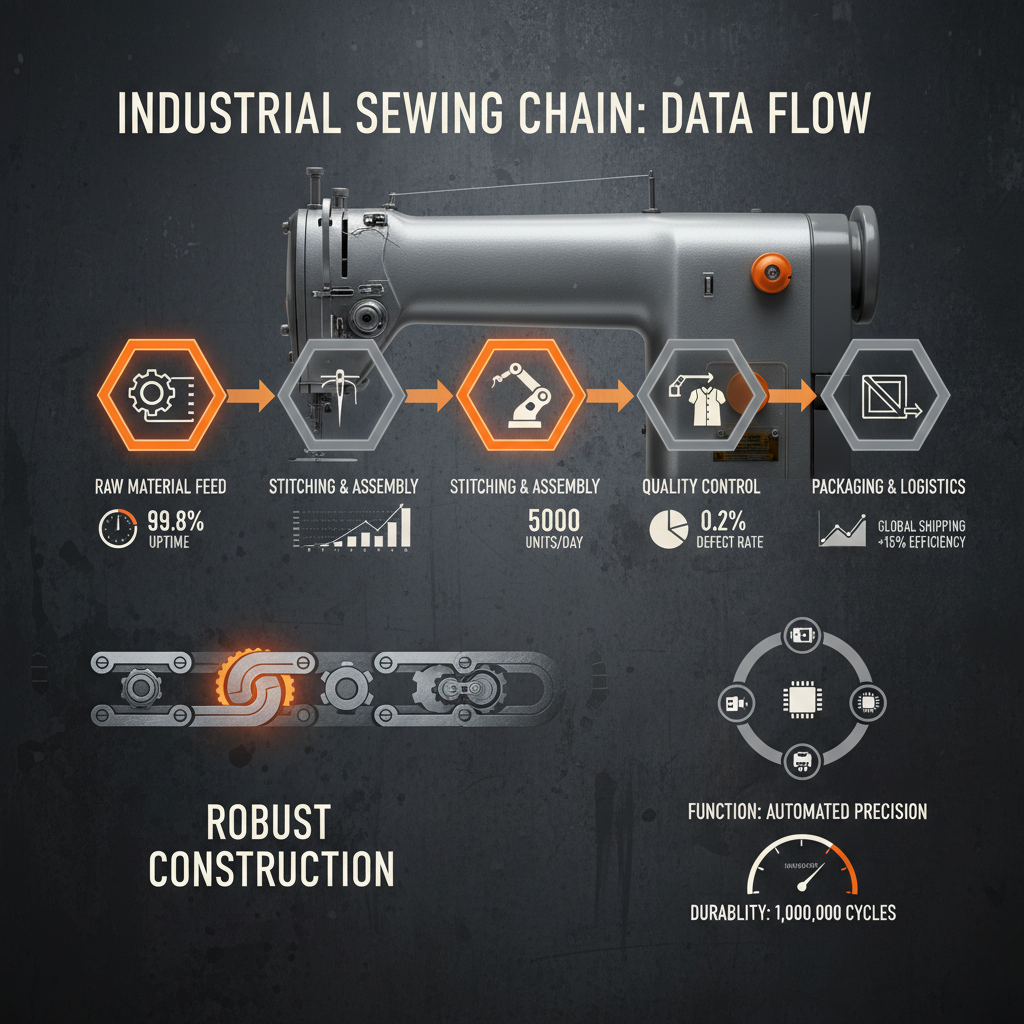
The latest trends in automating sewing chain processes involve the integration of robotics, computer vision, and artificial intelligence. Robotic sewing systems are becoming increasingly sophisticated, capable of performing complex stitching operations with high precision and speed. Computer vision technology is used for quality control, automatically detecting defects and ensuring consistency. AI algorithms optimize production schedules, predict maintenance needs, and personalize designs. These advancements are transforming the sewing chain, making it more efficient, sustainable, and adaptable to changing market demands.
Conclusion
In conclusion, the sewing chain is a critical component of countless industries and humanitarian efforts, offering scalable, cost-effective, and sustainable solutions to a wide range of challenges. From providing rapid shelter in disaster zones to enabling efficient manufacturing processes, the impact of a well-managed sewing chain is far-reaching and undeniable. By understanding its core components, embracing innovation, and addressing existing challenges, we can unlock the full potential of this often-overlooked technology.
Looking ahead, continued investment in research and development, coupled with a commitment to sustainability and ethical practices, will be essential for maximizing the benefits of the sewing chain. Furthermore, fostering collaboration between industry, academia, and humanitarian organizations will accelerate the adoption of innovative solutions and ensure that this vital technology continues to serve the needs of communities around the world. Visit our website at longsew.com to learn more.

Updated:

Robert Miller
Robert Miller is the North American Sales Manager at Hebei LongSew Machinery Technology Co. Ltd. With over 15 years of experience in the industrial sewing machine market, Robert focuses on building strong relationships with clients across the US, Canada and Mexico. He’s a key driver in promoting LongSew's heavy-duty machines