

0%
The global demand for efficient and reliable manufacturing solutions drives the importance of understanding the intricacies of the sewing machine chain. This isn’t merely about the mechanics of stitching; it’s a fundamental component across diverse industries, from apparel production and upholstery to automotive manufacturing and even specialized medical textiles. A robust sewing machine chain ensures consistent quality, minimizes downtime, and ultimately contributes to the efficient flow of goods and services worldwide.
The sewing machine chain represents a complex network encompassing machine manufacturers, component suppliers, maintenance technicians, and end-users. Its significance extends beyond economic impact, playing a role in job creation, skill development, and the availability of essential products. Understanding the dynamics of this chain is crucial for optimizing production processes, addressing supply chain vulnerabilities, and fostering innovation within the textile and manufacturing sectors.
Investing in knowledge of the sewing machine chain empowers businesses to make informed decisions regarding machine selection, maintenance schedules, and operator training. It also facilitates the development of sustainable practices, minimizing waste and maximizing resource utilization. Effectively managing this chain is vital for maintaining competitiveness in a globalized market and meeting the evolving demands of consumers.
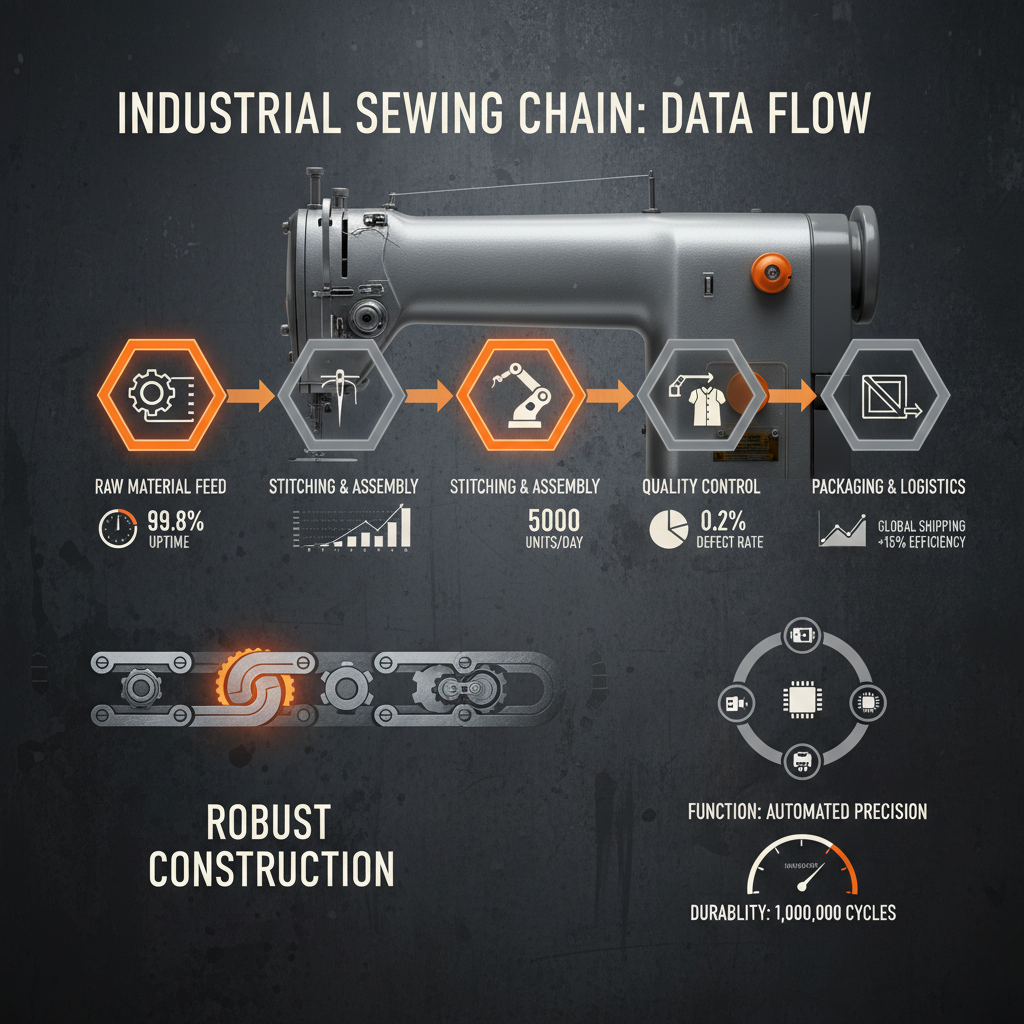
Table of Contents [Hide]
The Core Components of a sewing machine chain
At the heart of any successful manufacturing process lies a robust sewing machine chain. This encompasses not just the machines themselves, but also the continuous supply of needles, thread, and other critical components. A disruption in any of these elements can cause significant delays and impact overall productivity. The quality of each component directly affects the final product and the longevity of the sewing process.
Effective chain management also includes regular maintenance and repair services. Skilled technicians are essential for diagnosing and resolving issues quickly, preventing minor problems from escalating into costly breakdowns. Furthermore, ongoing operator training is vital to ensure proper machine operation and adherence to safety protocols. Investing in these areas ultimately strengthens the entire sewing machine chain.
FAQS
What are the biggest challenges in maintaining a consistent sewing machine chain supply?
Maintaining a consistent sewing machine chain supply is often hampered by geopolitical instability, fluctuating raw material prices, and logistical bottlenecks. Many crucial components are sourced from a limited number of suppliers, making the chain vulnerable to disruptions. Effective mitigation strategies include diversifying supply sources, building strategic partnerships, and implementing robust inventory management systems to buffer against unforeseen events.
How can factories optimize their sewing machine maintenance schedules?
Optimizing maintenance schedules requires a data-driven approach. Track machine performance metrics, such as operating hours, stitch quality, and repair frequency. Implement a preventative maintenance program based on manufacturer recommendations, but adapt it based on actual usage patterns. Utilize digital monitoring systems to detect potential issues early and schedule proactive repairs.
What role does operator training play in a successful sewing machine chain?
Operator training is fundamental to a successful sewing machine chain. Well-trained operators are more efficient, produce higher-quality work, and are less likely to damage machines. Training should cover proper machine operation, maintenance procedures, safety protocols, and troubleshooting techniques. Regular refresher courses ensure skills remain current.
Are there eco-friendly alternatives to traditional sewing machine components?
Yes, the industry is seeing a growing number of eco-friendly alternatives. Sustainable thread made from recycled materials is increasingly available. Manufacturers are also exploring biodegradable or recyclable machine components. Adopting energy-efficient sewing machines and implementing responsible waste management practices further minimize environmental impact.
How can smaller businesses afford to invest in advanced sewing machine technology?
Smaller businesses can explore financing options like leasing or equipment loans to acquire advanced sewing machine technology. Government grants and incentives may also be available. Focus on investing in technology that addresses specific pain points and delivers a clear return on investment, such as improved productivity or reduced waste. Consider refurbished or pre-owned equipment as a cost-effective alternative.
What is the impact of automation on the future of sewing machine chain jobs?
While automation may displace some routine sewing machine operator roles, it also creates new opportunities in areas such as machine maintenance, programming, and data analysis. Investing in workforce retraining programs is crucial to equip workers with the skills needed to adapt to the changing job market. Automation is more likely to augment human capabilities rather than completely replace them.
Conclusion
Throughout this exploration, we’ve seen how the sewing machine chain is far more than just a series of machines; it’s a complex and interconnected network critical to global manufacturing, economic development, and even humanitarian efforts. Understanding its core components, key factors influencing performance, and emerging trends is essential for businesses to thrive in a competitive landscape.
Looking ahead, embracing innovation, prioritizing sustainability, and investing in workforce development will be vital for ensuring the long-term resilience and effectiveness of the sewing machine chain. For more information on optimizing your sewing machine chain and accessing the latest technology, visit our website: www.longsew.com
Updated:

Robert Miller
Robert Miller is the North American Sales Manager at Hebei LongSew Machinery Technology Co. Ltd. With over 15 years of experience in the industrial sewing machine market, Robert focuses on building strong relationships with clients across the US, Canada and Mexico. He’s a key driver in promoting LongSew's heavy-duty machines