0%

Table of Contents

The thread chain stitch, a versatile and historically significant sewing technique, is experiencing a modern resurgence. Initially developed for durability and efficiency in textile production, this stitch is now finding applications far beyond traditional garment construction. Its robust nature and relative ease of execution make it particularly relevant in contexts demanding reliable and cost-effective joining solutions, from industrial fabrics to emergency shelter materials. Understanding the nuances of thread chain stitch unlocks access to a wide range of innovative possibilities.

Globally, the demand for resilient and adaptable material solutions is growing, driven by factors like climate change, rapid urbanization, and humanitarian crises. The thread chain stitch addresses this demand by offering a strong, flexible, and scalable joining method. According to the United Nations, the number of people displaced by disasters is increasing annually, highlighting the need for rapid deployment infrastructure. This stitch’s applicability in creating robust, quickly assembled structures positions it as a crucial element in addressing these challenges.

At its core, the thread chain stitch is a loop stitch formed by passing the needle through a previously formed loop of thread. This interlocking pattern creates a seam that is both strong and somewhat elastic, lending itself to applications where flexibility and resistance to tearing are paramount. Its simplicity belies its strength, making it an ideal candidate for diverse industrial and humanitarian applications, offering a valuable alternative to more complex and costly seam construction methods.
The Resurgence of Thread Chain Stitch in Modern Industrial Applications

Introduction to thread chain stitch

The Resurgence of Thread Chain Stitch in Modern Industrial Applications

The thread chain stitch is witnessing a revival, spurred by its adaptability and efficiency in a variety of industries. From creating robust seams in industrial textiles to providing a quick-assembly solution for emergency shelters, its strength-to-cost ratio makes it incredibly appealing. This stitch isn't simply a relic of the past; it's a dynamic technique being integrated into innovative solutions for modern challenges.

The resurgence is also linked to a growing awareness of sustainable manufacturing practices. The thread chain stitch often requires less material and energy than alternative joining methods, contributing to a smaller environmental footprint. Furthermore, the stitch’s simplicity allows for repair and modification in the field, extending the lifespan of products and minimizing waste.

Defining the Thread Chain Stitch

In its most basic form, the thread chain stitch is a looping stitch created by passing the needle through the previous loop of thread before advancing. This creates an interconnected chain, providing substantial seam strength. It’s categorized as a loop stitch because the thread forms a series of interlocking loops along the fabric surface. While traditionally executed by hand, modern industrial machines can produce thread chain stitches at high speed and with consistent quality.

Historically, the thread chain stitch was crucial in early textile manufacturing, providing a faster and more efficient alternative to hand-sewing. Today, its influence extends beyond apparel. It’s a foundational stitch in the creation of industrial filters, conveyor belts, and even some types of netting. Its flexibility allows it to adapt to diverse materials and applications.

The connection to modern needs arises from the growing demand for resilient, cost-effective, and rapidly deployable solutions. In situations where time and resources are limited – such as disaster relief or infrastructure development in remote areas – the thread chain stitch offers a practical and reliable means of joining materials.

Core Characteristics of thread chain stitch

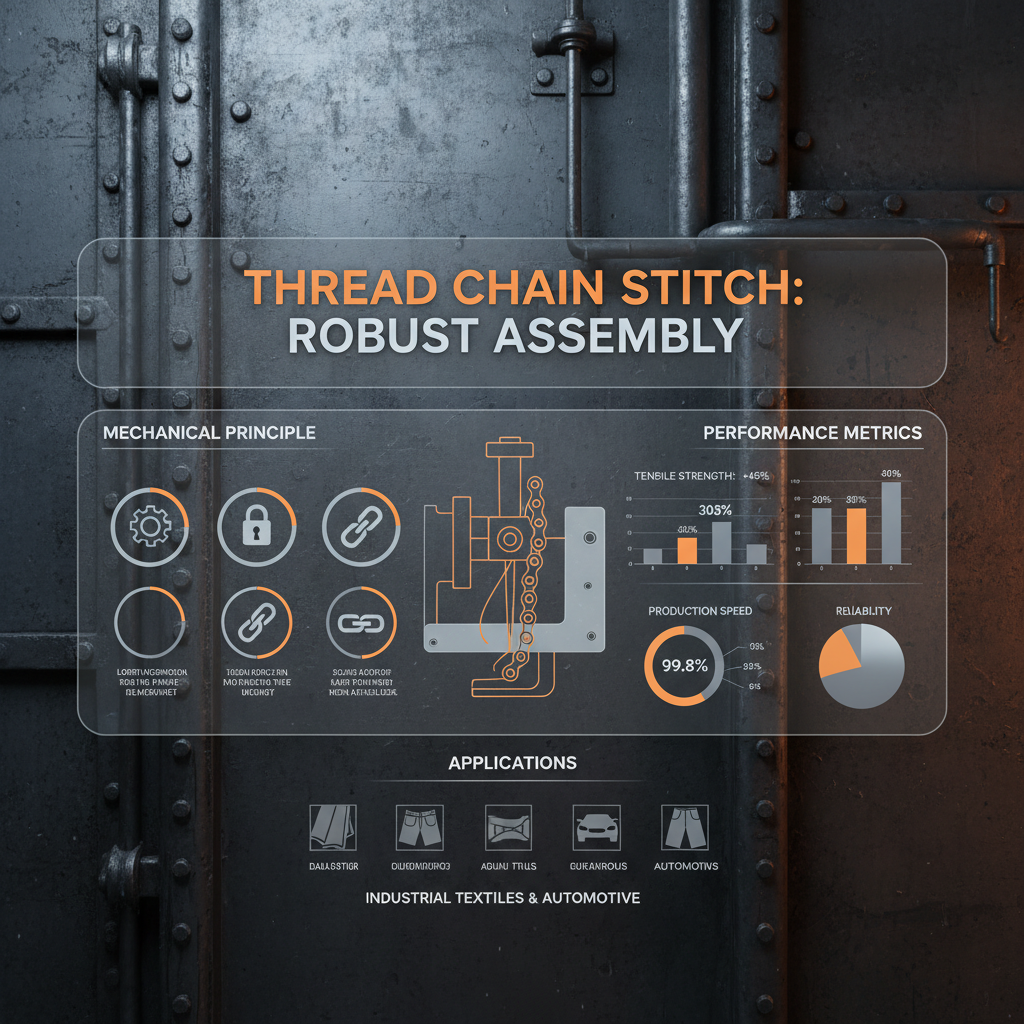
The fundamental characteristic of the thread chain stitch is its inherent strength. The interlocking loop structure distributes stress evenly along the seam, making it resistant to tearing and unraveling. This is especially critical in applications where the material will be subjected to significant strain or abrasion.

Another crucial aspect is its adaptability to different fabric weights and types. The stitch can be adjusted to accommodate a wide range of materials, from lightweight synthetics to heavy-duty canvas. This versatility broadens its applicability across numerous industries and projects. The stitch length and tension can be modified to optimize performance for each specific material.

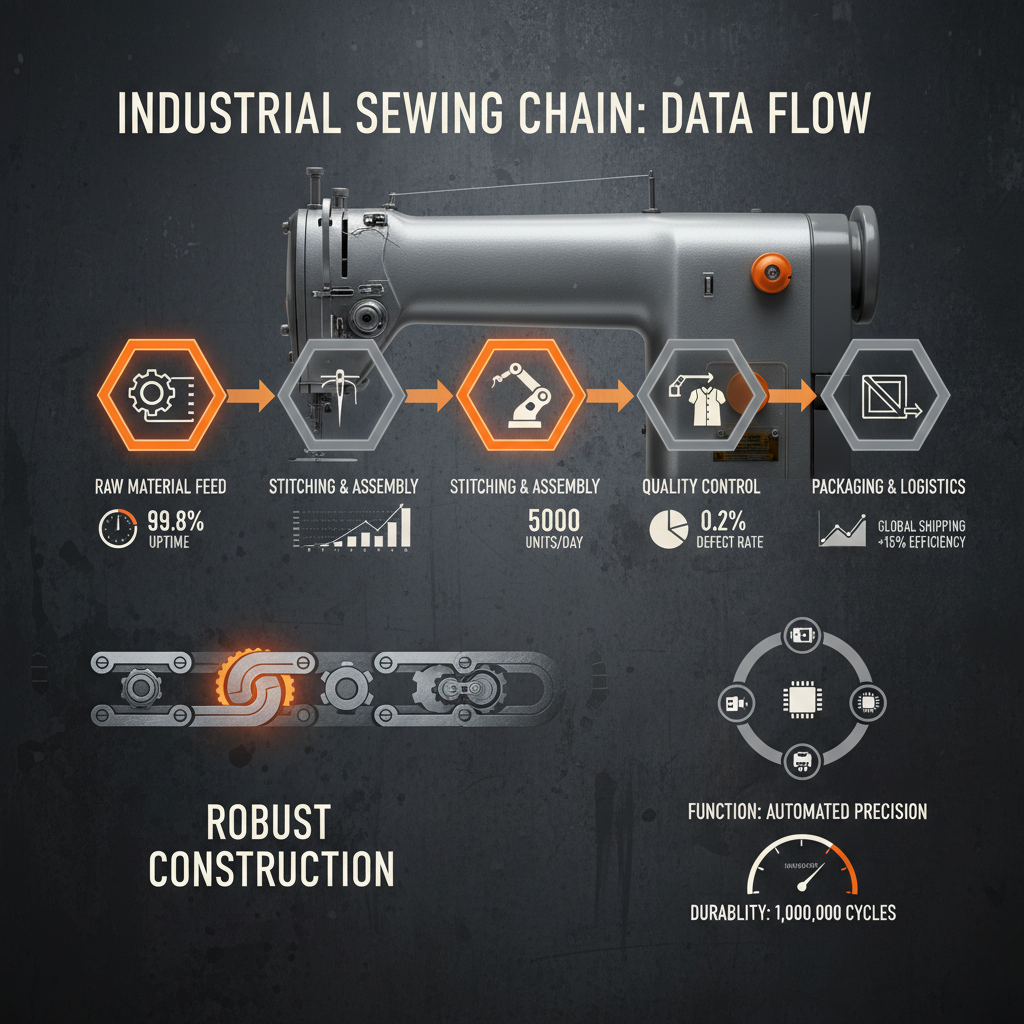
Scalability is a significant advantage of the thread chain stitch. Modern industrial machines can produce this stitch at high speed, allowing for large-scale production runs. This makes it suitable for projects requiring substantial quantities of assembled materials. The automated process also ensures consistent stitch quality, reducing the risk of defects.

Global Applications of thread chain stitch

The thread chain stitch finds widespread application in the textile industry, particularly in the production of durable workwear and industrial fabrics. Its strength makes it ideal for creating seams in garments designed to withstand harsh conditions. For instance, it's commonly used in the manufacturing of protective clothing for construction workers and emergency responders.

Beyond textiles, it's extensively employed in the automotive industry for manufacturing upholstery and interior components. The stitch's ability to create strong and flexible seams is vital for ensuring the durability and safety of these materials. In the agricultural sector, it's used in the production of tarpaulins, netting, and other protective coverings.

Thread Chain Stitch Performance Comparison


Advantages and Long-Term Value of thread chain stitch

A primary advantage of the thread chain stitch is its cost-effectiveness. Compared to more complex seam construction methods, it requires fewer resources and less labor, reducing overall production costs. This affordability makes it a particularly attractive option for large-scale projects and budget-conscious applications.

From a sustainability perspective, the thread chain stitch can contribute to reduced material waste. The efficient use of thread and the potential for repair and reuse extend the lifespan of products, minimizing their environmental impact. Furthermore, the durability of the stitch reduces the need for frequent replacements, conserving resources over the long term.

Future Trends in thread chain stitch Technology

Emerging trends point towards integrating automated systems with the thread chain stitch, enabling even faster and more precise seam construction. Advancements in machine learning and computer vision are being explored to optimize stitch parameters based on material properties and application requirements. This could lead to customized stitching solutions tailored to specific needs.

The development of new thread materials, including bio-based and recycled fibers, will further enhance the sustainability of the thread chain stitch. These materials will offer improved performance characteristics while reducing the environmental footprint of textile and industrial applications. The integration of smart textiles and sensors into thread chain stitch seams also represents a potential area for innovation.

Challenges and Solutions in thread chain stitch Implementation

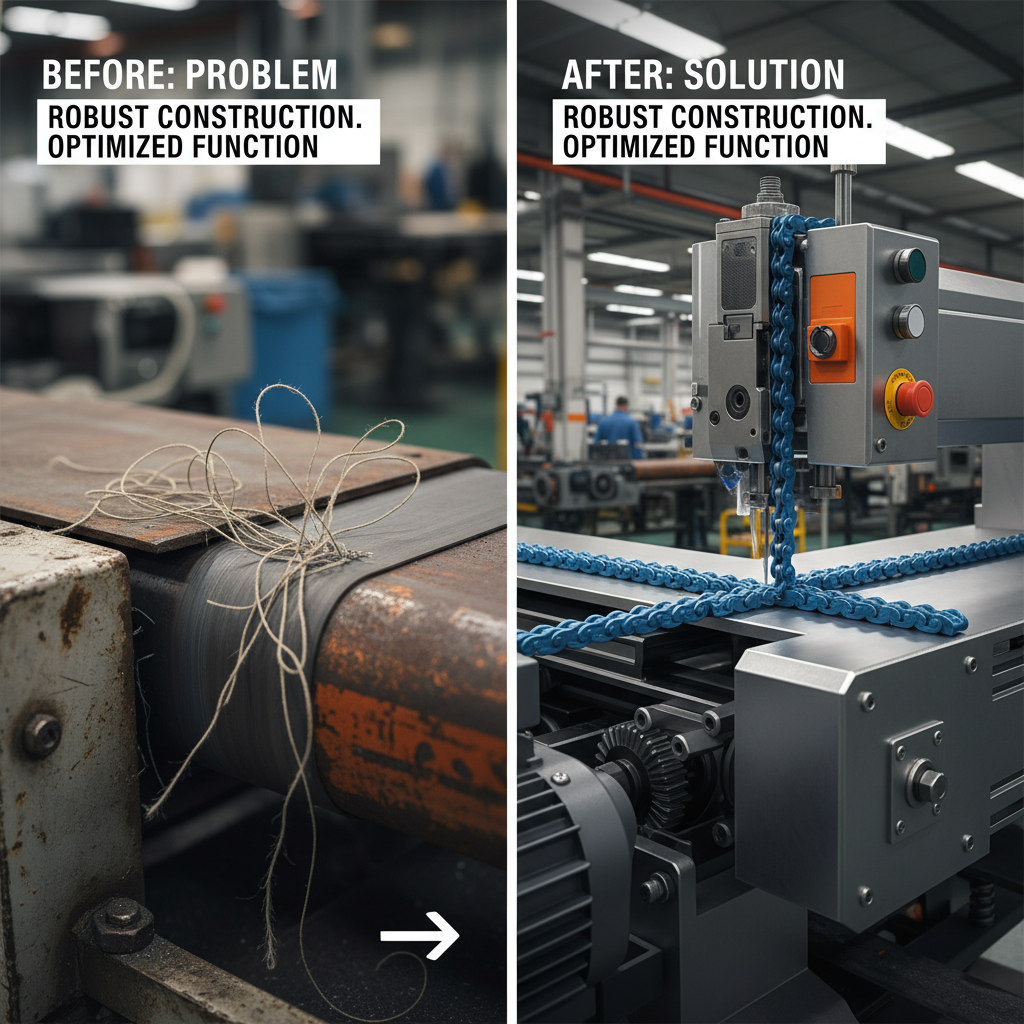
One common challenge is maintaining consistent stitch tension, particularly with varying fabric thicknesses. Inconsistent tension can lead to weak seams or puckering. Modern industrial machines address this issue with advanced tension control systems and automated adjustments.

Another potential limitation is the tendency for the stitch to unravel if the chain is broken. Solutions include reinforcing the stitch start and end points, or using a locking mechanism to prevent unraveling. The development of self-healing thread materials, which can automatically repair minor breaks in the stitch, is also being explored.

Finally, ensuring operator training and maintenance of equipment is critical for consistent quality. Providing comprehensive training programs and implementing regular maintenance schedules can minimize errors and extend the lifespan of the machinery.

Core Challenges and Solutions for Thread Chain Stitch Applications

Challenge Area Specific Problem Proposed Solution Implementation Cost (1-10)
Material Compatibility Difficulty stitching through very thick or rigid materials. Utilize specialized needles and adjustable presser feet. 4
Stitch Durability Chain unraveling if a single loop breaks. Implement back-tacking and locking mechanisms. 3
Machine Maintenance Frequent breakdowns due to lack of preventative care. Establish a regular maintenance schedule and operator training. 5
Operator Skill Level Inconsistent stitch quality due to insufficient operator training. Provide comprehensive training programs and certification. 6
Cost of Materials High cost of specialized threads for demanding applications. Explore alternative, cost-effective thread options with comparable performance. 7
Adaptability to Curves Difficulty maintaining consistent stitch length on curved seams. Utilize specialized curved needles and adjustable stitch settings. 4

FAQS

What are the primary applications of the thread chain stitch in modern manufacturing?

The thread chain stitch sees extensive use in creating durable seams for industrial textiles, automotive interiors, and protective workwear. Its strength and efficiency make it ideal for applications demanding robust and reliable joining solutions, particularly in mass production environments where cost-effectiveness is crucial. It is also popular for creating filters due to its structural integrity.

How does the thread chain stitch compare to other seam construction methods in terms of cost?

Generally, the thread chain stitch is more cost-effective than methods like lockstitch or overlock stitch, particularly for large-scale production. It requires less thread and labor, and the automated machinery can operate at high speeds. However, the specific cost comparison will depend on material types, stitch complexity, and machine capabilities.

What are the limitations of using a thread chain stitch, and how can they be overcome?

A key limitation is the potential for unraveling if the chain is broken. This can be mitigated with back-tacking, locking mechanisms, or the use of specialized threads. Another challenge is maintaining consistent tension on varied fabric thicknesses, solved via specialized machine settings. Proper operator training is crucial for successful implementation.

Can the thread chain stitch be used on all types of fabrics?

While versatile, the thread chain stitch isn't ideal for all fabrics. It works best with medium to heavy-weight materials. Delicate or very thin fabrics may require alternative stitching methods to prevent damage. The stitch can be adjusted to accommodate a variety of fabric types, but testing is recommended to ensure optimal results.

What are the future trends in thread chain stitch technology?

The future of thread chain stitch is leaning towards automation, integration with smart textiles, and the use of sustainable materials. Expect to see machines with enhanced sensors and control systems, enabling greater precision and adaptability. Development of self-healing threads and bio-based fibers will contribute to increased durability and eco-friendliness.

How important is regular maintenance for thread chain stitch machines?

Regular maintenance is crucial for optimal performance and longevity of thread chain stitch machines. This includes cleaning, lubrication, and replacement of worn parts. Proactive maintenance prevents breakdowns, ensures consistent stitch quality, and extends the machine's lifespan, ultimately reducing long-term costs. A strict preventative maintenance schedule is vital.

Conclusion

The thread chain stitch, a deceptively simple yet remarkably versatile technique, represents a significant asset across a wide spectrum of industries. Its combination of strength, cost-effectiveness, and scalability makes it an ideal solution for numerous applications, from industrial textiles and automotive manufacturing to emergency shelter construction and humanitarian aid. Understanding its nuances and potential unlocks innovation and efficiency.

Looking ahead, the thread chain stitch is poised for further development through advancements in automation, sustainable materials, and integration with smart technologies. Continued research and investment in this area will undoubtedly expand its role in addressing global challenges and driving innovation. To learn more about the applications and benefits of the thread chain stitch, visit our website: www.longsew.com
Brian Rodriguez

Brian Rodriguez

Brian Rodriguez is the Logistics and Service Coordinator for LongSew in North America. He's responsible for managing parts fulfillment, scheduling service visits, and ensuring a smooth experience for customers requiring technical assistance. Brian excels at streamlining operations and maintaining a consistent supply of replacement parts. He understands the importance of

Previous Exploring the Versatility and Efficiency of the Two Thread Chain Stitch
Next Understanding the Intricacies of the Global Sewing Machine Chain for Efficient Manufacturing