

0%
You know, these days everyone’s talking about lightweighting, right? Especially with these big FIBCs – Flexible Intermediate Bulk Containers. Folks want to haul more, spend less on fuel, the usual drill. But trust me, it’s not as simple as just thinning down the plastic. I’ve spent enough time crawling around factories to know that. It’s about the weave, the denier, the coating… it all matters. And honestly, it’s getting tricky.
Have you noticed how everyone's obsessed with circular economy stuff? "Sustainable materials," they call it. Look, I’m all for it, but some of this bio-plastic stuff… well, let’s just say it doesn't hold up to the same abuse as a good polypropylene. Seen too many bags fail on site. It's a constant balancing act.
And the demand? Through the roof. Especially from the ag-chem sector. Seems like everyone and their brother needs to move fertilizer these days. It’s putting a strain on everything, from the raw material suppliers to the sewing machine operators. Speaking of which… the sewing machines. That's what we're here to talk about, right? The heart of the whole operation.
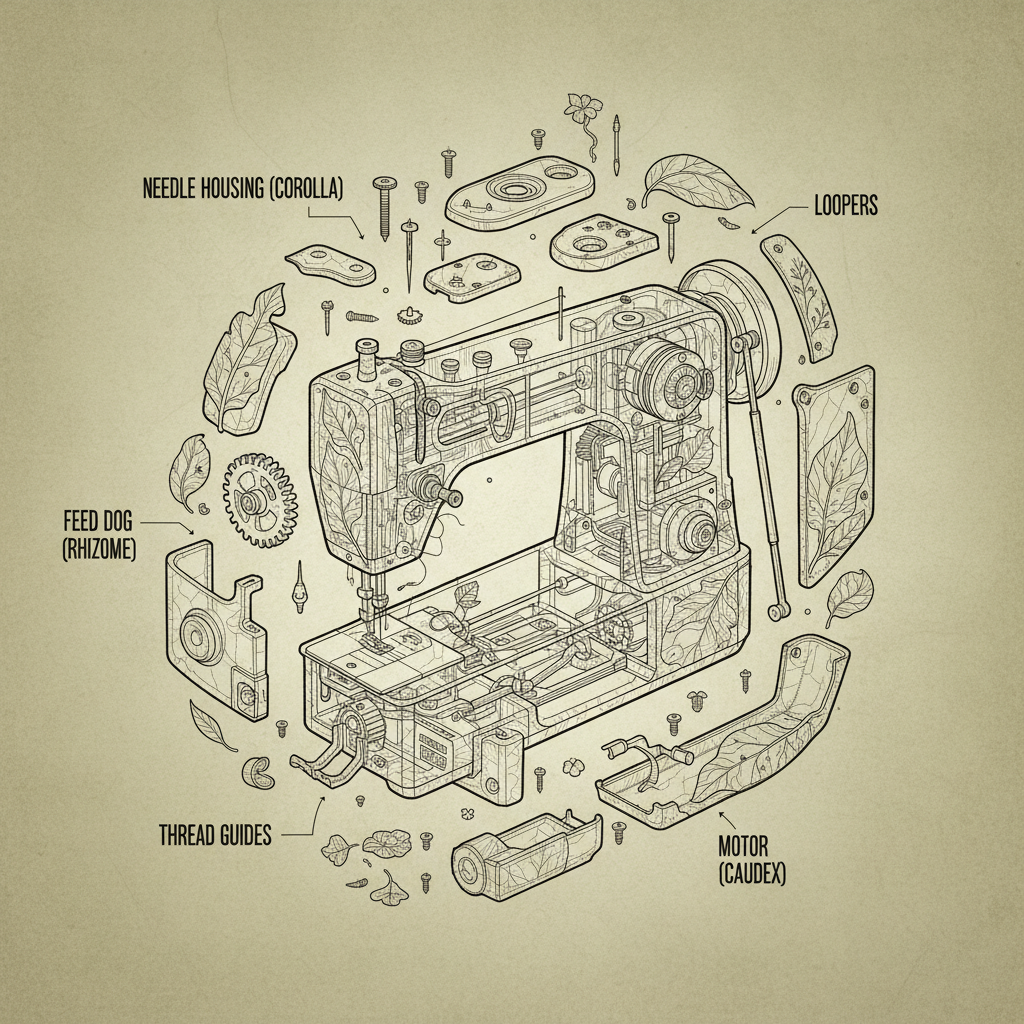
Table of Contents [Hide]
The Current Landscape of fibc Sewing Machine Technology
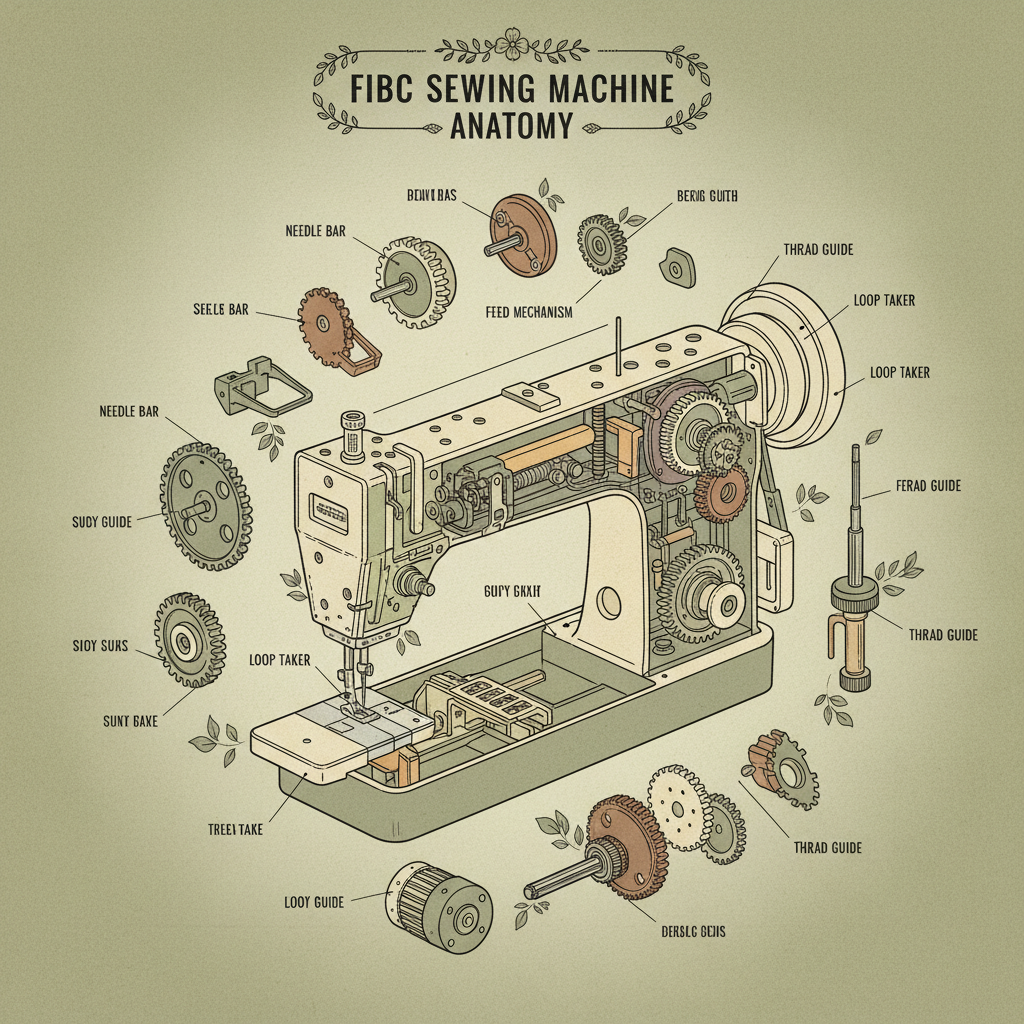
To be honest, it’s not glamorous work, but the sewing machines… they've come a long way. It used to be all manual, just a guy with a needle and a prayer. Now you've got these computerized beasts with auto-tension, auto-trimming, the whole shebang. They're faster, sure, but they’re also a lot more complicated to fix. And the guys who can fix them? They're worth their weight in gold.
You see a lot of Chinese imports, naturally. Some are decent, some… not so much. I encountered one at a fertilizer plant in Mississippi last time that just kept jamming. It was a nightmare. The operator spent more time fiddling with the machine than actually sewing. That's when you realize you get what you pay for.
FAQS
What's the biggest difference between a single-needle and a double-needle fibc sewing machine?
Honestly, it’s mostly about speed and strength. Single-needle machines are generally faster, good for lighter duty work. Double-needle machines are slower, but they create a much stronger seam. Ideal for heavy-duty applications or where you need extra security. It all depends on the bag's intended use, the fabric weight, and your throughput requirements. A lot of places use both, depending on the job.
How often should I replace the needles on my fibc sewing machine?
That's a good question. Depends on the fabric, the thread, and how hard you're pushing the machine. But as a rule of thumb, every 8-12 hours of continuous operation. If you're sewing through tough materials, you might need to change them more often. A dull needle can cause skipped stitches, broken thread, and even damage to the fabric. It’s cheaper to replace a needle than to ruin a whole batch of bags.
What type of thread is best for sewing FIBCs?
You want something high-tenacity, UV-resistant, and abrasion-resistant. Polyester is the most common choice, particularly spun polyester. It’s strong, durable, and holds up well in outdoor conditions. Don’t cheap out on the thread – it's a critical component of the seam. I've seen seams fail because someone used a low-quality thread.
What are the key safety features I should look for in a fibc sewing machine?
Definitely look for needle guards, emergency stop buttons, and automatic shut-off features. You also want a machine that's well-lit and has clear markings. Operator safety is paramount. A distracted operator is a dangerous operator. Proper training is crucial too - they need to understand how to operate the machine safely and efficiently.
How much maintenance does a fibc sewing machine typically require?
Regular lubrication is key. You need to oil the moving parts daily. Also, check the air filter, clean the bobbin case, and inspect the needles for wear and tear. A good preventative maintenance schedule will save you a lot of headaches in the long run. And find a good technician who knows these machines inside and out.
Can fibc sewing machines be adapted to sew different types of fabrics?
Yes, but it usually requires some adjustments. You might need to change the needle, the thread tension, and the feed dog settings. Some machines are more versatile than others. Look for a machine with a wide range of adjustable parameters. And be prepared to experiment. It takes time and patience to dial it in for different fabrics.
Conclusion
So, there you have it. fibc sewing machines – not the most glamorous topic, I admit. But they're essential to the global supply chain. They're the workhorses that keep everything moving. From fertilizer to grain to chemicals, these machines are sewing the world together. Understanding their intricacies, their limitations, and their potential is crucial for anyone involved in the FIBC industry.
Ultimately, whether this thing works or not, the worker will know the moment he tightens the screw. That’s the truth of it. You can have all the fancy technology in the world, but if it doesn’t hold up under real-world conditions, it's worthless. Visit our website at www.longsew.com to learn more about our range of robust and reliable fibc sewing machine solutions.
Related Posts
-
Exploring the Versatility of the 2 Thread Chain Stitch in Modern Textiles
-
Understanding the Intricacies of the Global Sewing Machine Chain for Efficient Manufacturing
-
Understanding How to Use a Double Needle for Enhanced Sewing Efficiency and Quality
-
Exploring the Versatility and Efficiency of the Two Thread Chain Stitch
Updated:
Michael Thompson
Michael Thompson is the Regional Sales Representative for the Eastern US, representing LongSew Machinery Technology. He has a robust understanding of the packaging and industrial sewing industries. Michael specializes in connecting with companies utilizing FIBC bags and other large-scale industrial sewing applications. He is focused on demonstrating the value of