

0%
Honestly, the whole jumbo bag sewing machine world’s been flipped on its head lately. Everyone’s chasing automation, you know? Robotics, faster stitch speeds… It's all about getting more bags out the door, quicker. But what people forget is the bags themselves. They’re getting more specialized too – not just for grain anymore. We’re seeing a huge push for bags that can handle everything from lithium battery components to, strangely, specialized fertilizers. The specifications are getting tighter.
I’ve been on enough dusty factory floors to tell you, a fancy machine isn’t worth a dime if it can’t handle the material. And the material is always changing. It’s a constant battle. Have you noticed how many suppliers are popping up, all claiming to have the “next generation” polypropylene? Nine times out of ten, it's the same stuff with a new label.
And the pressure on the seams, don’t even get me started. These bags are expected to hold a lot of weight, and failures aren’t just a cost issue, they're a safety issue. It's a messy business. We're talking about potential disasters if a bag gives way mid-lift. Which, by the way, keeps me up at night.
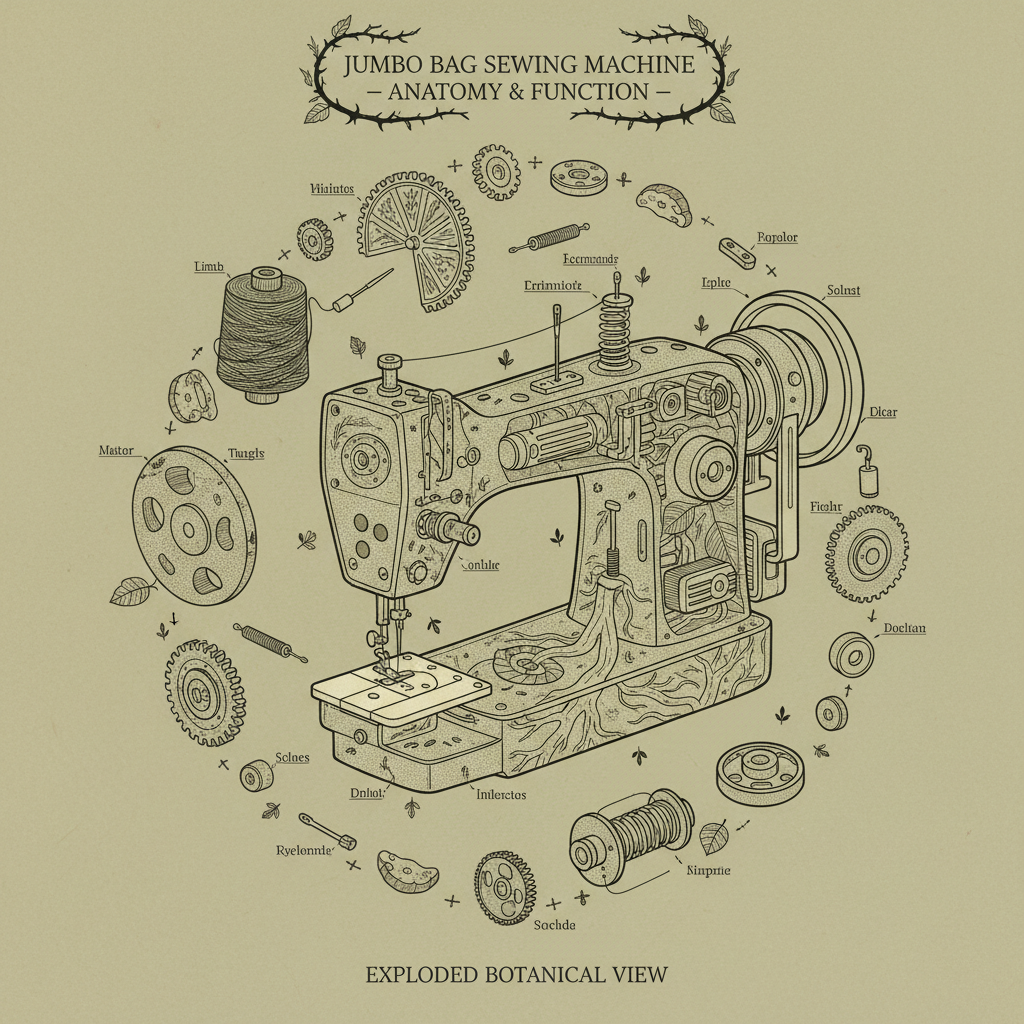
Table of Contents [Hide]
The Evolving Landscape of Jumbo Bag Sewing
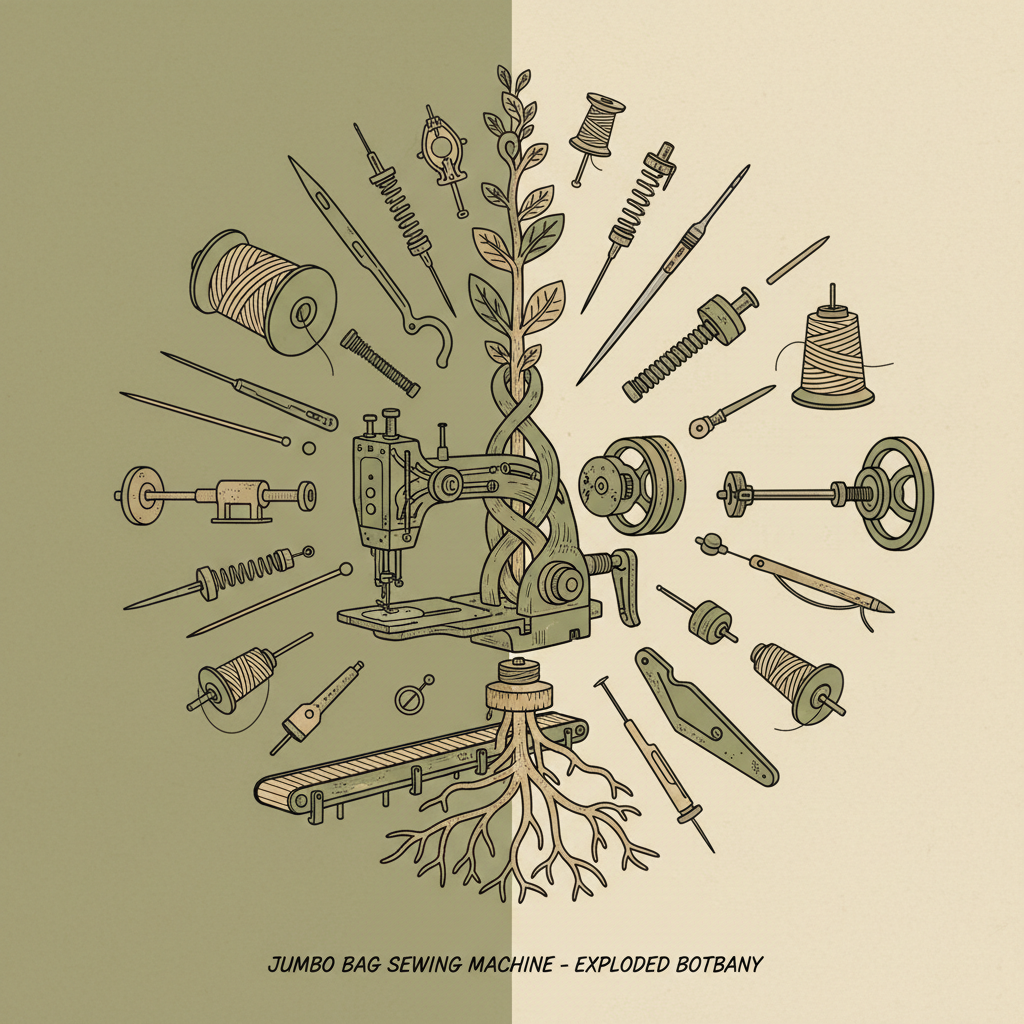
To be honest, the biggest trend isn't just speed. It's consistency. Customers are demanding repeatable, reliable seams. They're tired of dealing with variations. And the software side is getting more complex too – integration with bagging lines, data logging, predictive maintenance… It’s a lot to keep up with.
I encountered a plant in India last time, they were running three shifts a day just trying to meet demand, and even with that, quality control was slipping. That's when you realize these machines aren't just about making bags faster, they're about keeping everything under control.
FAQS
What are the most common causes of skipped stitches in a jumbo bag sewing machine?
Skipped stitches are usually down to a few things: incorrect needle size for the fabric, a dull or damaged needle, incorrect thread tension, or an issue with the timing of the machine. Sometimes it’s as simple as needing to clean the bobbin area. I’ve seen operators just keep running the machine until the needle is practically worn down to a nub. Not a good idea! Regular maintenance is key.
How often should the needles be replaced on a jumbo bag sewing machine?
It depends on the material you're sewing and the volume of production, but as a general rule, you should replace the needle at least every eight hours of operation. If you're sewing through particularly tough material, you might need to replace it more frequently. And always replace it if you notice any damage or wear. A cheap needle is a false economy.
What type of lubrication is best for a jumbo bag sewing machine?
Use a high-quality sewing machine oil specifically designed for industrial machines. Avoid using WD-40 or other general-purpose lubricants, as they can gum up the works over time. Apply oil to all moving parts as directed in the machine's manual. It's better to over-lubricate than under-lubricate, especially in a dusty environment.
What are the key differences between single-needle and double-needle jumbo bag sewing machines?
Single-needle machines are generally used for lighter-duty applications and provide a more flexible seam. Double-needle machines are faster and produce a stronger, more secure seam, making them ideal for heavy-duty applications like FIBCs. The choice depends on the weight of the material and the required seam strength.
How can I troubleshoot tension problems on my jumbo bag sewing machine?
Tension problems usually manifest as looping, puckering, or broken thread. First, re-thread the machine correctly, ensuring the thread is properly seated in all guides and tension discs. Then, adjust the upper and lower tension knobs in small increments until the stitch is balanced. If that doesn’t work, check the needle and bobbin for damage.
What safety precautions should be taken when operating a jumbo bag sewing machine?
Always wear safety glasses to protect your eyes from flying debris. Use hearing protection, as these machines are loud. Keep your hands clear of the needle and other moving parts. Ensure the machine is properly grounded. And never attempt to repair the machine while it's still plugged in. Basic stuff, but people forget.
Conclusion
So, where does this all leave us? Jumbo bag sewing machines are a critical part of the global supply chain, and they’re getting more sophisticated all the time. The key is to understand the fundamentals – the materials, the mechanics, and the human element. Don't chase the latest gadget if you can't get the basics right.
Ultimately, whether this thing works or not, the worker will know the moment he tightens the screw. And that's what matters. You can spend all the money in the world on fancy machines and high-tech materials, but if the operator doesn’t trust the equipment, it’s not going to get the job done. Visit our website at longsew.com to learn more about how we can help you find the right solution for your needs.
Related Posts
-
Discover High Quality Chain Stitch Embroidery Machine for Sale and Enhance Your Production
-
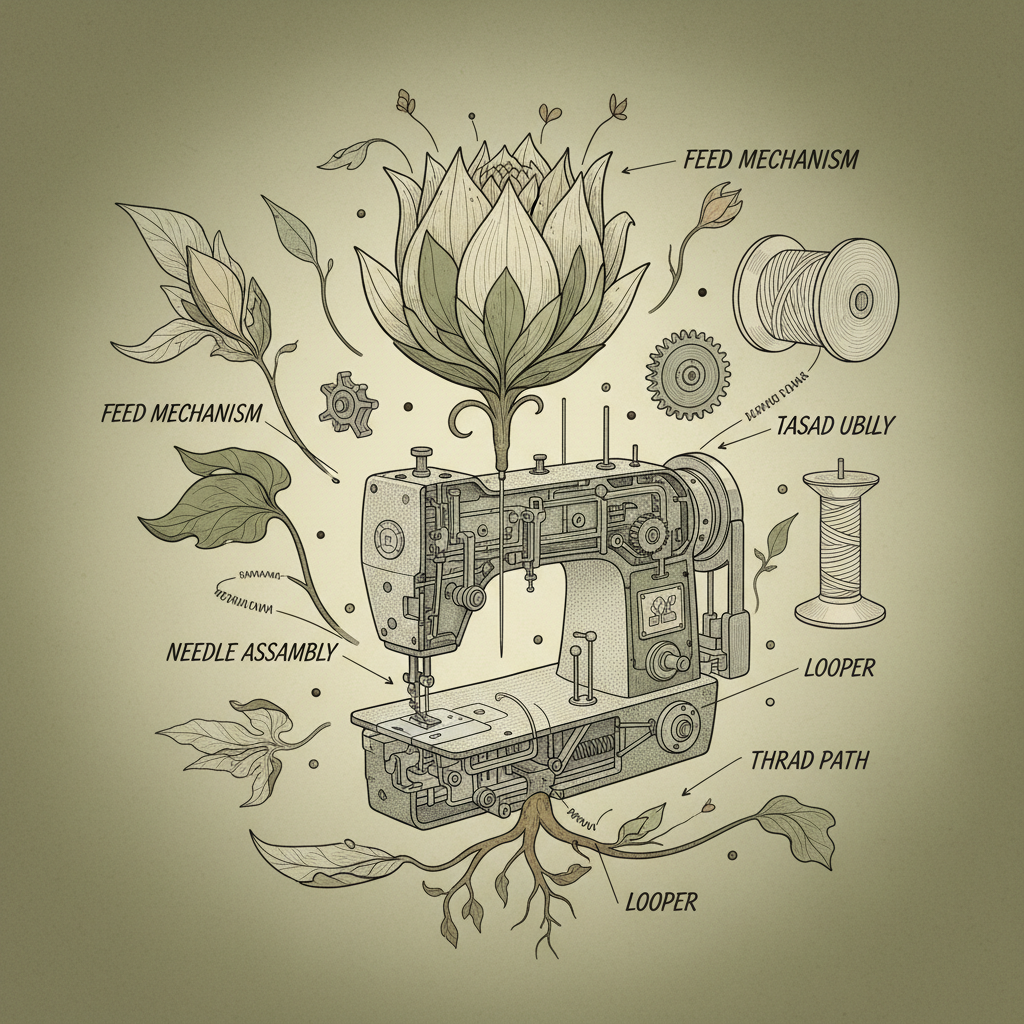
Navigating the Complexities of big bag sewing machine Reliability and Performance
-
The Enduring Relevance of the 401 Chainstitch in Modern Manufacturing
-
Unlock the Potential How to Use Mini Chain Stitch Sewing Machine Effectively
Updated:

Robert Miller
Robert Miller is the North American Sales Manager at Hebei LongSew Machinery Technology Co. Ltd. With over 15 years of experience in the industrial sewing machine market, Robert focuses on building strong relationships with clients across the US, Canada and Mexico. He’s a key driver in promoting LongSew's heavy-duty machines