

0%
You know, I’ve been running around construction sites for nearly twenty years now, getting dust in my teeth and smelling concrete all day. Lately, everyone’s talking about automating things, prefabrication, modular designs...basically, how to get stuff done faster and with less manpower. It’s a good trend, honestly. But it also brings a whole new set of headaches. Seems like every time we ‘solve’ one problem, two more pop up. It's not just about making things faster; it’s about making them reliable.
And reliability, well, that comes down to the details. So many designers, they sit in their offices and come up with these brilliant plans…but they haven’t spent a single hour actually trying to assemble something in the rain, with cold hands, and a foreman breathing down their neck. Have you noticed how often a beautifully rendered CAD drawing turns into a complete mess once it hits the factory floor? It’s infuriating.
The big push right now is, of course, large-scale, high-strength woven polypropylene fabric for big bags – specifically, the sewing machines used to stitch them together. Used to be, everyone was happy with whatever thread and needle they could get. Now? Everyone's obsessed with tensile strength, UV resistance, and seam integrity. It's gotten...complicated.
Table of Contents [Hide]
The Current Landscape of big bag sewing machine
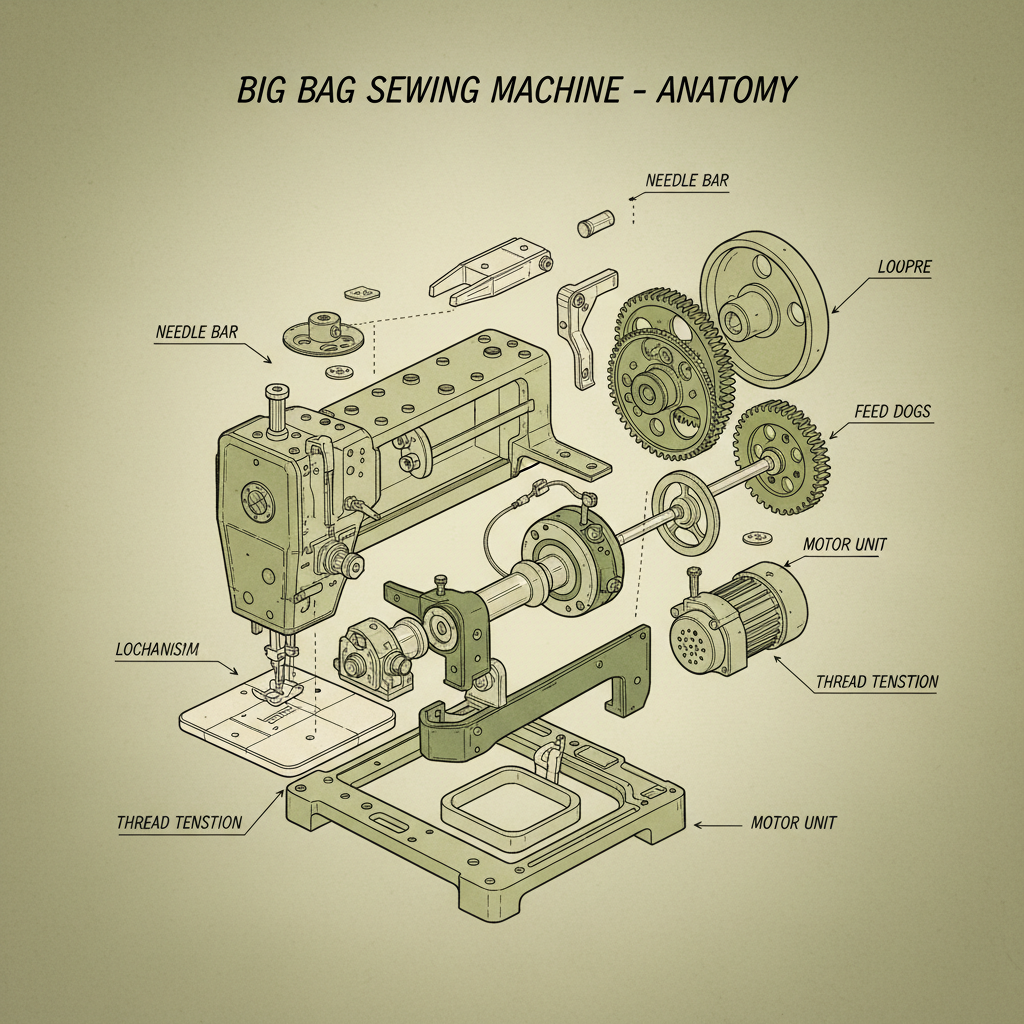
To be honest, the market’s flooded with options. You’ve got your standard industrial models, your high-speed machines, even some computerized ones trying to get in on the act. But the core principle is still the same: taking a heavy-duty needle and thread, and forcing it through layers of thick polypropylene. The demand’s been steadily climbing, driven largely by agricultural exports and the construction boom in Asia. It’s a global thing.
I encountered a particularly frustrating situation at a fertilizer plant in India last year. They’d bought a ‘state-of-the-art’ machine, all shiny and new…but the local power supply was so unstable it kept tripping the breaker. Turns out, they needed a dedicated transformer just to run the darn thing. Little things, but they can bring a whole operation to a standstill.
FAQS
What’s the biggest mistake people make when choosing a big bag sewing machine?
Honestly, it’s not thinking about the long term. They go for the cheapest option upfront, without considering the cost of maintenance, spare parts, and downtime. A slightly more expensive machine with better build quality will save you a fortune in the long run. You’ve got to look beyond the sticker price, consider the total cost of ownership. And don’t fall for the marketing hype.
How often should I change the needle on my big bag sewing machine?
It depends on how much you're using it and the type of fabric you're sewing. But as a general rule, you should change the needle every 8-10 hours of operation. A dull needle can cause skipped stitches, fabric damage, and even break the machine. And if you’re sewing really tough materials, change it more frequently. It's cheaper to replace a needle than to fix a broken machine.
What kind of thread should I use for sewing big bags?
High-tenacity polyester thread is the standard. It's strong, abrasion-resistant, and UV-stabilized. Don’t skimp on thread quality – it’s a crucial component of a strong seam. Look for thread that’s specifically designed for industrial sewing applications. And make sure it’s compatible with your machine. Using the wrong thread can cause all sorts of problems.
How do I troubleshoot a skipped stitch problem?
Skipped stitches can be caused by a number of things: a dull or damaged needle, incorrect thread tension, a misaligned needle plate, or a problem with the feed dog. Start by checking the needle and thread. Then, adjust the thread tension. If that doesn’t work, check the needle plate and feed dog. If you’re still having trouble, you might need to call a technician. It can be a real headache, but systematic troubleshooting is key.
What’s the difference between a single-needle and a double-needle big bag sewing machine?
A single-needle machine is more versatile and can be used for a wider range of applications. A double-needle machine is faster and produces a stronger seam, but it’s less flexible. Which one you choose depends on your specific needs. If you’re sewing a lot of the same type of bag, a double-needle machine can be a good choice. But if you need to sew different types of bags, a single-needle machine is more practical.
Is there a lot of maintenance involved with these machines?
Yep, plenty. Regular lubrication is essential. You need to clean out lint and debris, check the thread tension, and inspect the needles and other components for wear and tear. A preventative maintenance schedule is your friend. Ignoring maintenance will lead to breakdowns and costly repairs. It's not glamorous work, but it’s necessary to keep the machine running smoothly.
Conclusion
So, yeah, big bag sewing machines. They’re not the most glamorous pieces of equipment, but they’re absolutely essential for a huge range of industries. Getting the right machine, keeping it well-maintained, and understanding the nuances of the materials and processes involved – that’s what separates the professionals from the amateurs.
Ultimately, whether this thing works or not, the worker will know the moment he tightens the screw. And if he's cursing under his breath, you know you've got a problem. Visit our website at www.longsew.com for more information and to find the right machine for your needs.
Related Posts
-
Advancements in Chainstitch Embroidery Machine Technology and Applications
-
Advanced Jumbo Bag Stitching Machine Technology for Efficient Packaging Solutions
-
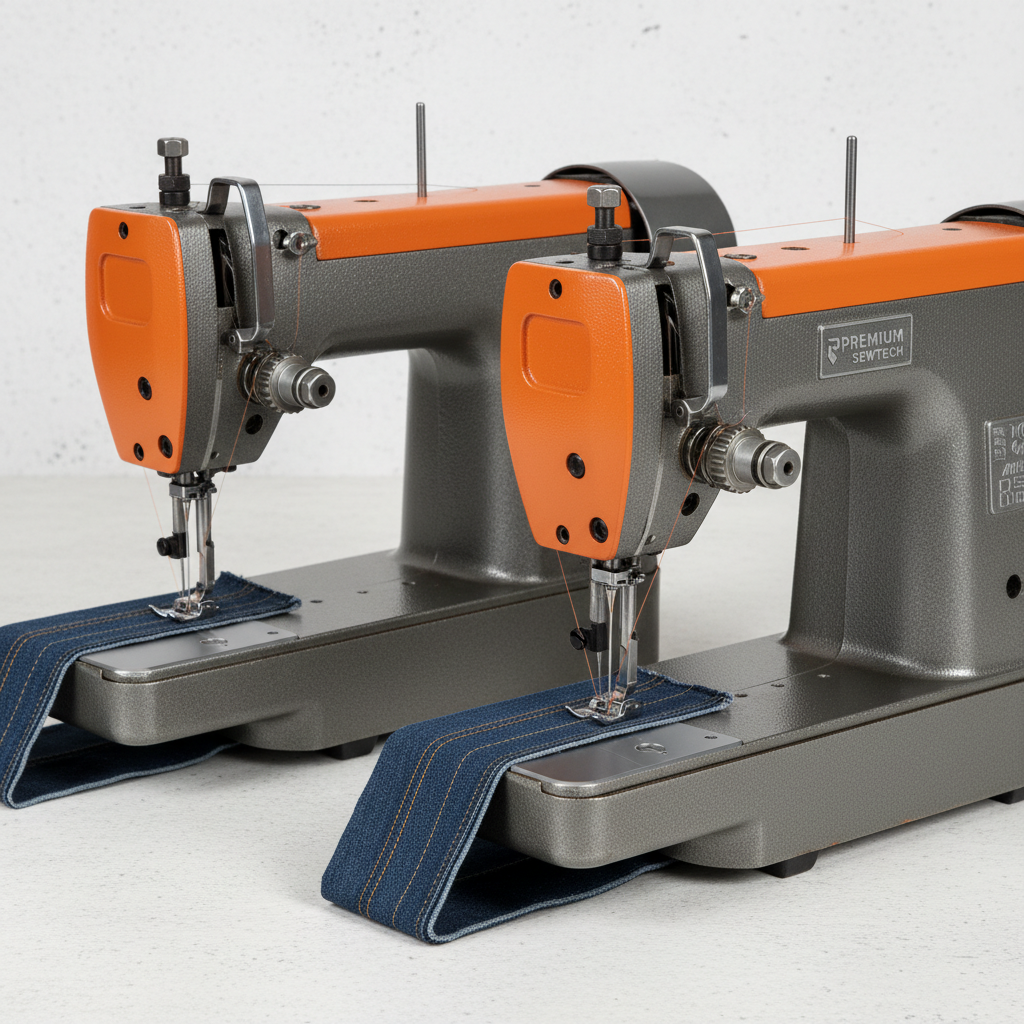
Exploring the Versatility and Efficiency of the Two Thread Chain Stitch
-
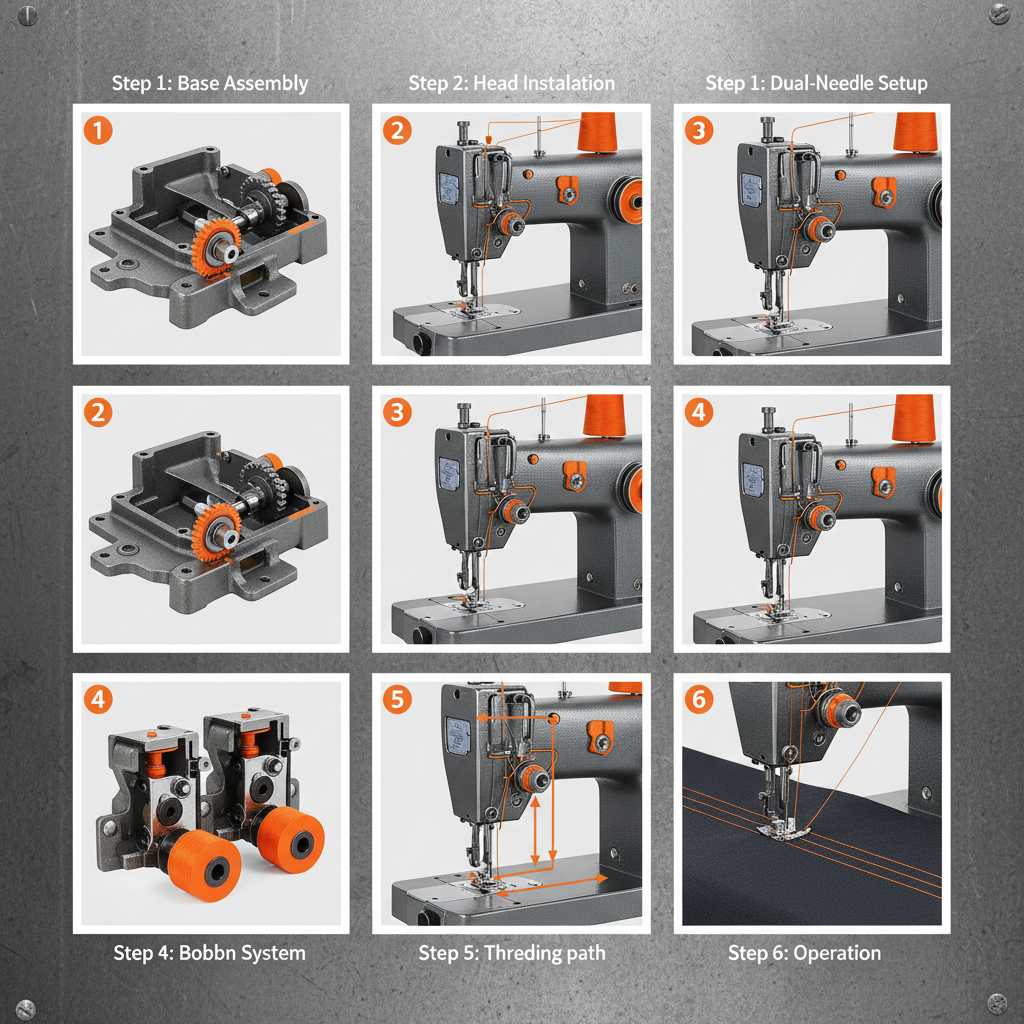
Advancements in Dual Needle Sewing Machine Technology and Industrial Applications
Updated:

Robert Miller
Robert Miller is the North American Sales Manager at Hebei LongSew Machinery Technology Co. Ltd. With over 15 years of experience in the industrial sewing machine market, Robert focuses on building strong relationships with clients across the US, Canada and Mexico. He’s a key driver in promoting LongSew's heavy-duty machines