0%

Table of Contents

The dual needle sewing machine represents a significant advancement in textile manufacturing, offering increased efficiency and precision compared to single-needle counterparts. Globally, the demand for efficient and reliable sewing solutions is driven by the ever-growing apparel industry, particularly in developing economies striving to scale production. These machines are pivotal in creating durable seams crucial for a wide range of applications, from garments to industrial textiles. Understanding their capabilities unlocks opportunities for optimizing manufacturing processes and achieving higher quality finished products.

Within the specialized textile equipment manufacturing sector, the dual needle sewing machine occupies a crucial niche. The rise of fast fashion and the need for efficient large-scale production have fueled the demand for machines capable of handling high volumes and varied fabric types. This isn’t simply about speed; it’s about consistent stitch quality, minimizing defects, and reducing production costs. This technology addresses challenges faced by manufacturers aiming for competitive pricing and superior product reliability.

The widespread adoption of dual needle sewing machines is intrinsically linked to the globalization of supply chains and the need for consistent product quality across diverse manufacturing locations. Whether it’s the production of protective gear, automotive interiors, or everyday apparel, the dual needle machine plays a critical role in maintaining industry standards and meeting evolving consumer demands.
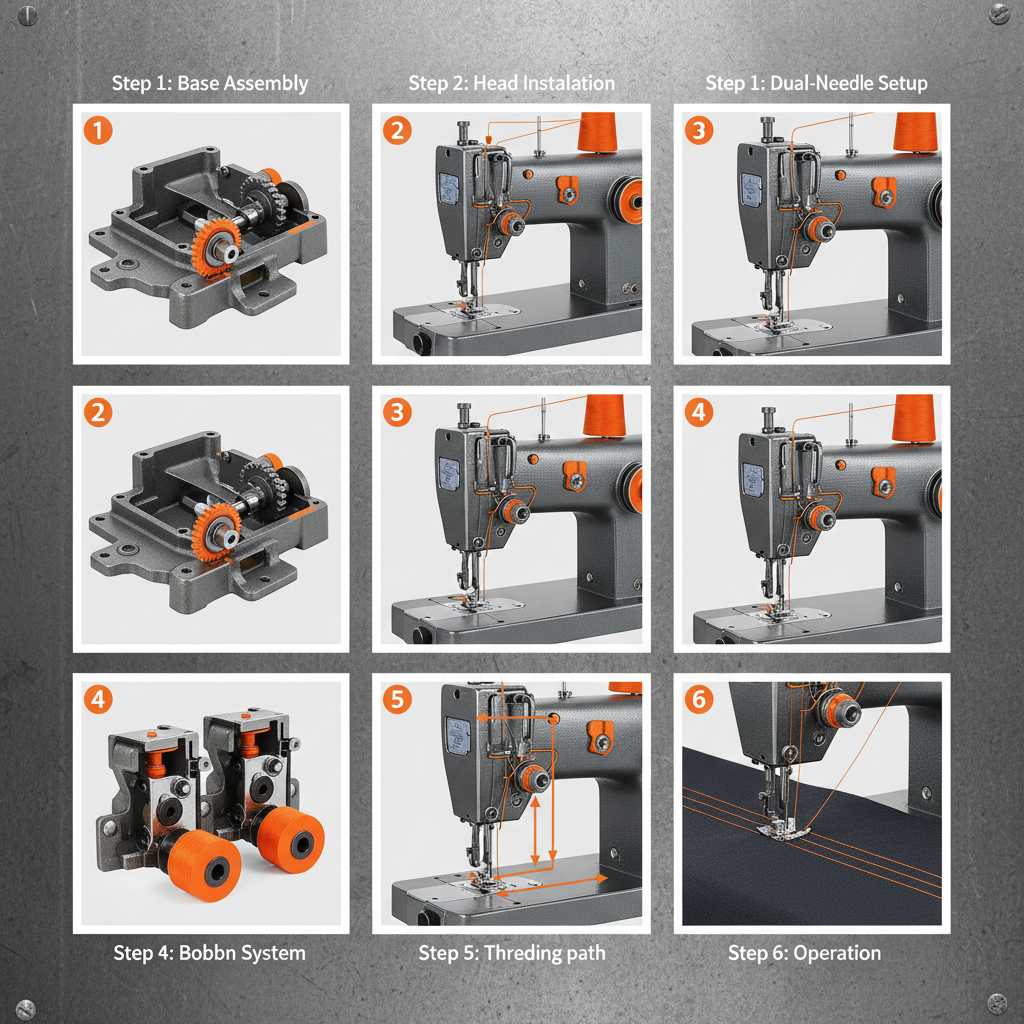
Advancements in Dual Needle Sewing Machine Technology and Industrial Applications

The Global Significance of Dual Needle Sewing Machine
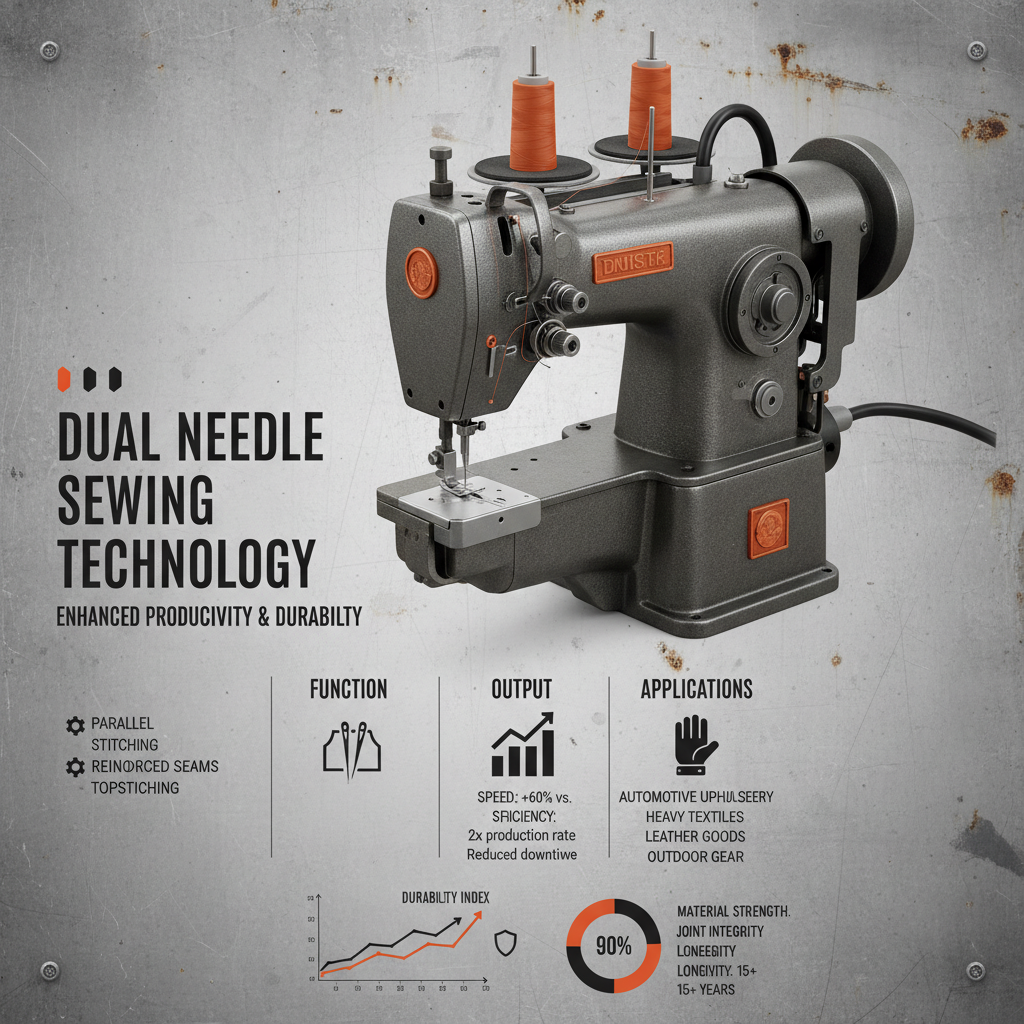
Advancements in Dual Needle Sewing Machine Technology and Industrial Applications

The global textile industry is a multi-trillion-dollar market, with a significant portion dedicated to apparel production. Data from the World Trade Organization (WTO) consistently demonstrates the crucial role of textile and apparel exports in many developing countries. The dual needle sewing machine is integral to this industry, enabling faster production cycles and increased output to meet global demand. Its impact extends beyond simple garment creation, playing a vital role in producing everything from industrial fabrics to specialized textiles.

The demand for dual needle sewing machines isn’t uniform; it's strongly correlated with the growth of manufacturing hubs in Asia, particularly China, Vietnam, and Bangladesh. These regions often prioritize cost-effective and efficient production methods, making these machines a necessity for competitiveness. Moreover, the increasing focus on sustainability and ethical manufacturing practices necessitates robust, durable equipment like the dual needle machine, capable of producing long-lasting and high-quality goods.

Defining the Dual Needle Sewing Machine

A dual needle sewing machine, at its core, is a mechanized device designed to create two parallel rows of stitching simultaneously. Unlike a single-needle machine, it employs two needles and two loops of thread, resulting in a stronger, more secure seam. This makes it particularly well-suited for applications requiring high seam strength and durability, such as the manufacturing of upholstery, automotive interiors, and heavy-duty workwear.

The connection to modern industry lies in its ability to drastically increase production speeds without compromising quality. In mass production scenarios, the time saved by creating two seams at once translates to significant cost savings and increased output. Beyond purely industrial applications, the dual needle sewing machine also facilitates the creation of aesthetically pleasing and functional designs, such as decorative stitching and functional seams in high-performance sportswear.

From a humanitarian perspective, dual needle sewing machines are proving valuable in supporting local economies and providing skills training in developing regions. They empower communities to establish small-scale garment production businesses, fostering self-sufficiency and contributing to economic growth. Furthermore, these machines are used in the production of essential items like tents, protective clothing, and medical textiles, often playing a critical role in disaster relief efforts.

Key Components and Operational Factors

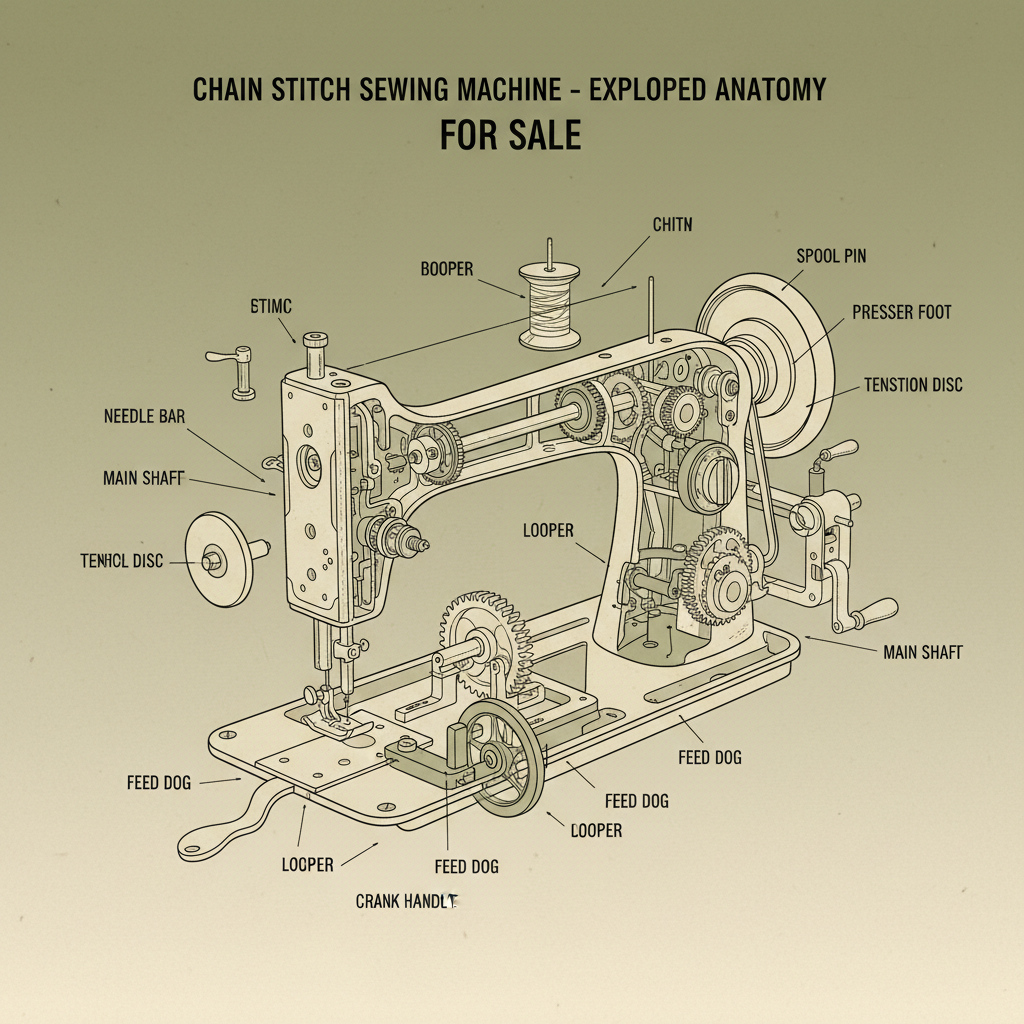
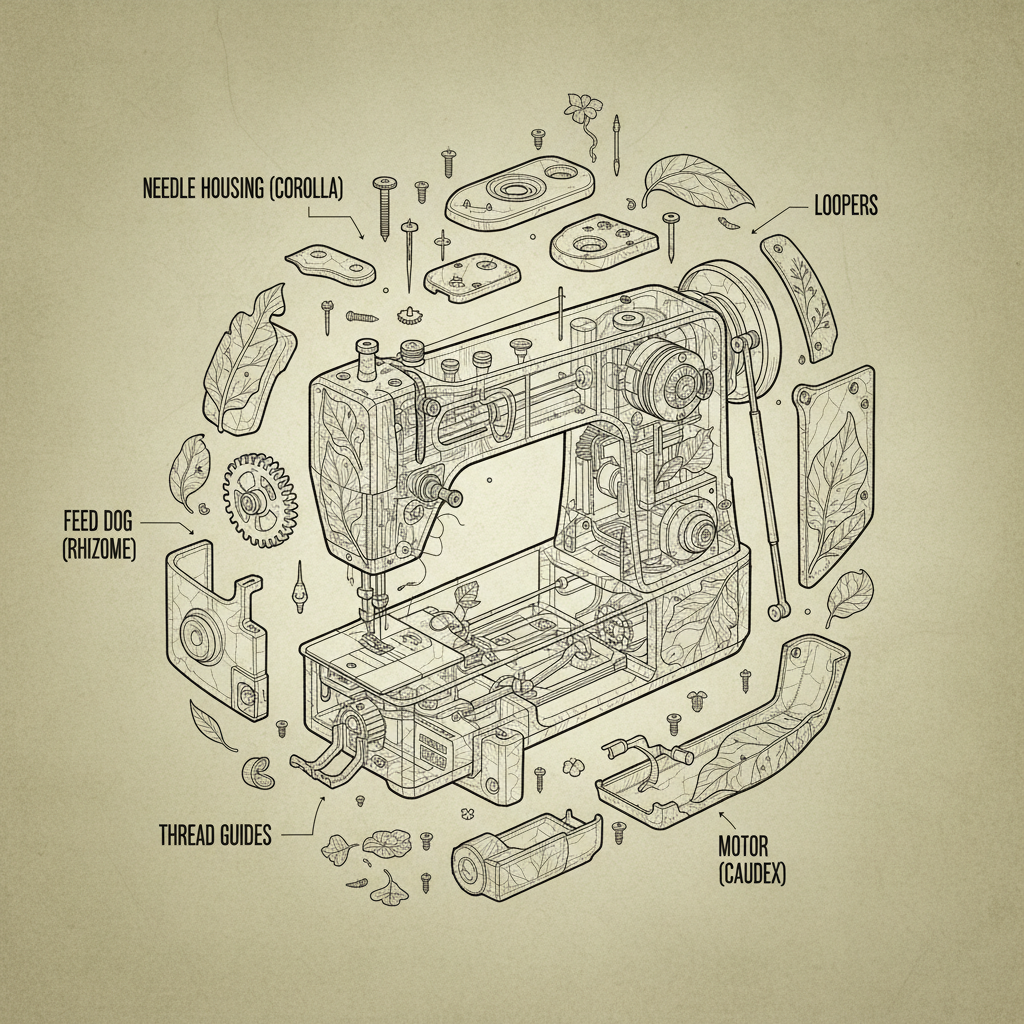
Several key factors contribute to the performance and reliability of a dual needle sewing machine. The needles themselves are paramount, with varying sizes and types available to suit different fabric weights and materials. Choosing the correct needle is crucial to prevent damage to the fabric and ensure optimal stitch formation. Another critical component is the feed dog system, which precisely advances the fabric under the needle, ensuring consistent stitch length and alignment.

Thread tension is another essential operational factor. Improper tension can lead to loose stitches, puckering, or thread breakage. Maintaining the correct tension for both needles is vital for creating a balanced and durable seam. Finally, the motor and flywheel provide the power and momentum necessary for consistent operation. The machine's ability to maintain a steady speed and rhythm directly impacts the quality and efficiency of the stitching process.

Durability is directly tied to the quality of the materials used in the machine’s construction. Robust frames, high-grade steel components, and precision engineering all contribute to a longer lifespan and reduced maintenance requirements. Scalability refers to the machine’s ability to handle varying production volumes. Machines with adjustable stitch lengths, speeds, and presser foot pressure offer greater flexibility to adapt to different projects. Cost Efficiency is often assessed in terms of energy consumption, maintenance costs, and the lifespan of components. Selecting a machine with a good balance of performance and affordability is essential for maximizing return on investment.

Furthermore, ease of maintenance plays a critical role. Machines with easily accessible lubrication points and readily available replacement parts minimize downtime and simplify repairs. Precision is vital for consistent stitch quality, and this is influenced by factors like the accuracy of the feed dog system and the alignment of the needles. Understanding these key components and operational factors allows manufacturers to make informed decisions when selecting and maintaining their dual needle sewing machines.

Practical Applications Across Industries

The versatility of the dual needle sewing machine makes it indispensable across a wide spectrum of industries. In the apparel industry, it’s widely used for creating durable seams in jeans, jackets, and sportswear. The parallel stitching provides enhanced strength and a distinctive aesthetic. Within the automotive sector, it’s employed in manufacturing car seat covers, upholstery, and airbags, where seam integrity is paramount for safety.

The upholstery industry relies heavily on dual needle machines for crafting sofas, chairs, and other furniture items, ensuring seams can withstand significant wear and tear. In the textile manufacturing sector, it’s used for producing industrial fabrics, conveyor belts, and protective gear. Even in niche applications, such as the production of sails for boats or the manufacturing of heavy-duty tarpaulins, the dual needle machine proves its value.

Dual Needle Sewing Machine Performance Comparison


Advantages and Long-Term Value Proposition

The primary advantage of utilizing a dual needle sewing machine lies in its increased production efficiency. By creating two seams simultaneously, manufacturers can significantly reduce production time and increase output. This translates directly into lower labor costs and higher profitability. Beyond speed, these machines offer superior seam strength, resulting in more durable and reliable products.

The long-term value extends beyond immediate cost savings. The enhanced durability of the finished goods contributes to increased customer satisfaction and brand loyalty. Furthermore, investing in a high-quality dual needle sewing machine reduces the risk of machine breakdowns and costly repairs, minimizing downtime and maximizing operational efficiency.

Future Trends and Technological Advancements

The future of dual needle sewing machines is intertwined with the broader trends of Industry 4.0 and digital transformation. We are witnessing the increasing integration of automation, sensors, and data analytics into these machines. Smart sewing machines equipped with sensors can monitor stitch quality in real-time, alerting operators to potential defects and optimizing performance.

The development of more sustainable materials and manufacturing processes is also driving innovation. Dual needle sewing machines capable of efficiently processing recycled fabrics and biodegradable materials will be increasingly in demand. Furthermore, advancements in needle technology and thread materials are continually improving seam strength and durability while reducing environmental impact.

Remote diagnostics and predictive maintenance capabilities are becoming increasingly prevalent, allowing manufacturers to proactively address potential issues and minimize downtime. The integration of artificial intelligence (AI) and machine learning (ML) algorithms will further optimize sewing machine performance, adapting to different fabric types and stitch patterns automatically.

Challenges and Innovative Solutions

Despite their benefits, dual needle sewing machines face certain challenges. One common issue is thread breakage, particularly when working with delicate or unconventional fabrics. This can be mitigated by using high-quality thread, adjusting thread tension properly, and employing specialized needles designed for specific materials. Another challenge is maintaining consistent stitch quality across different fabric layers and thicknesses.

Innovative solutions include the development of adaptive feed dog systems that automatically adjust to varying fabric thicknesses and the implementation of advanced thread trimming mechanisms that minimize waste and prevent tangling. The increasing use of computerized control systems allows for precise adjustments to stitch length, needle position, and presser foot pressure, ensuring optimal stitch quality.

Furthermore, improvements in machine lubrication systems are reducing friction and wear, extending machine lifespan and minimizing maintenance requirements. By addressing these challenges through continuous innovation, manufacturers can maximize the efficiency and reliability of their dual needle sewing machines.

Core challenges and corresponding solutions for dual needle sewing machine operations

Challenge Category Specific Challenge Potential Solutions Implementation Cost (1-10)
Operational Issues Frequent Thread Breakage High-Quality Thread, Tension Adjustment, Needle Selection 3
Maintenance Requirements Regular Lubrication Needs Automated Lubrication Systems, Scheduled Maintenance 5
Fabric Compatibility Difficulty Sewing Thick Materials Heavy-Duty Needles, Increased Presser Foot Pressure 4
Stitch Quality Control Inconsistent Stitch Length Computerized Stitch Length Control, Regular Calibration 6
Skill Level Requirement Operator Training Needs Comprehensive Training Programs, User-Friendly Interfaces 2
Downtime Management Unexpected Machine Failures Predictive Maintenance, Spare Parts Availability 7

FAQS

What are the primary applications of a dual needle sewing machine?

Dual needle sewing machines excel in applications requiring high seam strength and durability. They are extensively used in the apparel industry for jeans and jackets, in automotive manufacturing for upholstery, and in upholstery for furniture. They're ideal for applications where a clean, reinforced seam is critical, ensuring the longevity and quality of the finished product. This is due to the interlocking stitch pattern creating a secure and robust join.

How do I choose the right needle for my dual needle sewing machine?

Selecting the correct needle is paramount for optimal performance. Consider the fabric type and weight. Universal needles work well for woven fabrics, while ballpoint needles are best suited for knit fabrics. The needle size should correspond to the fabric thickness – a larger number indicates a thicker needle. Always consult your machine's manual for specific recommendations and ensure you're using needles designed for dual needle machines to avoid damage and ensure proper stitch formation.

What causes thread breakage in a dual needle machine and how can I prevent it?

Thread breakage is often caused by improper thread tension, incorrect needle selection, or using low-quality thread. Ensure your thread tension is balanced for both needles and that you're using thread appropriate for the fabric and needle size. Regularly clean the machine to remove lint and debris, and lubricate moving parts to reduce friction. Proper threading technique is also crucial – follow your machine's manual carefully to ensure the thread is correctly routed.

How often should I lubricate my dual needle sewing machine?

The frequency of lubrication depends on machine usage. Generally, lubricating the machine before each shift or after every 8 hours of operation is recommended. Refer to your machine's manual for specific lubrication points and recommended oil types. Proper lubrication reduces friction, minimizes wear and tear, and extends the lifespan of your machine, ensuring smooth and reliable operation. Ignoring lubrication can lead to costly repairs.

What is the difference between a lockstitch and a chainstitch dual needle machine?

A lockstitch dual needle machine creates a stitch that interlocks on the underside of the fabric, providing a more secure and durable seam. It's ideal for applications requiring high strength. A chainstitch dual needle machine, however, forms a chain-like stitch that is easier to unravel. Chainstitch is typically used for temporary seams or applications where easy removal is desired, like basting or quilting. Choosing the correct stitch type depends on the specific application.

How can I troubleshoot inconsistent stitch length on my dual needle sewing machine?

Inconsistent stitch length can be caused by several factors. Check the stitch length setting on the machine and ensure it’s properly adjusted. Verify that the feed dogs are clean and functioning correctly, as debris can hinder their movement. Also, ensure the presser foot pressure is appropriate for the fabric type. If the problem persists, consult a qualified technician, as it could indicate a mechanical issue requiring professional attention.

Conclusion

In conclusion, the dual needle sewing machine represents a cornerstone of modern textile manufacturing, offering significant advantages in terms of speed, durability, and efficiency. From apparel production to automotive interiors and industrial textiles, its versatility and reliability make it an indispensable tool for manufacturers worldwide. Understanding its capabilities, key components, and future trends is crucial for optimizing production processes and maintaining a competitive edge.

Looking ahead, continued innovation in automation, material science, and data analytics will further enhance the performance and functionality of dual needle sewing machines. Investing in these technologies and prioritizing operator training will be essential for maximizing the long-term value and sustainability of this critical equipment. For reliable and high-performance dual needle sewing machines, visit our website: dual needle sewing machine.

Robert Miller

Robert Miller

Robert Miller is the North American Sales Manager at Hebei LongSew Machinery Technology Co. Ltd. With over 15 years of experience in the industrial sewing machine market, Robert focuses on building strong relationships with clients across the US, Canada and Mexico. He’s a key driver in promoting LongSew's heavy-duty machines

Previous Optimizing Textile Production with a High Performance Sewing Machine with Double Needle
Next The Indispensable Double Needle Machine for Robust Construction Projects