

0%
To be honest, the chain stitch sewing machine market has been… interesting lately. Everyone’s chasing automation, faster speeds, bigger capacity. Seems like every factory I visited last quarter had a new prototype with more bells and whistles. But you quickly realize a lot of it is just marketing fluff. The real stuff, the stuff that matters on a dusty construction site, is reliability. You see those fancy touchscreen models? Great for a showroom, but try using those with gloves on, in the rain… forget about it.
I’ve been seeing a lot of folks trying to cut corners on materials, too. They think they can save a buck by using cheaper steel, thinner gauges. It looks okay at first, but after a few weeks of heavy use, you start seeing bending, cracking… it's a headache. I encountered this at a factory in Ningbo last time; the whole line was down because a critical arm snapped. Seriously.
And it’s not just about the machine itself. It’s the whole ecosystem, you know? The needles, the thread, even the lubrication… everything has to work together. It’s like building with LEGOs; if one brick is off, the whole thing collapses. It’s a surprisingly complex world, chain stitch sewing.
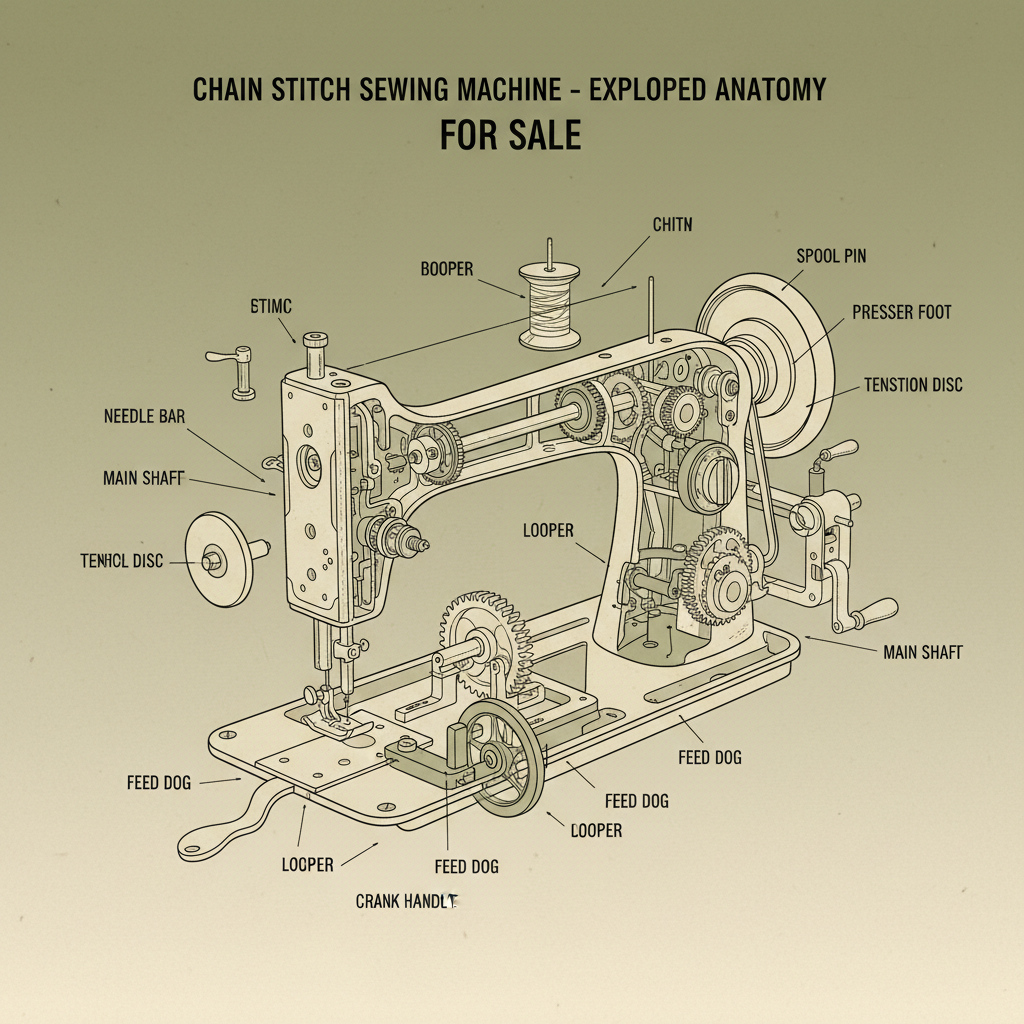
Table of Contents [Hide]
Industry Trends & Design Pitfalls
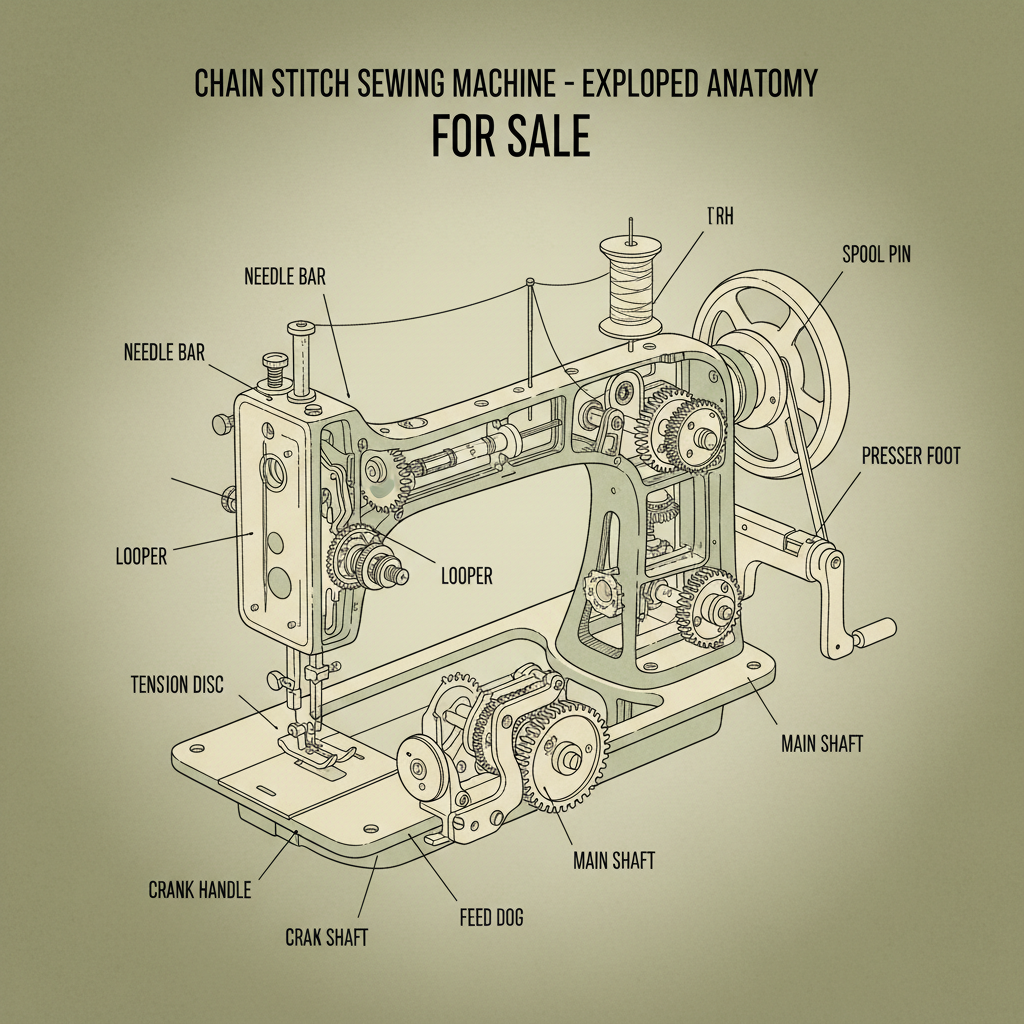
Have you noticed how everyone's obsessed with speed? They claim 800 stitches per minute is the magic number. But frankly, on a lot of thicker materials, that just leads to skipped stitches and broken needles. I’ve seen it happen countless times. A slightly slower, more robust machine will always outperform a fast, flimsy one in the long run. It's a trade-off.
Strangely, a common design pitfall I see is overly complicated threading mechanisms. They look impressive in the schematics, but in reality, they're a nightmare to adjust and maintain. Simple is often better, especially when you're dealing with operators who aren't engineers. I mean, who wants to spend half an hour re-threading a machine just to sew a straight line?
FAQS
What’s the biggest mistake people make when choosing a chain stitch sewing machine?
Honestly, it's thinking the cheapest option is the best. You end up with a machine that breaks down constantly, costing you more in repairs and downtime than a better-quality machine would have cost upfront. You get what you pay for, plain and simple. Look for solid construction, reputable brands, and good customer support. Don’t get caught up in the flashy features – focus on reliability. A machine that works is always better than a machine that looks fancy.
How often should I oil my chain stitch sewing machine?
I always tell people, before every shift. Seriously. It takes five minutes, and it can prevent a major breakdown. Check all the moving parts – the hook, the needle bar, the drive shaft – and apply a few drops of high-quality sewing machine oil. Don't overdo it, though. Too much oil can attract dust and create a sticky mess. A little bit, often, is the key. And clean it regularly, too!
What kind of materials can these machines handle?
Pretty much anything, to be honest. Canvas, denim, leather, upholstery fabrics, even some synthetic materials. It depends on the needle and thread you use, of course. A thicker material requires a heavier needle and a stronger thread. But a good chain stitch machine can tackle a surprisingly wide range of fabrics. I've even seen them used to sew Kevlar!
Is it difficult to learn how to operate a chain stitch sewing machine?
Not really, especially if you have some sewing experience. The basics are pretty straightforward. The biggest challenge is usually getting the tension right. It takes a little practice to find the sweet spot where the stitches are tight and secure but not too tight. But with a little patience and a good instruction manual, most people can pick it up pretty quickly.
What's the difference between a single chain stitch and a double chain stitch?
That’s a good question. A single chain stitch is just one thread forming loops, making it prone to unraveling if broken. A double chain stitch has two threads interlocked, providing much greater security. It's stronger and more resistant to unraveling. Double chain stitch is preferred for applications where durability is critical, like safety harnesses and industrial fabrics.
Where can I find spare parts for my machine?
That depends on the brand and model. I usually recommend contacting the manufacturer directly. They’ll be able to provide you with the correct parts and instructions. You can also try searching online, but be careful where you buy from. There are a lot of fake or low-quality parts out there. If you're not sure, it's always best to go with a reputable supplier.
Conclusion
We’ve covered a lot of ground here, from the latest industry trends to the nitty-gritty details of material selection and machine maintenance. Ultimately, choosing the right chain stitch sewing machine isn’t just about specs and features. It’s about understanding your needs, knowing your materials, and finding a machine that can withstand the rigors of real-world use.
The industry is constantly evolving, but some things never change. Reliability, durability, and ease of use will always be paramount. And remember, a well-maintained machine is a happy machine. If you're looking for a chain stitch sewing machine for sale that can deliver on all fronts, check out our website: www.longsew.com.
Related Posts
-
Unlock Sewing Potential How to Use Two Needles in Sewing Machine Effectively
-
Understanding fibc Sewing Machine Technology and Performance Considerations
-
Exploring the Versatility and Importance of the overlock chain stitch Technique
-
Exploring the Reliability of the Chain Stitch Sewing Machine and Its Applications
Updated:

Brian Rodriguez
Brian Rodriguez is the Logistics and Service Coordinator for LongSew in North America. He's responsible for managing parts fulfillment, scheduling service visits, and ensuring a smooth experience for customers requiring technical assistance. Brian excels at streamlining operations and maintaining a consistent supply of replacement parts. He understands the importance of