
0%
The ability to effectively utilize a sewing machine with two needles opens up a world of creative and functional possibilities in the realm of textile work. Understanding how to use two needles in sewing machine isn't simply about mastering a technique; it’s about unlocking enhanced speed, durability, and aesthetic detail in projects ranging from apparel to industrial applications. This skill empowers both hobbyists and professionals to tackle complex designs and achieve professional-quality results.
Globally, the demand for efficient and high-quality textile production is constantly growing. From fast fashion to specialized industrial fabrics, the ability to streamline sewing processes is crucial. How to use two needles in sewing machine addresses this need by significantly reducing production time for certain seams and decorative elements. This contributes to economic viability and competitiveness in a global market where speed and cost-effectiveness are paramount.
The growing DIY and maker movements also fuel the demand for understanding advanced sewing techniques. Individuals are increasingly interested in creating personalized, durable goods, and mastering how to use two needles in sewing machine empowers them to do so with greater precision and artistry.
Table of Contents [Hide]
The Fundamentals of Dual-Needle Sewing
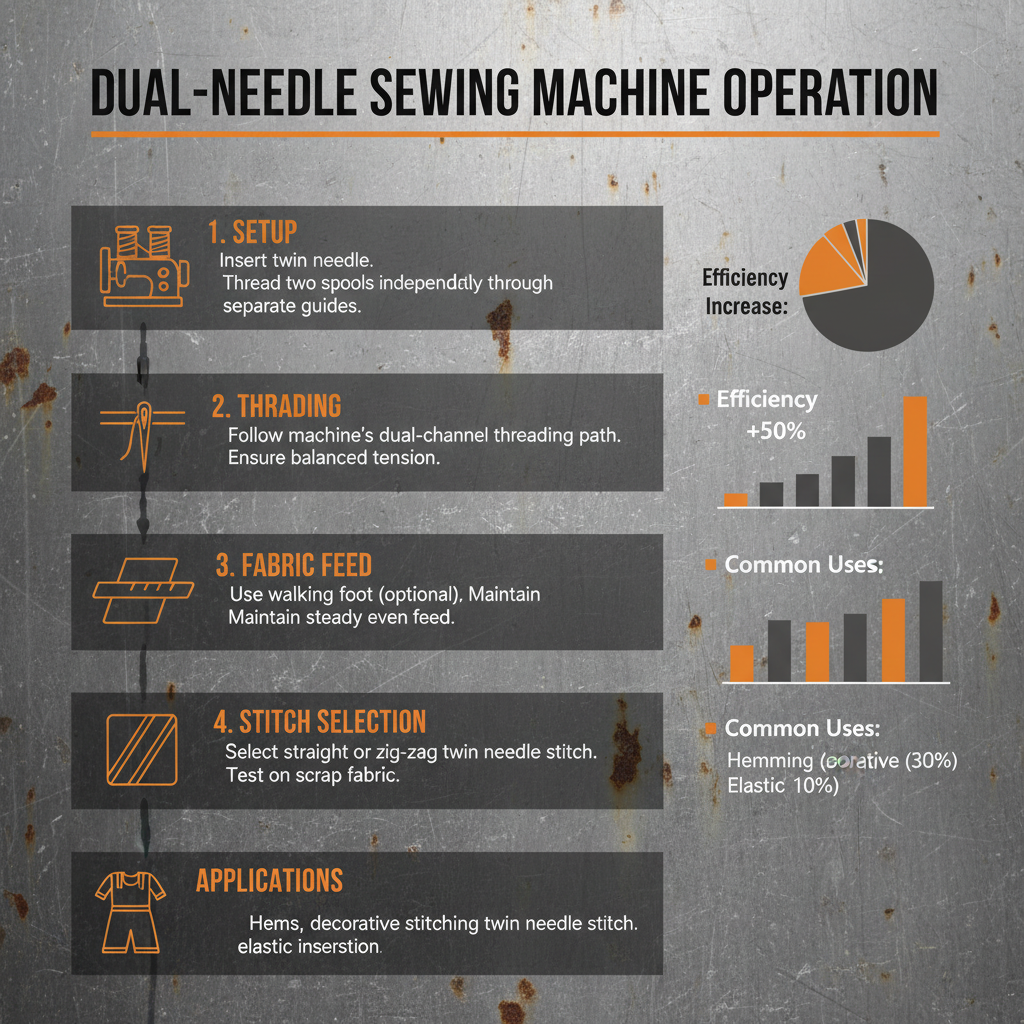
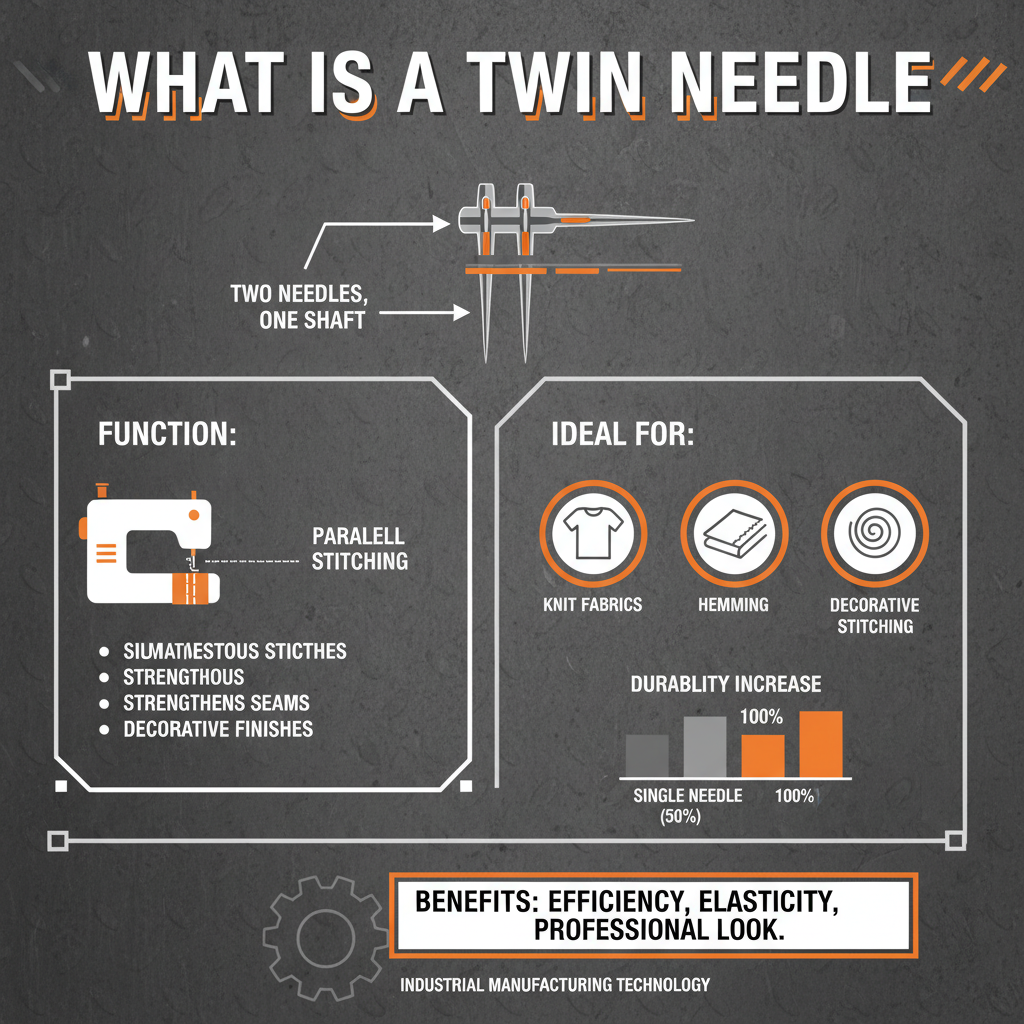
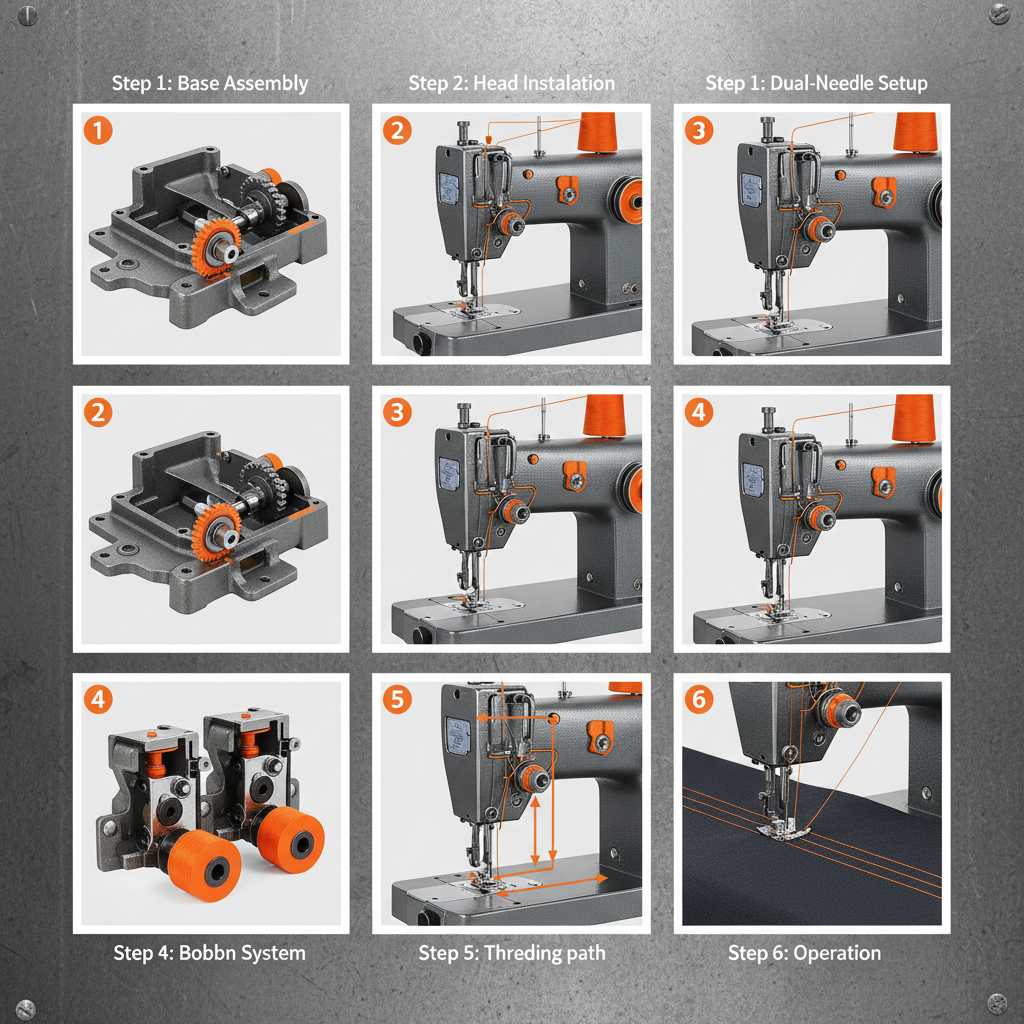
At its core, how to use two needles in sewing machine involves utilizing a specialized presser foot and two needles simultaneously to create parallel rows of stitching. This technique is particularly useful for applying decorative trim, creating parallel seams for increased strength, and producing unique textural effects. The spacing between the needles is adjustable, allowing for diverse design options.
Understanding the proper needle size and thread weight is crucial for successful dual-needle sewing. The needles must be the same size and type, and the thread should be compatible with both the fabric and the needles to prevent breakage or tension issues. Regular maintenance of the sewing machine, including cleaning and oiling, is also essential for optimal performance.
FAQS
What sewing machine features are essential for effectively using two needles?
To successfully utilize two needles, your sewing machine must be capable of accommodating a dual-needle system. This generally means having a wider needle plate and the ability to adjust the needle spacing. Check your machine's manual to confirm compatibility. Additionally, a drop-in bobbin system often performs more reliably with dual needles than front-loading systems. The machine also needs sufficient power to drive two needles through fabric without stalling.
What type of fabric is best suited for dual-needle sewing?
Woven fabrics, such as cotton, linen, and denim, generally work best with dual-needle sewing due to their stability. However, with the right techniques and tools, you can also successfully sew with knit fabrics. Using ballpoint needles and a walking foot can help prevent puckering and ensure even stitching. Lighter-weight knits are easier to manage than very stretchy materials.
How do I prevent thread breakage when using two needles?
Thread breakage is a common issue with dual-needle sewing. To prevent it, ensure you're using high-quality thread that is compatible with your fabric and needles. Verify that both needles are the same size and type. Correct tension settings are crucial; test different tensions until you achieve a balanced stitch. Regularly clean and oil your sewing machine to ensure smooth operation.
What is the purpose of a dual-needle presser foot?
A dual-needle presser foot is specifically designed to accommodate two needles simultaneously. It features a wider throat and often has grooves or channels to guide the needles and prevent them from colliding. Using the correct presser foot is essential for accurate and even stitching when working with two needles. Trying to use a standard presser foot can damage the needles or the machine.
Can I use different sizes of needles when doing dual-needle sewing?
No, you should always use needles of the same size and type when dual-needle sewing. Using different sizes will result in uneven stitching, potential thread breakage, and could even damage your machine. Consistent needle size ensures that both needles penetrate the fabric equally, creating a balanced and professional-looking seam.
What are the common applications of decorative stitching with a dual needle?
Decorative stitching with a dual needle is popular for embellishing garments, home décor, and accessories. Common applications include creating parallel rows of embroidery-like designs, applying decorative trim and ribbons, adding texture to fabric, and creating unique quilted effects. It's frequently used in fashion design, quilting, and crafting projects to add a personalized touch.
Conclusion
Mastering how to use two needles in sewing machine unlocks a realm of creative and practical possibilities for both home sewers and industry professionals. From increased efficiency and enhanced durability to intricate decorative details, the benefits are numerous. Understanding the essential equipment, proper techniques, and potential challenges is key to achieving professional-quality results.
As technology continues to advance, expect to see further innovations in dual-needle sewing, driven by automation, sustainable practices, and a growing demand for personalized textiles. By embracing these advancements and continuing to refine your skills, you can stay at the forefront of this dynamic and evolving field. Visit our website at www.longsew.com to explore our range of sewing machines and accessories.
Updated:

David Chen
David Chen serves as the Technical Support Engineer for LongSew's US operations. He brings a strong background in mechanical engineering and a dedication to ensuring seamless operation of LongSew machinery for all customers. David specializes in troubleshooting, preventative maintenance, and training on the company’s complete range of bag sewing and