

0%
The 2 thread chain stitch is a fundamental sewing technique with a surprisingly broad range of applications, from garment construction to industrial textiles. Its inherent strength and relative simplicity make it a versatile choice for numerous manufacturing processes. Understanding the nuances of this stitch—its strengths, limitations, and modern adaptations—is crucial for professionals in fields ranging from fashion design and apparel production to upholstery, automotive manufacturing, and even specialized areas like medical textiles. The ability to efficiently and reliably create a robust seam is paramount in these industries, and the 2 thread chain stitch consistently delivers on this front.
Globally, the demand for efficient and cost-effective joining methods in textiles continues to grow. The textile industry, a major employer worldwide, according to the United Nations Comtrade database, sees constant innovation in sewing technologies. The 2 thread chain stitch, while seemingly basic, remains a cornerstone of many production lines due to its speed and adaptability. It addresses the challenge of needing a strong, yet flexible, seam that can withstand repeated stress, making it ideal for garments requiring stretch or frequent washing. This explains its continued prevalence even with the emergence of more complex stitching options.
Furthermore, the 2 thread chain stitch plays a critical role in fast fashion and mass production, where speed and cost efficiency are paramount. Its adaptability to various fabric types and machine capabilities makes it a popular choice for manufacturers globally, contributing significantly to the supply chains that deliver clothing to consumers worldwide.
Table of Contents [Hide]
Introduction to the 2 thread chain stitch
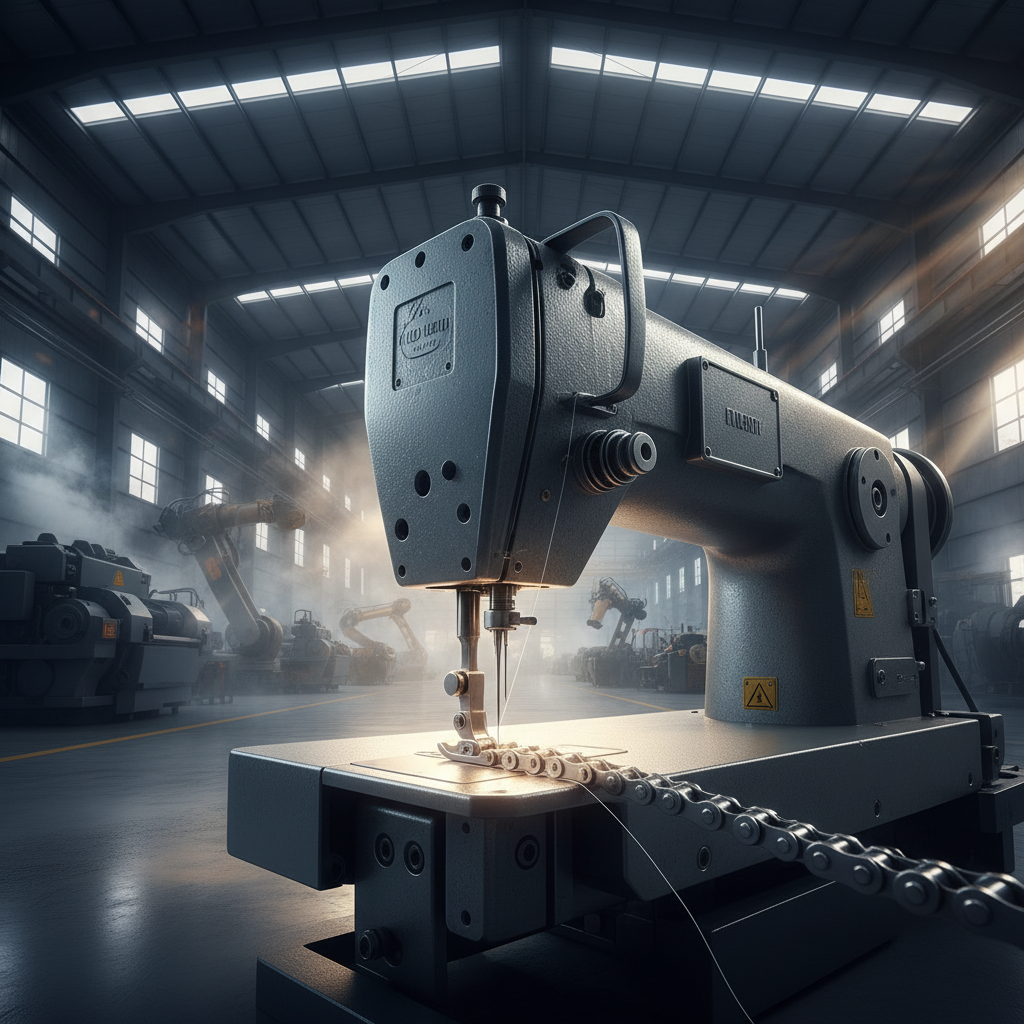
The 2 thread chain stitch is a looped stitch formed by interlacing two threads, creating a chain-like appearance on the underside of the fabric. This method is renowned for its speed and efficiency, making it a staple in mass production environments.
Its popularity stems from its ability to quickly and securely join fabric layers, proving particularly suitable for garments experiencing repeated stretching or washing. This technique is readily adaptable to a wide array of fabrics, further solidifying its place as a core stitching method within the textile industry.
FAQS
What is the primary advantage of using a 2 thread chain stitch over a traditional lockstitch?
The 2 thread chain stitch is significantly faster than a traditional lockstitch, making it ideal for mass production scenarios. While a lockstitch offers greater seam strength, the speed advantage of the chain stitch often outweighs this consideration in applications where high volume is prioritized. It’s a trade-off between robust strength and production efficiency, frequently leaning towards efficiency in many garment manufacturing situations.
Is the 2 thread chain stitch suitable for all types of fabrics?
While versatile, the 2 thread chain stitch isn't ideal for all fabrics. It performs best on knit and lightweight woven materials. Very heavy or rigid fabrics may require a stronger stitching method like a lockstitch or specialized industrial stitches. Consider the fabric weight and intended stress on the seam when selecting a stitching technique.
What causes the chain stitch to unravel if broken, and how can this be prevented?
Because the 2 thread chain stitch relies on a continuous loop, breaking the chain anywhere along the seam will cause it to unravel. This can be prevented by securing the ends of the seam with back-tacking, overlocking, or other finishing techniques. Modern machines often have automatic features to prevent chain breakage.
How important is thread quality when using a 2 thread chain stitch?
Thread quality is crucial. Using a high-quality, strong thread will significantly improve the durability and reliability of the seam. Lower quality threads are more prone to breakage and can compromise the integrity of the entire stitch line. Consider the material being sewn and choose a thread appropriate for that fabric type.
What maintenance is required to keep a 2 thread chain stitch machine functioning optimally?
Regular maintenance is key. This includes cleaning the machine to remove lint and debris, lubricating moving parts, and checking the tension settings. Routine inspections and adjustments performed by a trained technician will help prevent issues and ensure consistent stitch quality.
How does automation impact the use of the 2 thread chain stitch in manufacturing?
Automation dramatically increases the efficiency and precision of the 2 thread chain stitch. Computer-controlled machines can maintain consistent tension, detect thread breakage, and even self-adjust settings, minimizing errors and maximizing production output. The integration of robotics further streamlines the process.
Conclusion
The 2 thread chain stitch remains a remarkably relevant and valuable sewing technique in today's textile industry. Its speed, adaptability, and cost-effectiveness continue to make it a preferred choice for a wide range of applications, from garment production to upholstery. Understanding the nuances of this stitch, its strengths, and limitations, allows manufacturers to optimize their processes and deliver high-quality products efficiently.
Looking ahead, continued advancements in machine technology and automation promise to further enhance the capabilities of the 2 thread chain stitch. By embracing these innovations and focusing on quality control, manufacturers can unlock even greater potential and maintain a competitive edge in the ever-evolving textile market. For more information on our advanced sewing solutions, visit our website: www.longsew.com
Related Posts
-
The Indispensable Double Needle Machine for Robust Construction Projects
-
Robust 50 kg Jute Bag Making Machine Solutions for Efficient Packaging
-
Can You Use a Double Needle on Any Sewing Machine A Comprehensive Guide
-
Understanding the Intricacies of the Global Sewing Machine Chain for Efficient Manufacturing
Updated:

Kevin Wilson
Kevin Wilson is LongSew’s Product Specialist, focusing on the pattern sewing machine and new automated sewing systems. With a background in textile engineering, Kevin's role is to highlight LongSew's expanding product line and its application to new and emerging markets. He’s deeply involved in product development feedback and testing, ensuring