0%

Table of Contents

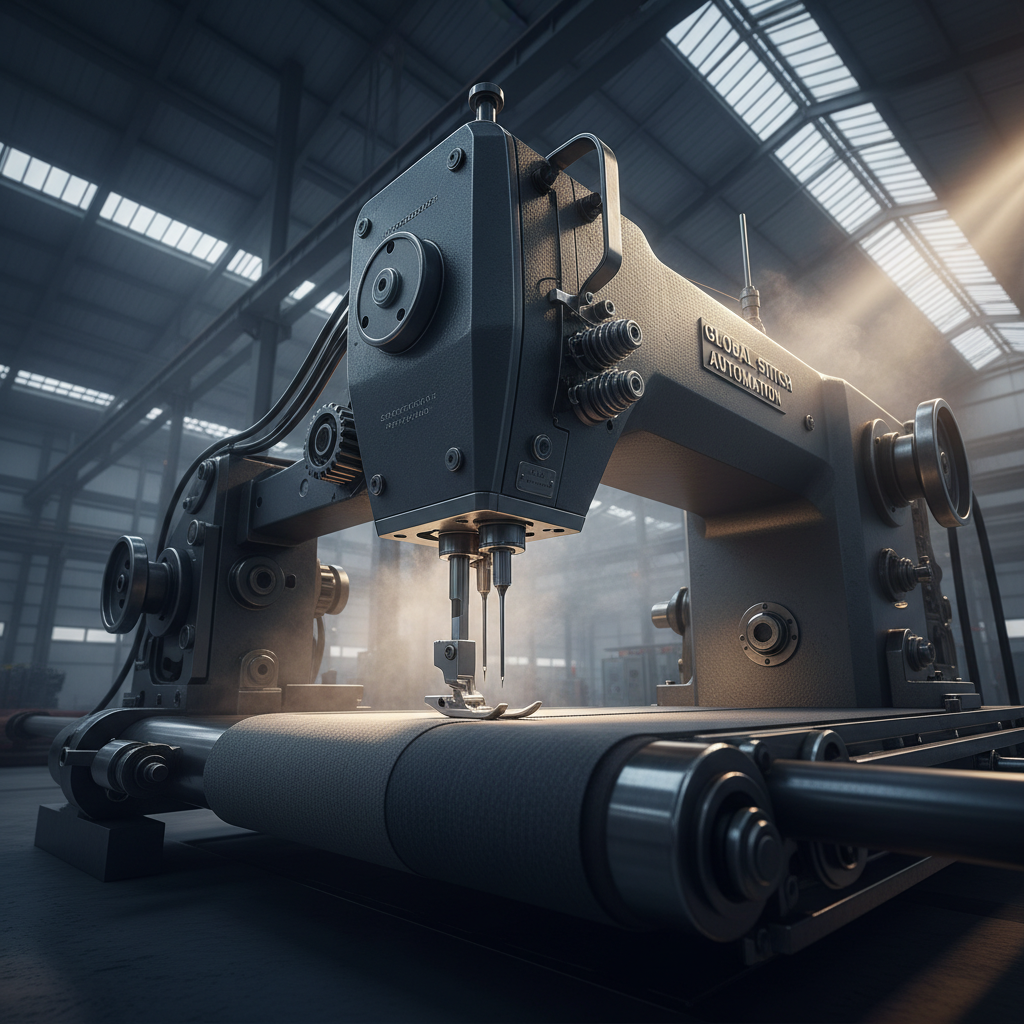
The 2 needle chain stitch is a robust and efficient method of joining fabric or materials, finding applications across diverse industries from apparel manufacturing to industrial textiles. Its unique interlocking loop structure provides exceptional seam strength, making it ideal for products requiring durability and longevity. Understanding the nuances of this stitch – its formation, variations, and applications – is crucial for professionals in design, production, and quality control.

Globally, the demand for reliable and cost-effective joining techniques is ever-increasing, driven by fast fashion, growing infrastructure projects, and the need for resilient industrial materials. The 2 needle chain stitch directly addresses this demand by offering a fast, secure, and relatively simple method for creating strong seams. Statistics from the textile machinery industry reveal consistent growth in demand for machines capable of performing this stitch, indicating its ongoing relevance in global manufacturing.

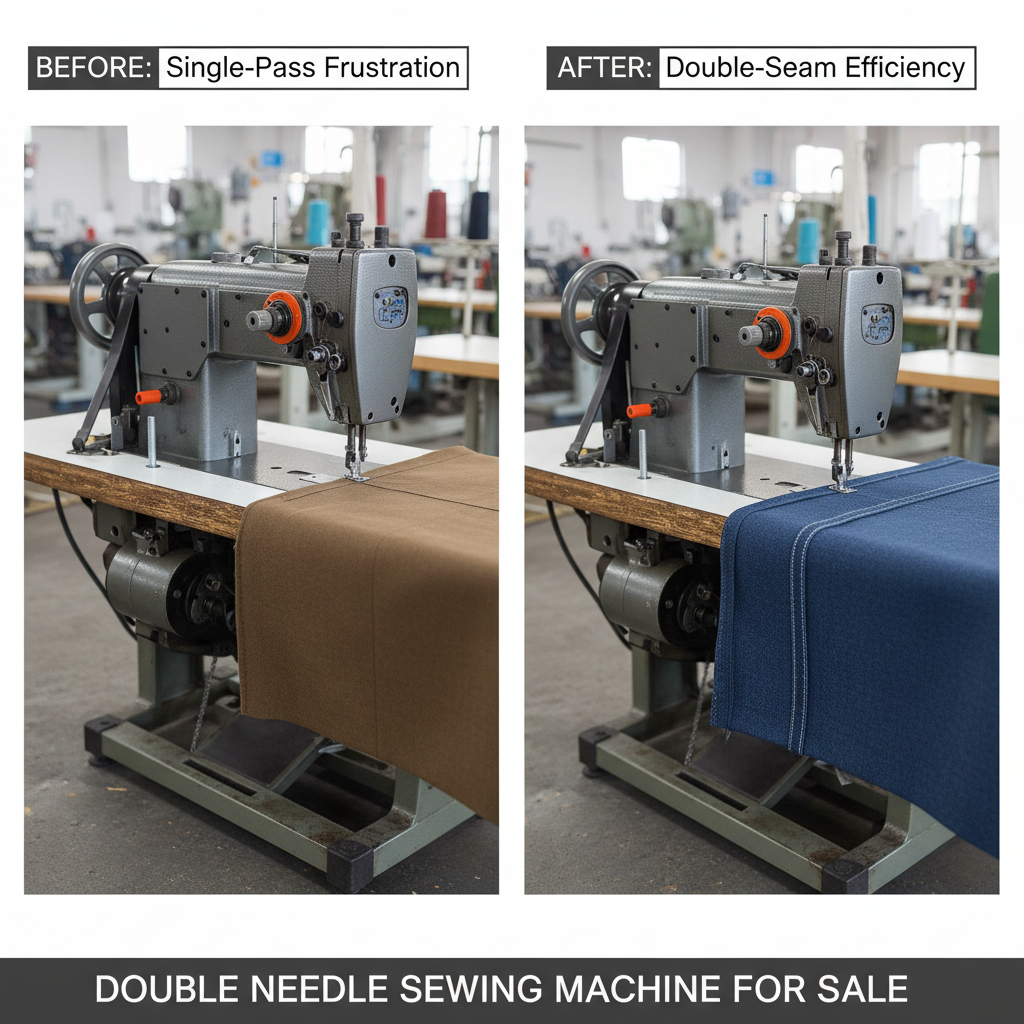
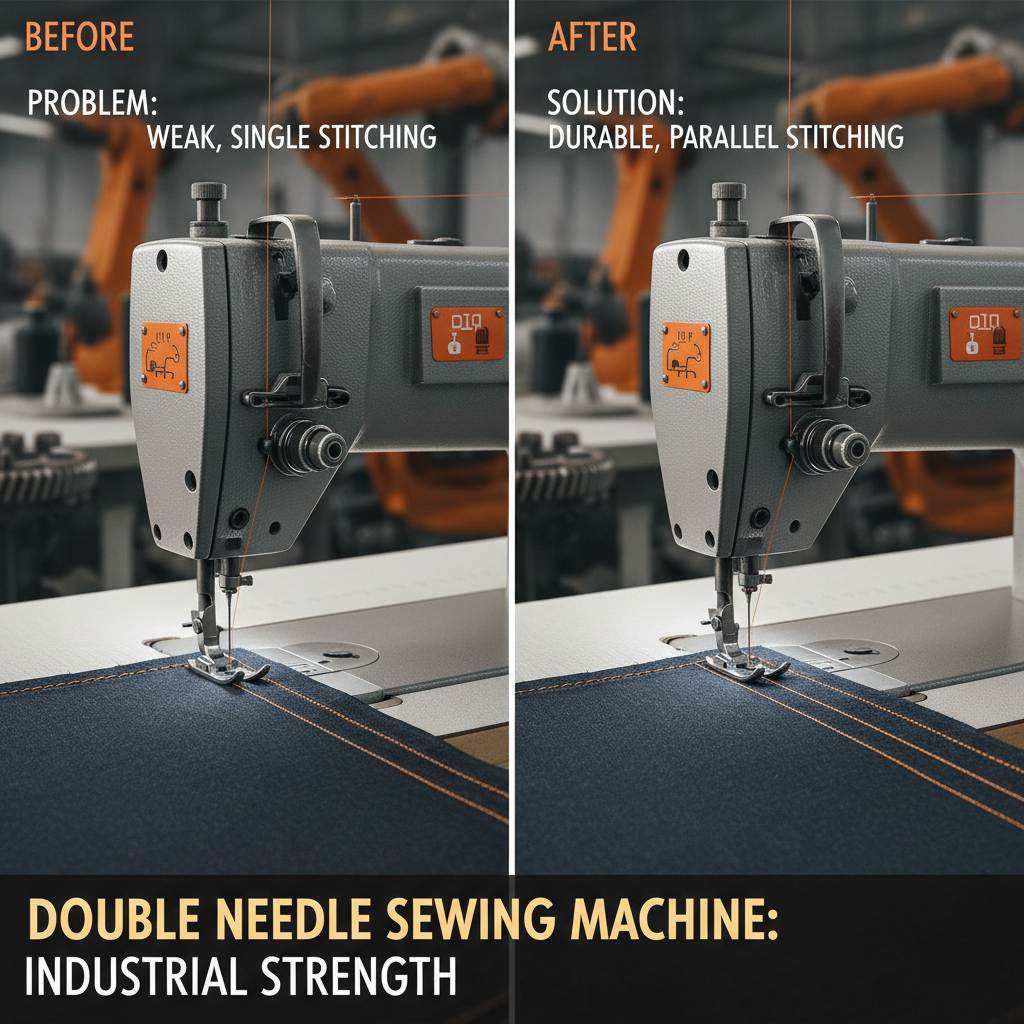
This technique offers a significant advantage over single-needle stitching, especially when dealing with heavier materials or applications requiring greater seam security. The interlocking nature of the chain stitch ensures that even if a portion of the seam is broken, the entire seam will not unravel, a characteristic vitally important in industries like automotive and upholstery. Exploring the intricacies of the 2 needle chain stitch unlocks a deeper appreciation for its practical applications and engineering principles.
Exploring the Applications and Benefits of the 2 Needle Chain Stitch

Introduction to 2 needle chain stitch

Exploring the Applications and Benefits of the 2 Needle Chain Stitch

The 2 needle chain stitch is a fundamental technique in textile engineering, valued for its speed, strength, and versatility. It’s used extensively in the production of clothing, upholstery, and various industrial textiles. This stitch's structure, formed by interlocking loops created by two needles, provides a secure and durable seam, far exceeding the capabilities of basic overlock stitching in many applications.

Its broad applicability stems from its adaptability to a wide range of fabrics, from lightweight wovens to heavy-duty materials like canvas and leather. Mastering the 2 needle chain stitch is essential for textile professionals seeking to produce high-quality, long-lasting products that meet demanding industry standards.

Defining the 2 needle chain stitch

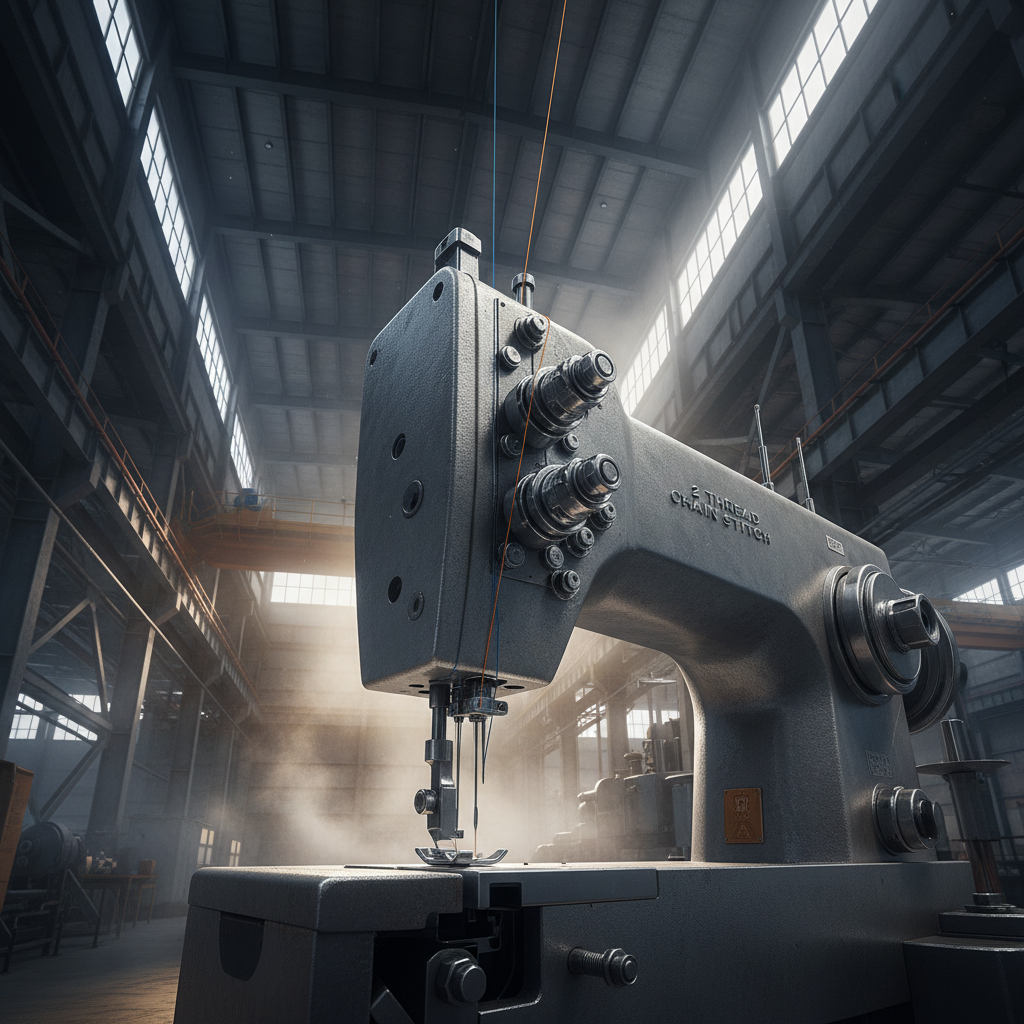
The 2 needle chain stitch is a lockstitch formed on a sewing machine utilizing two needles simultaneously. These needles create a series of interlocking loops on the underside of the fabric, resembling a chain. Unlike a traditional lockstitch which has a knotted thread at each stitch, the 2 needle chain stitch relies on the interlooping of the threads to secure the seam. This method results in a seam that is not only strong but also relatively elastic, allowing for movement and flexibility.

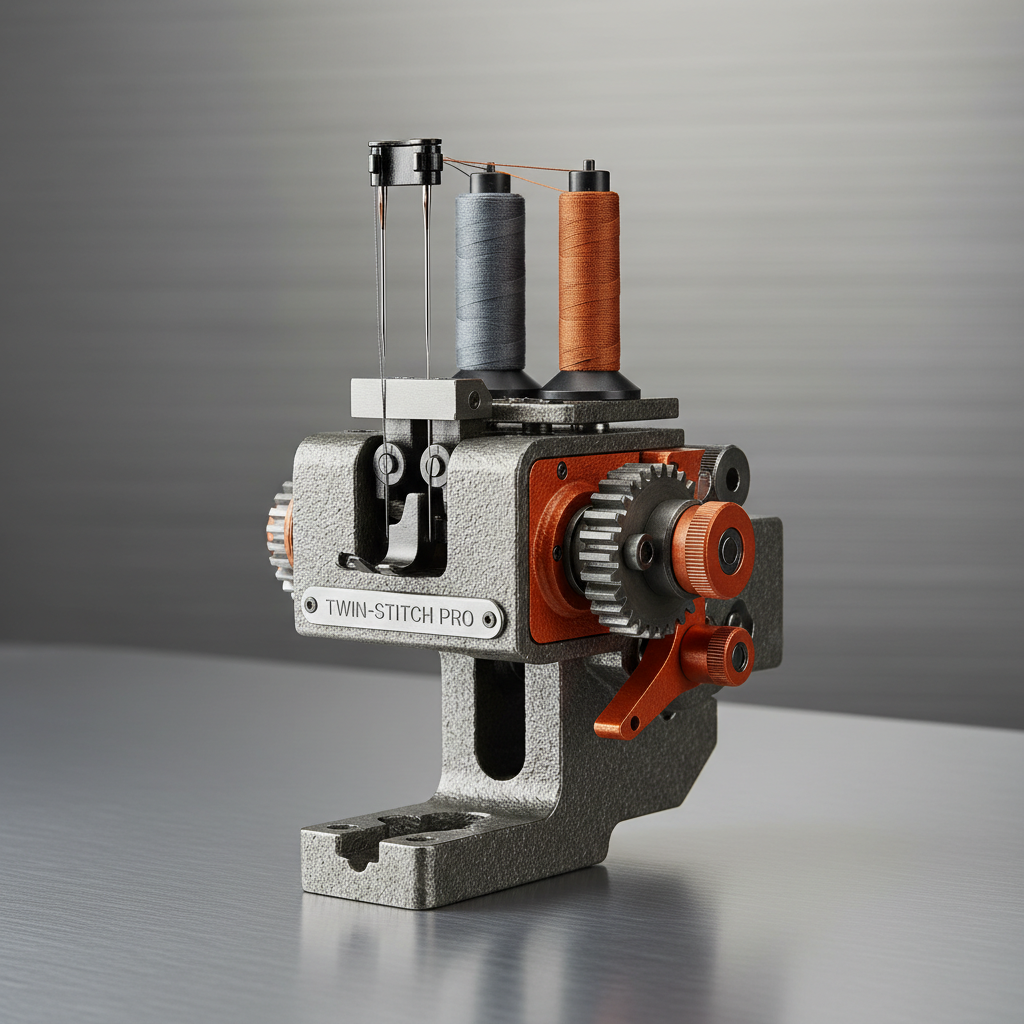
The process involves feeding the fabric between a feed dog and a presser foot, while two needles penetrate the material, creating loops that are then interlocked by a looper below the fabric. This looper, crucial to the stitch formation, pulls the thread from one needle through the loop of the other, creating the characteristic chain-like structure. 2 needle chain stitch machines are specifically designed to accommodate this dual-needle operation.

Its connection to modern industry lies in its efficiency and cost-effectiveness. Production facilities utilizing 2 needle chain stitch machines can achieve higher throughput compared to traditional single-needle stitching, making it a preferred choice for mass production environments.

Key Characteristics of the Stitch

One of the most prominent characteristics of the 2 needle chain stitch is its strength. The interlocking loops distribute stress evenly across the seam, reducing the risk of unraveling even if one section is damaged. This is crucial in applications where seam integrity is paramount, such as in workwear or safety equipment.

Another key characteristic is its speed. Because two needles are operating simultaneously, the stitch formation is significantly faster than single-needle stitching, resulting in increased production efficiency. This is a major advantage in industries with tight deadlines and high-volume output requirements.

Furthermore, the stitch exhibits a degree of elasticity. While not as stretchy as some other stitch types, the interlooping structure allows for a certain amount of give, making it suitable for garments and products that require some flexibility and comfort.

Performance and Durability Aspects

The durability of a 2 needle chain stitch seam is directly related to several factors, including the thread type, needle size, stitch density, and the fabric being used. Heavier threads and denser stitch patterns generally result in stronger seams. The choice of needle is also critical; selecting the appropriate needle type for the fabric minimizes damage and ensures proper loop formation.

Performance-wise, 2 needle chain stitch excels in applications requiring resistance to abrasion and tearing. The double-needle construction creates a seam that is more resistant to wear and tear compared to single-needle stitches. This makes it a common choice for items subjected to frequent use or harsh environmental conditions.

2 needle chain stitch Seam Strength Comparison


Global Applications and Industries

The 2 needle chain stitch is widely utilized across numerous industries worldwide. In the apparel sector, it is commonly used for constructing jeans, workwear, and athletic clothing, where durability is paramount. In the automotive industry, it's found in seat covers and interior upholstery, requiring resistance to abrasion and wear.

The upholstery and furniture industries heavily rely on the 2 needle chain stitch for creating robust and long-lasting seams in sofas, chairs, and other upholstered items. In post-disaster relief operations, this stitch finds application in the manufacturing of durable shelters and tarpaulins. Additionally, it’s a staple in the production of industrial textiles like conveyor belts and safety nets.

Advantages and Long-Term Value

The advantages of utilizing the 2 needle chain stitch are numerous. From a cost perspective, the increased speed of production translates into lower labor costs and higher output. The durability of the stitch reduces the need for frequent repairs or replacements, extending the lifespan of the product. This inherent longevity contributes to sustainability, minimizing waste and promoting responsible consumption.

From a safety standpoint, the strength of the seam ensures that products withstand demanding use without failing. This is particularly crucial in workwear and safety equipment, where seam failure could have serious consequences. The inherent reliability of the 2 needle chain stitch fosters trust and confidence in the products manufactured using this technique.

Future Trends and Innovations

Future trends in 2 needle chain stitch technology are focused on automation and precision. Advanced sewing machines incorporating robotic arms and computer-controlled stitch parameters are being developed to further enhance efficiency and quality. The integration of sensors and data analytics allows for real-time monitoring of stitch performance, enabling proactive maintenance and reducing downtime.

Sustainable materials and eco-friendly thread options are also gaining prominence. The demand for textiles made from recycled materials is driving innovation in thread manufacturing, leading to the development of high-performance threads that minimize environmental impact. Furthermore, research into new looper designs promises to improve stitch formation and reduce thread consumption.

Digital transformation within the textile industry is also playing a vital role. Software solutions for pattern making and automated cutting, integrated with 2 needle chain stitch machines, streamline the production process and reduce material waste.

Summary of Challenges and Solutions for 2 needle chain stitch

Challenge Impact on 2 needle chain stitch Quality Potential Solution Implementation Cost (1-10)
Thread Breakage Reduced seam strength, production delays Automated thread tension control, higher quality thread 6
Needle Damage Skipped stitches, fabric damage Regular needle replacement, use of appropriate needle types 2
Inconsistent Stitch Density Uneven seam appearance, reduced durability Computerized stitch length control 7
Fabric Puckering Distorted garment shape, reduced aesthetic appeal Adjusting presser foot pressure, using walking foot attachments 3
Looper Timing Issues Improper loop formation, weak seams Regular machine maintenance and calibration 5
Operator Skill Gap Inconsistent stitch quality, increased errors Comprehensive operator training programs 4

FAQS

What are the main differences between a 2 needle chain stitch and a standard lockstitch?

The primary difference lies in the stitch formation. A standard lockstitch creates a knot with each stitch, providing a secure but slower process. The 2 needle chain stitch, conversely, forms interlocking loops with two needles simultaneously, resulting in a faster, more elastic seam. While both are strong, the chain stitch's structure makes it less prone to unraveling entirely if a section breaks. The chain stitch typically requires less thread and is faster for long, continuous seams.

What types of fabrics are best suited for a 2 needle chain stitch?

The 2 needle chain stitch works well on a wide range of fabrics, from lightweight wovens to heavier materials like denim, canvas, and upholstery fabrics. However, it’s generally not recommended for extremely delicate or stretchy fabrics, as the needle penetration could cause damage. Medium to heavy-weight fabrics benefit the most from its strength and speed. Consider the fabric's weight and weave when selecting the appropriate needle type and stitch density.

How often should the needles be replaced on a 2 needle chain stitch machine?

Needle replacement frequency depends on usage and fabric type. As a general rule, needles should be replaced every 8-10 hours of operation, or more frequently if sewing through dense or abrasive materials. Dull or damaged needles can cause skipped stitches, fabric damage, and even machine malfunction. Regularly inspect needles for wear and tear, and replace them proactively to maintain stitch quality and machine performance.

What are some common troubleshooting steps for a 2 needle chain stitch machine?

Common issues include thread breakage, skipped stitches, and uneven stitching. For thread breakage, check thread tension, needle condition, and the threading path. Skipped stitches can be caused by a bent or dull needle, incorrect needle size, or improper looper timing. Uneven stitching may indicate incorrect stitch length settings or feed dog issues. Consult the machine's manual for detailed troubleshooting steps.

Is the 2 needle chain stitch suitable for high-volume production?

Yes, the 2 needle chain stitch is exceptionally well-suited for high-volume production. Its speed and efficiency significantly outperform traditional single-needle stitching, allowing for increased output with lower labor costs. Modern machines are designed for continuous operation and can handle large production runs with minimal downtime. It's a staple in mass production environments across various industries.

What is the role of the looper in a 2 needle chain stitch machine?

The looper is a critical component of the 2 needle chain stitch machine. Its primary function is to interlock the loops created by the two needles, forming the characteristic chain-like structure of the stitch. The looper moves in a specific pattern, picking up thread from each needle and drawing it through the loop of the other, creating a secure and continuous seam. Proper looper timing is essential for achieving optimal stitch formation.

Conclusion

In conclusion, the 2 needle chain stitch represents a powerful and versatile technique in the realm of textile manufacturing. Its combination of speed, strength, and adaptability makes it a cornerstone of industries ranging from apparel to automotive. Understanding its principles and applications is crucial for professionals seeking to optimize production processes and deliver high-quality, durable products.

Looking ahead, the continued integration of automation, sustainable materials, and digital technologies will further enhance the capabilities of the 2 needle chain stitch. Investing in advanced machinery, comprehensive operator training, and ongoing research and development will unlock even greater potential for this fundamental stitch, ensuring its continued relevance in a rapidly evolving global market. For more information and to explore our range of 2 needle chain stitch machines, visit our website: www.longsew.com.
Brian Rodriguez

Brian Rodriguez

Brian Rodriguez is the Logistics and Service Coordinator for LongSew in North America. He's responsible for managing parts fulfillment, scheduling service visits, and ensuring a smooth experience for customers requiring technical assistance. Brian excels at streamlining operations and maintaining a consistent supply of replacement parts. He understands the importance of

Previous Exploring the Versatility of the 2 Thread Chain Stitch in Modern Textiles
Next The Essential Role of the Industrial Chain Stitch Sewing Machine in Modern Manufacturing