

0%
The question of whether you can use a double needle on any sewing machine is a common one among sewing enthusiasts, from beginners to professionals. It delves into the capabilities of different machine types, the potential for damage, and ultimately, achieving specialized stitching results. Understanding this isn’t merely about technical specifications; it impacts project quality, creative possibilities, and the longevity of your sewing investment. Mastering this knowledge empowers seamstresses and tailors to tackle a wider range of projects with confidence.
The global textile industry, valued at over $936.8 billion in 2023 (Statista), relies heavily on efficient and specialized stitching techniques. From mass-produced garments to bespoke creations, the ability to utilize double needles for features like parallel stitching, decorative effects, and increased seam strength is crucial. The UN Sustainable Development Goal 8 (Decent Work and Economic Growth) is also indirectly impacted, as access to tools and techniques like double needle sewing contributes to skilled employment and higher quality products in developing nations.
The demand for faster production, enhanced product quality, and unique aesthetic finishes drives the need to understand the compatibility of double needles with various sewing machines. Addressing the challenge of ensuring proper stitch formation and avoiding machine damage when using a double needle is vital for both home sewers and industrial manufacturers. Therefore, a clear understanding of the intricacies surrounding can you use a double needle on any sewing machine is incredibly relevant in today's market.
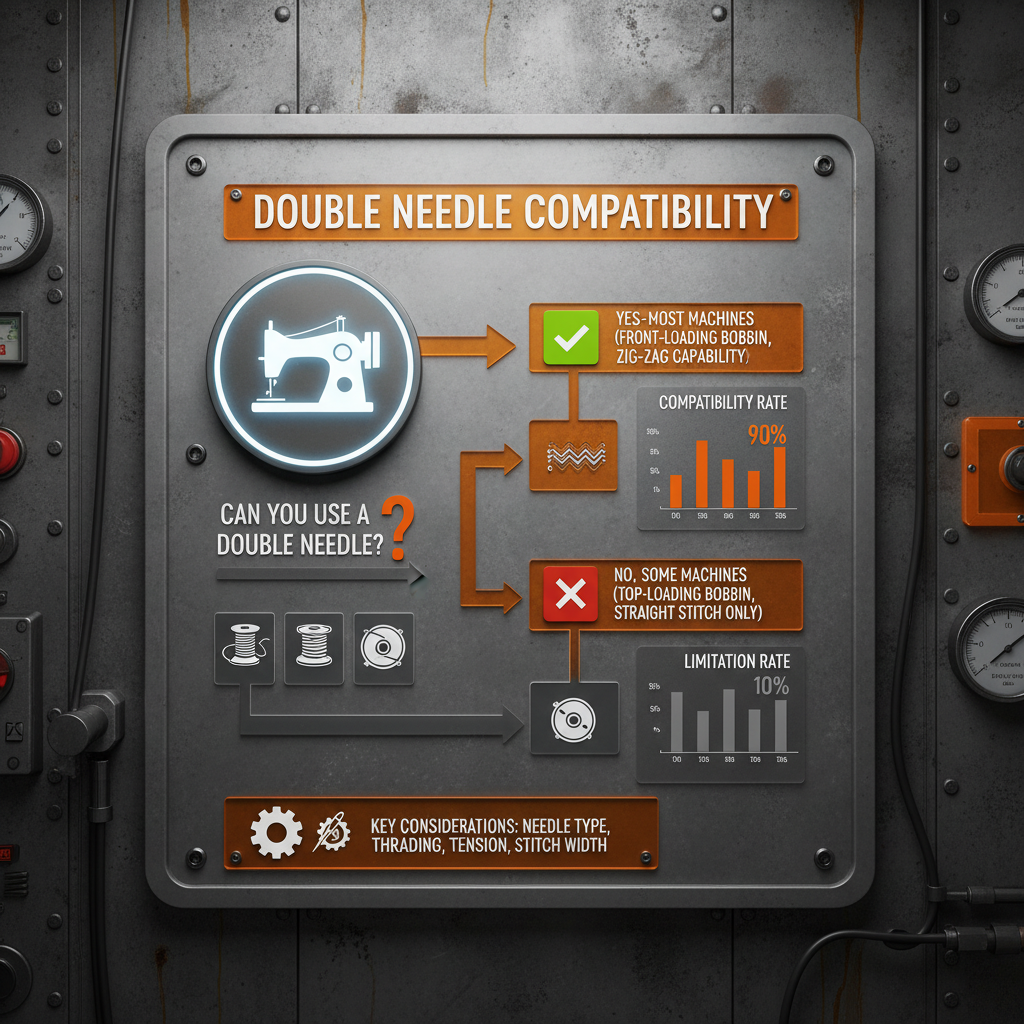
Table of Contents [Hide]
The Importance of Double Needle Compatibility
Understanding whether you can use a double needle on any sewing machine begins with recognizing the crucial role of compatibility. Not all machines are built to accommodate the wider width and specific mechanics required by a double needle. Attempting to use one on an incompatible machine can result in skipped stitches, broken needles, and even internal damage to the sewing machine.
This is especially important because double needle sewing offers unique aesthetic and functional benefits, such as creating professional-looking parallel stitching on garments or adding decorative elements to home decor projects. Knowing your machine's limitations is therefore essential for achieving the desired results without risking costly repairs.
FAQS
What types of sewing machines are generally compatible with double needles?
Generally, industrial sewing machines and many modern home sewing machines with a wider needle plate and adjustable needle bar height are compatible with double needles. However, older or basic models may not be. Always consult your machine’s manual to confirm compatibility. Machines designed for heavier fabrics are typically better suited for twin needle sewing due to their stronger motors and more robust construction. It’s also important to check the recommended needle size for your specific machine.
Can I use any type of thread with a double needle?
While you can technically use various thread types, it’s crucial to choose threads of similar weight and material. Using mismatched threads can lead to uneven tension and thread breakage. Polyester and cotton-wrapped polyester threads are commonly recommended for double needle sewing due to their strength and durability. Always test the thread combination on a scrap fabric before starting your project to ensure proper stitch formation.
What happens if I try to use a double needle on a machine not designed for it?
Attempting to use a double needle on an incompatible machine can cause significant damage. The increased width of the double needle can interfere with the needle bar mechanism, potentially bending or breaking the needles, damaging the needle plate, and even causing internal motor strain. It’s always best to err on the side of caution and consult your machine’s manual before attempting to use a double needle.
How do I adjust the tension when using a double needle?
Adjusting the tension is crucial for achieving balanced stitches when using a double needle. You may need to slightly loosen both the upper and lower tension settings compared to single needle sewing. Test the stitch tension on a scrap fabric and make small adjustments until the stitches appear even and balanced on both sides. It may require a bit of trial and error to find the optimal settings for your specific machine and thread combination.
Are special presser feet required for double needle sewing?
In some cases, yes. A straight stitch presser foot with a wider needle opening is often recommended to accommodate the two needles. This prevents the needles from hitting the presser foot and ensures smooth fabric feeding. While not always essential, using the correct presser foot can significantly improve the quality and ease of your double needle sewing.
What are the common applications of double needle stitching in garment construction?
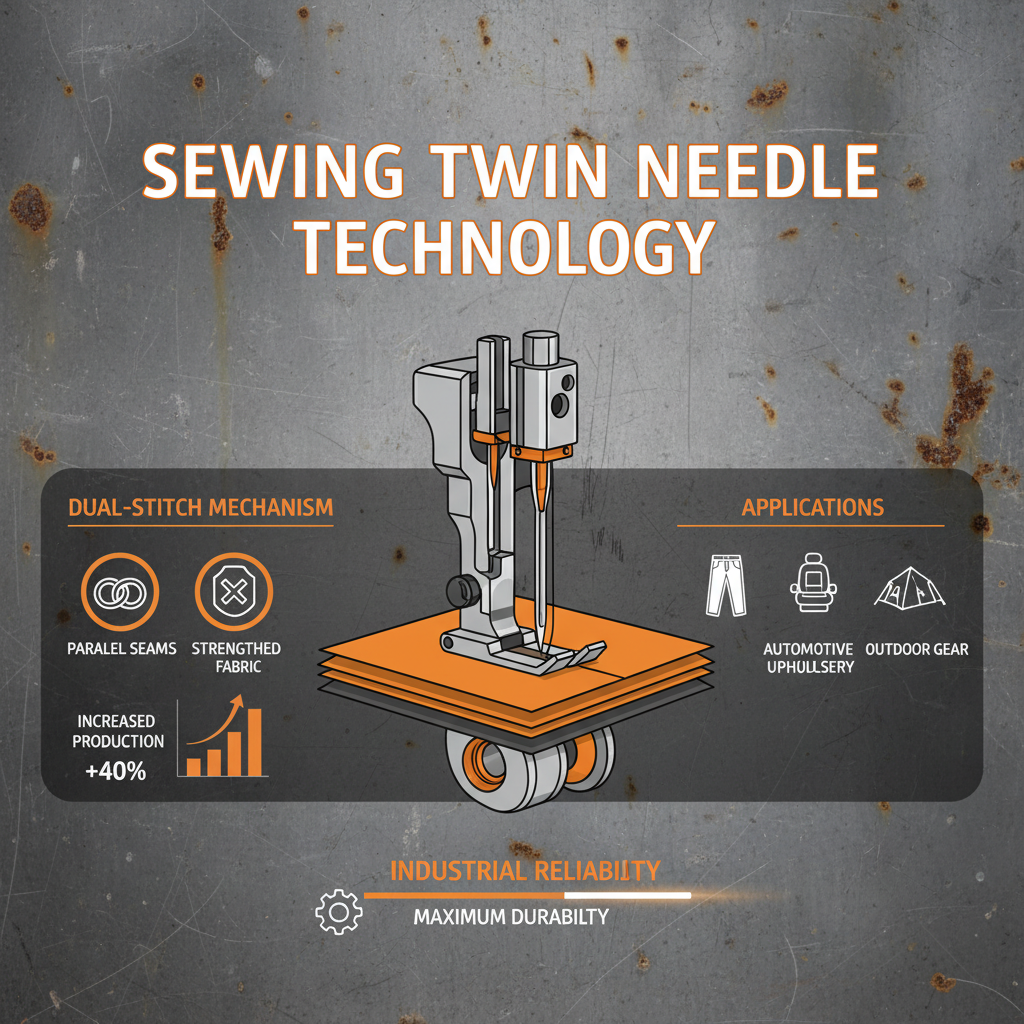
Double needle stitching is frequently used in garment construction for creating durable and decorative seams. Common applications include topstitching on jeans, creating parallel lines on activewear, and reinforcing seams on children’s clothing. It's also used for decorative effects on dress shirts, creating a professional and polished finish. The technique adds both aesthetic appeal and structural integrity to the garment.
Conclusion
In conclusion, determining whether you can use a double needle on any sewing machine is a nuanced question with no simple “yes” or “no” answer. Compatibility hinges on the machine's design, mechanical capabilities, and adherence to manufacturer guidelines. Mastering this understanding unlocks a realm of creative possibilities, enabling enhanced seam strength, distinctive aesthetics, and professional-quality finishes. Successfully employing a double needle is not just about technique but ensuring the longevity of your machine.
Looking ahead, advancements in sewing machine technology promise even greater compatibility and automation in double needle sewing. Continued innovation in needle materials and machine controls will further expand the applications and ease of use. We encourage you to explore the capabilities of your sewing machine and, if you're unsure, consult a professional sewing machine technician. Visit our website at www.longsew.com to learn more about sewing machine accessories and resources.
Related Posts
-
Understanding Twin Needles A Comprehensive Guide to Sewing Techniques and Applications
-
Advanced Jumbo Bag Stitching Machine Technology for Efficient Packaging Solutions
-
Exploring the Applications and Benefits of the 2 Needle Chain Stitch
-
The Essential Guide to Sewing Twin Needles for Enhanced Textile Manufacturing
Updated:

Robert Miller
Robert Miller is the North American Sales Manager at Hebei LongSew Machinery Technology Co. Ltd. With over 15 years of experience in the industrial sewing machine market, Robert focuses on building strong relationships with clients across the US, Canada and Mexico. He’s a key driver in promoting LongSew's heavy-duty machines



