

0%
Understanding whether you can use a twin needle on any sewing machine is crucial for anyone interested in advanced sewing techniques and achieving professional-looking results. This knowledge unlocks creative possibilities, enabling decorative stitching and achieving unique fabric finishes previously unattainable with standard single needles. This isn't just a question for hobbyists; it's relevant to small-scale garment production, tailoring, and even industrial applications where parallel stitching is desired for strength and aesthetics.
The growing popularity of home sewing, fueled by increased interest in sustainable fashion and DIY projects, has led to a surge in demand for information on specialized sewing techniques like twin needle sewing. Simultaneously, the diversity in sewing machine models – from basic mechanical machines to sophisticated computerized ones – necessitates a clear understanding of compatibility. This exploration aims to demystify the process, providing a comprehensive guide to determine if your machine can accommodate a twin needle and how to safely and effectively utilize this versatile tool.
At its core, the ability to use a twin needle on a sewing machine hinges on several key factors, including the machine’s mechanics, the needle system it uses, and the type of fabric being sewn. Properly understanding these elements can prevent damage to your machine and ensure optimal stitch quality. Essentially, can i use a twin needle on any sewing machine is a question of mechanical compatibility and knowing the limits of your equipment.
Table of Contents [Hide]
The Core Mechanics of can i use a twin needle on any sewing machine
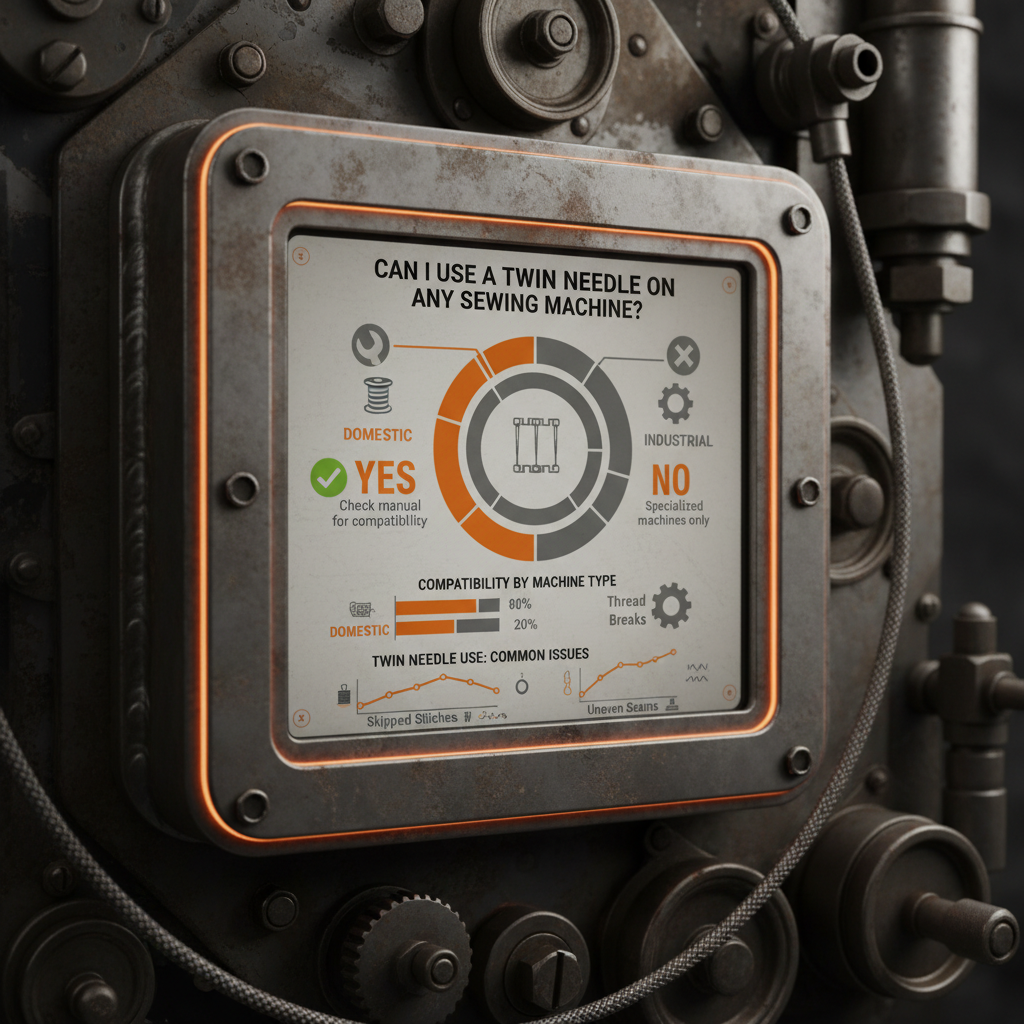
The fundamental aspect of determining if you can utilize a twin needle lies in your sewing machine's mechanical configuration. Machines designed for household use often have a narrower needle plate opening and a less robust motor compared to industrial models. This means not all machines can physically accommodate the wider twin needle, nor can they generate sufficient power to drive it smoothly through heavier fabrics. Understanding the machine's construction, especially the shuttle hook and feed dogs, is paramount.
Specifically, the horizontal rotary hook systems, common in many modern home sewing machines, often have limited space. Vertical oscillating hook systems, prevalent in older or more robust machines, may offer more clearance. However, even with sufficient space, the timing of the machine needs to be accurately set to prevent skipped stitches or damage to the needle and hook. The core question remains: can i use a twin needle on any sewing machine safely and effectively, given its mechanical limitations?
FAQS
What kind of sewing machines can generally accommodate a twin needle?
Generally, machines with a horizontal rotary hook system often have more limitations than those with a vertical oscillating hook. However, many modern computerized machines are designed to handle twin needles. The key is checking your machine’s manual for specific guidance. Machines designed for heavier fabrics or quilting are often better suited for twin needle use. It’s vital to confirm if your machine's timing and clearance are sufficient.
Can I use a twin needle on an older, mechanical sewing machine?
Older, mechanical sewing machines may be compatible, especially those with vertical oscillating hook systems. However, they often require more careful adjustment of tension and presser foot pressure. Test on scrap fabric extensively before committing to a project. Be aware that some older machines lack the power to drive a twin needle effectively through thicker fabrics.
What size twin needle should I use for different fabrics?
For lightweight fabrics like silk or chiffon, use a 60/8 or 70/10 twin needle. For medium-weight fabrics like cotton or linen, a 80/12 or 90/14 twin needle is suitable. For heavier fabrics like denim, a 90/14 or 100/16 twin needle may be necessary. Always test on a scrap of fabric to determine the best size. Remember to match the twin needle size to your machine's needle system.
Why are my stitches skipping when using a twin needle?
Skipped stitches are often caused by incorrect needle size, improper thread tension, or insufficient presser foot pressure. Ensure you’re using the correct twin needle for your fabric, adjust the thread tension, and reduce the presser foot pressure. Also, verify that the twin needle is correctly inserted into the machine and that the bobbin is wound properly. A worn or damaged needle can also cause skipping.
Can I use different colors of thread with a twin needle?
Yes, absolutely! Using different colors of thread with a twin needle is a great way to add decorative effects and create unique designs. Ensure both threads are the same weight and type for even stitch formation. Experiment with contrasting colors or complementary shades to achieve your desired look.
What should I do if my sewing machine is struggling to drive a twin needle through fabric?
If your machine is struggling, first reduce the sewing speed. Next, decrease the presser foot pressure and consider using a lighter-weight fabric. If these adjustments don’t help, it’s possible your machine isn't designed to handle twin needle sewing with that particular fabric. Inspect your machine and the needle for any damage before continuing.
Conclusion
In conclusion, determining whether can i use a twin needle on any sewing machine depends on a complex interplay of machine mechanics, needle system compatibility, fabric type, and proper adjustments. Understanding these factors is crucial for achieving successful and visually appealing results. From decorative stitching to creating durable seams, the twin needle offers a versatile tool for both hobbyists and professionals alike.
Ultimately, experimentation and careful observation are key. Always test on scrap fabric before starting your project, and consult your machine’s manual for specific guidance. By following these guidelines, you can safely and effectively utilize a twin needle to unlock a new level of creativity and precision in your sewing endeavors. For more information and resources, visit our website: www.longsew.com
Related Posts
-
Find the Right Double Needle Sewing Machine for Sale for Construction Needs
-
Exploring the Reliability of the Chain Stitch Sewing Machine and Its Applications
-
Advanced Jumbo Bag Stitching Machine Technology for Efficient Packaging Solutions
-
Reliable Chain Stitch Sewing Machine for Sale Industrial Grade Options
Updated:

David Chen
David Chen serves as the Technical Support Engineer for LongSew's US operations. He brings a strong background in mechanical engineering and a dedication to ensuring seamless operation of LongSew machinery for all customers. David specializes in troubleshooting, preventative maintenance, and training on the company’s complete range of bag sewing and



