

0%
The twin stretch needle, a specialized sewing machine needle, is revolutionizing industries that rely on stretch fabrics. Its unique design allows for the creation of durable, professional-quality seams on materials like knits, spandex, and lingerie fabrics, where traditional needles often fail. Understanding how to use a twin stretch needle is crucial for achieving optimal results and extending the lifespan of garments and products. This expertise directly impacts manufacturing efficiency, product quality, and ultimately, consumer satisfaction.
Globally, the demand for stretch fabrics is surging, driven by the activewear, swimwear, and intimate apparel industries. According to a report by Allied Market Research, the global sportswear market size was valued at $173.1 billion in 2020 and is projected to reach $289.4 billion by 2027. This growth necessitates advanced sewing techniques to handle these challenging materials. Improper stitching can lead to skipped stitches, puckering, or seam breakage, resulting in costly returns and damage to brand reputation. Mastering how to use a twin stretch needle addresses these critical industry challenges.
The rise of fast fashion and the increasing demand for comfortable, performance-driven clothing further amplify the need for efficient and reliable sewing solutions. Utilizing the correct needle and technique is no longer just a matter of aesthetics, but a fundamental aspect of ensuring product durability and meeting evolving consumer expectations. How to use a twin stretch needle effectively bridges the gap between fabric innovation and manufacturing capability.
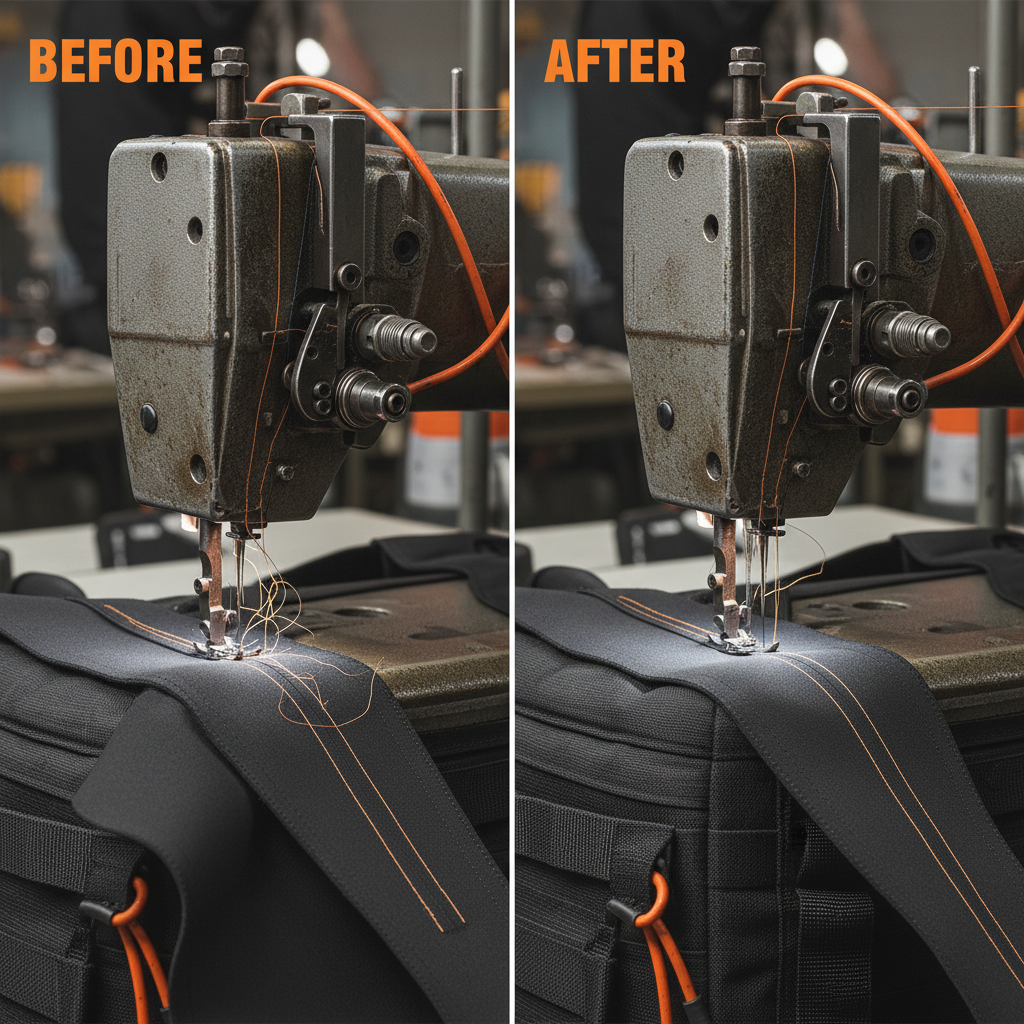
Table of Contents [Hide]
Introduction to Twin Stretch Needles
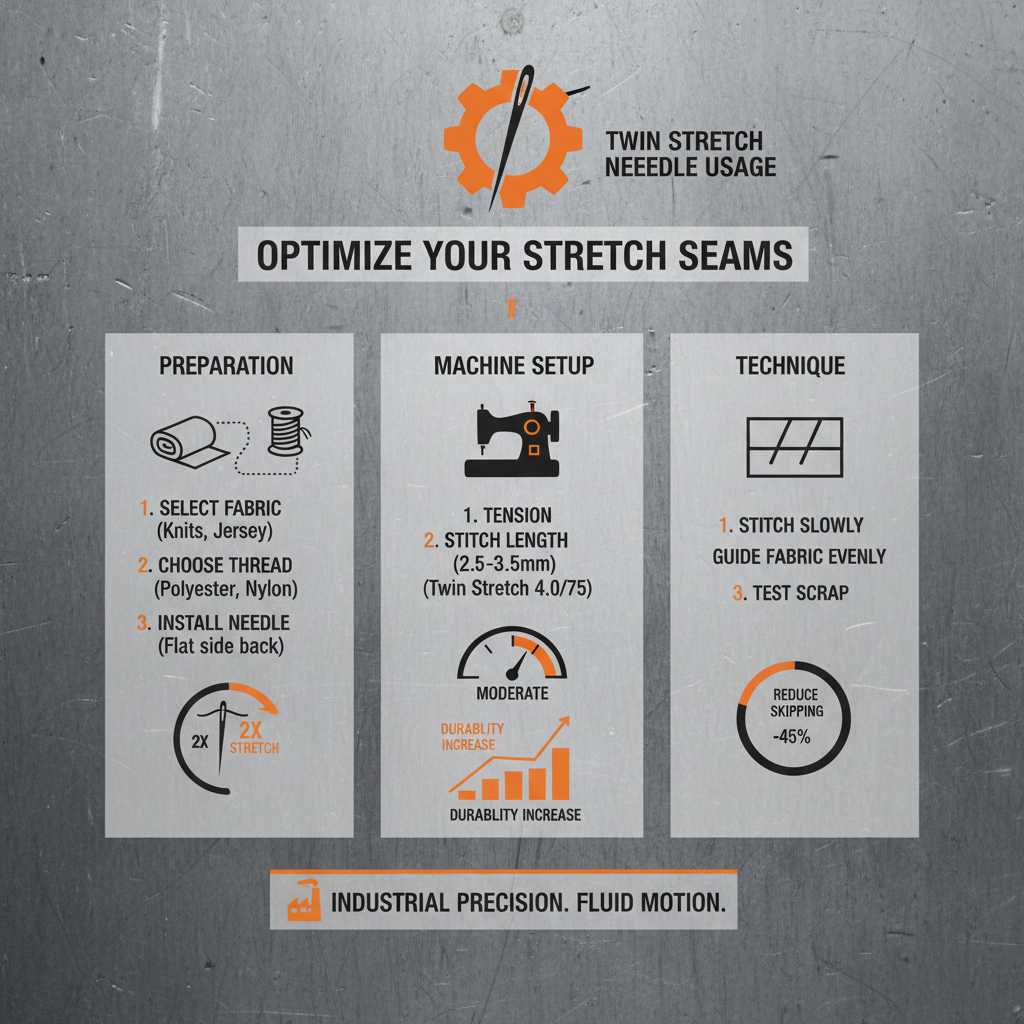
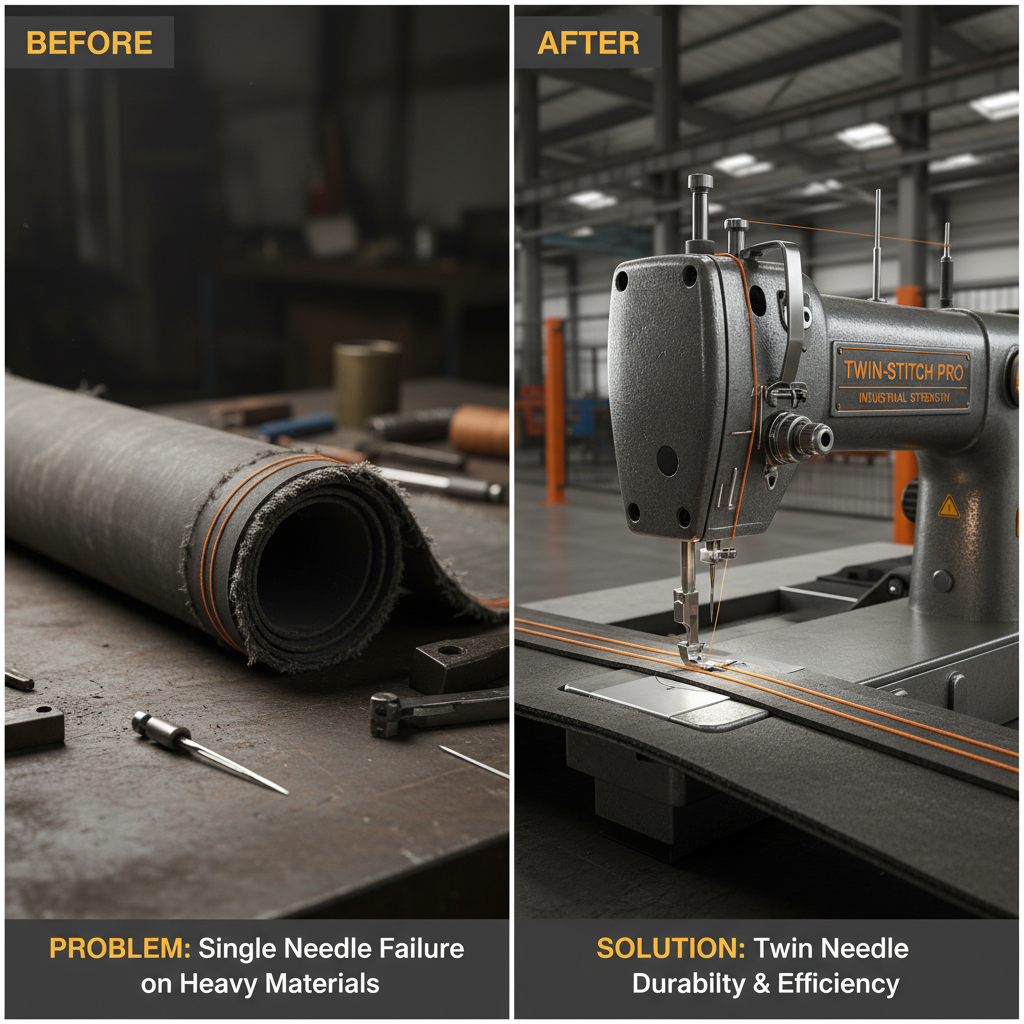
Twin stretch needles, characterized by their two needles working in tandem, are specifically engineered to create parallel rows of stitching on stretch fabrics. This technique enhances seam elasticity, prevents puckering, and offers superior coverage. How to use a twin stretch needle effectively distributes stress across the seam, improving durability and preventing fabric distortion.
These needles are essential for achieving a professional finish on garments requiring significant stretch, such as activewear, swimwear, and lingerie. Unlike standard needles that can cause skipped stitches or breakage when used with stretch fabrics, twin stretch needles provide a consistent and reliable stitch formation, resulting in high-quality products.
FAQS
What are the key differences between a twin stretch needle and a regular sewing machine needle?
The primary difference lies in the needle's design. A twin stretch needle has two needles and two eyes, allowing for parallel stitching. It also features a rounded point and special scarf to glide through stretch fabrics without causing damage. Regular needles lack these features and are prone to skipping stitches or breaking when used with stretch materials. Knowing how to use a twin stretch needle ensures you're using the right tool for the job.
What types of fabrics are best suited for using a twin stretch needle?
Twin stretch needles excel with knit fabrics, spandex, lycra, and other fabrics with significant stretch. They are ideal for creating seams in activewear, swimwear, lingerie, and any garment requiring flexibility and comfort. Using them on woven fabrics is generally not recommended, as they are designed for stretch and may not provide optimal results on non-stretch materials.
How do I determine the correct needle size for my fabric?
The correct needle size depends on the fabric's weight and thickness. Lighter fabrics require smaller needle sizes (e.g., 70/10), while heavier fabrics need larger sizes (e.g., 90/14). Always test the needle on a scrap piece of fabric to ensure it creates a clean and even stitch without damaging the material. Refer to your fabric's manufacturer recommendations as well.
What thread type should I use with a twin stretch needle?
Polyester thread is highly recommended for use with twin stretch needles. Polyester offers excellent elasticity and durability, complementing the stretch of the fabric. Avoid using cotton or other threads with limited stretch, as they can negate the benefits of the needle and cause seam failure. Choosing the right thread is a key component of how to use a twin stretch needle effectively.
How often should I replace my twin stretch needle?
The frequency of needle replacement depends on usage and fabric type. As a general guideline, replace the needle after approximately 8 hours of sewing or if you notice any signs of damage, such as bending, dulling, or burrs. A dull needle can cause skipped stitches and fabric damage. Regular replacement is crucial for maintaining optimal stitch quality.
What are common troubleshooting steps for skipped stitches when using a twin stretch needle?
Skipped stitches can be caused by incorrect needle size, improper tension, a dull needle, or incorrect threading. First, ensure you're using the appropriate needle size for your fabric. Then, adjust the upper thread tension slightly looser. Replace the needle if it’s damaged. Finally, double-check that the thread is properly threaded through the machine. These steps are fundamental to understanding how to use a twin stretch needle successfully.
Conclusion
In conclusion, mastering how to use a twin stretch needle is essential for anyone working with stretch fabrics. From understanding needle mechanics and fabric compatibility to proper thread selection and troubleshooting techniques, a comprehensive knowledge base ensures optimal results and high-quality products. The benefits extend beyond aesthetics, encompassing durability, comfort, and ultimately, customer satisfaction.
As the demand for stretch fabrics continues to grow, investing in the knowledge and tools necessary for successful twin needle sewing is a strategic advantage. Explore the resources available at Longsew to further refine your skills and stay abreast of the latest innovations in sewing technology. Embrace the power of the twin stretch needle to elevate your creations and meet the evolving needs of the modern textile industry.
Related Posts
Updated:

Robert Miller
Robert Miller is the North American Sales Manager at Hebei LongSew Machinery Technology Co. Ltd. With over 15 years of experience in the industrial sewing machine market, Robert focuses on building strong relationships with clients across the US, Canada and Mexico. He’s a key driver in promoting LongSew's heavy-duty machines