0%

Table of Contents

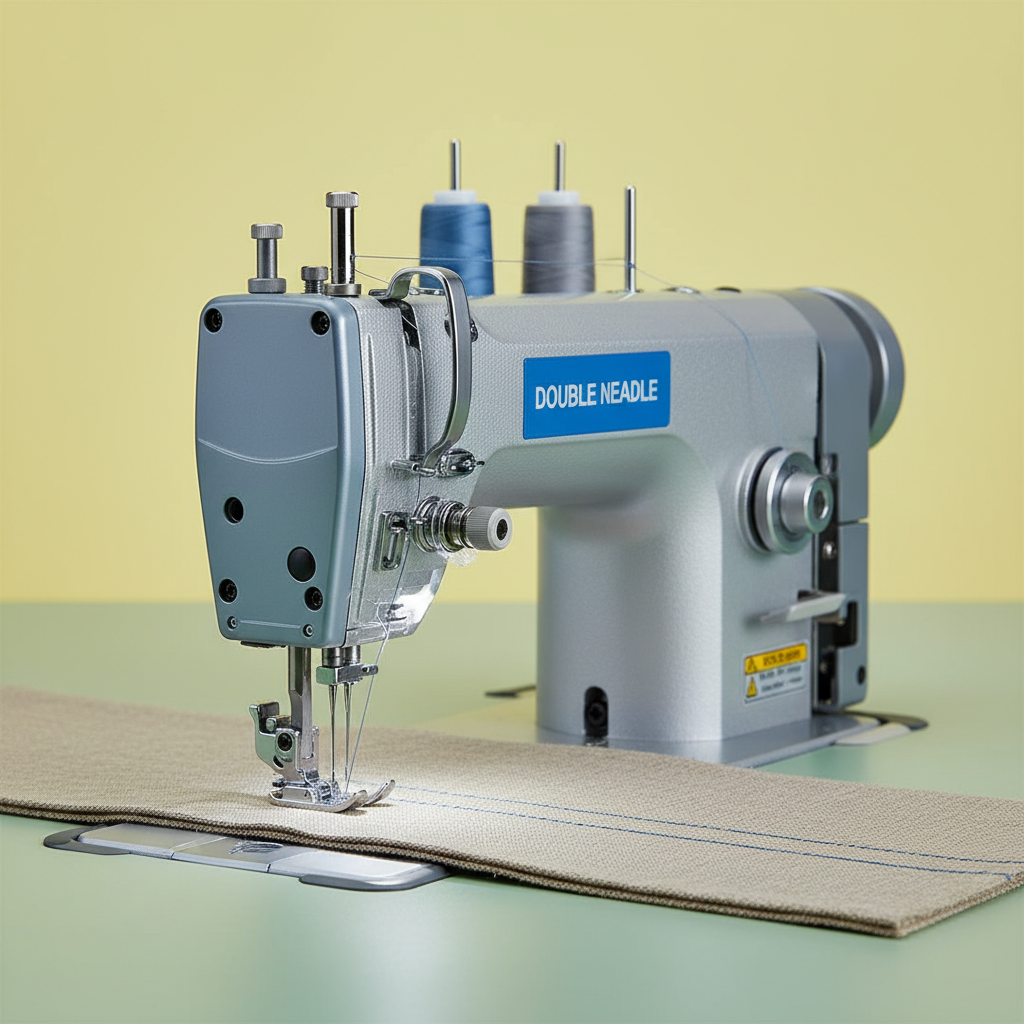
In the demanding landscape of industrial textile manufacturing, the double needle bar machine stands as a cornerstone of efficiency and structural integrity. This specialized equipment is designed to deliver parallel stitching with unmatched precision, ensuring that heavy-duty fabrics are joined with a strength that meets rigorous international safety and quality standards.

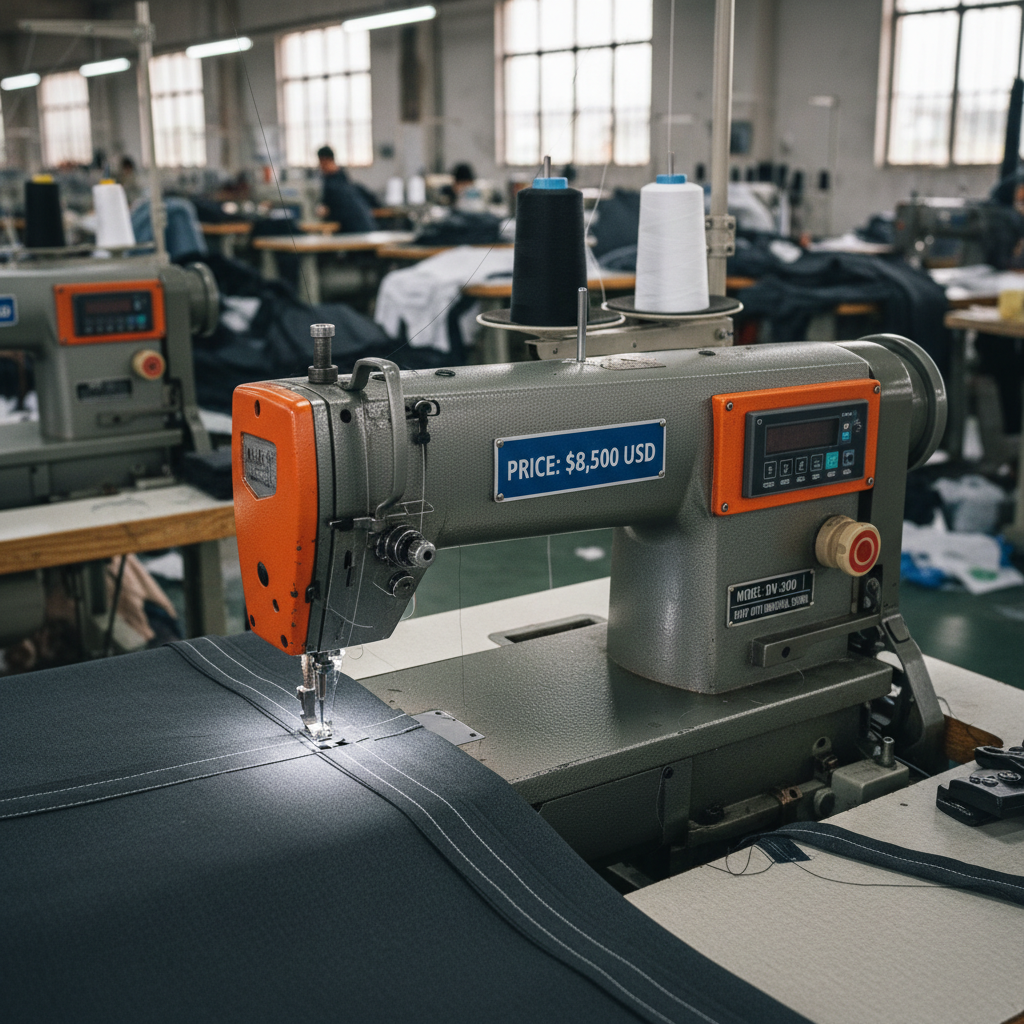
Globally, the move toward automation in the apparel and technical textile sectors has amplified the importance of the double needle bar machine. By reducing manual labor and eliminating the need for multiple sewing passes, these machines significantly decrease lead times and material waste, allowing manufacturers to scale their operations while maintaining a high degree of consistency.

Understanding the nuances of this machinery is not merely a technical requirement but a strategic advantage for businesses aiming to compete in the global market. From automotive upholstery to high-tensile industrial bags, the application of a high-quality double needle bar machine ensures that the final product possesses the durability required for long-term use in harsh environments.
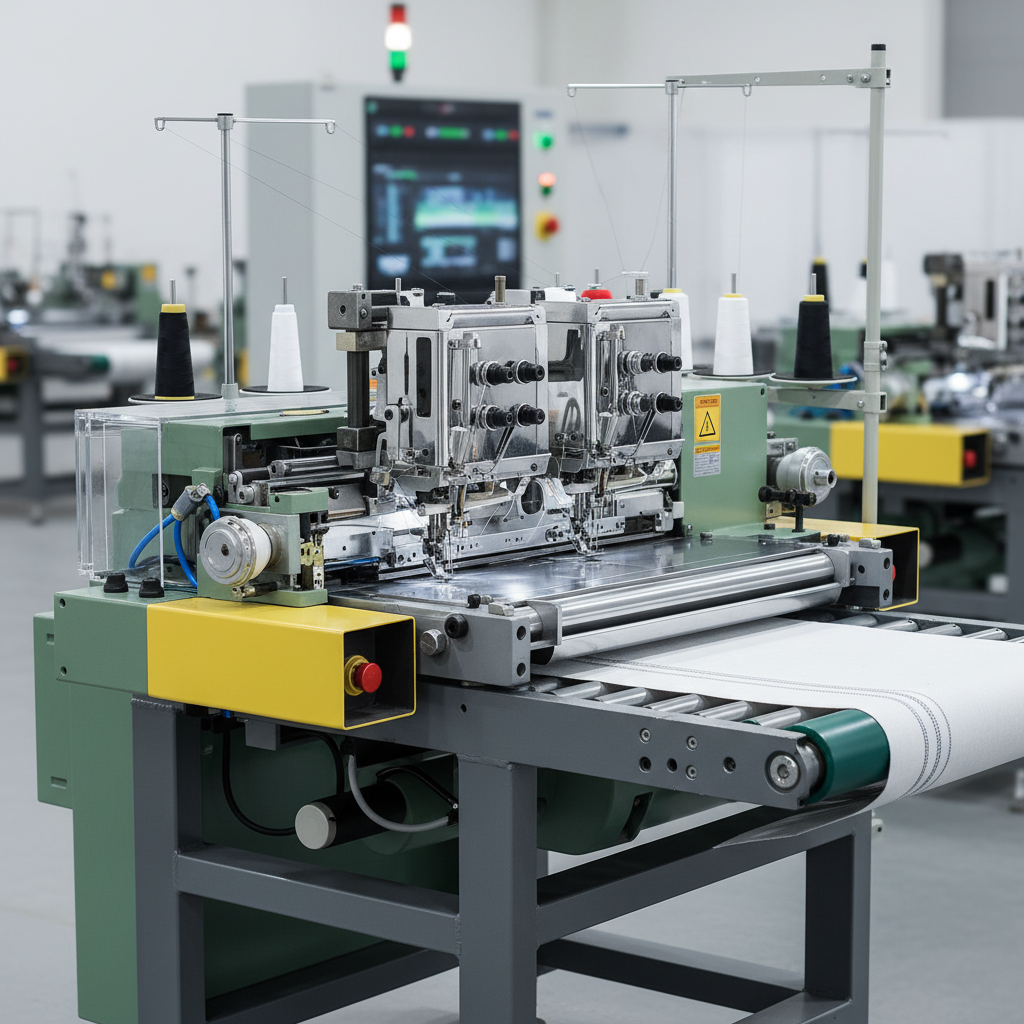
Industrial Double Needle Bar Machine for High Efficiency Sewing

Global Industry Context of the Double Needle Bar Machine
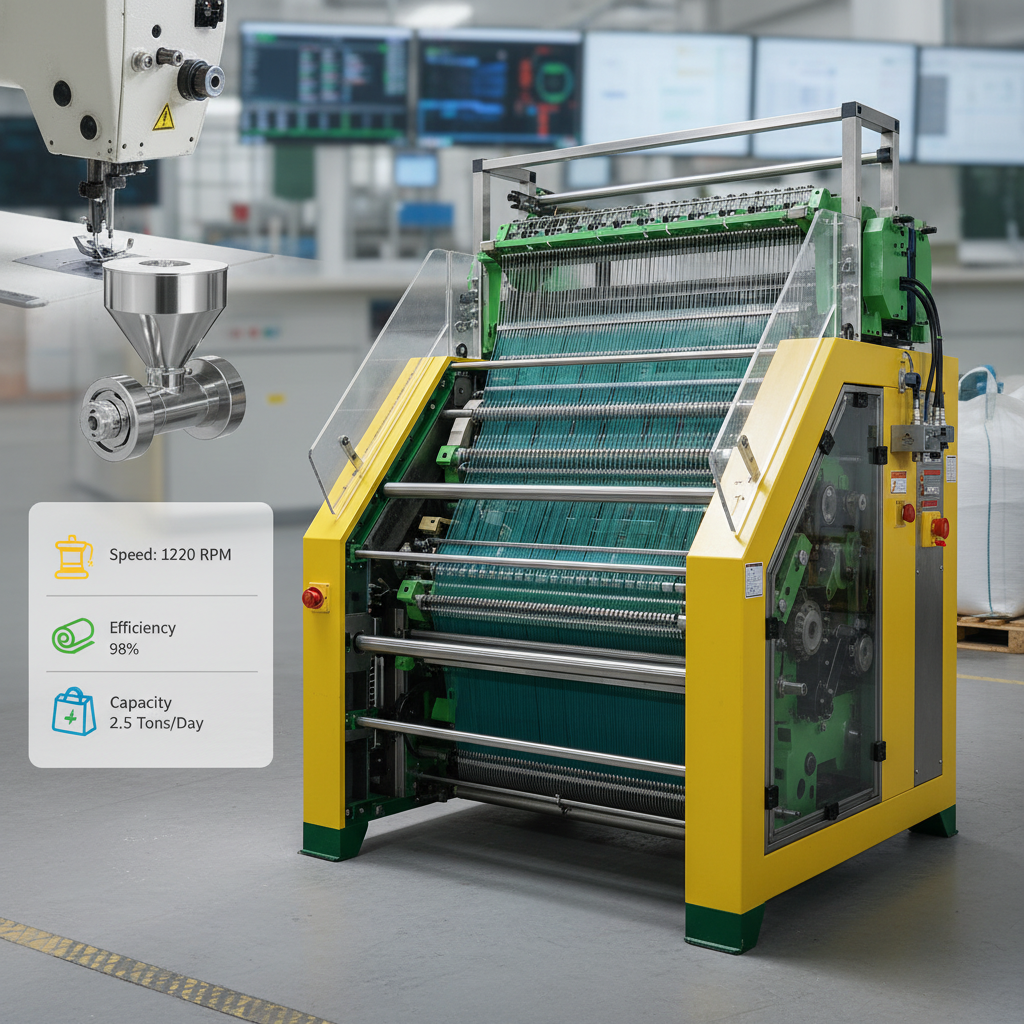
Industrial Double Needle Bar Machine for High Efficiency Sewing

The global textile machinery market has seen a shift toward specialized, heavy-duty solutions as the demand for technical textiles—such as those used in aerospace, medical, and automotive sectors—continues to rise. According to ISO standards for textile performance, the structural integrity of a seam is paramount. The double needle bar machine addresses the critical challenge of creating reinforced seams that can withstand high tension without failing, a requirement that single-needle setups simply cannot meet efficiently.

In emerging industrial hubs across Asia and Latin America, the adoption of these machines has been linked to a significant increase in production throughput. By implementing dual-needle synchronization, factories are effectively doubling their stitching speed per linear meter of fabric, which directly correlates to lower overhead costs and faster turnaround times for large-scale industrial orders.

Technical Definition and Industrial Meaning

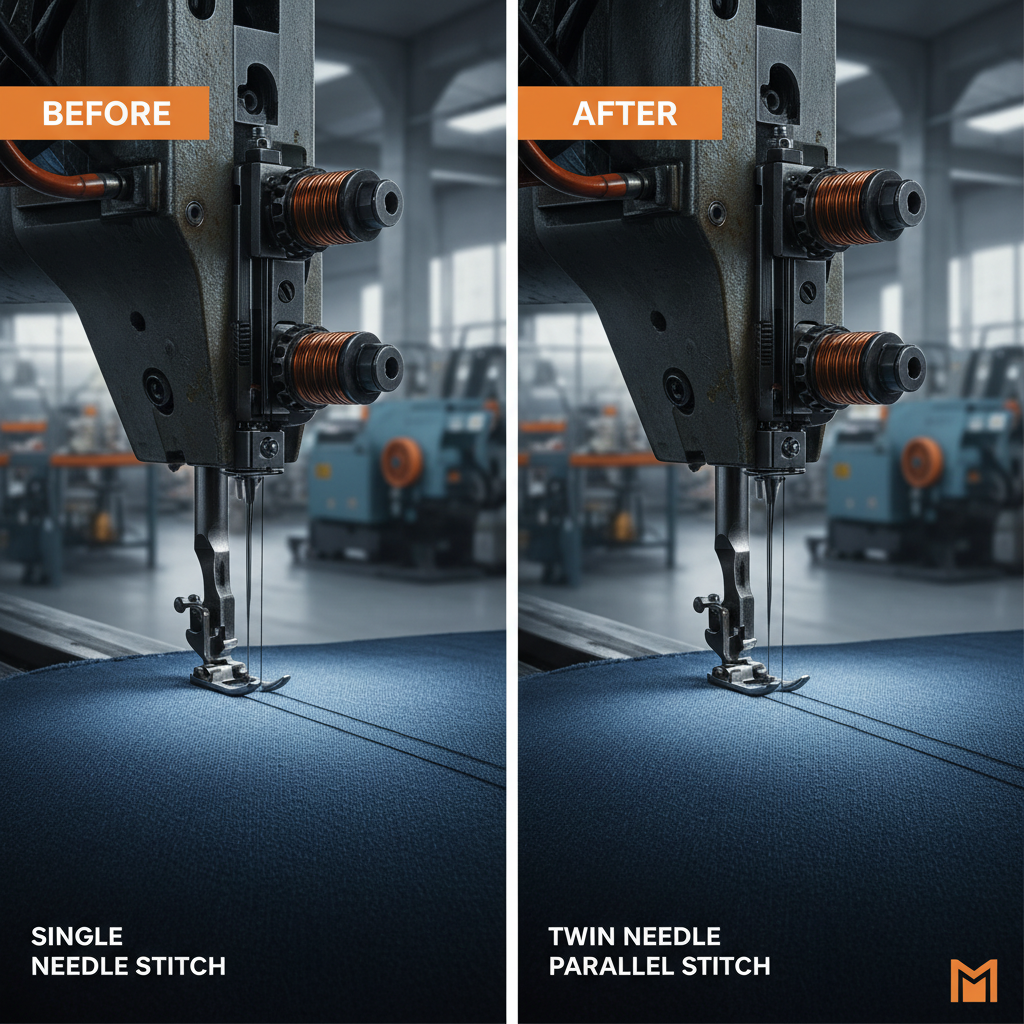
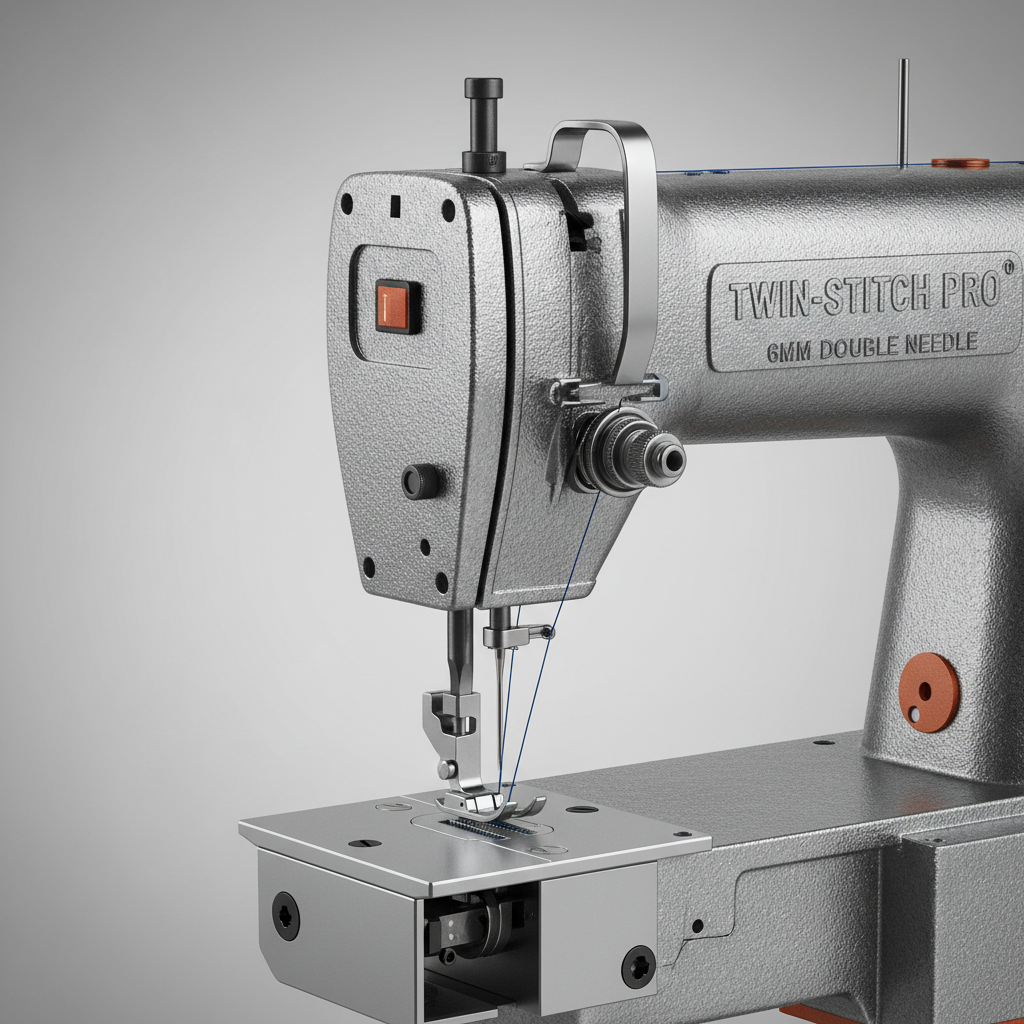
At its core, a double needle bar machine is a specialized industrial sewing system featuring two needles operating in a synchronized vertical motion. Unlike standard machines, it is engineered to create two parallel rows of stitching simultaneously, which distributes the mechanical stress across a wider area of the fabric, thereby preventing tears and enhancing the overall lifespan of the product.

In the context of modern manufacturing, this machinery represents the bridge between basic assembly and high-performance engineering. It is not just about "sewing" but about "bonding" heavy materials such as canvas, leather, and synthetic polymers. This capability is essential for humanitarian needs, such as the production of heavy-duty shelters and industrial-grade medical tents that must remain airtight and durable in extreme weather.

The industrial meaning of this technology extends to the concept of "zero-failure" production. In sectors like FIBC (Flexible Intermediate Bulk Containers) manufacturing, a failed seam can lead to catastrophic material loss. The double needle bar machine provides the redundancy and strength needed to ensure that every stitch contributes to the safety and reliability of the container.

Core Components for Maximum Performance

The durability of a double needle bar machine is primarily dictated by its chassis and needle bar assembly. High-grade alloy steel is typically used to prevent deflection under the pressure of thick materials, ensuring that the two needles maintain a perfect parallel distance throughout the entire sewing cycle.

Precision timing is the heart of the machine's operation. The synchronization between the double needle bar machine's needle movement and the rotary hook must be accurate to the millisecond to avoid skipped stitches, which are unacceptable in heavy-duty applications like sail making or automotive seating.

Furthermore, the feed mechanism—often a walking foot or compound feed—is what allows the machine to glide over bulky materials without puckering. This ensures that the double needle bar machine delivers a smooth, professional finish even when processing multi-layered leather or heavy denim.

Comparative Efficiency and Performance Metrics

When comparing different configurations of industrial stitching, the double needle bar machine consistently outperforms single-needle alternatives in terms of productivity and seam strength. The ability to execute two lines of stitching in a single pass reduces the handling time per piece by approximately 40-50%, which is a critical metric for factories operating on thin margins.

Beyond speed, the structural reliability of the dual-seam approach provides a safety factor that is logically superior. In heavy-duty applications, the distribution of tension across two parallel lines reduces the risk of "zipper effect" failures, where a single broken stitch leads to the unraveling of the entire seam.

Performance Analysis of Double Needle Bar Machine Configurations


Global Applications and Real-World Use Cases

The versatility of the double needle bar machine is evident in its wide array of applications. In the maritime industry, these machines are used to construct high-tensile sails and boat covers, where the double stitching is necessary to withstand the relentless force of wind and salt water. In remote industrial zones, such as mining camps, they are used to produce heavy-duty protective gear and equipment bags that require extreme durability.

Moreover, in the automotive sector, the production of car seats and safety airbags relies heavily on the precision of the double needle bar machine. Here, the emotional angle is safety; a seam failure in an airbag is not just a quality issue but a life-threatening risk. The ability to produce consistent, reinforced stitches ensures that these critical components perform exactly as designed during an impact.

Long-Term Value and Economic Advantages

Investing in a high-quality double needle bar machine yields tangible economic benefits through the reduction of rework and waste. When a seam is done correctly the first time, the cost of quality control drops significantly. For manufacturers, this translates to a higher "Right First Time" (RFT) percentage, which is a key KPI in Lean Manufacturing.

From a sustainability perspective, the increased longevity of products made with dual-stitching reduces the frequency of replacement. By creating garments and industrial goods that last longer, brands can align themselves with the "slow fashion" and sustainable production movements, reducing the overall environmental footprint of the textile industry.

Beyond the balance sheet, there is the value of trust. Clients in the heavy-duty equipment sector trust manufacturers who utilize professional-grade machinery. The visual consistency of a double-needle seam signals a level of craftsmanship and reliability that justifies premium pricing and fosters long-term B2B partnerships.

Future Trends in Sewing Automation

The future of the double needle bar machine is inextricably linked to the digital transformation of the factory floor. We are seeing a shift toward "Smart Sewing," where IoT-enabled machines can track stitch counts, monitor needle wear in real-time, and alert operators before a mechanical failure occurs, virtually eliminating unplanned downtime.

Automation is also evolving through the integration of AI-driven fabric sensors. Future double needle bar machines will likely be able to automatically adjust tension and stitch length based on the thickness of the material being fed, allowing a single operator to handle multiple fabric types without manual recalibration.

Additionally, the push for green energy is leading to the development of high-efficiency servo motors that consume up to 70% less power than traditional clutch motors. These innovations ensure that the double needle bar machine remains a viable and eco-friendly tool in an era of strict carbon emission regulations.

Comparison of Double Needle Bar Machine Technological Evolutions

Technology Era Drive System Control Method Energy Efficiency
Mechanical Era Clutch Motor Manual Lever Low (3/10)
Electronic Era Basic Servo Digital Panel Medium (6/10)
Automated Era Direct Drive PLC Programmable High (8/10)
Smart Era (Current) Eco-Servo Hybrid AI-Adaptive Very High (9/10)
Industry 4.0 Integrated Robotic Cloud-Synced Ultra (10/10)
Sustainable Future Solar-Compatible Self-Optimizing Maximum (10/10)

FAQS

What is the main advantage of a double needle bar machine over a single needle one?

The primary advantage is the ability to create two parallel lines of stitching in a single pass, which doubles production speed and significantly increases the seam's load-bearing capacity. This makes it ideal for heavy-duty materials where structural redundancy is required to prevent fabric failure under tension.

Can a double needle bar machine handle extremely thick materials like heavy leather?

Yes, provided the machine is equipped with a heavy-duty needle bar and a compound or walking foot feed system. These features prevent the fabric from slipping and ensure that the needles can penetrate multiple layers of dense material without bending or breaking.

How do I prevent skipped stitches on my double needle bar machine?

Skipped stitches are usually caused by incorrect needle timing or using the wrong needle size for the fabric. Ensure the needle bar is perfectly synchronized with the hook and that you are using high-quality, industrial-grade needles specifically designed for the thickness of your material.

Is it difficult to maintain a double needle bar machine?

While more complex than a single needle machine, maintenance is straightforward. Regular lubrication of the needle bar and hook, along with periodic tension adjustments and lint removal, is sufficient to keep the machine running at peak performance for years.

Which industries benefit most from using this equipment?

Industries focusing on technical textiles benefit most, including automotive upholstery, sailmaking, FIBC bag manufacturing, heavy-duty outdoor gear, and protective clothing for emergency services. Any application requiring reinforced, parallel seams for safety and durability is a perfect fit.

How can I upgrade my existing sewing line to include double needle automation?

Start by analyzing your most time-consuming seams. Replacing single-needle stations with double needle bar machines in those specific areas will provide the quickest ROI. For full automation, consider computerized models that allow for pre-programmed stitching patterns.

Conclusion

The double needle bar machine is far more than a piece of industrial hardware; it is an essential tool for any manufacturer committed to quality, durability, and operational efficiency. By synchronizing precision engineering with high-capacity output, this machine enables the production of textiles that meet the most demanding global standards, from automotive safety to industrial logistics.

As we move toward an era of Industry 4.0, integrating smart, energy-efficient double needle systems will be the key to remaining competitive. We encourage manufacturers to evaluate their current production bottlenecks and consider the long-term value that reinforced stitching technology brings to their brand's reputation and bottom line. Visit our website for more professional solutions: www.longsew.com
David Chen

David Chen

David Chen serves as the Technical Support Engineer for LongSew's US operations. He brings a strong background in mechanical engineering and a dedication to ensuring seamless operation of LongSew machinery for all customers. David specializes in troubleshooting, preventative maintenance, and training on the company’s complete range of bag sewing and

Previous Precision Engineering Double Needle Blind Stitch Mastery
Next Industrial Double Needle Bag Closer Machine for Secure Packaging