
0%
In the sophisticated world of textile manufacturing, achieving a seamless, high-end finish is often the difference between a standard garment and a luxury product. The double needle blind stitch stands as a critical technique in this pursuit, offering a method to secure hems and seams with minimal visible threading on the exterior of the fabric. This specialized stitching process is essential for maintaining the aesthetic integrity of high-quality apparel, where traditional visible seams would detract from the overall design.
Beyond mere aesthetics, the implementation of a double needle blind stitch enhances the structural durability of the garment. By utilizing two needles to create a reinforced but hidden connection, manufacturers can ensure that hems remain secure even under significant tension, which is particularly vital for heavy-duty fabrics and professional uniforms. This balance of invisibility and strength makes it a gold standard in the garment industry globally.
As global fashion trends shift toward "quiet luxury" and minimalist design, the demand for precision blind stitching has surged. Understanding the technical nuances of the double needle blind stitch allows producers to optimize their production lines, reduce waste, and meet the stringent quality standards of international brands. Whether applied to trousers, skirts, or heavy industrial textiles, this technique remains an indispensable asset in the modern sewing toolkit.
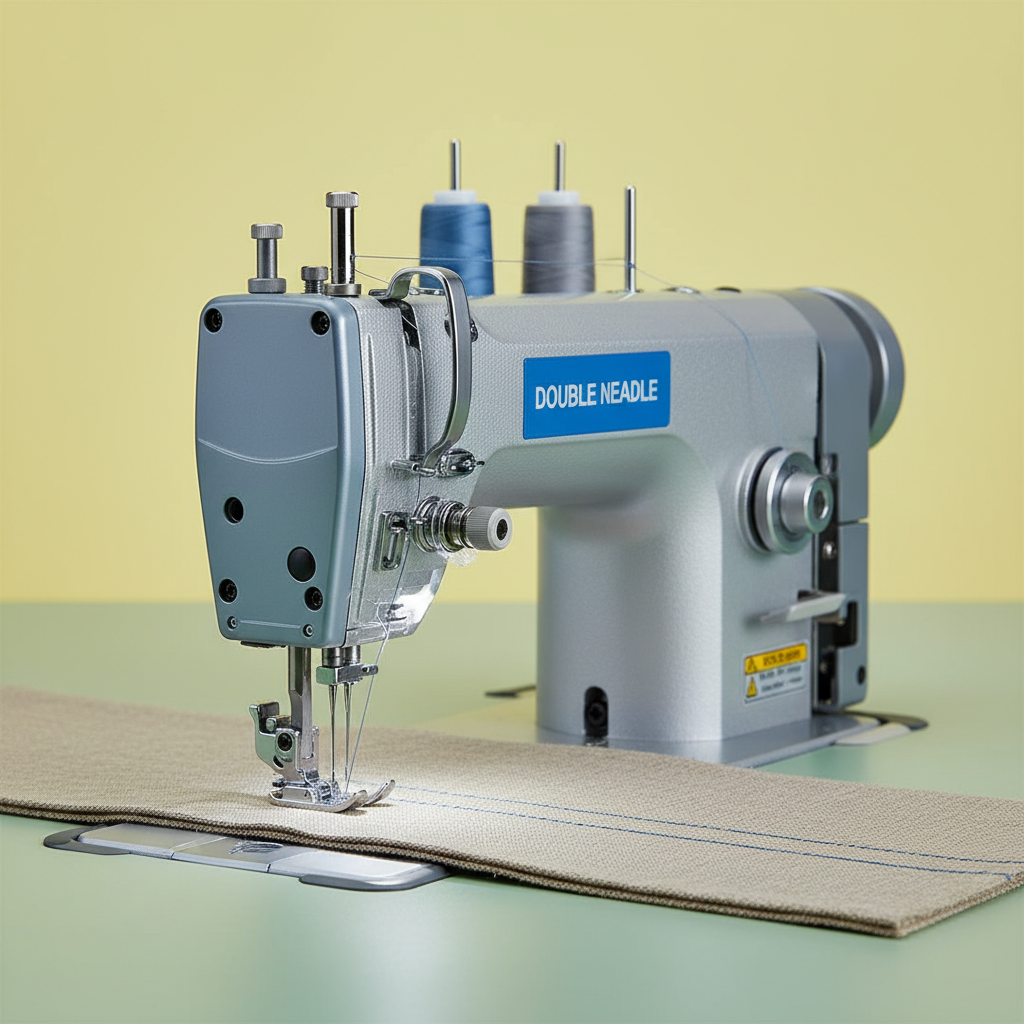
Table of Contents [Hide]
The Global Industry Context of Double Needle Blind Stitch
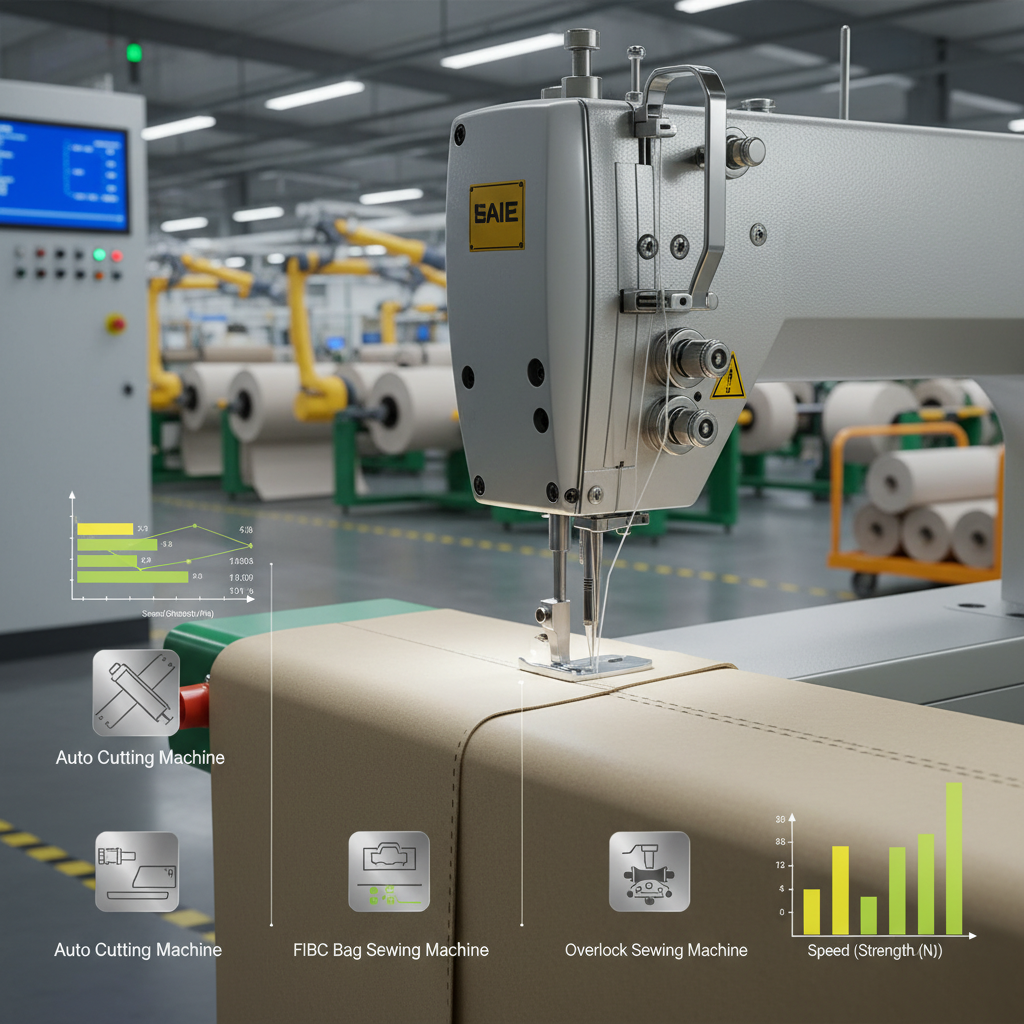
The global textile industry is currently navigating a transition toward higher quality and slower fashion, where the longevity of a garment is prioritized over mass-market disposability. Within this shift, the double needle blind stitch has become a benchmark for quality control. ISO standards for garment construction increasingly emphasize seam strength and finish, pushing manufacturers to adopt advanced machinery that can execute hidden stitches with mathematical precision to avoid fabric puckering.
Many leading garment hubs in Southeast Asia and Europe are facing the challenge of rising labor costs and the need for higher efficiency. The adoption of automated double needle blind stitch machines addresses this by reducing the manual effort required for hand-stitching hems while maintaining the "hand-finished" look that luxury clients demand. This technological integration is essential for companies aiming to compete in the global premium apparel market.
FAQS
What is the primary difference between a single and double needle blind stitch?
The primary difference lies in structural stability and width. A double needle blind stitch uses two parallel needles, which distributes the tension across a wider area of the fabric. This makes the hem significantly more resistant to ripping or sagging compared to a single needle stitch, while still maintaining the "invisible" look on the garment's exterior.
Can a double needle blind stitch be used on very thin fabrics?
Yes, but it requires precise adjustment. For thin fabrics like silk or lightweight polyester, you must use a smaller needle size (such as 70/10) and reduce the thread tension. If the tension is too high, the needles may pull too much fabric, causing the stitch to become visible or creating "puckering" along the hemline.
How do I prevent the blind stitch from showing on the outside of the fabric?
Prevention depends on two factors: needle depth and fabric folding. Ensure the presser foot is correctly aligned so the needle only catches a few fibers of the outer layer. Additionally, using a thread color that perfectly matches the fabric and maintaining consistent folding technique will ensure the stitch remains virtually invisible.
Is the double needle blind stitch suitable for heavy-duty industrial workwear?
Absolutely. In fact, it is highly recommended for heavy-duty applications. Because workwear is subject to frequent movement and stress, the reinforced nature of the double needle connection provides the necessary strength to keep hems intact, unlike standard blind stitches which might fail under heavy industrial use.
Do I need a specialized machine for this stitch or can a standard machine do it?
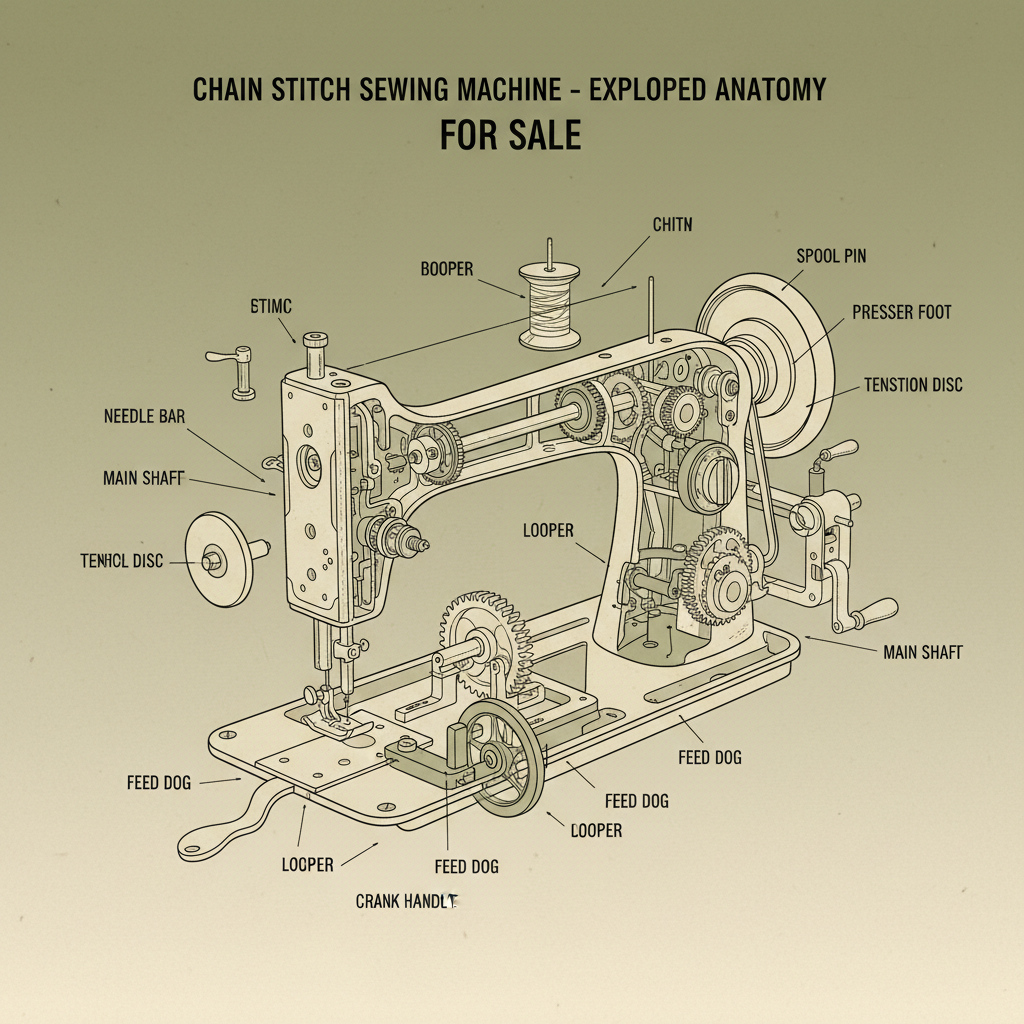
While some home machines have a blind stitch setting, industrial-grade results require a specialized blind stitch machine. These machines are engineered with specific needle-bar movements and looper timing that are impossible to replicate on a standard lockstitch machine, ensuring the stitch is truly "blind" and structurally sound.
How often should the needles be replaced in a double needle blind stitch setup?
In a high-volume industrial environment, needles should be checked daily and replaced every 8-12 hours of continuous operation, or immediately if any snagging occurs. Because the blind stitch relies on a very precise "pick" of the fabric, even a slightly blunt needle can cause visible damage or pull the thread through to the front of the garment.
Conclusion
The double needle blind stitch is far more than just a finishing touch; it is a critical intersection of engineering and artistry in the textile industry. By combining the strength of a reinforced seam with the invisibility required for high-end aesthetics, this technique allows manufacturers to produce garments that are both durable and visually flawless. From the luxury houses of Europe to the industrial powerhouses of Asia, the adoption of precision blind stitching has set a new global standard for quality and sustainability.
Looking forward, the integration of AI and smart-sensing technology will only further refine this process, making high-quality blind stitching accessible to a wider range of producers. For any business looking to elevate its product line and reduce waste, investing in advanced double needle blind stitch capabilities is a strategic move toward long-term competitiveness. We invite you to explore our range of heavy-duty sewing solutions to find the perfect fit for your production needs. Visit our website: www.longsew.com
Updated:

Robert Miller
Robert Miller is the North American Sales Manager at Hebei LongSew Machinery Technology Co. Ltd. With over 15 years of experience in the industrial sewing machine market, Robert focuses on building strong relationships with clients across the US, Canada and Mexico. He’s a key driver in promoting LongSew's heavy-duty machines



