
0%
Let me tell you, after years spent breathing concrete dust and wrangling with engineers on job sites, I've seen a lot of things. And one thing that consistently stands out is the importance of a solid, reliable stitch – especially when you're dealing with heavy-duty materials. That’s where the humble double needle comes into play. It's not glamorous, but it’s the backbone of a lot of what we build. It’s the difference between something holding together for five years, or failing after just one season. We're talking about durability, safety, and ultimately, saving a whole heap of money down the line.
For too long, folks have underestimated the power of a good seam. They chase the lowest price, the quickest turnaround, and forget that a shoddy stitch will cost them dearly in the long run. It's frustrating to see projects cut corners on something so fundamental. But as material science evolves, and the demand for robust, long-lasting products grows, the value of reliable stitching – and specifically, the capabilities of the double needle – is finally getting the recognition it deserves.
I’ve seen entire projects delayed because of seam failures. The ripple effect is huge – lost time, frustrated clients, and a damaged reputation. Understanding the nuances of double needle technology, the right thread selection, and proper machine maintenance isn’t just a technical detail; it's a critical component of successful project management. It impacts everything from cost to quality control.
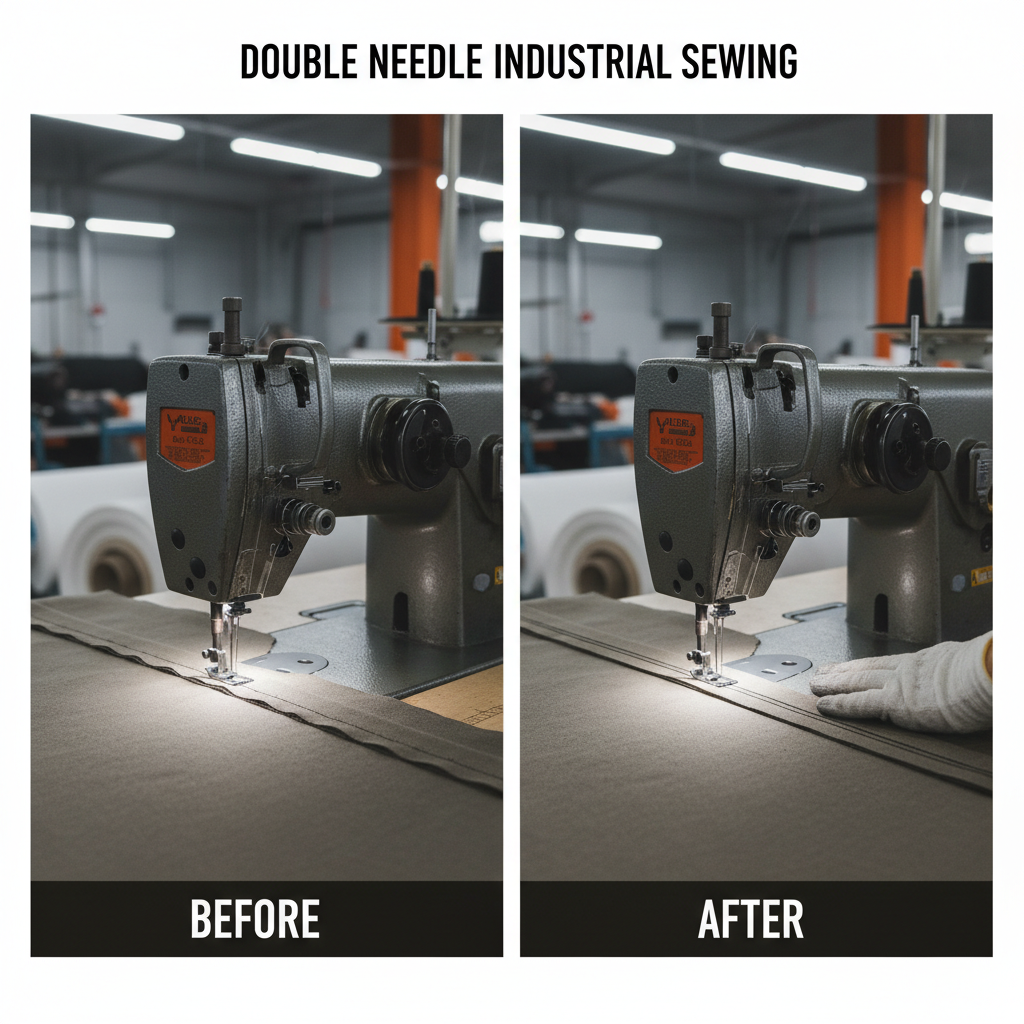
Table of Contents [Hide]
The Critical Role of double needle in Modern Construction
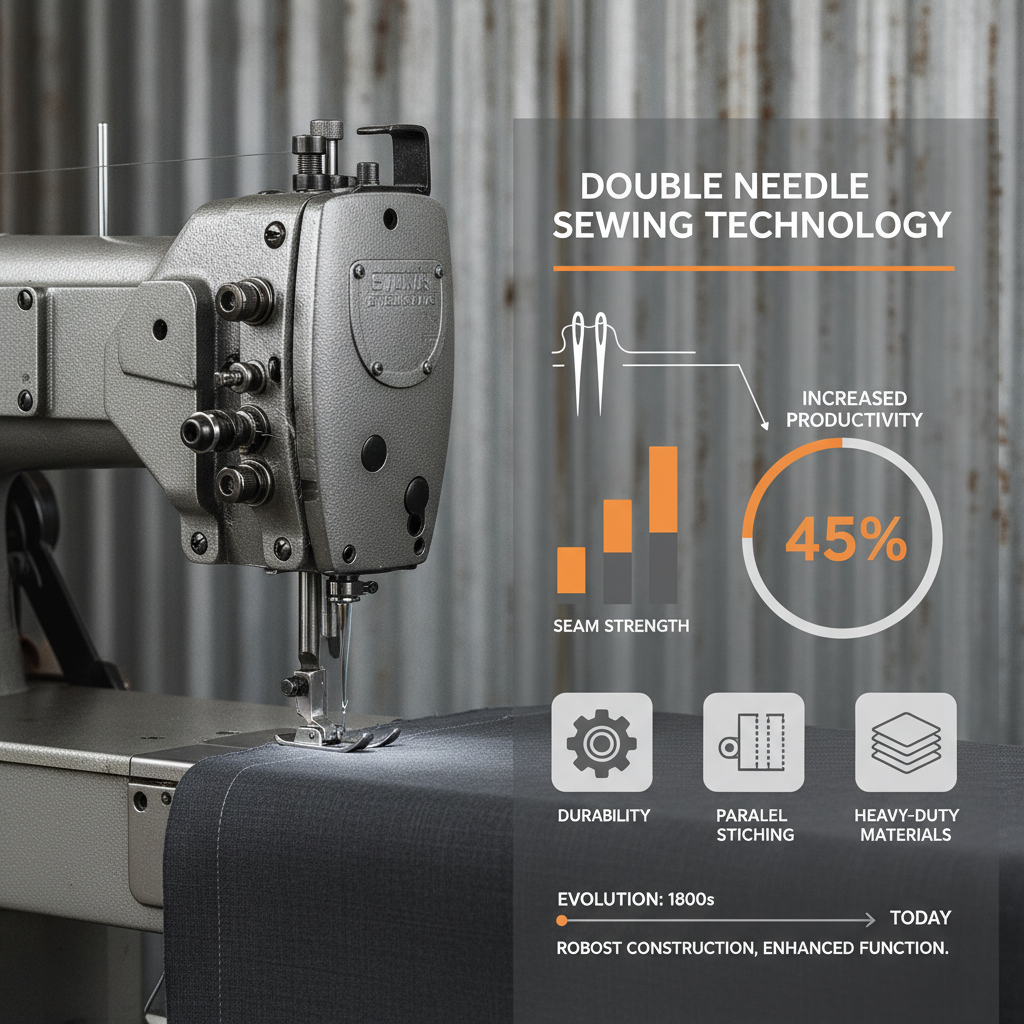
Look, you can't build anything to last if your seams are weak. It’s that simple. The double needle isn’t just about joining two pieces of fabric or material; it’s about creating a structural element that can withstand stress, strain, and the relentless beating of the elements. From awnings and tarps to heavy-duty industrial fabrics and protective gear, this technique is crucial. We're seeing a massive demand for stronger, more durable materials across the board, and that translates directly to a need for more robust stitching solutions.
I've lost count of the times I've had to explain to clients why investing in quality stitching upfront is far cheaper than dealing with repairs and replacements later. It's a mindset shift, frankly. People are often focused on the initial cost, but they don’t factor in the lifetime cost of a failure. A double needle seam, done right, can extend the life of a product significantly, reducing waste and boosting your bottom line.
FAQS
What thread weight is best for heavy-duty double needle stitching?
For heavy-duty applications, you generally want to use a thread weight of 90 or higher. This refers to the thread's thickness; a higher number means a thicker, stronger thread. Polyester thread is a great choice because of its durability, UV resistance, and ability to withstand abrasion. Nylon is also good, but it's more susceptible to UV degradation over time. The key is to match the thread weight to the material weight – you don't want a thread that’s too thin to adequately penetrate the material, but you also don’t want a thread that's so thick it damages it.
How often should I maintain my double needle sewing machine?
Regular maintenance is crucial for keeping your double needle machine running smoothly. At a minimum, you should lubricate it after every 8 hours of use. Clean the bobbin area and feed dogs daily to remove lint and debris. Check and replace the needles regularly – dull needles can cause skipped stitches and damage the material. A complete overhaul, including checking the timing and tension, should be done at least once a year, or more often if the machine is used heavily.
What causes skipped stitches in a double needle application?
Skipped stitches are a common problem, and there are several potential causes. The most common is using the wrong needle type or size for the material. A dull or damaged needle can also cause skips. Incorrect tension settings, improper threading, or a dirty bobbin area can also be culprits. Finally, if the material is too thick or dense, the machine may struggle to penetrate it, leading to skipped stitches. Troubleshooting usually involves systematically checking each of these factors.
Can I use any type of fabric with a double needle machine?
Not necessarily. While double needle machines are versatile, they’re not suitable for all fabrics. Very delicate or stretchy fabrics can be easily damaged. Thicker materials like leather or heavy canvas require a powerful machine and the appropriate needles. Always test a scrap piece of fabric before starting a full project to ensure the machine settings and materials are compatible. Consider the fabric's weight, weave, and stretch properties when selecting the needle type and thread.
How does tension affect the quality of a double needle seam?
Tension is absolutely critical for a quality double needle seam. If the tension is too loose, the seam will be weak and prone to unraveling. If it’s too tight, it can cause puckering, broken threads, or even damage the fabric. The goal is to achieve a balanced tension where the top and bobbin threads interlock evenly. Fine-tuning the tension often requires a bit of practice and a good ear for the sound of the machine.
What are the benefits of using a walking foot with a double needle machine?
A walking foot is a fantastic addition to a double needle machine when working with multiple layers of fabric or slippery materials. It essentially "walks" the fabric through the machine, preventing it from shifting or bunching up. This results in more even stitches, especially on bulky materials like upholstery or leather. It's a relatively inexpensive upgrade that can dramatically improve stitch quality and reduce frustration.
Conclusion
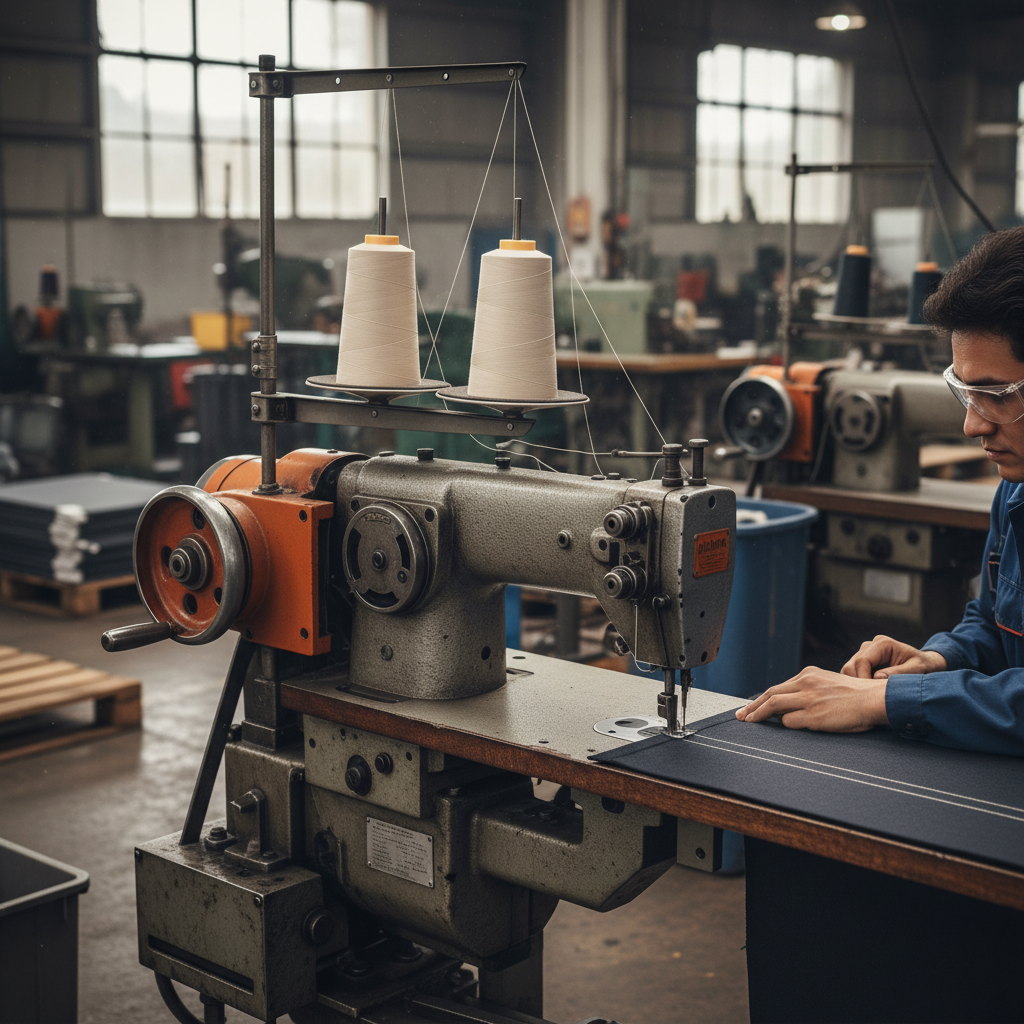
In the end, the double needle isn't just a tool; it's a fundamental building block of durable, reliable products. It demands respect, a little know-how, and a commitment to quality. From the smallest awning to the largest industrial fabric, this technique is essential for ensuring longevity and safety. Neglecting its importance is a false economy that will inevitably lead to costly repairs and dissatisfied clients.
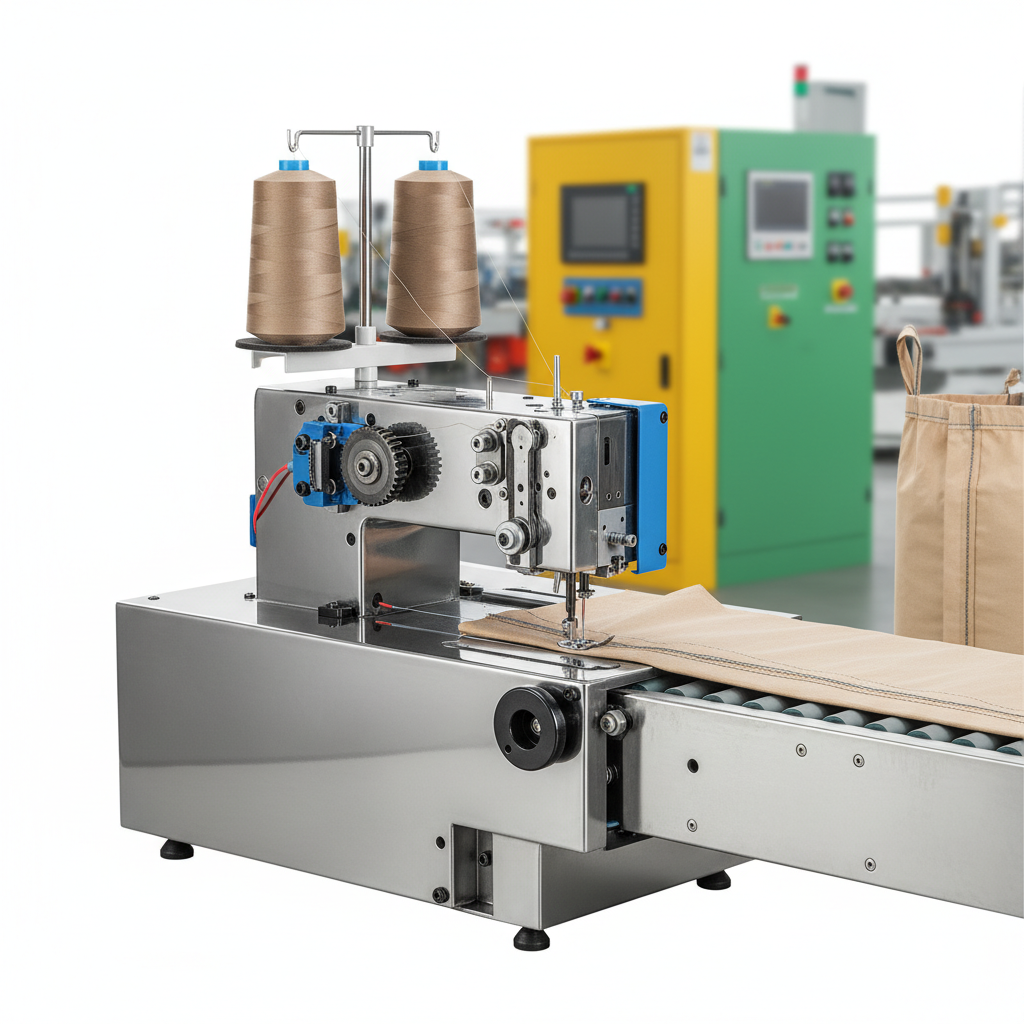
Looking ahead, I see continued innovation in double needle technology, driven by the demand for stronger, more sustainable materials. Investing in the right equipment, training skilled operators, and understanding the nuances of this technique will be critical for success in the years to come. If you're serious about building things that last, pay attention to your seams – they’re the unsung heroes of any well-made product.
Updated:

Brian Rodriguez
Brian Rodriguez is the Logistics and Service Coordinator for LongSew in North America. He's responsible for managing parts fulfillment, scheduling service visits, and ensuring a smooth experience for customers requiring technical assistance. Brian excels at streamlining operations and maintaining a consistent supply of replacement parts. He understands the importance of