

0%
The chainstitch embroidery machine represents a significant advancement in textile manufacturing, offering a unique blend of artistry and efficiency. These machines, distinct from standard sewing machines, create a looped stitch formation on the fabric surface, renowned for its durability and aesthetic appeal. Understanding their functionality, applications, and future potential is crucial for designers, manufacturers, and anyone involved in the evolving world of textile production.
Globally, the demand for customized and high-quality embroidery is consistently increasing, driven by fashion trends, branding needs, and artisanal craft movements. Chainstitch embroidery machines cater to this demand, enabling the creation of intricate designs with speed and precision. According to reports from industry analysts, the global embroidery machine market is projected to reach significant growth in the coming years, with chainstitch machines forming a substantial portion of this expansion.
This growth is fueled by the machine’s adaptability—from large-scale industrial applications to small-scale bespoke projects. Chainstitch embroidery is increasingly utilized for diverse purposes, ranging from apparel and home textiles to promotional items and high-end fashion embellishments. The versatility and reliability of these machines are addressing the need for flexible and cost-effective embroidery solutions.
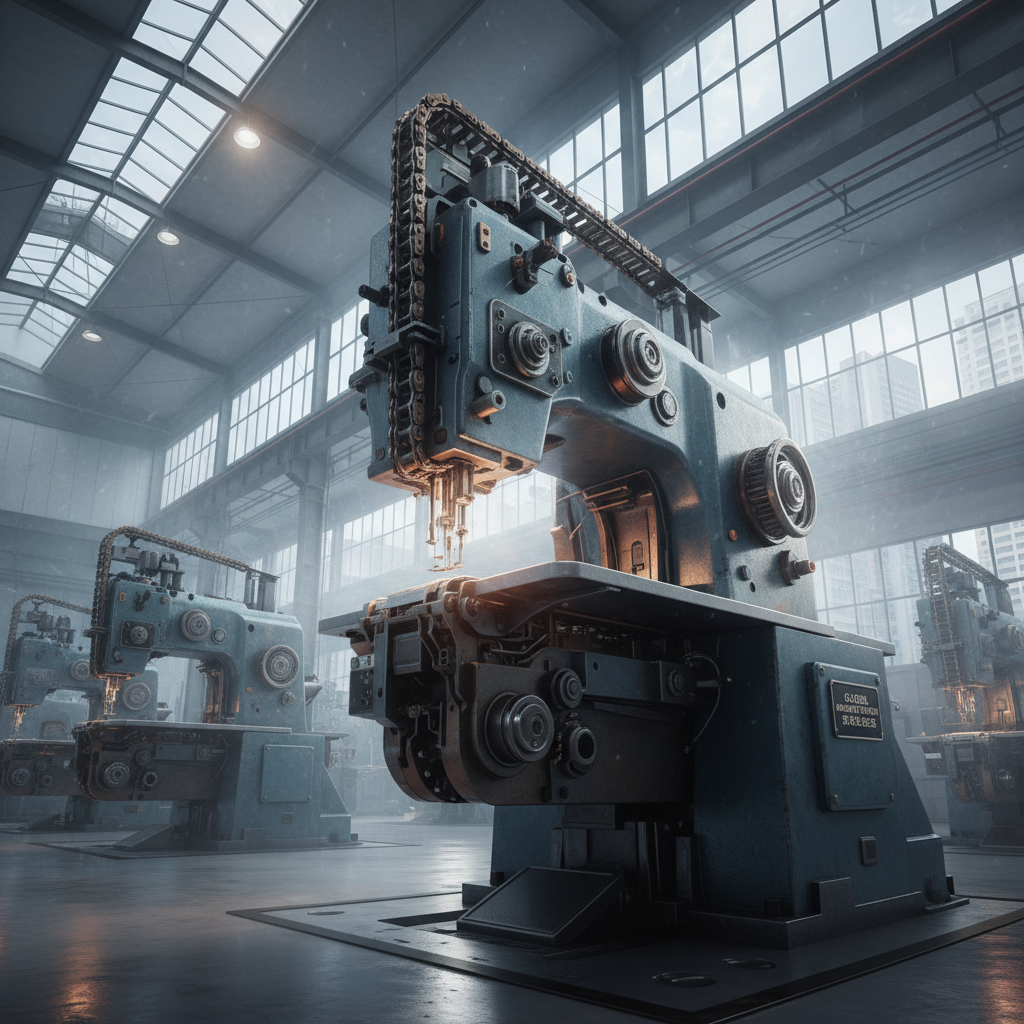
Table of Contents [Hide]
The Core Principles of chainstitch embroidery machine
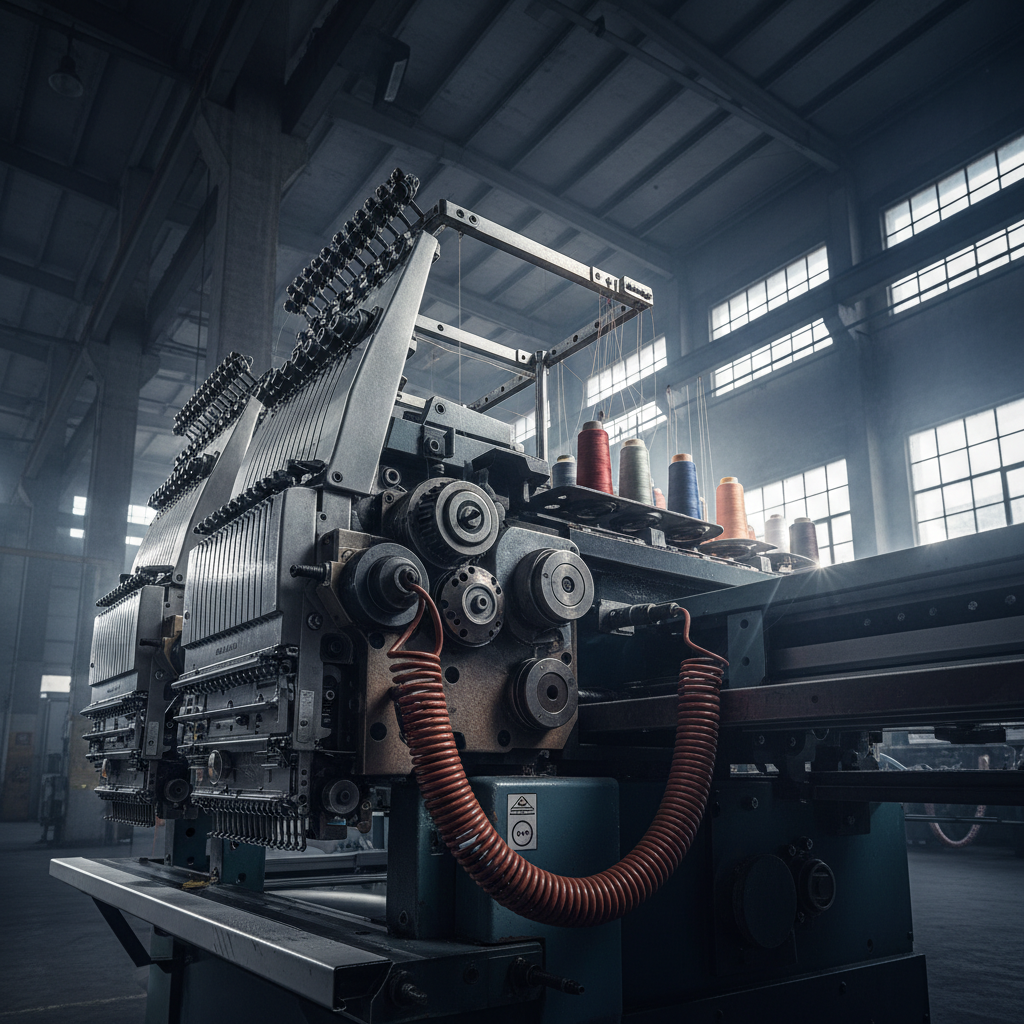
The fundamental principle behind a chainstitch embroidery machine lies in creating a series of interlocking loops on the fabric surface. Unlike lockstitch machines, which form a stitch by interweaving two threads, chainstitch utilizes a single thread that forms a chain-like structure. This singular thread looping mechanism is what gives the chainstitch its unique texture and characteristic appearance.
This core principle translates to several key advantages, including faster stitching speeds and a distinctive aesthetic quality that is highly sought after in various embroidery applications. Mastering the nuances of thread tension, loop size, and stitch density are essential for achieving optimal results with a chainstitch embroidery machine.
FAQS
What are the primary advantages of a chainstitch embroidery machine compared to traditional hand embroidery?
Chainstitch embroidery machines offer significant advantages over hand embroidery, primarily in terms of speed, efficiency, and consistency. Machines can produce intricate designs much faster than manual techniques, enabling higher production volumes and reduced labor costs. Furthermore, machines deliver uniform stitch quality and design accuracy, whereas hand embroidery is susceptible to variations based on the artisan’s skill and fatigue. The automation features in modern machines, such as programmable patterns and automated thread trimming, further streamline the process.
What types of fabrics are best suited for chainstitch embroidery?
Chainstitch embroidery works well on a variety of fabrics, but certain types are more ideal than others. Woven fabrics like denim, cotton, and linen are particularly well-suited due to their stability and ability to support the looped stitch structure. Knit fabrics can also be embroidered, but may require stabilization to prevent distortion. Avoid extremely delicate or loosely woven fabrics, as they may be prone to puckering or damage during the embroidery process. The weight and texture of the fabric influence the optimal needle and thread choices.
How much maintenance is typically required for a chainstitch embroidery machine?
Chainstitch embroidery machines require regular maintenance to ensure optimal performance and longevity. Key maintenance tasks include cleaning the machine to remove lint and debris, lubricating moving parts, and replacing worn components like needles, hooks, and belts. The frequency of maintenance depends on usage, but daily cleaning and monthly lubrication are generally recommended. Regular inspections and professional servicing can prevent breakdowns and extend the machine's lifespan.
What is the typical learning curve for operating a chainstitch embroidery machine?
The learning curve for operating a chainstitch embroidery machine varies depending on the complexity of the machine and the operator’s prior experience. Basic operation, such as threading the machine and running simple designs, can be learned relatively quickly with proper training. However, mastering advanced features like design editing, troubleshooting, and intricate pattern creation requires more time and practice. Many manufacturers offer training programs and online resources to assist new users.
Are there options for computerized chainstitch embroidery machines suitable for small businesses?
Yes, there are numerous computerized chainstitch embroidery machines specifically designed for small businesses. These machines often offer a balance of affordability, functionality, and ease of use. They typically feature user-friendly software for design editing, a compact footprint, and essential features like automatic thread trimming and programmable patterns. Selecting a machine with the appropriate number of needles and embroidery area is crucial for meeting the specific needs of a small business.
What safety precautions should be taken when operating a chainstitch embroidery machine?
Safety is paramount when operating a chainstitch embroidery machine. Always wear appropriate eye protection to shield against flying debris. Keep hands and fingers clear of moving parts, such as the needle and hook. Ensure the machine is properly grounded to prevent electrical hazards. Follow the manufacturer’s safety guidelines and never attempt to repair or modify the machine without proper training. Regular inspection of safety features, like emergency stop buttons, is also essential.
Conclusion
In conclusion, the chainstitch embroidery machine stands as a testament to the power of technological innovation in the textile industry. From its historical roots to its modern computerized iterations, this machine has consistently evolved to meet the demands of a dynamic market. Its versatility, efficiency, and ability to produce high-quality, aesthetically pleasing embroidery have made it an invaluable tool for businesses and artisans alike.
Looking ahead, the future of chainstitch embroidery promises even greater advancements, driven by automation, AI, and sustainable practices. Investing in this technology not only unlocks economic benefits but also supports a more responsible and creative approach to textile production. Visit our website at www.longsew.com to explore our range of chainstitch embroidery machines and discover how we can help you elevate your embroidery projects.
Related Posts
-
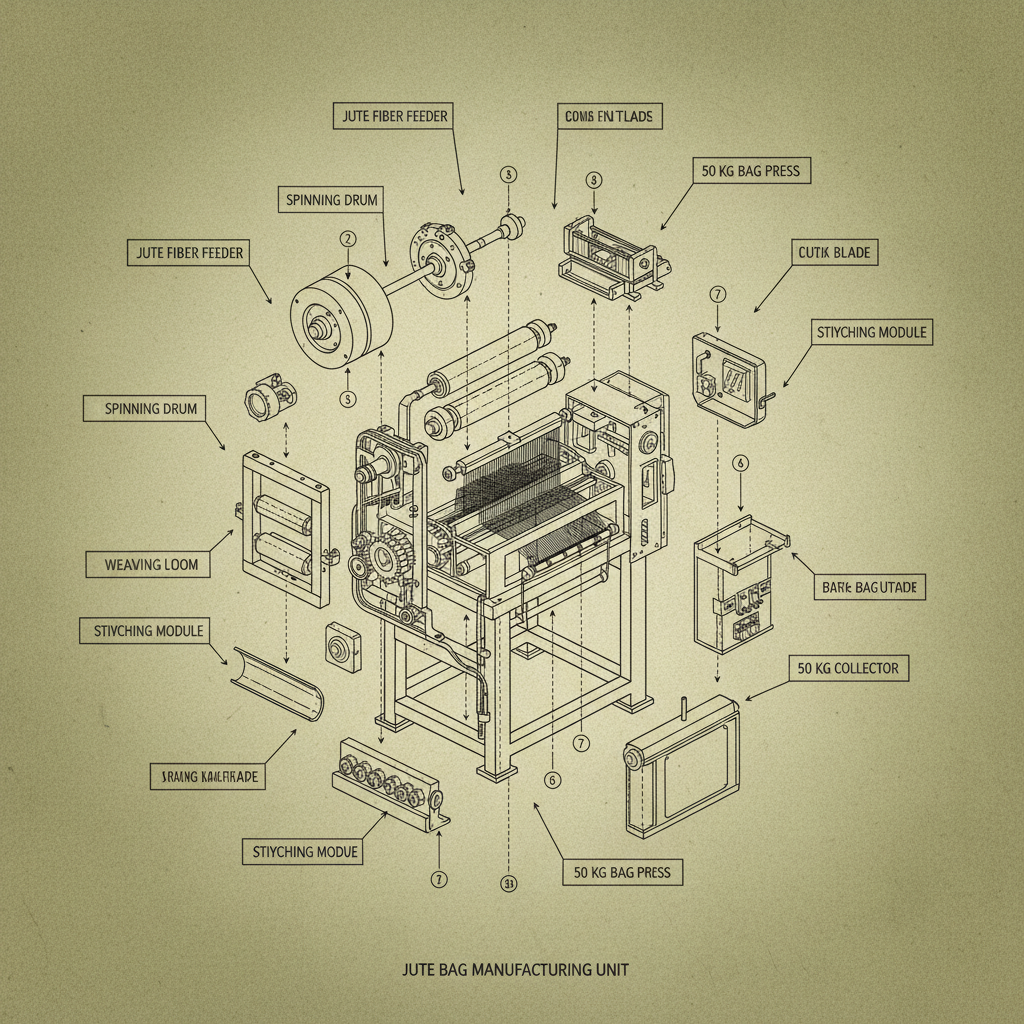
Robust 50 kg Jute Bag Making Machine Solutions for Efficient Packaging
-
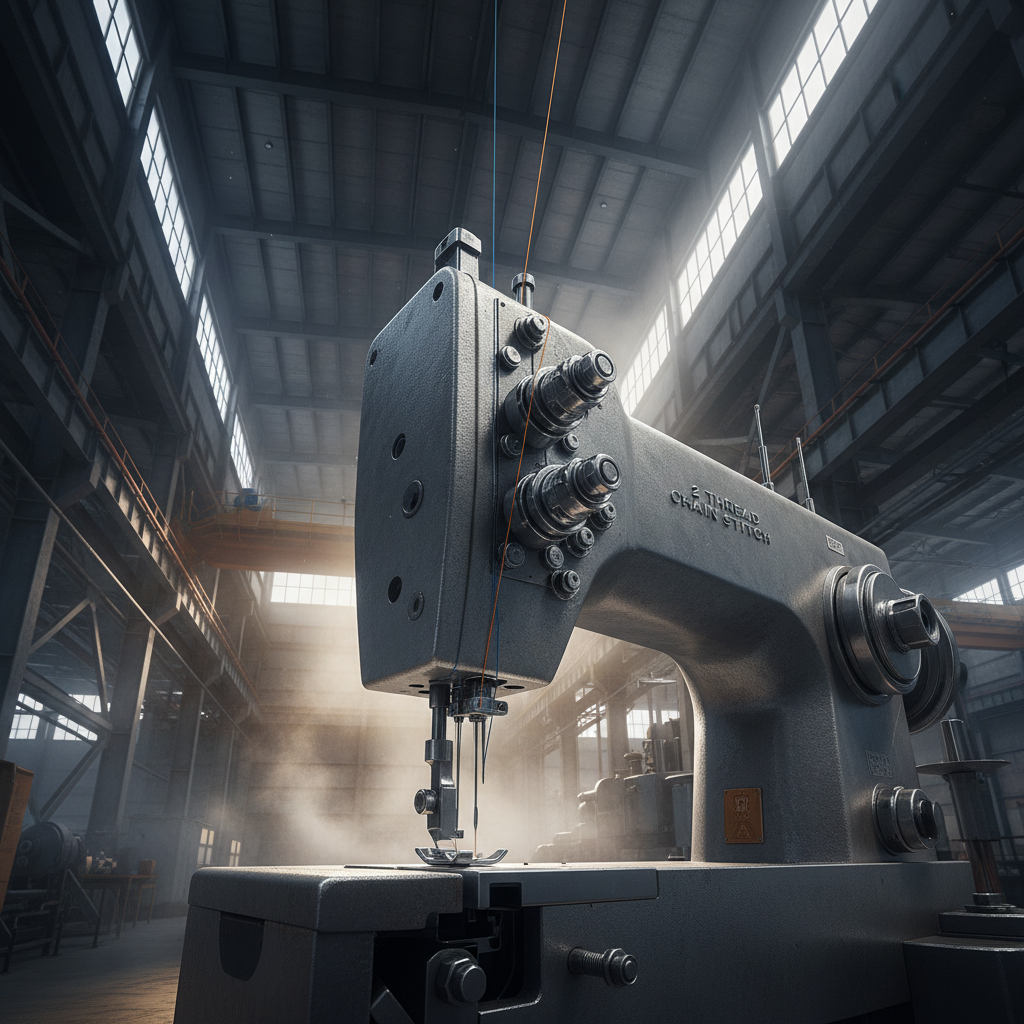
Exploring the Versatility of the 2 Thread Chain Stitch in Modern Textiles
-
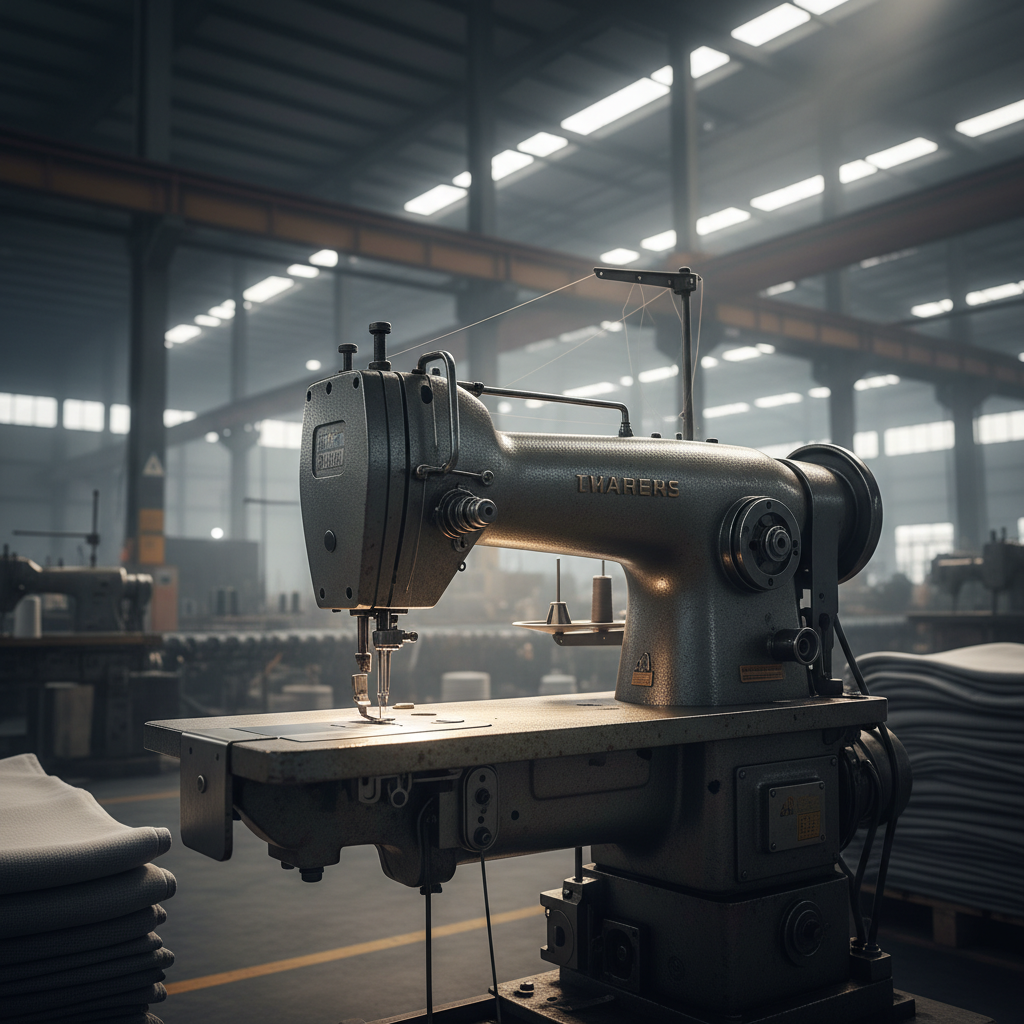
Optimizing Textile Production with a High Performance Sewing Machine with Double Needle
-
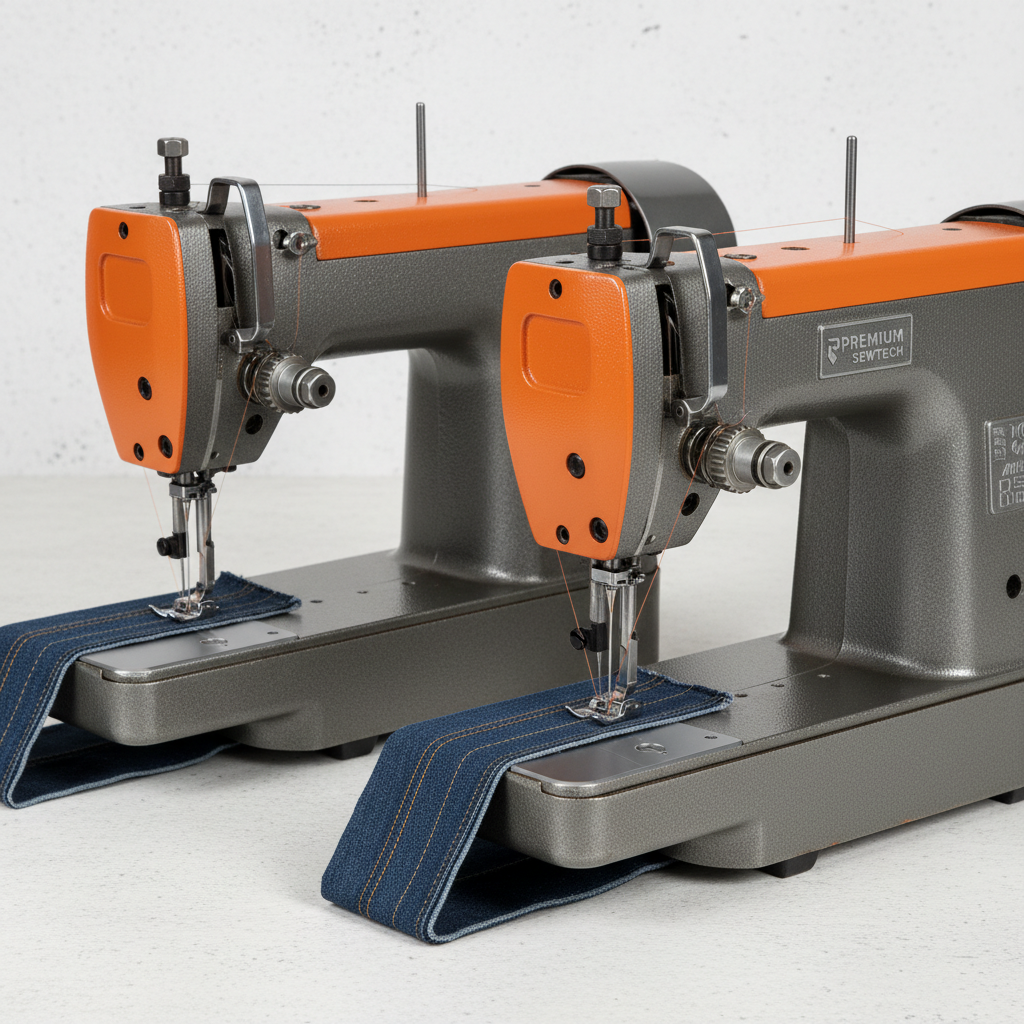
Exploring the Versatility and Efficiency of the Two Thread Chain Stitch
Updated:

Michael Thompson
Michael Thompson is the Regional Sales Representative for the Eastern US, representing LongSew Machinery Technology. He has a robust understanding of the packaging and industrial sewing industries. Michael specializes in connecting with companies utilizing FIBC bags and other large-scale industrial sewing applications. He is focused on demonstrating the value of