

0%
The sewing machine with double needle stands as a cornerstone of modern textile manufacturing, facilitating the efficient and robust creation of seams in a diverse range of applications. From heavy-duty industrial fabrics to delicate garment construction, this specialized machinery offers unparalleled speed and reliability. Understanding its capabilities is vital for businesses seeking to optimize production processes and deliver high-quality finished products. The global demand for efficiently produced textiles continues to grow, making the sewing machine with double needle an increasingly important asset.
The importance of a reliable sewing machine with double needle extends beyond simple efficiency gains. It directly impacts product durability and the overall integrity of finished goods, particularly in sectors like upholstery, automotive, and protective wear. Investing in quality equipment translates to reduced waste, lower repair costs, and enhanced customer satisfaction. Modern advancements in double needle sewing technology continue to push boundaries in terms of speed, precision, and material compatibility.
The evolution of the sewing machine with double needle reflects a broader trend towards automation and specialization within the textile industry. As manufacturers strive to meet demanding production targets and maintain competitive pricing, these machines provide a crucial advantage. The adaptability of sewing machine with double needle allows for seamless integration into existing workflows, offering a versatile solution for a wide array of sewing tasks, solidifying its position as an indispensable component of the global textile supply chain.
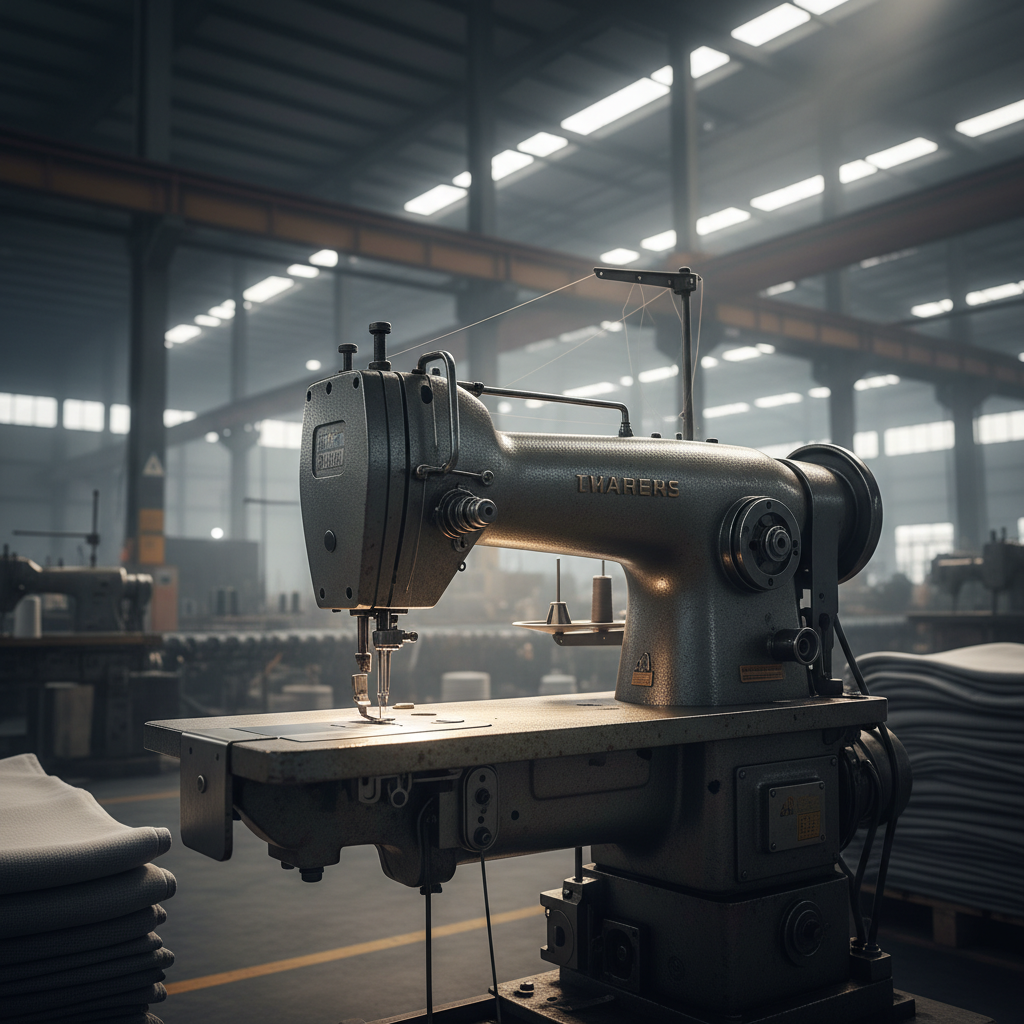
Table of Contents [Hide]
The Core Principles of Sewing Machine with Double Needle
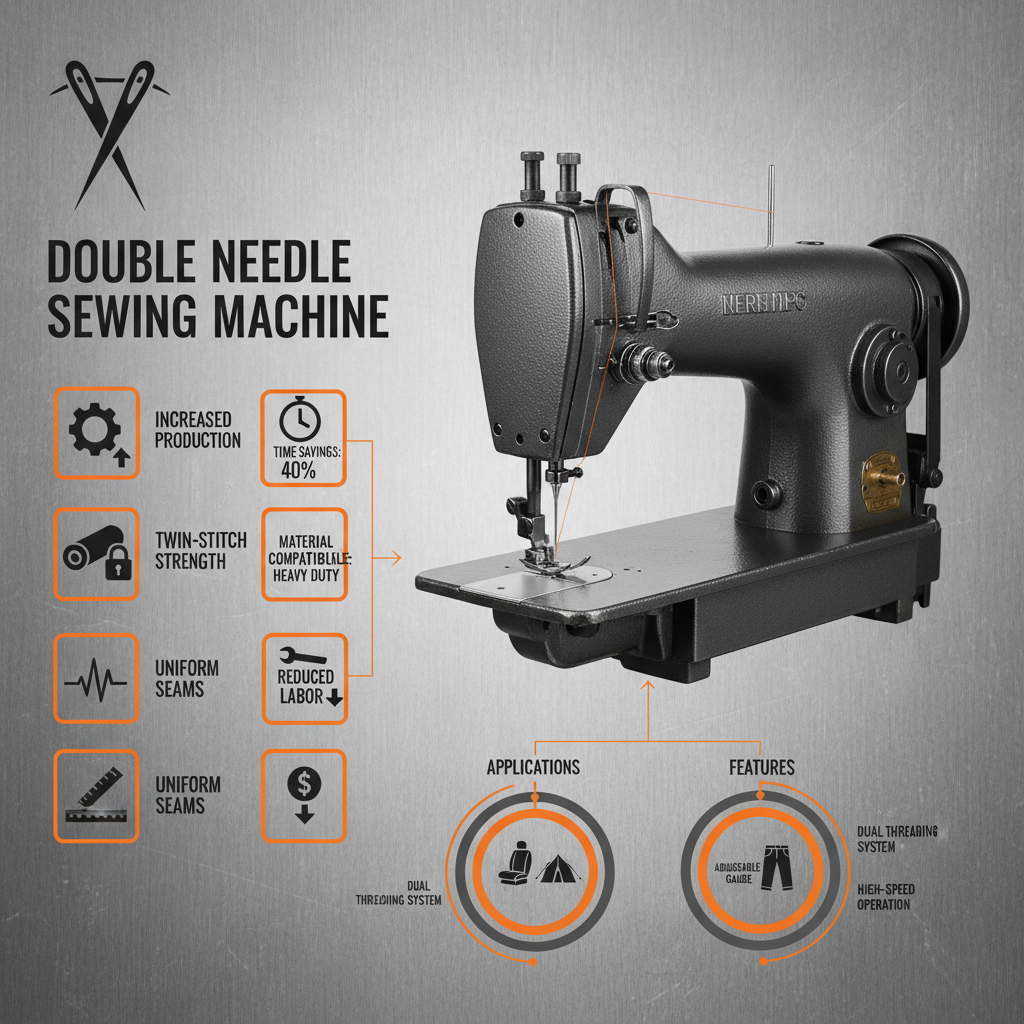
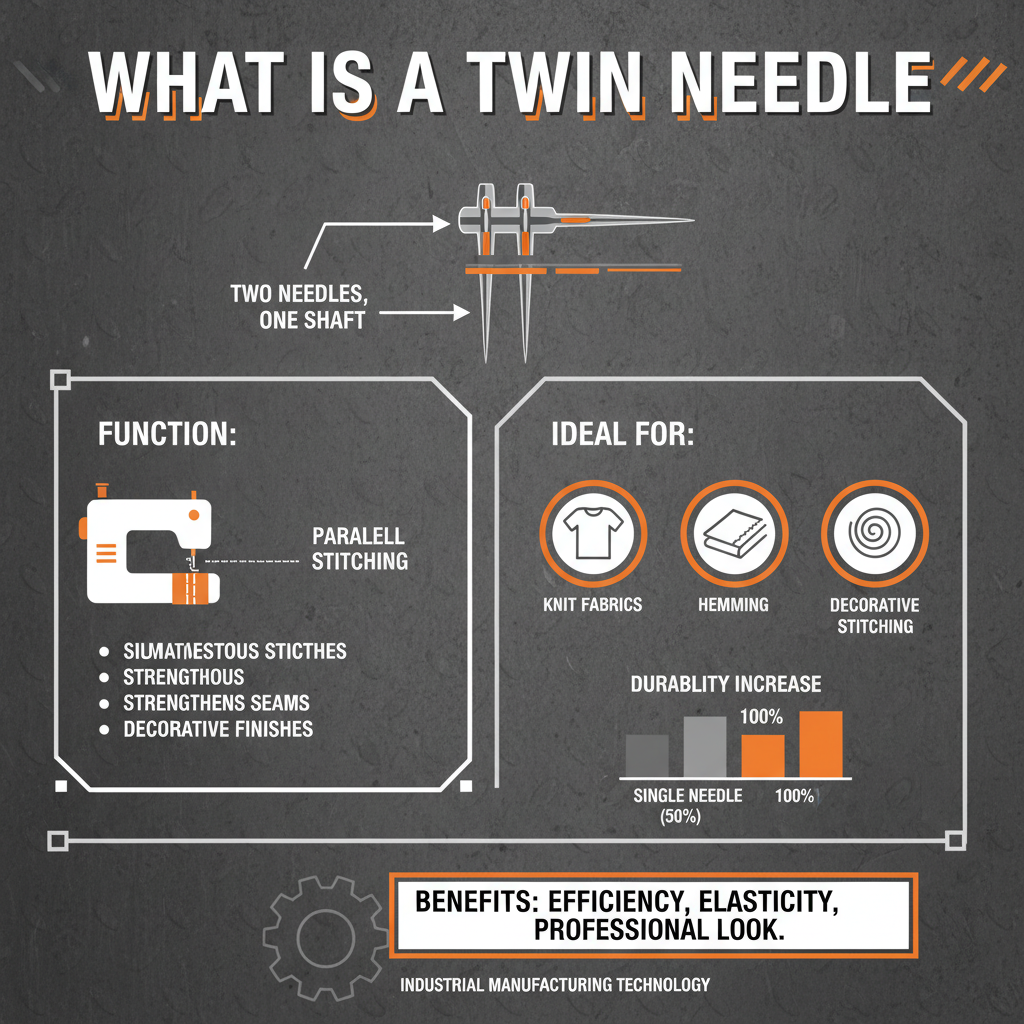
At its heart, the sewing machine with double needle operates on the principle of interlocking two separate stitch lines simultaneously. This creates a stronger and more durable seam compared to a single needle, making it ideal for applications requiring high tensile strength. The synchronized movement of two needles, driven by a sophisticated mechanical system, ensures consistent stitch formation and minimizes the risk of seam failure.
The key benefit lies in its ability to reduce production time. Because two rows of stitching are completed in a single pass, manufacturers can significantly increase output without compromising seam quality. This efficiency is particularly crucial in high-volume production environments where time is a critical factor. Furthermore, the double needle configuration often eliminates the need for additional finishing steps, further streamlining the manufacturing process.
FAQS
What are the primary advantages of using a sewing machine with double needle compared to a single needle machine?
A sewing machine with double needle offers significantly increased seam strength and durability due to the creation of two parallel stitch lines. This makes it ideal for applications requiring high tensile strength, such as upholstery, automotive interiors, and heavy-duty apparel. Furthermore, it often increases production speed by completing two rows of stitching in a single pass, ultimately boosting overall efficiency.
What types of fabrics are best suited for a sewing machine with double needle?
Sewing machine with double needle performs exceptionally well with medium to heavy-weight fabrics, including denim, canvas, leather, and upholstery materials. It’s also suitable for synthetic fabrics where increased seam strength is required. However, extremely delicate or lightweight fabrics might require adjustments or a different machine type to prevent damage or puckering. Choosing the right needle type is also crucial for optimal results.
How often does a sewing machine with double needle require maintenance?
Regular maintenance is vital for ensuring optimal performance and longevity. Recommended maintenance includes daily cleaning and lubrication, weekly needle replacement, and annual professional servicing. Proper lubrication minimizes friction, prevents wear and tear, and ensures smooth operation. Neglecting maintenance can lead to decreased efficiency, increased downtime, and potential machine damage.
What are the common troubleshooting steps for a sewing machine with double needle?
Common issues include thread breakage, skipped stitches, and uneven stitching. Troubleshooting steps involve checking the needle for damage, ensuring proper thread tension, cleaning the bobbin case, and verifying the timing of the machine. If these steps don't resolve the issue, consulting a qualified technician is recommended to diagnose and repair more complex problems.
What safety precautions should be observed when operating a sewing machine with double needle?
Always wear safety glasses to protect your eyes from flying debris. Keep hands and fingers away from the moving needle and other machine parts. Ensure the machine is properly grounded to prevent electrical hazards. Disconnect the power supply before performing any maintenance or repairs. Follow all manufacturer's safety guidelines and wear appropriate protective clothing.
What is the typical lifespan of a high-quality sewing machine with double needle?
A high-quality sewing machine with double needle, with proper maintenance and regular servicing, can have a lifespan of 10-20 years or even longer. The lifespan depends on factors such as the frequency of use, the types of fabrics being sewn, and the quality of the components. Investing in a durable machine from a reputable manufacturer can provide years of reliable performance.
Conclusion
The sewing machine with double needle remains an indispensable tool in modern textile manufacturing, offering a potent combination of speed, durability, and versatility. From bolstering seam strength in heavy-duty applications to accelerating production in apparel manufacturing, its benefits are far-reaching. By understanding its core principles, applications, and future trends, businesses can maximize their investment and stay ahead in a competitive market.
As technology continues to evolve, the sewing machine with double needle is poised to become even more sophisticated, incorporating automation, digital connectivity, and sustainable practices. Staying informed about these advancements is crucial for manufacturers seeking to optimize their operations and deliver high-quality products. Visit our website at www.longsew.com to explore our range of sewing machine with double needle solutions and discover how we can help you achieve your production goals.
Updated:

Kevin Wilson
Kevin Wilson is LongSew’s Product Specialist, focusing on the pattern sewing machine and new automated sewing systems. With a background in textile engineering, Kevin's role is to highlight LongSew's expanding product line and its application to new and emerging markets. He’s deeply involved in product development feedback and testing, ensuring