

0%
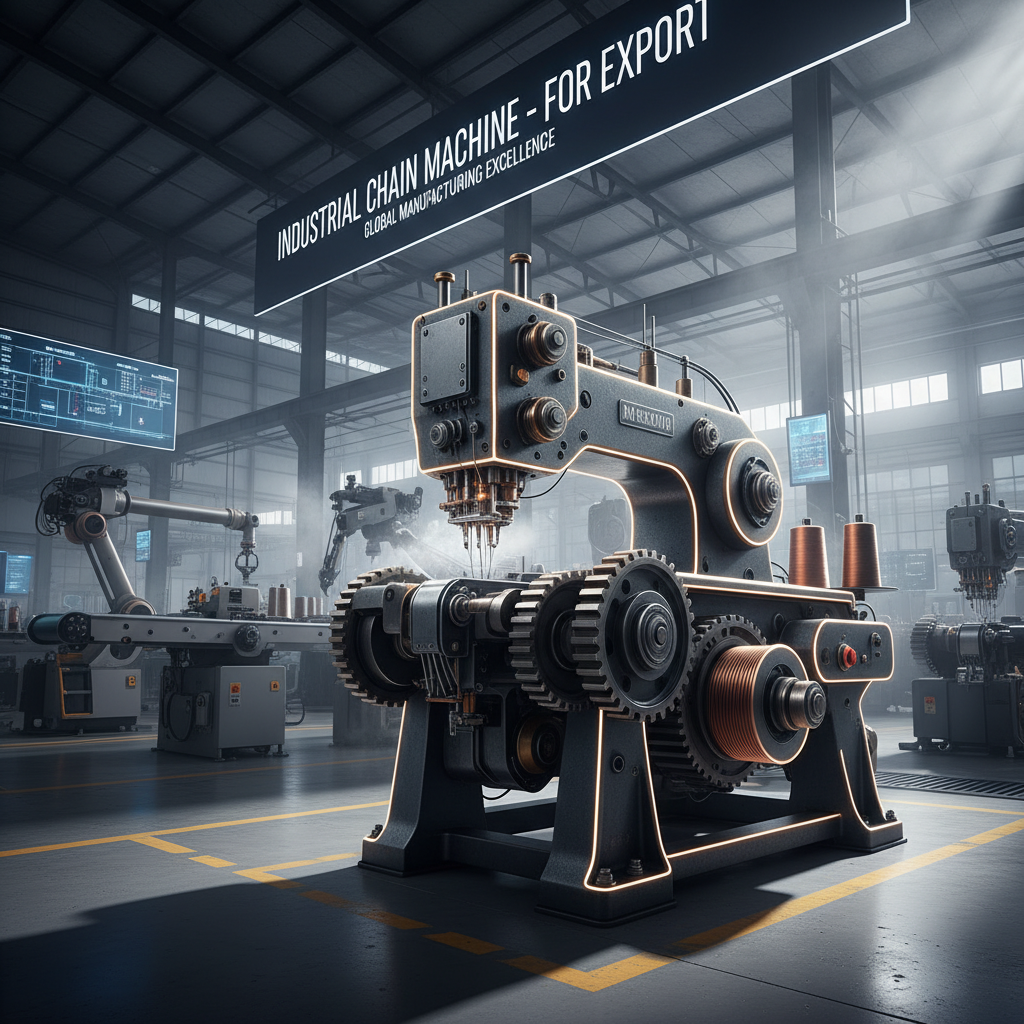
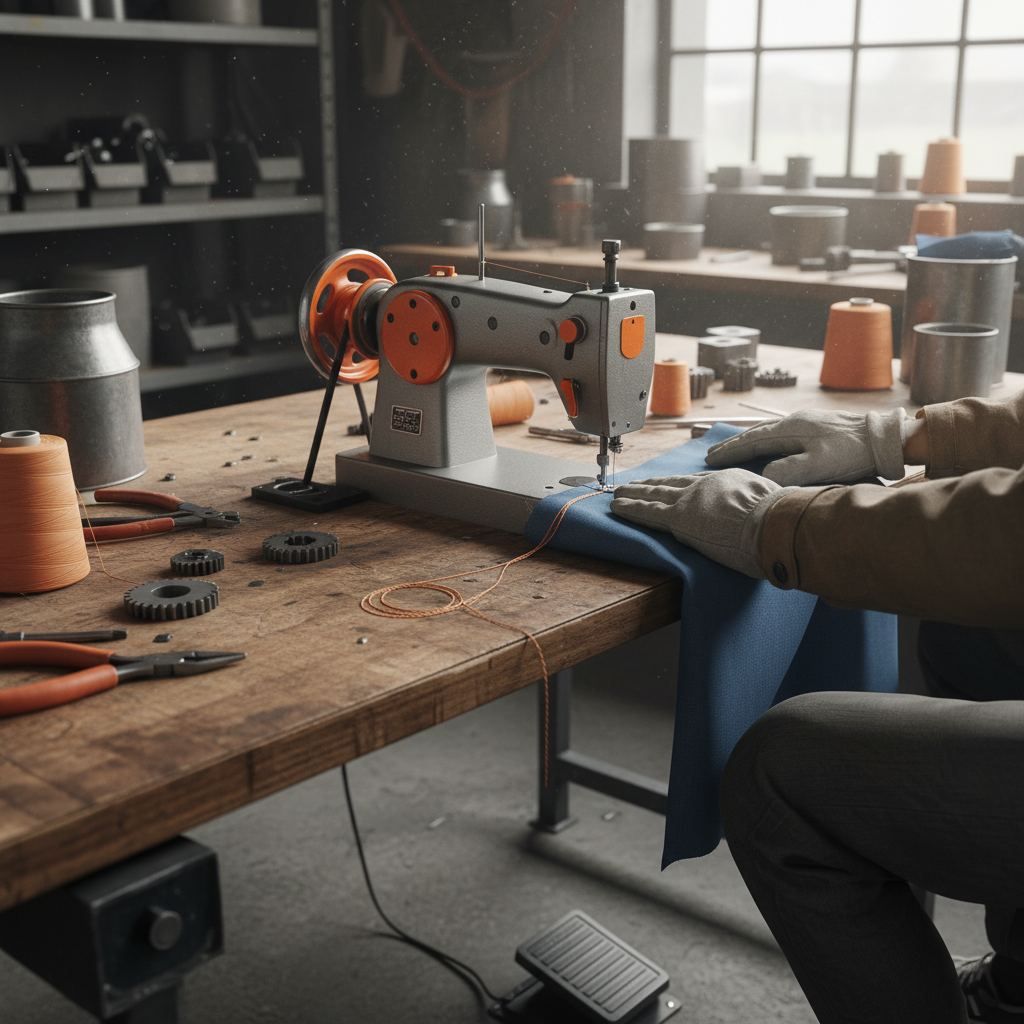
The 2 needle chain stitch machine represents a cornerstone of industrial sewing, offering a unique blend of flexibility and strength that is indispensable for high-stress seams. By utilizing a chain stitch rather than a lockstitch, these machines ensure that the seam can stretch and move with the fabric, preventing the thread from snapping under tension in garments like denim or athletic wear.
Globally, the adoption of the 2 needle chain stitch machine has revolutionized the efficiency of apparel manufacturing. Its ability to produce professional-grade double-needle seams at high speeds allows manufacturers to meet the rigorous demands of the fast-fashion and heavy-duty workwear industries while maintaining structural integrity.
Understanding the mechanics and application of a 2 needle chain stitch machine is essential for any textile operation aiming to optimize its production line. From reducing downtime through superior seam reliability to enhancing the aesthetic appeal of outer seams, this equipment provides a critical competitive edge in the modern garment factory.
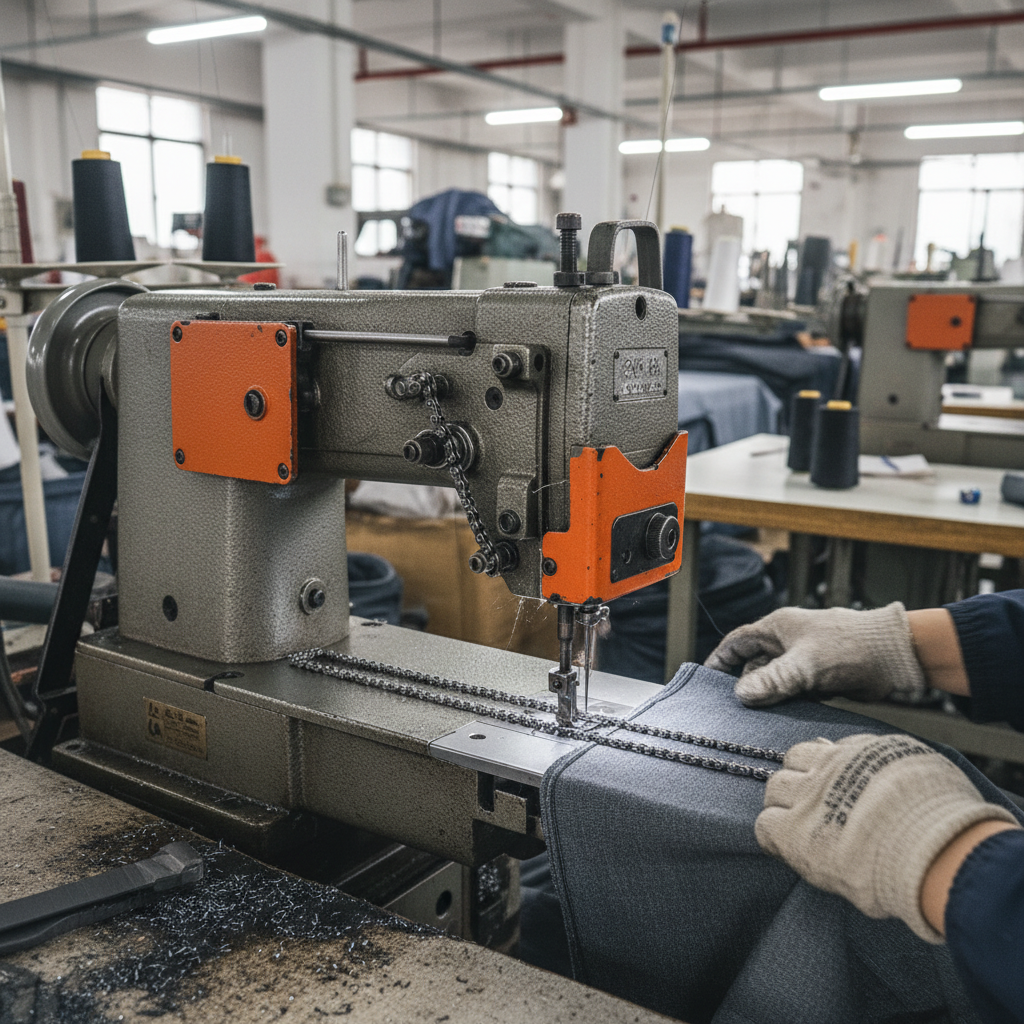
Table of Contents [Hide]
Global Industrial Relevance of 2 Needle Chain Stitch Machines
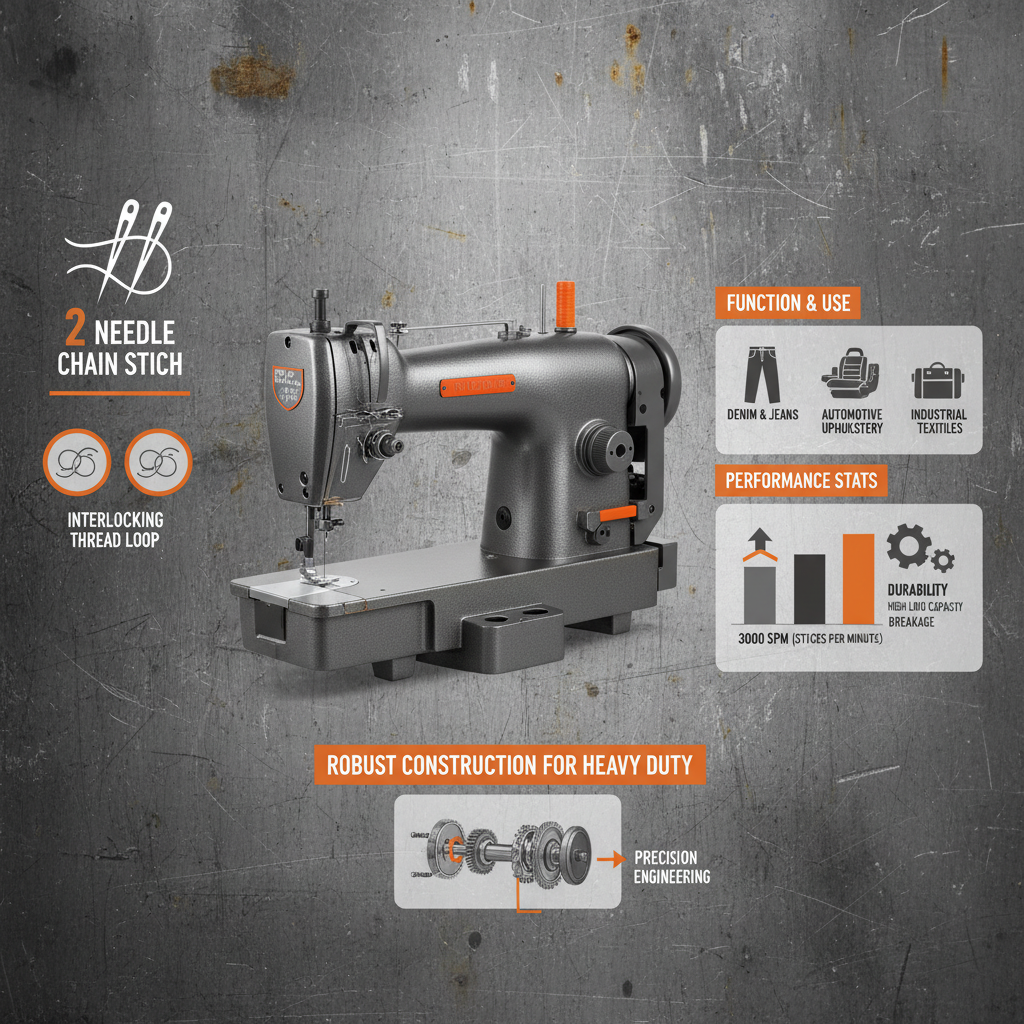
In the current global manufacturing landscape, the demand for durable apparel has surged, particularly in the workwear and denim sectors. The 2 needle chain stitch machine is critical here, as ISO standards for garment durability often require seams that can withstand significant pull-force without unraveling. In major textile hubs across Southeast Asia and Europe, these machines are the workhorses of the assembly line.
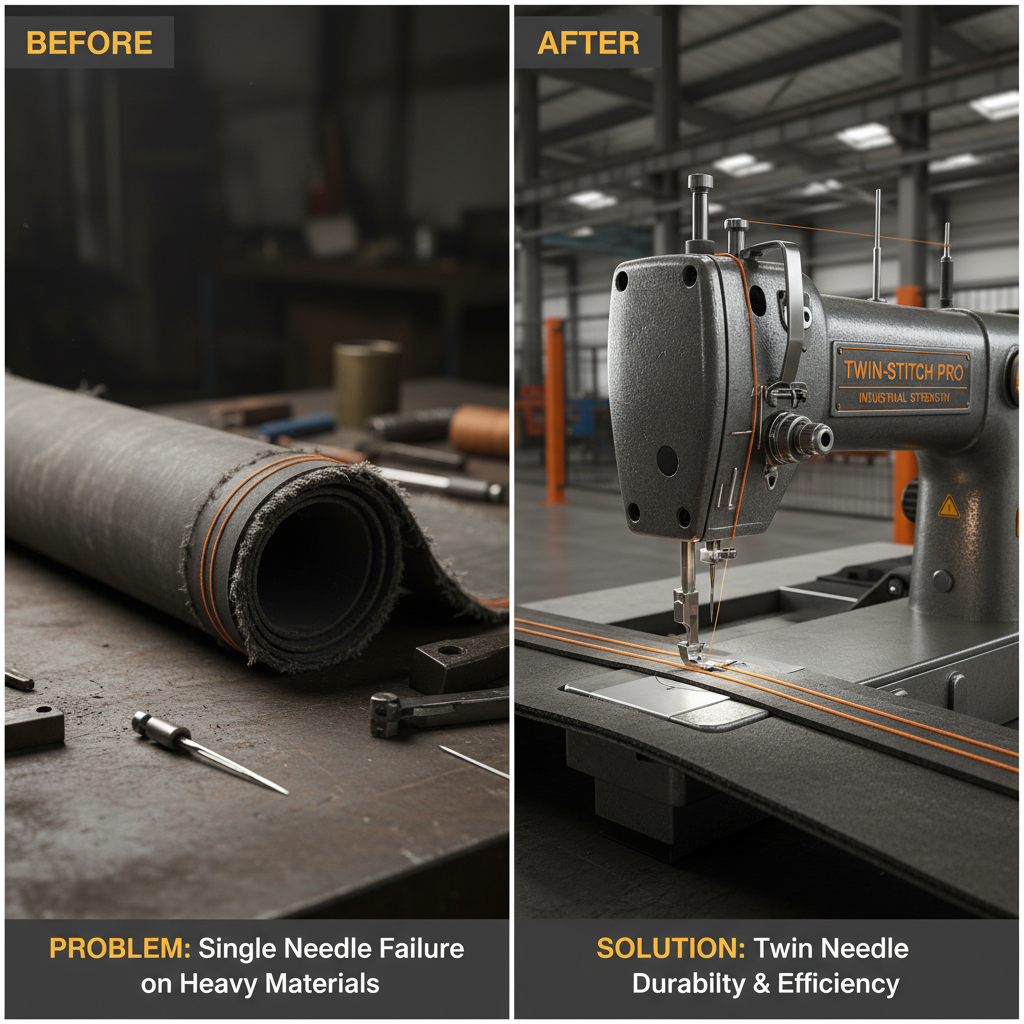
The challenge faced by many factories is the balance between speed and seam elasticity. Traditional lockstitching often fails in heavy fabrics, leading to high return rates due to popped seams. By implementing a 2 needle chain stitch machine, manufacturers solve this problem, ensuring that the garment's construction is as resilient as the fabric itself, which is vital for sustainable fashion.
FAQS
What is the primary difference between a 2 needle chain stitch machine and a lockstitch machine?
The primary difference is the stitch structure. A lockstitch uses a bobbin to lock threads in the center of the fabric, making it rigid. A 2 needle chain stitch machine uses loopers to create a chain of interlocking loops. This results in a seam that is far more elastic and resistant to breaking when the fabric is stretched, which is why it is preferred for denim and activewear.
Can a 2 needle chain stitch machine be used for thin fabrics?
Yes, but it requires careful adjustment. While these machines are built for heavy-duty work, you can use them for thinner fabrics by adjusting the thread tension, reducing the stitch length, and using a finer needle size. However, for very sheer fabrics, a standard lockstitch may provide a cleaner look.
How do I prevent skipped stitches on my 2 needle chain stitch machine?
Skipped stitches are usually caused by incorrect looper timing or a blunt needle. First, ensure you are using the correct needle type for your fabric. If the problem persists, check the distance between the needle and the looper tip; even a fraction of a millimeter of misalignment can cause the looper to miss the thread loop.
Is a 2 needle chain stitch machine harder to maintain than other industrial machines?
It requires more attention to lubrication and timing due to the complexity of the looper system. However, once calibrated, it is incredibly reliable. Regular cleaning of the feed dogs and oiling the moving parts are the most critical maintenance steps to ensure long-term performance.
Why is the 2 needle chain stitch machine preferred for jean inseams?
Jean inseams experience the most stress during movement. A 2 needle chain stitch machine creates a seam that can stretch slightly without the thread snapping. Additionally, the double-needle layout allows for a "felled" seam where the raw edges of the fabric are encased, providing a professional finish and maximum strength.
Are there energy-efficient versions of these machines available?
Absolutely. Modern 2 needle chain stitch machines now come equipped with integrated servo motors. Unlike old-fashioned clutch motors that run constantly, servo motors only consume power when the pedal is depressed, reducing electricity costs and noise levels in the factory significantly.
Conclusion
The 2 needle chain stitch machine is more than just a piece of equipment; it is a critical investment for any manufacturer prioritizing durability, efficiency, and product longevity. By bridging the gap between high-speed production and high-strength construction, it ensures that garments can withstand the rigors of real-world use, thereby reducing waste and increasing consumer satisfaction.
As the textile industry moves toward greater automation and sustainable practices, the evolution of the 2 needle chain stitch machine will continue to play a pivotal role. We recommend that factories upgrade to servo-driven, digitally-calibrated models to maximize their ROI and stay competitive in a global market. For more professional equipment solutions, visit our website: www.longsew.com.
Related Posts
Updated:

Kevin Wilson
Kevin Wilson is LongSew’s Product Specialist, focusing on the pattern sewing machine and new automated sewing systems. With a background in textile engineering, Kevin's role is to highlight LongSew's expanding product line and its application to new and emerging markets. He’s deeply involved in product development feedback and testing, ensuring