

0%
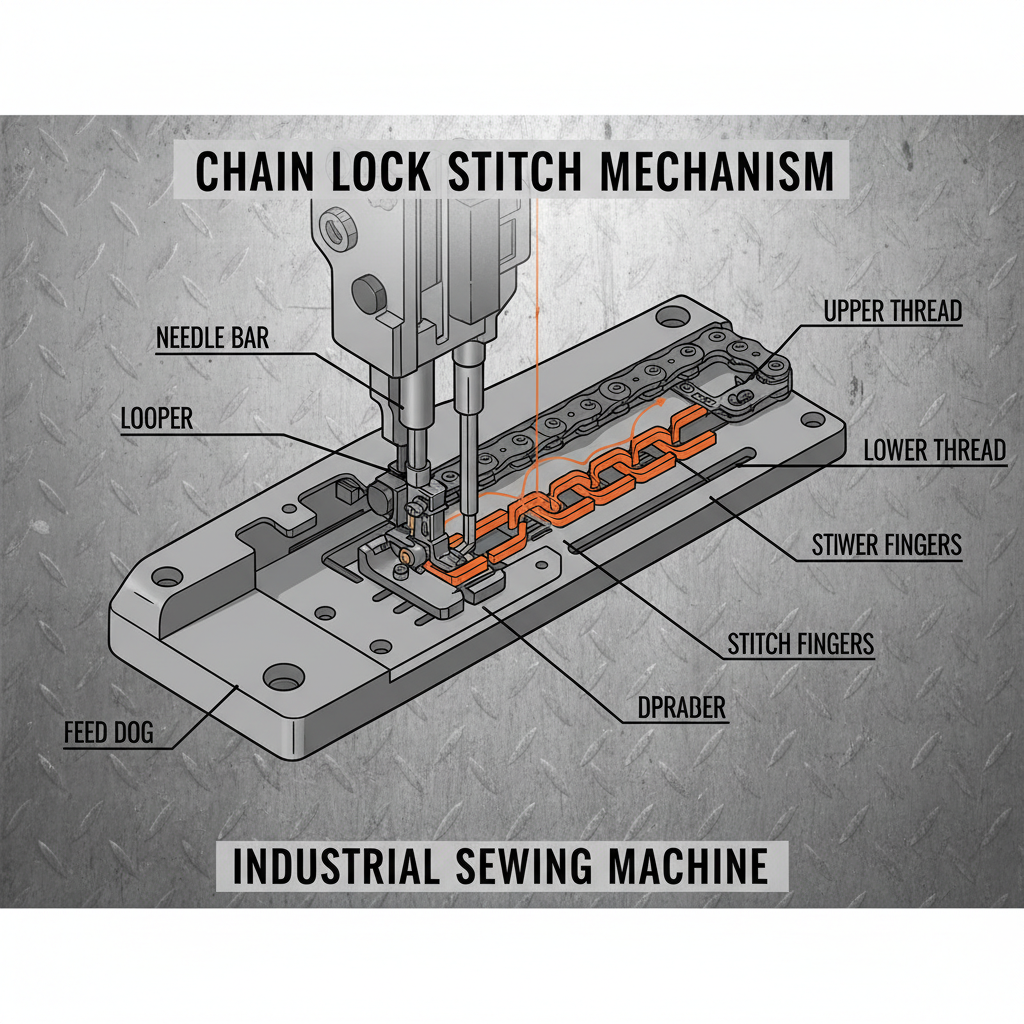
The two thread chain stitch, a fundamental seam type in the world of sewing and textile engineering, is more than just a method of joining fabrics. It's a cornerstone of industries ranging from apparel manufacturing to industrial textiles, offering a balance of speed, strength, and cost-effectiveness. Understanding its intricacies is crucial for designers, manufacturers, and engineers seeking optimized production processes and durable product construction.
Globally, the demand for efficient and reliable stitching solutions continues to rise, driven by fast fashion, increasing industrial output, and the need for robust materials in diverse applications. The two thread chain stitch directly addresses this demand, providing a versatile option suitable for a wide spectrum of fabrics and end-uses. Its adaptability makes it a critical element in supply chains worldwide.
The two thread chain stitch offers significant benefits including its high production speed, relative simplicity in operation, and its suitability for a broad range of fabric weights. This makes it a particularly valuable technique in mass production environments where efficiency and cost are paramount. Furthermore, advancements in machine technology are continually improving the quality and reliability of this essential stitch.
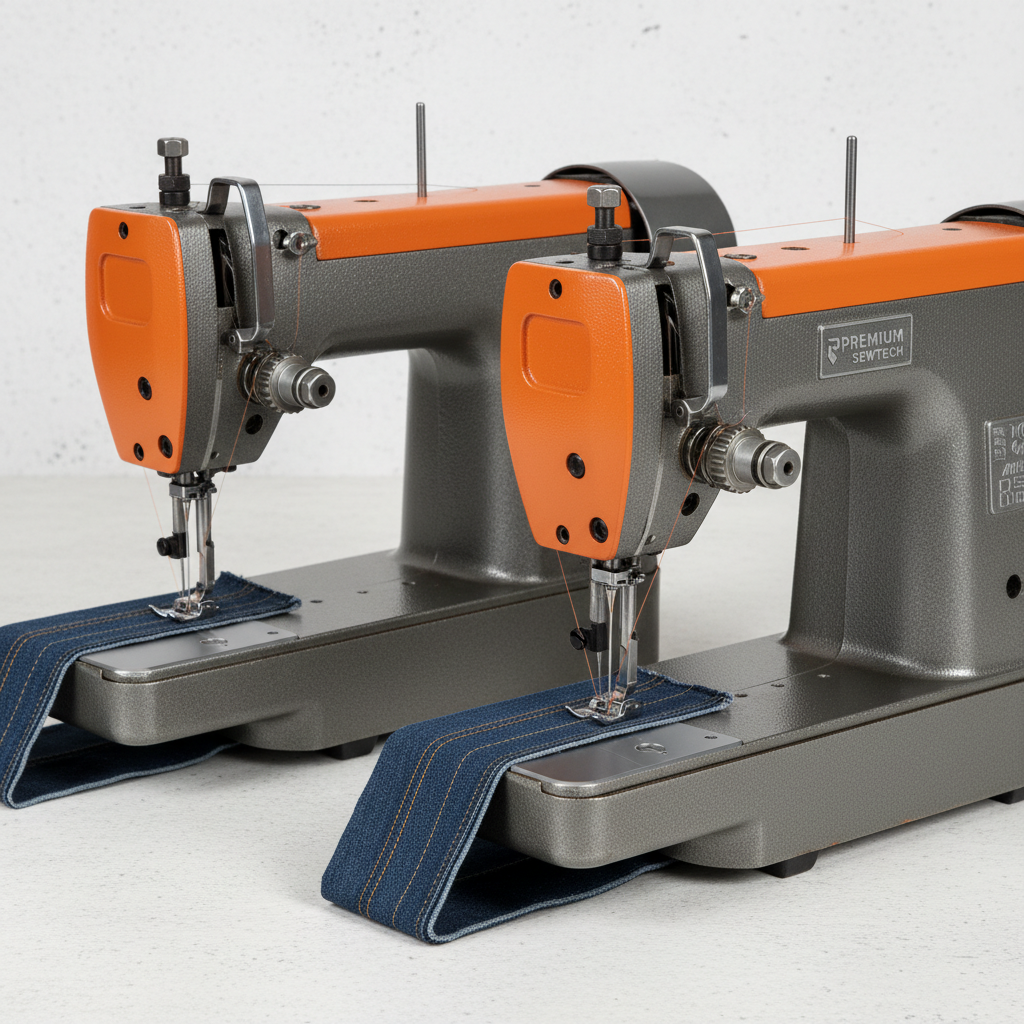
Table of Contents [Hide]
Introduction to the Two Thread Chain Stitch
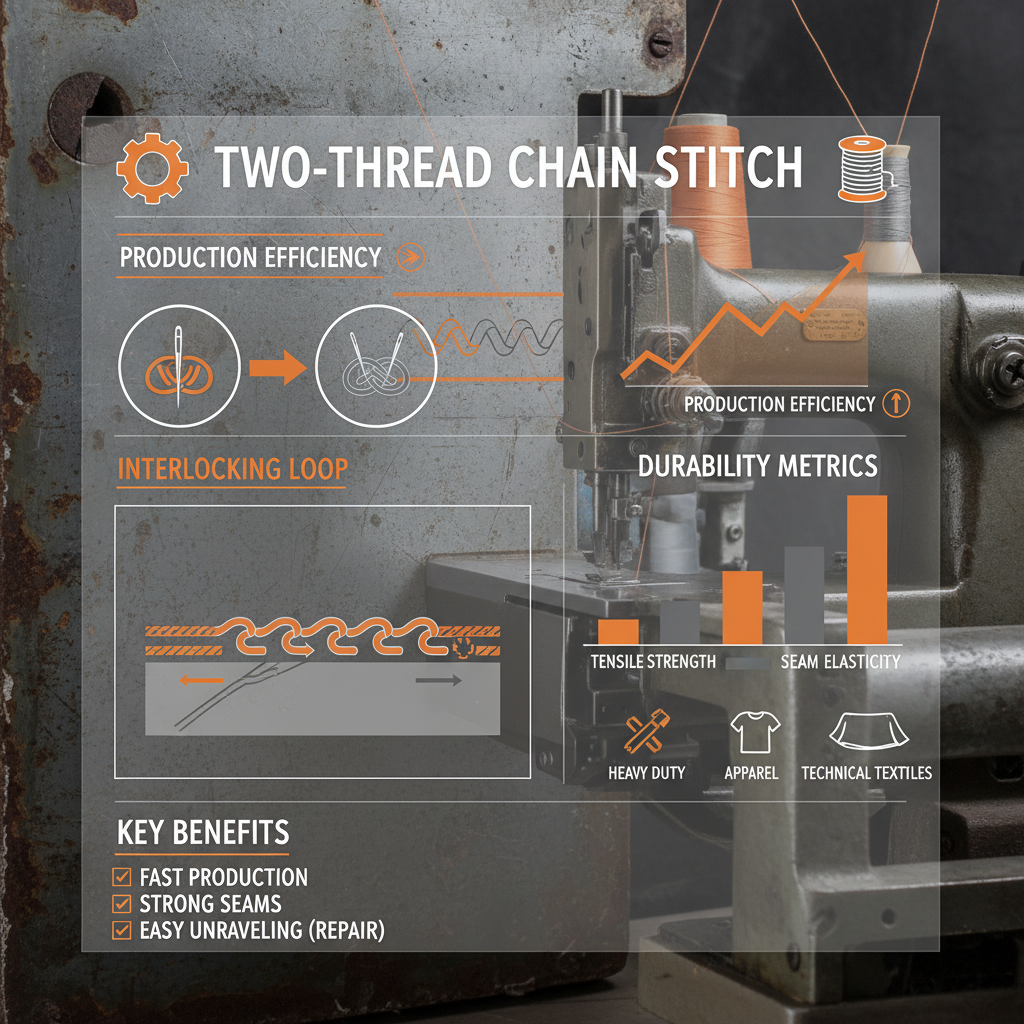
The two thread chain stitch stands as a cornerstone of modern sewing, offering a rapid and cost-effective means of joining fabrics. Its versatility allows it to be used in numerous applications from garment construction to creating durable seams in technical textiles. The widespread adoption of this stitch highlights its vital role in global manufacturing.
Its primary benefit lies in its speed; compared to lockstitch, the two thread chain stitch can significantly increase production rates. This speed, coupled with its relative simplicity, makes it ideally suited for large-scale manufacturing processes where efficiency is critical. Understanding this foundational stitching method is essential for anyone involved in textile production and design.
FAQS
What are the primary applications of the two thread chain stitch in garment manufacturing?
The two thread chain stitch is predominantly used for basting, temporary seams, and lightweight garment construction. Its speed and ease of removal make it ideal for pre-assembly processes and quick prototyping. It’s also employed for decorative topstitching, adding a unique aesthetic element to clothing. Its cost effectiveness makes it a popular choice in fast fashion.
How does the two thread chain stitch compare to a lockstitch in terms of seam strength?
Generally, a lockstitch provides significantly greater seam strength than the two thread chain stitch. The interlocking nature of a lockstitch creates a more secure and durable bond. However, the two thread chain stitch can be suitable for applications where high seam strength isn't critical, such as temporary seams or lightweight fabrics. Proper thread selection and reinforcement techniques can enhance the strength of a chain stitch.
What types of fabrics are best suited for the two thread chain stitch?
The two thread chain stitch performs well on a variety of fabrics, particularly lightweight to medium-weight knits and wovens. It’s less ideal for extremely heavy or abrasive materials. It excels with fabrics that don't require exceptionally high seam strength. Careful adjustment of machine settings is key to optimizing stitch quality for different fabric types.
What is the typical production speed of a machine using the two thread chain stitch compared to other stitches?
The two thread chain stitch is known for its high production speed. It generally operates significantly faster than a lockstitch, often exceeding several hundred stitches per minute. This speed advantage is a major factor in its adoption for large-scale manufacturing processes. The speed can vary based on machine model and fabric type.
What preventative maintenance is required to ensure optimal performance of a two thread chain stitch machine?
Regular maintenance is crucial. This includes daily cleaning to remove lint and debris, lubrication of moving parts, and periodic inspection and replacement of needles and other components. Proper maintenance minimizes downtime, extends machine lifespan, and ensures consistent stitch quality. Following the manufacturer's recommendations for maintenance is highly advisable.
Can the two thread chain stitch be used for decorative purposes beyond basic topstitching?
Absolutely! By varying stitch length, thread color, and tension, creative effects can be achieved. It can be used to create decorative patterns and textures, adding visual interest to garments and textiles. Combining it with other stitching techniques opens up even greater possibilities for unique design elements. Skilled operators can achieve intricate decorative effects.
Conclusion
The two thread chain stitch remains a vital technique in the textile industry, offering a compelling combination of speed, cost-effectiveness, and versatility. Its adaptability to diverse applications, from apparel manufacturing to industrial textiles, underscores its enduring relevance. Understanding its strengths and limitations is crucial for optimizing production processes and ensuring product quality.
Looking ahead, continued advancements in automation, sustainable materials, and machine technology will further enhance the capabilities and sustainability of the two thread chain stitch. Embracing these innovations will be key to maintaining its position as a cornerstone of modern textile production and driving efficiency in global supply chains. To learn more about how the two thread chain stitch can benefit your operations, visit our website: www.longsew.com
Updated:

Michael Thompson
Michael Thompson is the Regional Sales Representative for the Eastern US, representing LongSew Machinery Technology. He has a robust understanding of the packaging and industrial sewing industries. Michael specializes in connecting with companies utilizing FIBC bags and other large-scale industrial sewing applications. He is focused on demonstrating the value of