

0%
Understanding how to use a double needle is crucial for various industries, from apparel manufacturing and upholstery to leather goods and even specialized technical applications. It represents a significant step up in efficiency and quality compared to single-needle sewing, allowing for faster production of seams, decorative stitching, and even functional applications like simultaneous seam sealing. This knowledge impacts global supply chains, manufacturing costs, and the durability of countless products we rely on daily.
The relevance extends beyond purely economic factors. Proficiency in how to use a double needle contributes to improved worker safety, reduced material waste, and the ability to create more robust and long-lasting goods. This resonates with growing consumer demands for sustainable and ethically produced products. Mastering this skill empowers businesses to meet these expectations and remain competitive in a rapidly evolving market.
Furthermore, knowing how to use a double needle effectively unlocks possibilities for innovation in textile arts and industrial design. It allows for complex stitching patterns, intricate detailing, and the creation of unique textures, pushing the boundaries of what’s possible with sewn materials. Ultimately, a firm grasp of this technique is an investment in quality, efficiency, and creative potential.
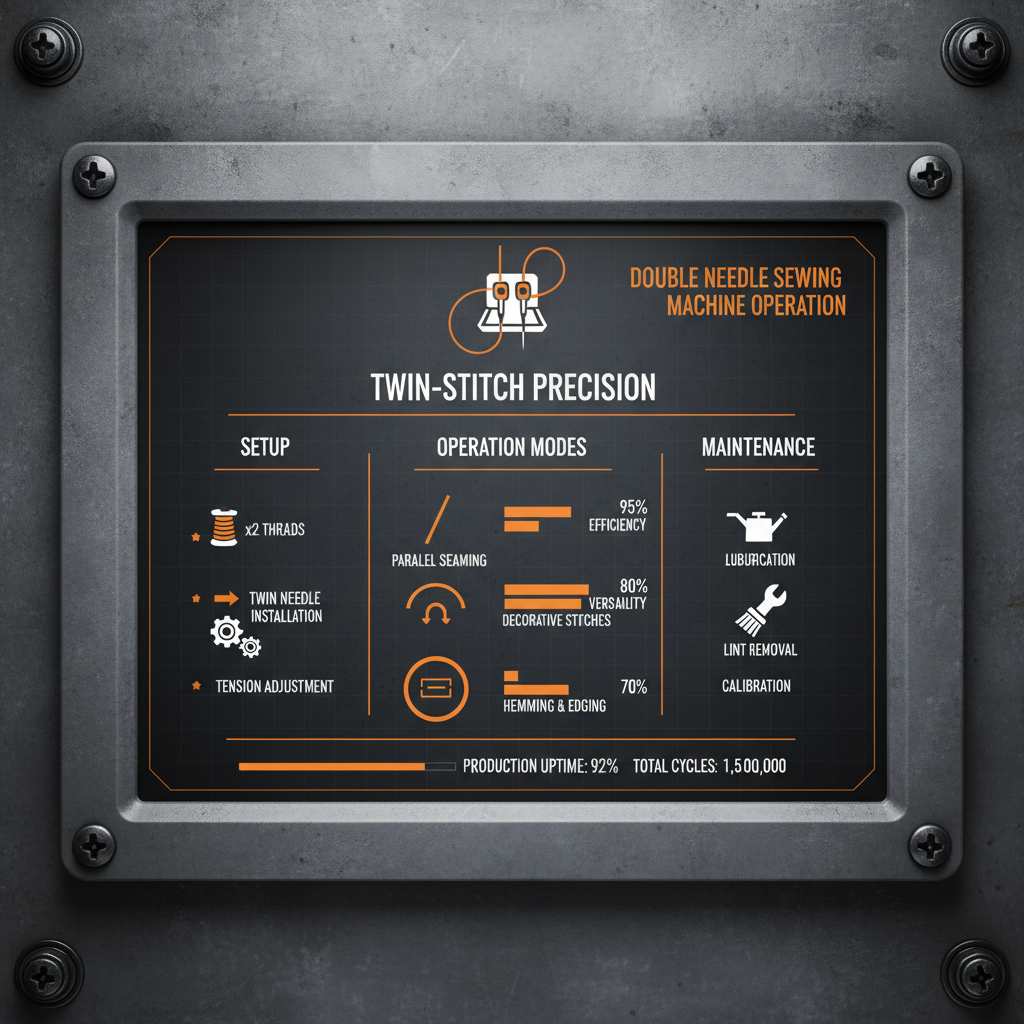
Table of Contents [Hide]
Defining How to Use a Double Needle
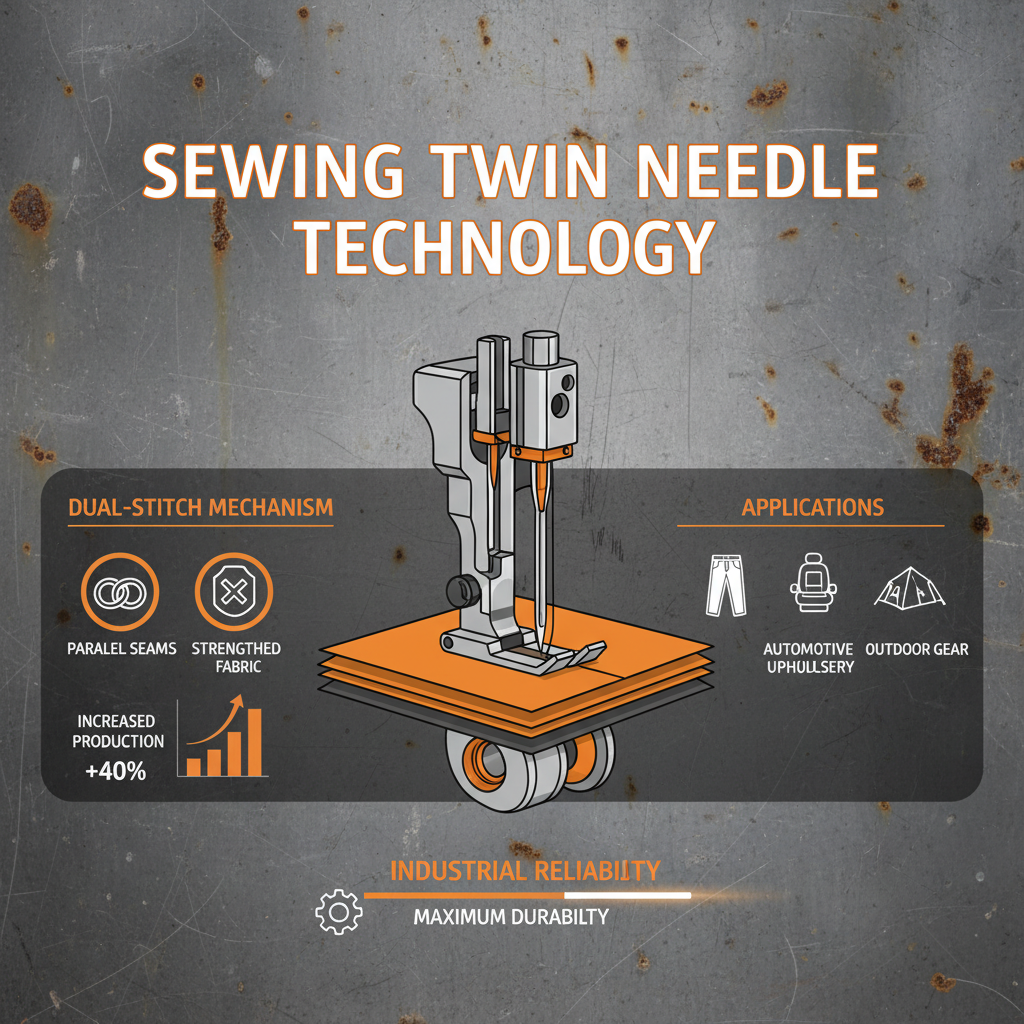
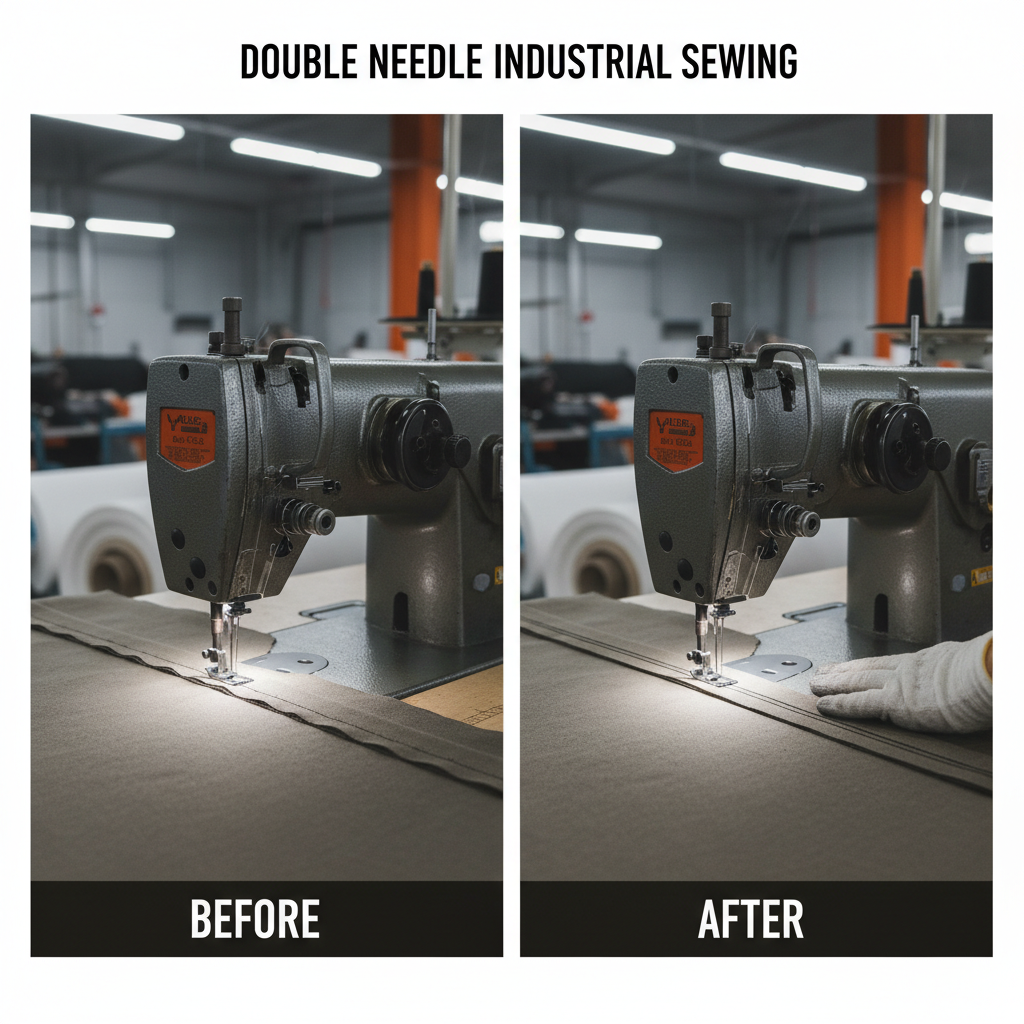
How to use a double needle refers to the process of employing a sewing machine equipped with two needles to create two parallel rows of stitching simultaneously. Unlike single-needle sewing, this technique drastically increases sewing speed and provides greater seam strength. It’s widely utilized for tasks like creating decorative topstitching, attaching elastic, and forming durable seams in high-stress applications.
This method has deep roots in the evolution of textile manufacturing, initially developed to meet the demands of mass production in the garment industry. Today, it extends far beyond apparel, impacting industries ranging from automotive (seat upholstery) to medical (surgical drapes) and beyond, showcasing its versatility and continued relevance in modern manufacturing and artisanal crafts.
FAQS
What type of fabric is best suited for double needle sewing?
Generally, medium-weight woven fabrics like denim, canvas, and upholstery fabrics work exceptionally well with double needles. Lighter weight or very stretchy fabrics can sometimes be challenging, requiring adjustments to tension and stitch length. It’s always recommended to test on a scrap piece first to ensure optimal results. Choosing the right needle size and thread weight is critical for preventing puckering or skipped stitches.
How do I prevent skipped stitches when using a double needle?
Skipped stitches are a common issue. Firstly, ensure you’re using the correct needle size and type for your fabric. Secondly, check that the needles are properly inserted and tightened. Verify the thread path is correct and the tension is balanced. Lastly, adjusting the presser foot pressure and ensuring the feed dogs are clean and functioning correctly can often resolve the problem. Regularly oiling your machine also helps!
What is the ideal needle spacing for decorative topstitching?
The ideal needle spacing for decorative topstitching typically ranges from 1/8 inch to 3/8 inch (3mm to 9mm). The optimal spacing depends on the desired aesthetic effect and the fabric’s weight. A wider spacing creates a more prominent, bolder stitch, while a narrower spacing provides a more subtle, refined look. Experimenting with different spacings is recommended to achieve your desired result.
Can I use different colors of thread with a double needle?
Absolutely! Using different colored threads with a double needle is a fantastic way to create unique and eye-catching designs. This technique is often used for decorative stitching, adding contrast, or highlighting specific elements. It's a great way to add a custom touch to your projects. Ensure both threads are compatible in weight and fiber content for best results.
What maintenance is required for a double needle sewing machine?
Regular maintenance is crucial for prolonging the life and performance of your machine. This includes frequent cleaning to remove lint and debris, oiling moving parts, and replacing needles when they become dull or damaged. Periodically checking and adjusting the timing and tension is also recommended. Following the manufacturer's guidelines for maintenance is always best practice.
What are the safety precautions when using a double needle?
Always unplug the machine before changing the needle. Use a needle inserter to avoid accidental finger pricks. Wear safety glasses to protect your eyes from potential flying debris. Be mindful of the machine's moving parts and keep your hands clear of the needle area while in operation. Never force the fabric – let the machine feed it naturally.
Conclusion
In conclusion, mastering how to use a double needle unlocks a world of possibilities, from increasing production efficiency and seam strength to creating stunning decorative effects. It’s a valuable skill for anyone involved in apparel manufacturing, upholstery, leatherworking, or any craft where durable and aesthetically pleasing seams are essential. The benefits extend beyond technical proficiency, contributing to improved product quality, reduced costs, and enhanced creative potential.
Looking ahead, continued innovation in machine technology and materials will further refine and expand the capabilities of double needle sewing. Embracing these advancements and prioritizing continuous learning will be key to staying competitive in the ever-evolving world of textile manufacturing. Visit our website at www.longsew.com to learn more and explore our range of double needle solutions.
Related Posts
Updated:

David Chen
David Chen serves as the Technical Support Engineer for LongSew's US operations. He brings a strong background in mechanical engineering and a dedication to ensuring seamless operation of LongSew machinery for all customers. David specializes in troubleshooting, preventative maintenance, and training on the company’s complete range of bag sewing and