
0%
The efficiency of industrial packaging often hinges on the reliability of the final seal, and this is where the double needle bag closer machine becomes an indispensable asset. In the fast-paced world of textile and bulk packaging, ensuring that heavy-duty bags remain securely closed during transit is not just about quality control, but about preventing waste and ensuring product integrity on a global scale.
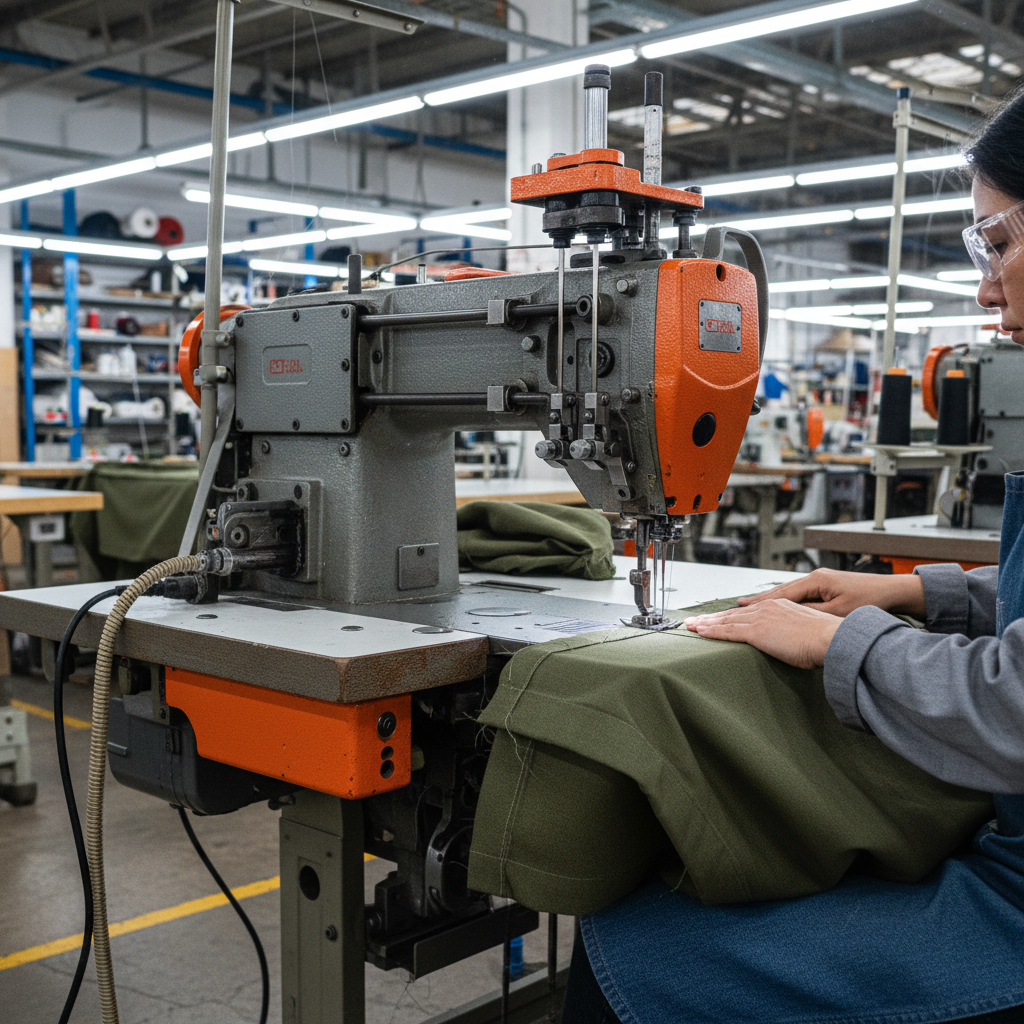
From agricultural seeds and chemical powders to high-density industrial polymers, the demand for robust closure systems has led to the evolution of specialized sewing equipment. A double needle bag closer machine provides a redundant, high-strength stitch that outperforms single-needle alternatives, particularly when dealing with woven polypropylene or heavy canvas materials that are prone to tearing under stress.
Understanding the technical nuances of these machines allows manufacturers to optimize their production lines, reduce downtime, and meet international shipping standards. By integrating advanced stitching technology, businesses can transition from manual, error-prone closing methods to a streamlined, automated process that guarantees consistency across thousands of units.
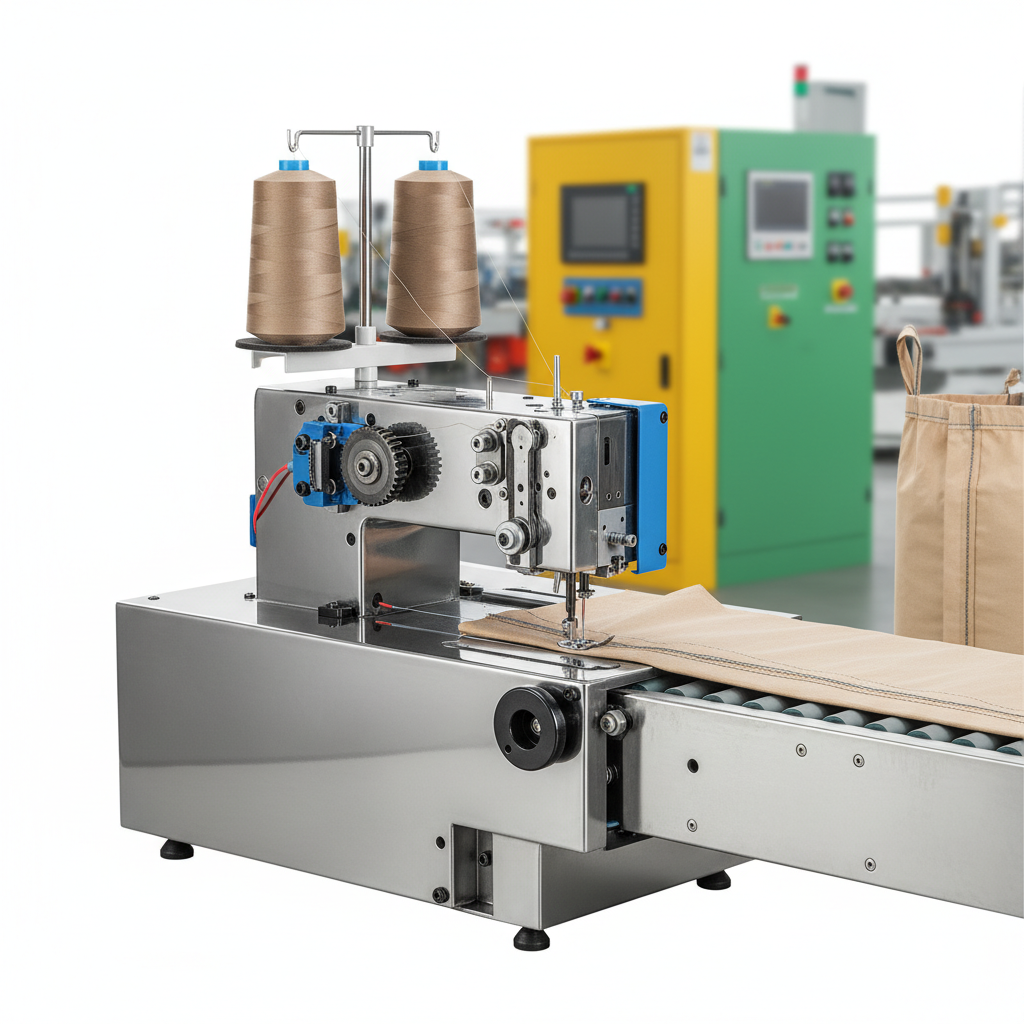
Table of Contents [Hide]
Global Relevance of the Double Needle Bag Closer Machine
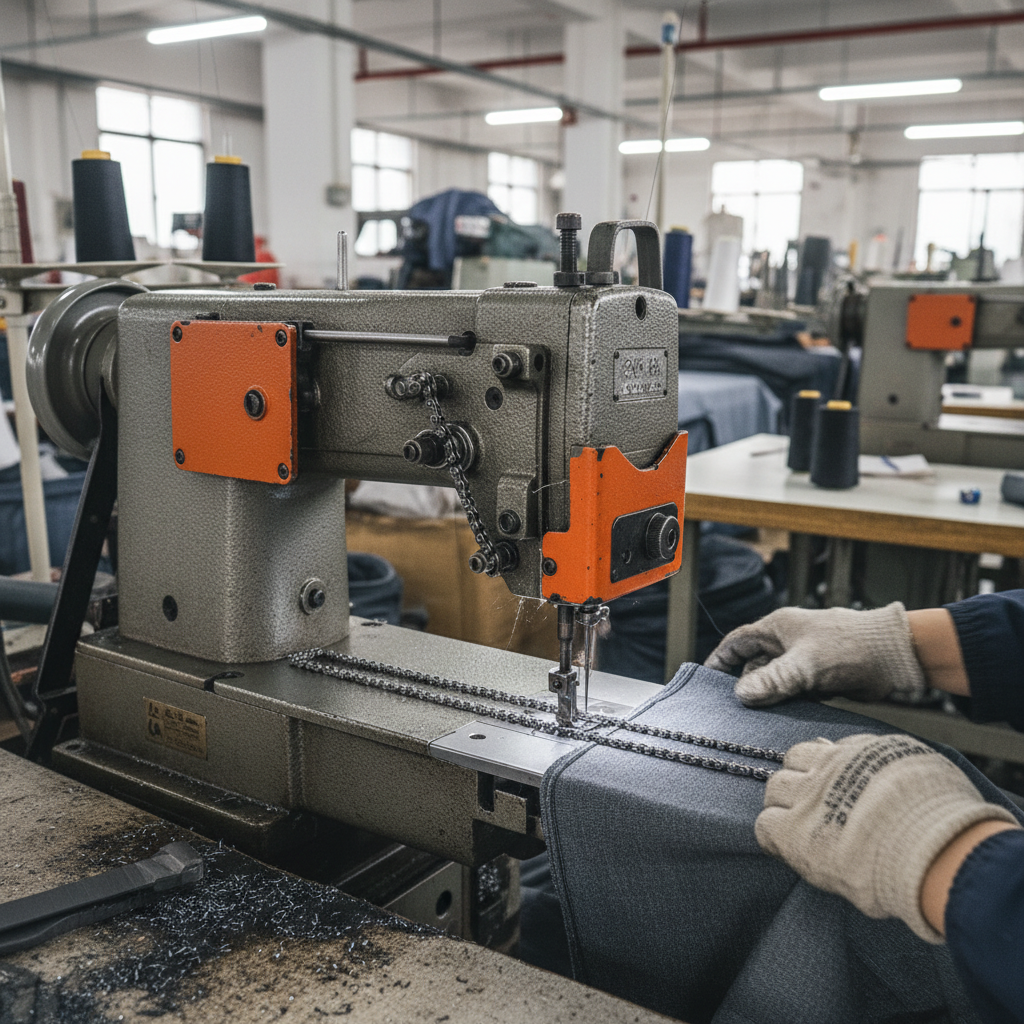
In the global logistics chain, the integrity of bulk packaging is a critical factor in reducing cargo loss. According to industry benchmarks and ISO standards for packaging, a significant percentage of product spoilage in the agricultural and chemical sectors is attributed to seam failure. The double needle bag closer machine addresses this systemic vulnerability by creating a reinforced chain stitch that provides double the security of standard closures.
As emerging markets in Southeast Asia and Africa expand their export capabilities, the adoption of high-capacity sewing equipment has become a necessity. These regions face the challenge of transporting heavy goods over unstable terrain, where bags are subjected to extreme tension. Implementing a robust closing solution ensures that shipments arrive intact, protecting the economic interests of producers and the safety of the end-consumers.
FAQS
What is the main advantage of a double needle bag closer machine over a single needle one?
The primary advantage is the reinforced stitch. A double needle bag closer machine creates a double chain stitch, which significantly increases the burst strength of the seam. If one thread breaks due to friction or tension during transport, the second thread continues to hold the bag closed, virtually eliminating the risk of product leakage.
Can this machine handle heavy-duty materials like FIBC or woven polypropylene?
Yes, the double needle bag closer machine is specifically engineered for heavy-duty fabrics. Its high-torque motor and hardened steel needles allow it to penetrate thick, multi-layer synthetic materials without stalling or bending the needle, making it the industry standard for FIBC bags.
How often does a double needle bag closer machine require maintenance?
While it depends on the volume of production, daily lubrication of the moving parts is recommended. Deep maintenance, including timing adjustments and gear inspections, should typically be performed every 500 to 1,000 operating hours to ensure the stitch quality remains consistent and to prevent unexpected downtime.
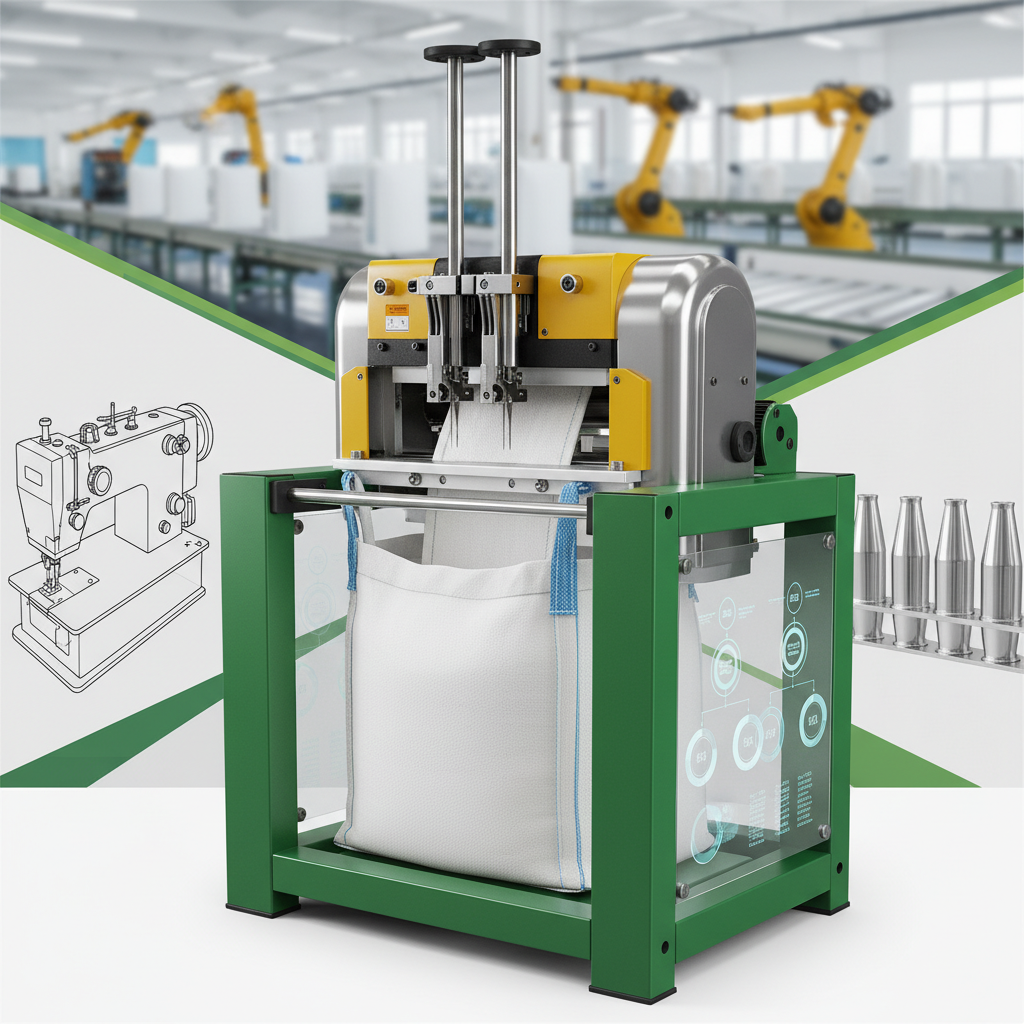
Is it possible to automate the double needle bag closer machine for a conveyor line?
Absolutely. Many models are designed for seamless integration into automated packaging lines. By mounting the machine on a pneumatic arm or a stationary guide, the bagging process can be fully synchronized with the filling and weighing stages, maximizing throughput and reducing labor costs.
What thread type is best for use with these machines?
High-tenacity polyester or nylon threads are generally recommended. These materials offer the necessary tensile strength and resistance to abrasion and UV degradation, which is crucial for bags that may be stored outdoors or transported across different climatic zones.
How do I troubleshoot skipped stitches on my bag closer?
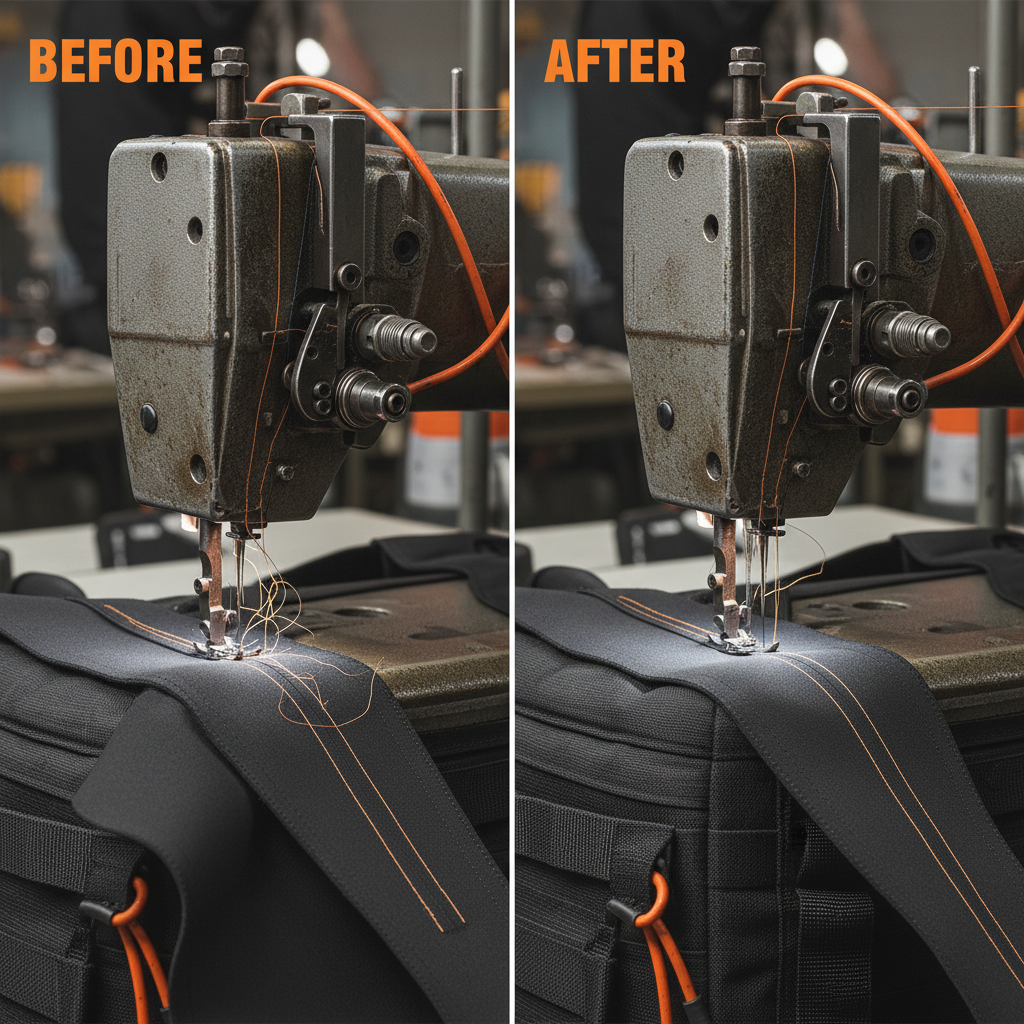
Skipped stitches are usually caused by incorrect needle timing or improper thread tension. First, check if the needle is bent or inserted incorrectly. If the needle is fine, adjust the tension discs to ensure the thread is flowing smoothly. If the problem persists, the hook timing may need a professional adjustment.
Conclusion
In summary, the double needle bag closer machine is more than just a sewing tool; it is a critical component of industrial quality assurance. By providing unmatched seam strength, versatility across materials, and the ability to scale from manual to fully automated operations, it ensures that products move through the global supply chain safely and efficiently. From the core durability of its components to its role in sustainable packaging, the value it adds to the manufacturing process is undeniable.
Looking forward, the integration of smart technology and energy-efficient motors will further elevate the performance of bag closing systems. For businesses seeking to optimize their packaging lines and reduce waste, investing in high-quality double-needle technology is a strategic move toward greater reliability and operational excellence. We encourage manufacturers to evaluate their current closure methods and upgrade to solutions that guarantee long-term security. Visit our website for professional equipment: www.longsew.com
Updated:

Michael Thompson
Michael Thompson is the Regional Sales Representative for the Eastern US, representing LongSew Machinery Technology. He has a robust understanding of the packaging and industrial sewing industries. Michael specializes in connecting with companies utilizing FIBC bags and other large-scale industrial sewing applications. He is focused on demonstrating the value of