0%

Table of Contents

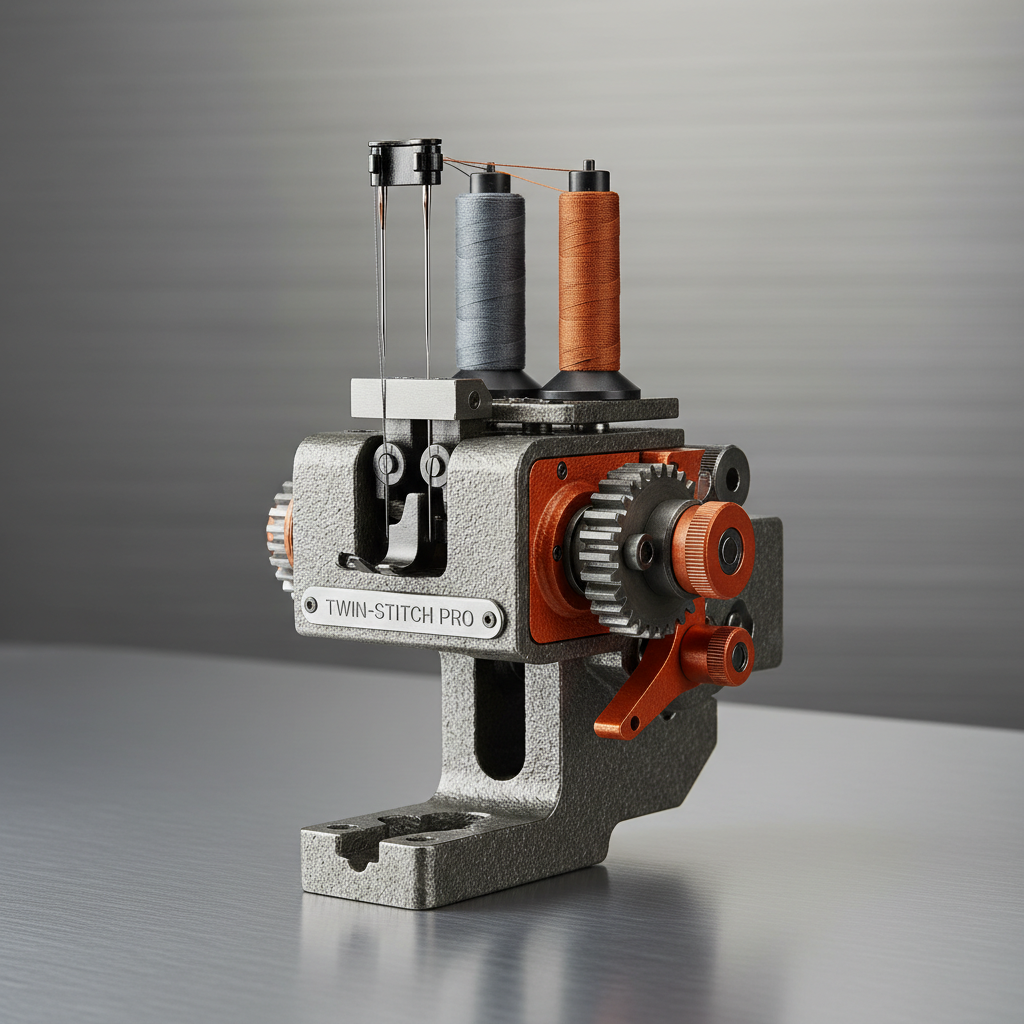
In the high-precision world of industrial textile manufacturing, the smallest components often dictate the overall quality of the finished product. The double eye sewing machine needle stands as a critical innovation designed to handle complex stitching requirements and heavy-duty fabrics that standard needles simply cannot manage. By offering enhanced thread stability and specialized penetration capabilities, these needles ensure that seams remain secure even under extreme tension.

Understanding the nuances of the double eye sewing machine needle is essential for operators working with FIBC bags, automotive upholstery, and heavy-duty canvas. The global shift toward more durable, long-lasting textile products has increased the demand for hardware that minimizes thread breakage and reduces machine downtime. When the right needle is paired with a heavy-duty cylinder bed or flat bed machine, the result is a significant leap in production efficiency and seam integrity.

Beyond mere technical specifications, the adoption of the double eye sewing machine needle represents a commitment to engineering excellence. Whether it is used in a Long Arm Heavy Duty Sewing Machine or a specialized Overlock system, this component allows for the use of thicker threads without compromising the speed of the stitch. This guide explores the global context, technical advantages, and future trends of this essential industrial tool.
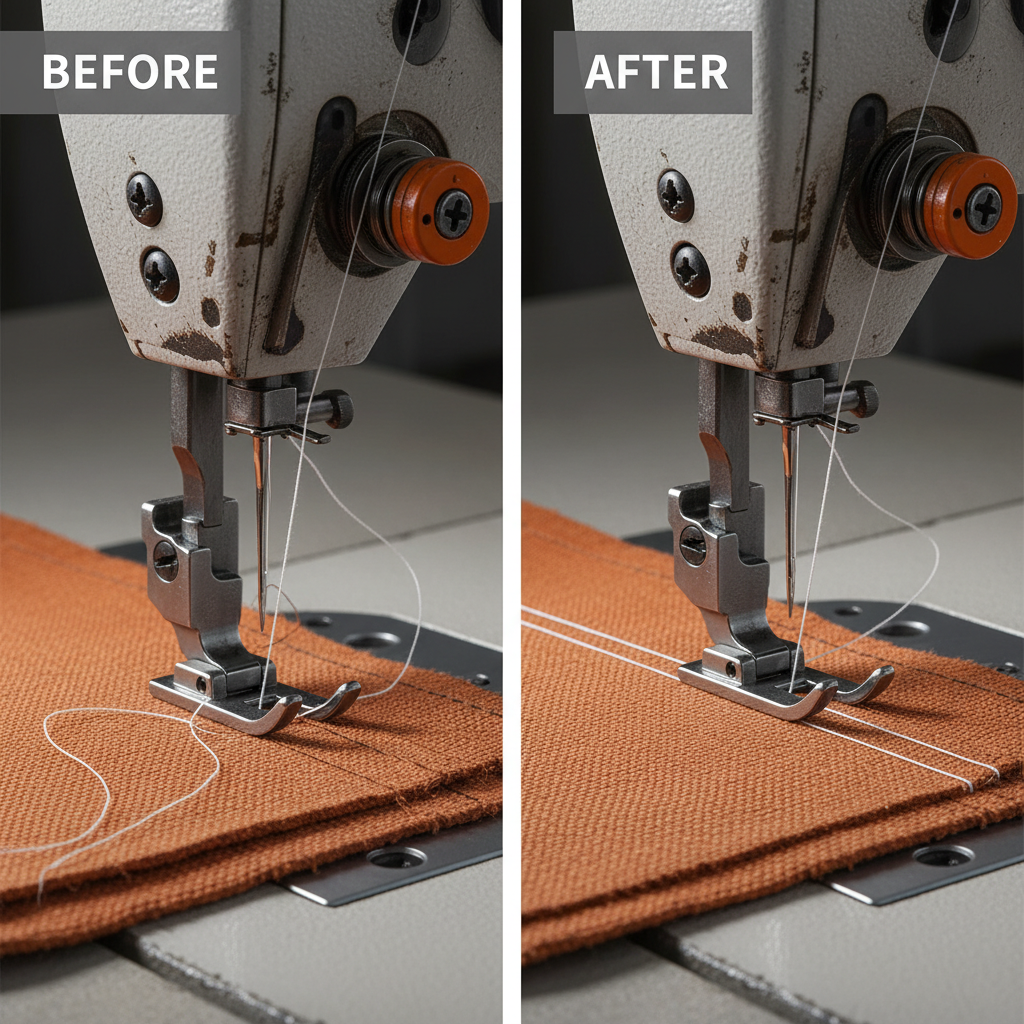
Industrial Double Eye Sewing Machine Needle for Heavy Duty Fabrics

Global Industry Relevance of Double Eye Sewing Machine Needles
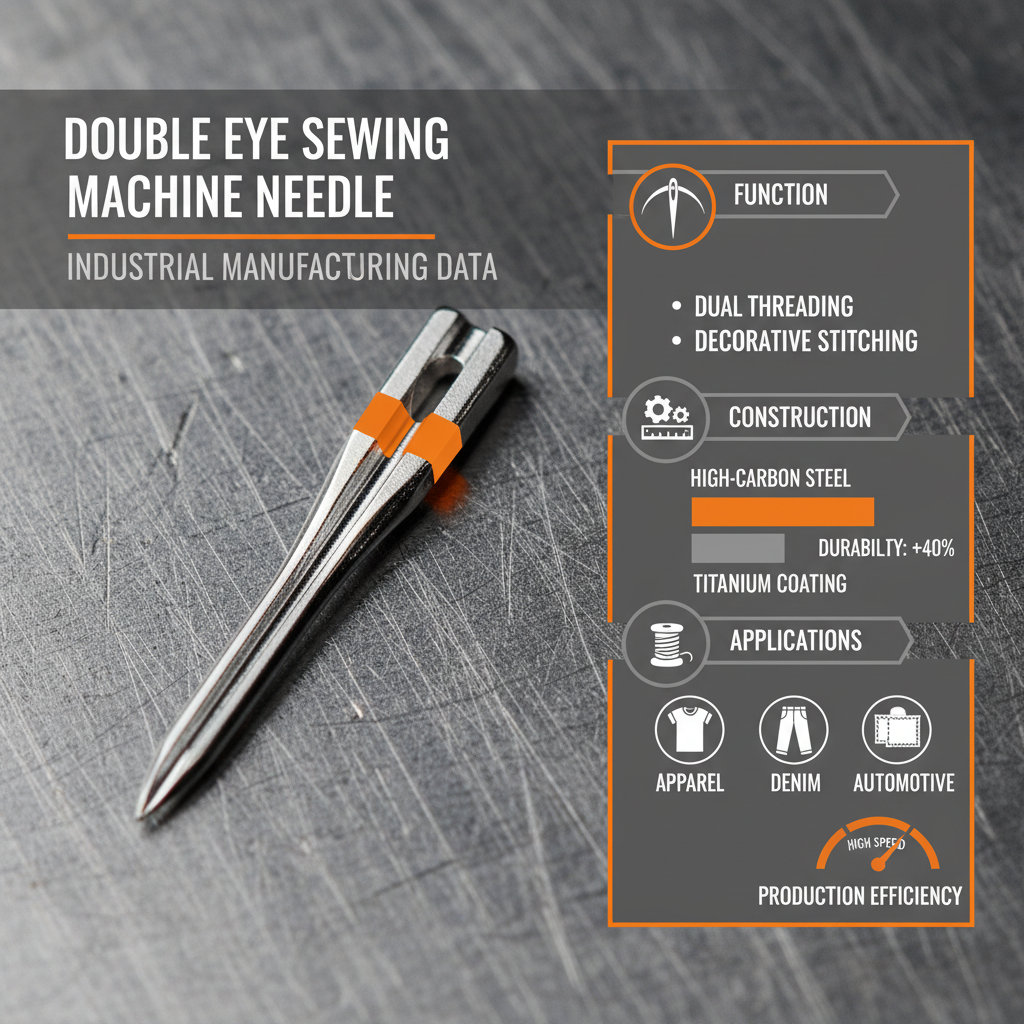
Industrial Double Eye Sewing Machine Needle for Heavy Duty Fabrics

The global textile machinery market is undergoing a transformation toward "Heavy Duty" standardization, where the double eye sewing machine needle plays a pivotal role. As ISO standards for industrial bagging and safety equipment become more stringent, the requirement for reinforced stitching has moved from a luxury to a necessity. In regions like Southeast Asia and India, where large-scale FIBC production is concentrated, the reliability of the needle directly affects the export quality of global supply chain packaging.

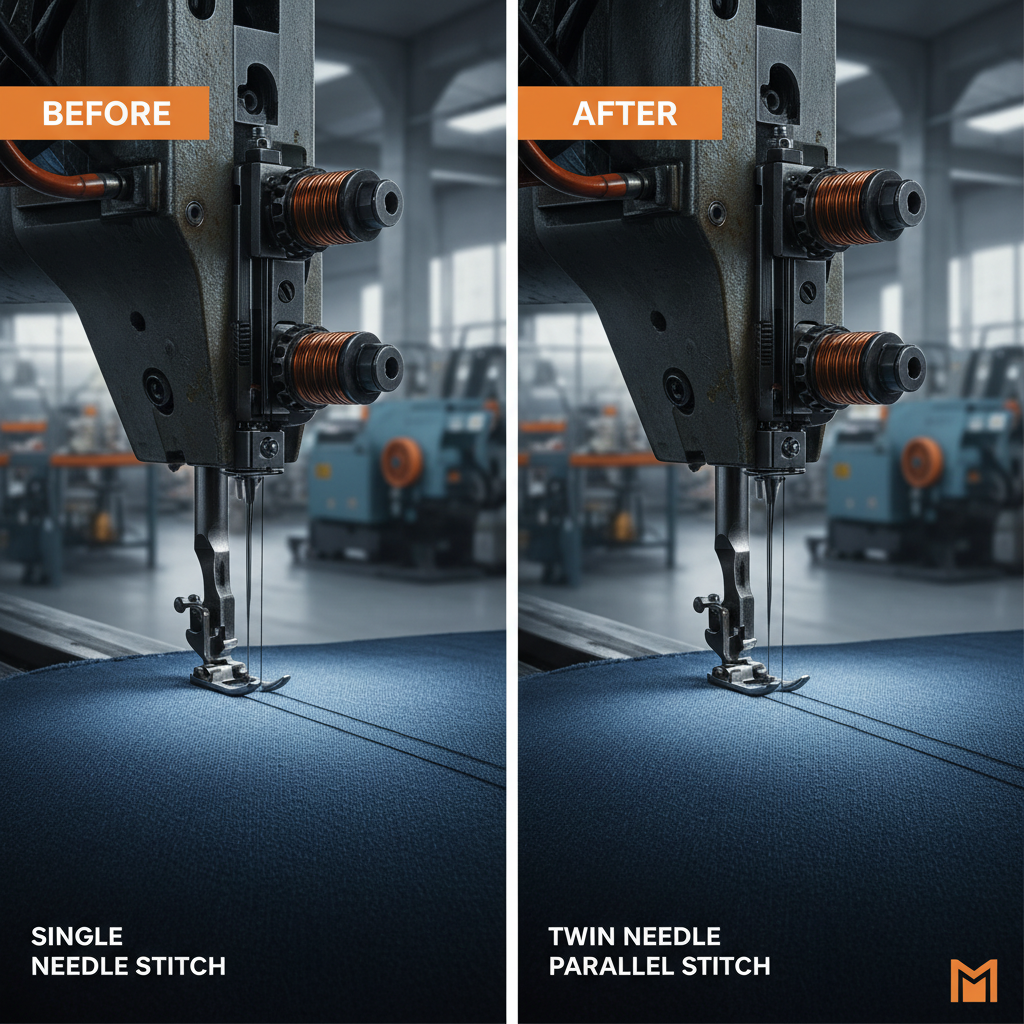
The primary challenge addressed by this technology is the frequent failure of single-eye needles when processing high-denier synthetic fibers. By distributing the thread tension across a specialized double-eye geometry, manufacturers can reduce the rate of needle deflection and breakage. This not only protects the machine's internal timing but also ensures that every inch of the seam meets international safety certifications for weight-bearing textiles.

Defining the Double Eye Sewing Machine Needle Mechanism

In simple technical terms, a double eye sewing machine needle is an engineered tool featuring a modified eye structure that allows for unique threading configurations or the use of dual-thread systems to increase seam strength. Unlike standard needles, the double-eye design is specifically crafted to handle the friction generated by heavy-duty threads, preventing the "shredding" effect often seen in high-speed industrial sewing.

This design is deeply connected to modern industrial needs, particularly in the production of heavy-duty protective gear and industrial filtration bags. In these sectors, a single point of failure in a stitch can lead to catastrophic product failure. The double eye mechanism ensures a more stable loop formation, which is critical when the needle is operating in a Heavy Duty Computerized Pattern Sewing Machine.

Furthermore, the integration of this needle type into the wider manufacturing ecosystem enables the production of goods that contribute to humanitarian efforts, such as high-strength relief tents and medical-grade transport bags. By ensuring that the needle can penetrate thick, multi-layered fabrics without bending, the double eye design supports the creation of durable goods that withstand the harshest environments on Earth.

Core Technical Factors for Needle Performance

Durability is the foremost factor when evaluating a double eye sewing machine needle. The use of high-carbon steel and advanced chrome plating reduces heat buildup during high-speed operation, preventing the needle from overheating and snapping when passing through dense materials like leather or heavy vinyl.

Thread Compatibility and Friction Reduction are equally vital. The internal polishing of the double eye ensures that the thread glides smoothly, minimizing the drag coefficient. This is especially important for Heavy Duty Zigzag Sail Sewing Machines, where the needle must move laterally through thick fabric while maintaining a consistent thread path.

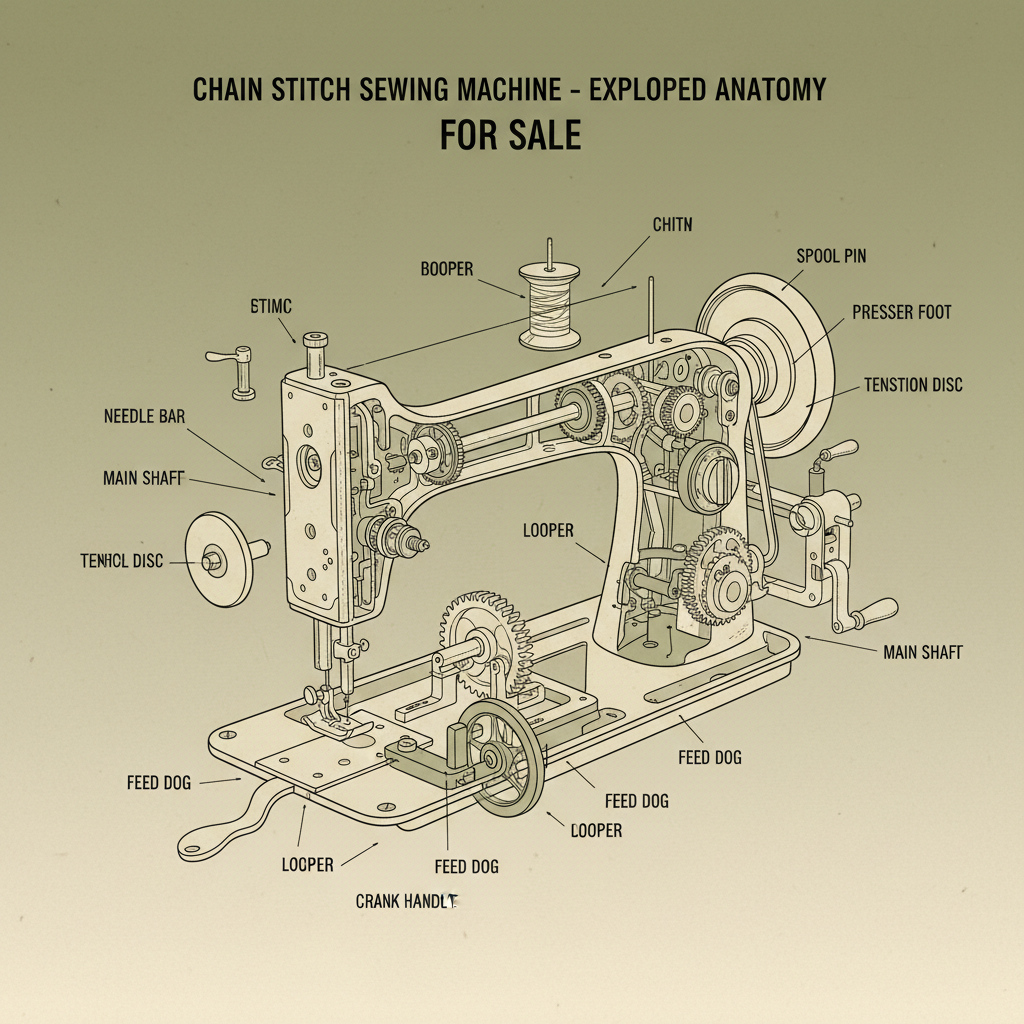
Precision Geometry and Scalability allow these needles to be used across various machine types. From the Long Arm Heavy Duty Sewing Machine to the Heavy Duty Flat Bed Sewing Machine, the precision of the eye's placement ensures that the hook picks up the thread at the exact millisecond required, eliminating skipped stitches and improving overall output.

Industrial Applications and Use Case Analysis

The application of the double eye sewing machine needle extends across diverse industrial zones, from the sail-making lofts of Europe to the bag factories of Vietnam. In the automotive industry, these needles are indispensable for sewing airbags and seat covers, where the thickness of the material varies and the need for absolute seam reliability is a matter of safety.

In remote industrial zones focusing on agriculture, the production of FIBC (Flexible Intermediate Bulk Containers) relies heavily on these needles. Because these bags often carry tons of material, the reinforced stitching enabled by the double eye design prevents the seams from bursting during transit, thereby reducing waste and increasing global transport safety.

Comparative Performance of Needle Types in Industrial Stress Tests


Long-Term Economic and Operational Value

Investing in high-quality double eye sewing machine needles provides tangible economic benefits by drastically reducing machine downtime. When a needle breaks in a Heavy Duty Cylinder Bed Sewing Machine, the resulting stop in production involves not just the cost of the needle, but the labor cost of re-threading and the risk of fabric damage. By extending the lifecycle of the needle, factories can achieve a higher OEE (Overall Equipment Effectiveness).

Beyond the balance sheet, there is an emotional and psychological value tied to reliability. Operators feel more confident and less stressed when they can trust their tools, leading to higher craftmanship quality and a safer working environment. This trust in the equipment fosters a culture of innovation, where workers are more willing to experiment with complex designs knowing their hardware can handle the stress.

Emerging Innovations in Needle Metallurgy

The future of the double eye sewing machine needle is being shaped by the digital transformation of the textile industry. We are seeing a move toward "Smart Needles" coated with nano-ceramics that virtually eliminate friction. These coatings allow needles to run at higher speeds without generating the heat that typically leads to thread melting in synthetic heavy-duty fabrics.

Sustainability is also driving innovation. New metallurgy processes are reducing the carbon footprint of needle production by using recycled cobalt and tungsten. This aligns with global green energy goals, ensuring that the tools used in the manufacturing of durable goods are themselves produced through sustainable means.

Automation is further enhancing the role of these needles. In Heavy Duty Computerized Pattern Sewing Machines, the needle's interaction with the fabric is now monitored by sensors. This allows the machine to adjust the stitch length in real-time based on the resistance felt by the double eye needle, ensuring perfect consistency across an entire production run.

Overcoming Common Implementation Challenges

One of the most common limitations in current practice is the incorrect pairing of needle size with thread gauge. Many operators attempt to use a double eye sewing machine needle that is too small for the thread, leading to excessive friction and premature wear. The solution lies in implementing a strict "Compatibility Matrix" within the factory, ensuring that the needle gauge perfectly matches the denier of the thread.

Another challenge is the accumulation of lint and debris within the specialized eye structure. Because the double eye design is more complex than a standard eye, it can be more prone to clogging in dusty environments. Expert insights suggest the use of pneumatic cleaning systems integrated into the machine head to keep the needle eye clear during operation.

Finally, the transition to double eye systems often requires a recalibration of the machine's timing. To overcome this, manufacturers are providing specialized installation kits and digital training modules. By precisely adjusting the hook-to-needle clearance, the full potential of the double eye geometry can be realized, eliminating the issue of skipped stitches.

Technical Comparison of Double Eye Needle Specifications

Needle Material Max Thread Gauge Heat Resistance Recommended Machine
High Carbon Steel #20 Nylon Medium (6/10) Flat Bed Heavy Duty
Chrome Plated Steel #24 Heavy Polyester High (8/10) Cylinder Bed Machine
Titanium Coated #30 Industrial Bonded Ultra-High (10/10) Computerized Pattern
Tungsten Carbide #18-22 Specialized Very High (9/10) Long Arm Heavy Duty
Hardened Alloy #20-24 Mixed Medium-High (7/10) Overlock Heavy Duty
Ceramic Composite #22-30 Synthetic Maximum (10/10) Zigzag Sail Machine

FAQS

What is the main difference between a double eye and a single eye sewing machine needle?

The primary difference lies in the eye's architecture. A double eye sewing machine needle is engineered to distribute thread tension more effectively and often allows for the use of heavier threads or specific dual-threading techniques. This reduces the likelihood of thread breakage and needle deflection when sewing through extremely thick industrial materials, whereas single eye needles are better suited for standard, thinner fabrics.

Can I use a double eye needle in a standard home sewing machine?

Generally, no. The double eye sewing machine needle is designed for industrial heavy-duty machines with specific timing and hook mechanisms. Installing one in a home machine could lead to timing issues, fabric damage, or severe machine malfunction because the needle's shaft and eye position are optimized for industrial-grade equipment like Heavy Duty Cylinder Bed machines.

How often should I replace my double eye sewing machine needles?

Replacement frequency depends on the material being sewn. For highly abrasive fabrics like Kevlar or thick canvas, we recommend checking for bluntness every 8-16 hours of operation. A dull needle increases friction and heat, which can lead to thread breakage. Replacing the needle before it bends ensures the longevity of your machine's internal components.

What causes a double eye needle to break despite its reinforced design?

The most common causes are incorrect needle-to-thread gauge matching and improper machine timing. If the thread is too thick for the eye, it creates excessive drag. Additionally, if the needle is not perfectly perpendicular to the fabric or if the presser foot pressure is too high, the resulting lateral stress can snap even a reinforced double eye needle.

Do double eye needles work with all types of industrial threads?

They are specifically optimized for heavy-duty bonded nylon, polyester, and specialized synthetic threads used in FIBC and sailmaking. While they can work with lighter threads, the benefits of the double eye design are most apparent when using threads with a high denier, where thread stability and friction reduction are critical for a clean stitch.

How do I know if I need to upgrade to a double eye sewing machine needle?

If you experience frequent skipped stitches, constant thread shredding, or if your needles are bending frequently while sewing thick materials, it is a clear sign that your current needle cannot handle the tension. Upgrading to a double eye system will provide the necessary stability and penetration power to solve these issues.

Conclusion

The double eye sewing machine needle is more than just a consumable part; it is a precision-engineered component that enables the production of the world's most durable textile goods. From enhancing seam integrity in FIBC bags to ensuring safety in automotive interiors, the technical advantages of improved tension distribution and heat resistance make it an indispensable tool for any heavy-duty manufacturing operation. By focusing on the synergy between needle metallurgy and machine timing, manufacturers can achieve unprecedented levels of efficiency and product reliability.

As we look toward a future of automated and sustainable manufacturing, the continued evolution of needle technology will be key. We encourage industrial operators to audit their current needle compatibility and embrace advanced coatings and geometries to stay competitive. To ensure your production line is equipped with the highest quality components, we invite you to explore our full range of heavy-duty solutions. Visit our website: www.longsew.com

Brian Rodriguez

Brian Rodriguez

Brian Rodriguez is the Logistics and Service Coordinator for LongSew in North America. He's responsible for managing parts fulfillment, scheduling service visits, and ensuring a smooth experience for customers requiring technical assistance. Brian excels at streamlining operations and maintaining a consistent supply of replacement parts. He understands the importance of

Previous Industrial Double Needle Bag Closer Machine for Secure Packaging
Next Precision Engineering Double Coverstitch Mastery