

0%
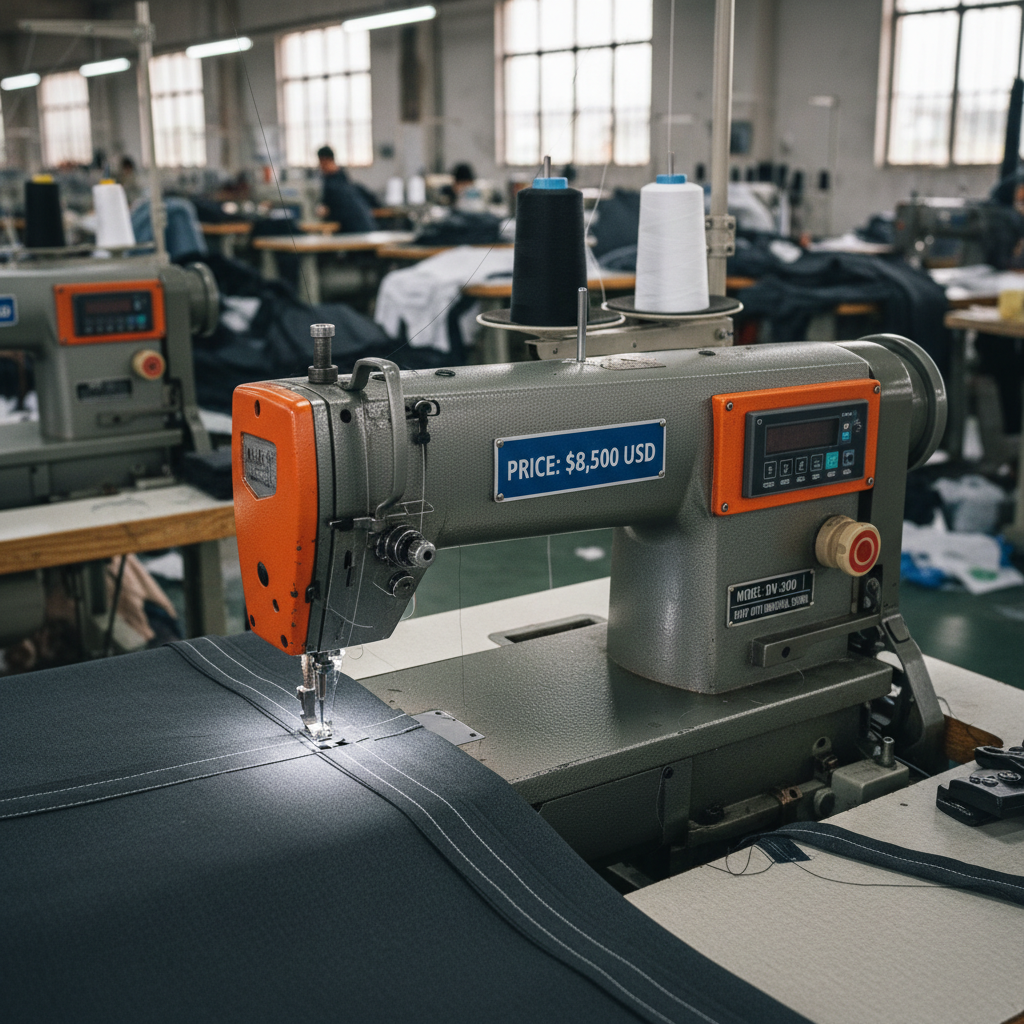
The double needle upholstery sewing machine—it's not just a piece of equipment; it's the backbone of any serious upholstery shop. After years spent on construction sites, seeing how things are actually put together, I’ve come to appreciate tools that deliver consistent, durable results. This machine isn’t glamorous, but it’s essential. From automotive interiors to furniture that can withstand years of abuse, a quality double needle machine is the difference between a job done right and a quick fix that’ll fall apart. It’s about building things to last, something I believe in wholeheartedly.
What I’ve found, working with engineers and fabricators, is that folks often underestimate the power of a dedicated double needle setup. They’ll try to kludge something together with a single needle machine and end up spending more time on repairs and rework. A dedicated machine streamlines the process, increases efficiency, and ultimately, provides a superior finished product. It's a cornerstone of efficient production when you’re dealing with heavy-duty fabrics and demanding applications.
And let’s be real, in today’s market, time is money. We need equipment that keeps pace with the demands of the industry. A reliable double needle upholstery sewing machine is an investment in productivity and quality, reducing downtime and increasing overall profitability. You spend less time fixing things and more time delivering a product your customers can rely on.
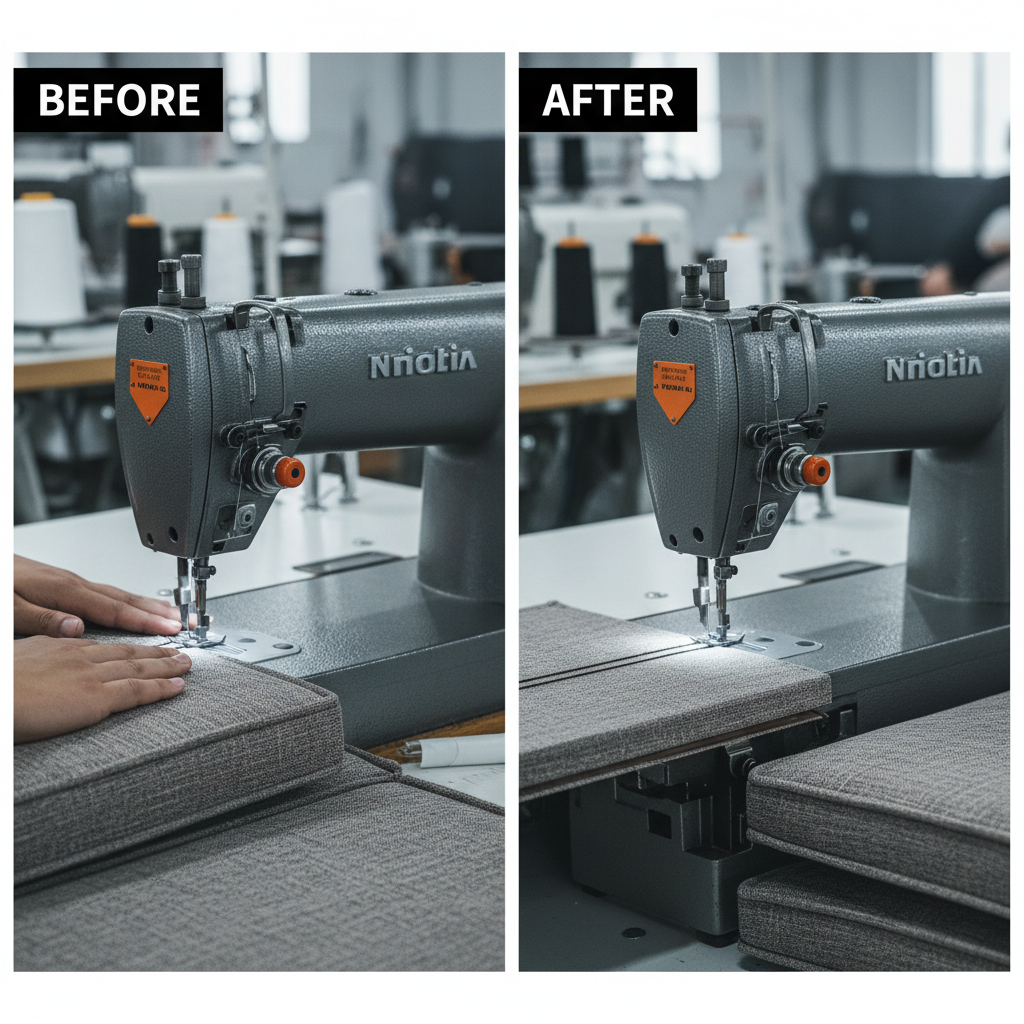
Table of Contents [Hide]
The Importance of Double Needle Upholstery Sewing Machines
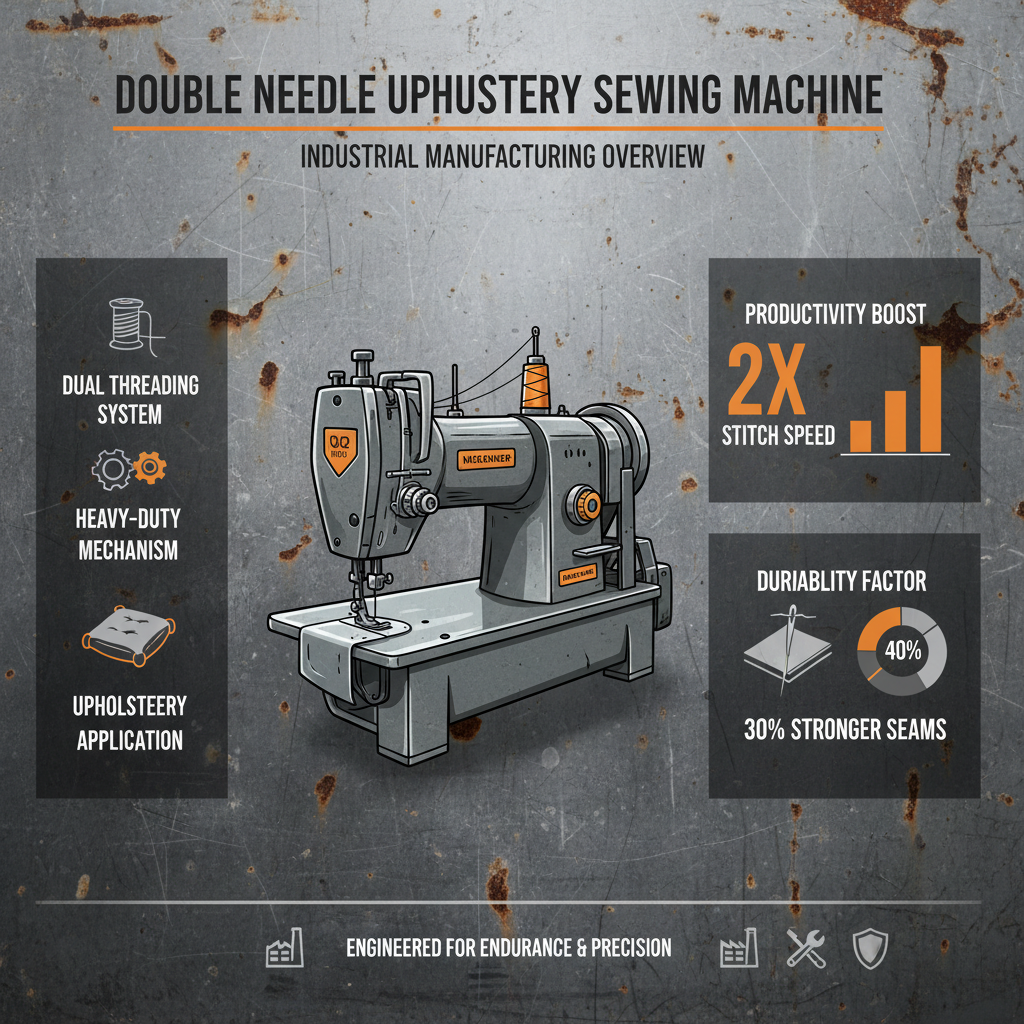
Look, I’ve seen a lot of corners cut in my time, and upholstery is one area where cutting corners always comes back to haunt you. A double needle upholstery sewing machine isn’t just about speed; it’s about creating a seam that can withstand the stresses of daily use. It distributes the force across two rows of stitching, significantly increasing seam strength and durability. This is especially critical in demanding applications like automotive seating or commercial furniture.
From a practical standpoint, I've seen firsthand how a good double needle machine reduces the risk of seam failure, leading to fewer warranty claims and happier customers. It means less time spent on repairs, more time fulfilling orders, and a reputation for quality that sets you apart. It’s the kind of investment that pays for itself in the long run.
FAQS
What are the key differences between single and double needle upholstery sewing machines?
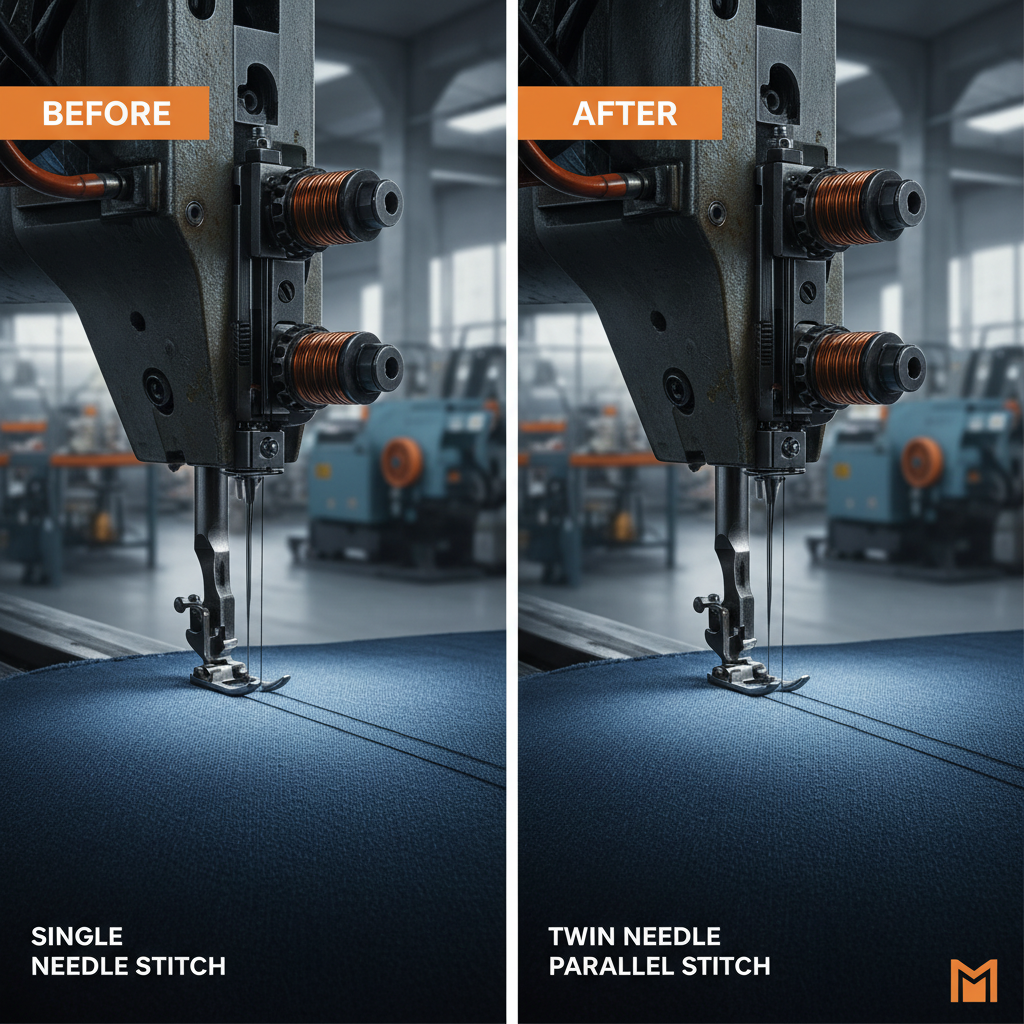
The primary difference lies in seam strength and appearance. Double needle machines create two parallel rows of stitching, resulting in a much stronger and more durable seam than a single needle machine. This is especially important for heavy-duty applications like automotive or commercial upholstery. Visually, double needle seams often have a more refined, professional look, often preferred in higher-end upholstery projects. They’re simply built to handle more stress and wear and tear.
How do I choose the right needle type for my upholstery projects?
Choosing the right needle is critical. For leather, a wedge-point needle is ideal as it cleanly penetrates the material. For vinyl, a ballpoint needle prevents snagging and tearing. For heavier fabrics like denim or canvas, a universal or jeans needle works best. The needle size also matters – thicker materials require larger needles. Always test the needle on a scrap piece of fabric before starting your project. It can save you a lot of headaches down the line.
What maintenance is required for a double needle upholstery sewing machine?
Regular maintenance is key to keeping your machine running smoothly. This includes frequent lubrication, cleaning out lint and debris, and replacing needles and bobbins as needed. Always consult your machine’s manual for specific maintenance recommendations. I recommend a weekly cleaning and lubrication schedule, and a more thorough inspection every few months. Preventative maintenance is always cheaper than repairs.
What type of thread is best suited for double needle upholstery sewing?
Heavy-duty thread is essential for upholstery. Polyester thread is a good all-around choice, offering excellent strength and UV resistance. Nylon thread is also a strong option, particularly for outdoor applications. The thread weight (thickness) should be appropriate for the material you're sewing. A heavier fabric will require a heavier thread. Don’t skimp on the thread – it’s a crucial component of a durable seam.
How can I troubleshoot common stitching problems with my double needle machine?
Common issues include skipped stitches, thread breakage, and uneven stitching. Skipped stitches often indicate a dull or damaged needle. Thread breakage can be caused by improper threading, incorrect tension, or a burr on the needle. Uneven stitching may result from improper fabric feeding or inconsistent thread tension. Always start by re-threading the machine and checking the needle.
Are double needle machines suitable for beginners?
While not impossible, double needle machines are generally better suited for those with some sewing experience. They require a bit more skill and understanding to operate effectively. Beginners might start with a single needle machine to learn the basics, then transition to a double needle machine as their skills develop. It’s all about building confidence and mastering the fundamentals.
Conclusion
In the end, the double needle upholstery sewing machine isn't just a tool; it’s a testament to the value of quality, durability, and precision. From automotive interiors to heavy-duty furniture, this machine delivers the strength and reliability needed to create products that stand the test of time. It’s about investing in equipment that supports your craft and allows you to produce work you can be proud of.
Looking ahead, continued innovation in automation and materials will only enhance the capabilities of these machines. Embracing these advancements, coupled with proper maintenance and operator training, will be essential for staying competitive in today's dynamic market. If you’re serious about upholstery, a quality double needle machine is an investment you won’t regret. Visit our website at www.longsew.com to explore our range of machines and find the perfect fit for your needs.
Updated:
Michael Thompson
Michael Thompson is the Regional Sales Representative for the Eastern US, representing LongSew Machinery Technology. He has a robust understanding of the packaging and industrial sewing industries. Michael specializes in connecting with companies utilizing FIBC bags and other large-scale industrial sewing applications. He is focused on demonstrating the value of