

0%
Look, I've spent the last fifteen years breathing dust on construction sites, wrestling with materials, and getting to know engineers better than my own family. And let me tell you, the one tool that consistently makes everyone’s life easier – from the framing crew to the upholstery team – is a solid double needle machine. It's not glamorous, but it's essential. We’re talking about a workhorse that can handle everything from heavy-duty canvas to delicate upholstery fabrics, and that reliability translates directly into projects finishing on time and within budget. It's the quiet backbone of so much of what we build.
For too long, folks have treated sewing as an afterthought. They’ll splurge on the crane, the steel, the concrete, but skimp on the finishing touches. That’s a mistake. The seams, the edges, the reinforcement – those are what separate a professional job from something that's falling apart after six months. A good double needle machine allows us to create durable, high-quality products that stand up to real-world abuse. We're not making doilies here; we're building things that last.
And it’s evolving. It’s not your grandmother’s sewing machine anymore. We’re seeing models with increased automation, more robust motors, and features designed specifically for industrial applications. That’s a game-changer for a lot of outfits looking to increase efficiency and reduce labor costs.
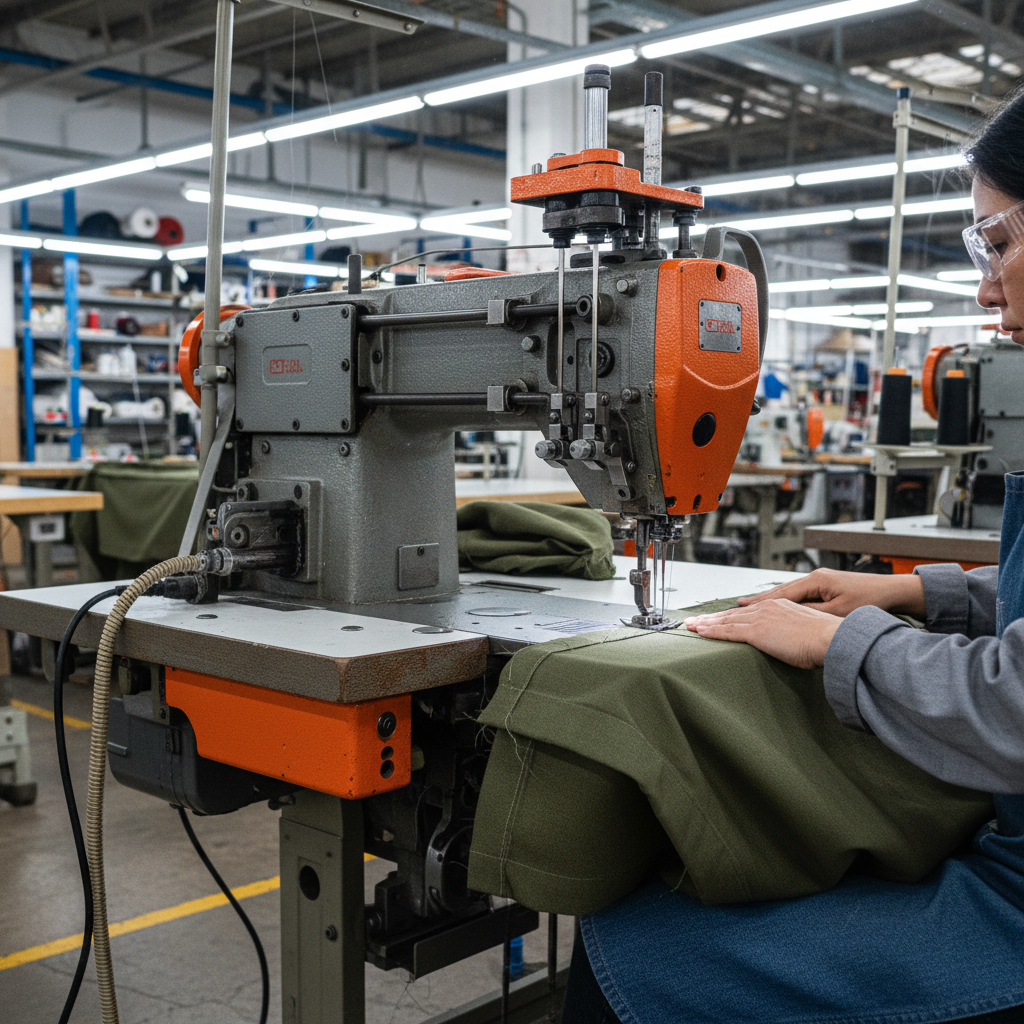
Table of Contents [Hide]
The Core Role of double needle machine in Construction
Let’s be frank – construction isn't just about steel and concrete. It's about creating enclosures. And enclosures need fabric: awnings, tarps, safety netting, upholstery for seating, even the reinforced membranes used in modern building materials. That’s where the double needle machine steps in. It’s the workhorse that binds it all together, creating strong, weatherproof seams that hold up under pressure. It allows us to fabricate these components on-site which dramatically reduces lead times and shipping costs.
I’ve seen crews trying to make do with single-needle machines for heavy canvas work. It’s a recipe for broken needles, skipped stitches, and wasted time. A double needle machine is designed for that kind of stress. It delivers a consistently strong, reliable seam, even on thick, tough materials. That translates directly into fewer repairs and a higher-quality finished product.
FAQS
What is the typical lifespan of a heavy-duty double needle machine in a construction environment?
With consistent maintenance – regular oiling, needle changes, and preventative servicing – a quality double needle machine can easily last 10-15 years, or even longer, on a busy construction site. It really comes down to how well it's cared for. The key is to address small issues before they become major breakdowns.
What types of fabrics are best suited for a double needle machine?
Double needle machines excel with medium to heavy-weight fabrics. Think canvas, denim, upholstery fabrics, vinyl, and even some industrial textiles. They’re also fantastic for layering fabrics, like when creating reinforced seams. They aren’t ideal for very delicate silks or lightweight materials, as the needles can cause damage.
How often should I change the needles on my double needle machine?
As a general rule, you should change the needles every 8 hours of continuous use, or whenever you notice a decline in stitch quality. Dull or damaged needles can lead to skipped stitches, fabric puckering, and even machine damage. It’s a small investment that can save you a lot of headaches.
What’s the difference between a lockstitch and a chainstitch double needle machine?
Lockstitch machines create a more secure and durable seam, making them ideal for applications where strength and reliability are critical – like construction. Chainstitch machines are faster but less secure; they’re better suited for temporary seams or basting. For most construction applications, a lockstitch is the way to go.
What kind of training is required to operate and maintain a double needle machine effectively?
While operating a double needle machine isn’t rocket science, proper training is essential. You need to understand how to thread the machine correctly, adjust the stitch length and tension, and perform basic maintenance tasks. Many manufacturers offer training courses, or you can find online resources and tutorials.
What safety precautions should I take when working with a double needle machine?
Always wear safety glasses to protect your eyes from flying debris. Keep your hands clear of the needle area while the machine is running. Never attempt to repair the machine while it’s plugged in. And always follow the manufacturer’s safety guidelines. These machines are powerful, and respect for their potential hazards is crucial.
Conclusion
In the end, a double needle machine isn’t just a piece of equipment; it’s a vital part of the construction process. It’s the workhorse that ensures quality, durability, and efficiency. Investing in a reliable machine and proper training is an investment in the success of your projects.
Don't overlook the importance of this often-underestimated tool. As construction continues to evolve, the demand for high-quality fabric fabrication will only increase. A solid double needle machine will be a crucial asset for years to come. For a wider range of solutions and expert advice, visit our website: www.longsew.com.
Related Posts
-
The Indispensable Role of Double Needle Stitching in Modern Durability
-
Unlock Sewing Potential How to Use Two Needles in Sewing Machine Effectively
-
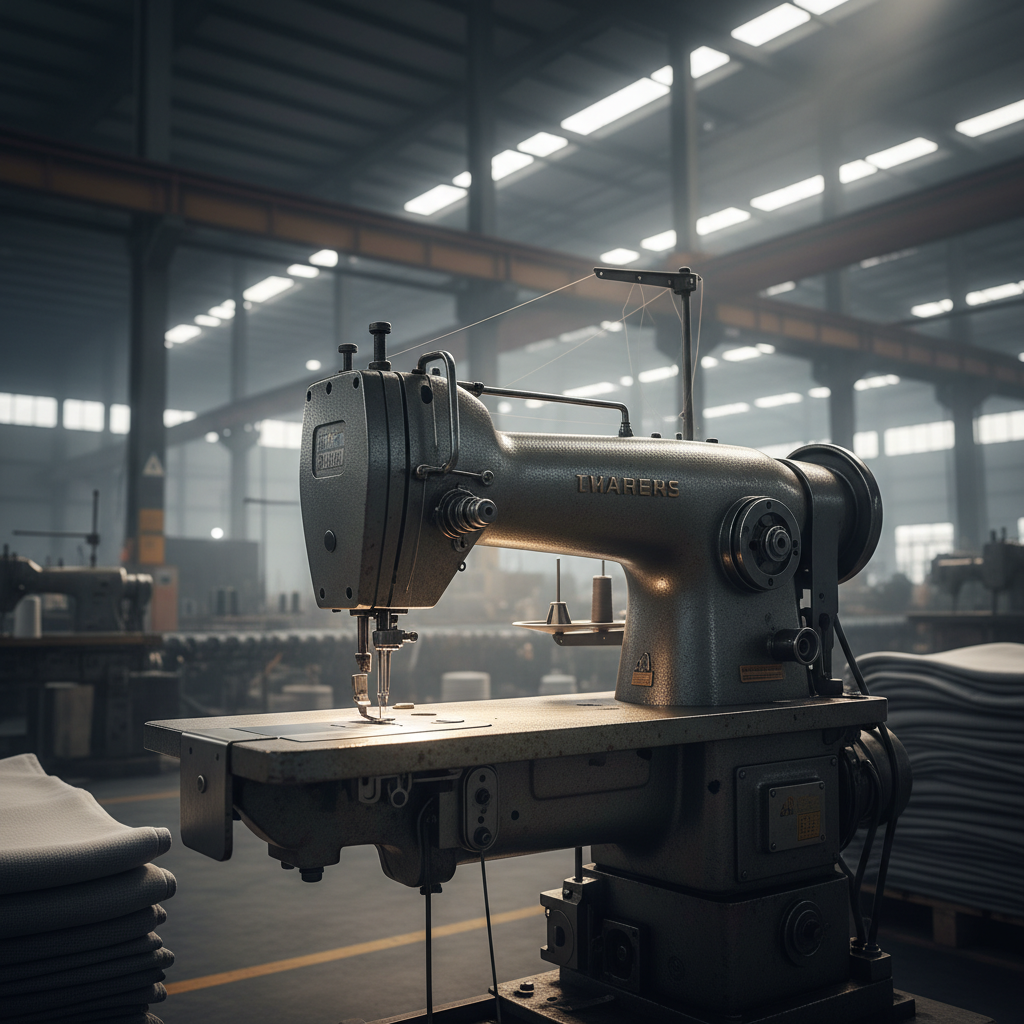
Optimizing Textile Production with a High Performance Sewing Machine with Double Needle
-
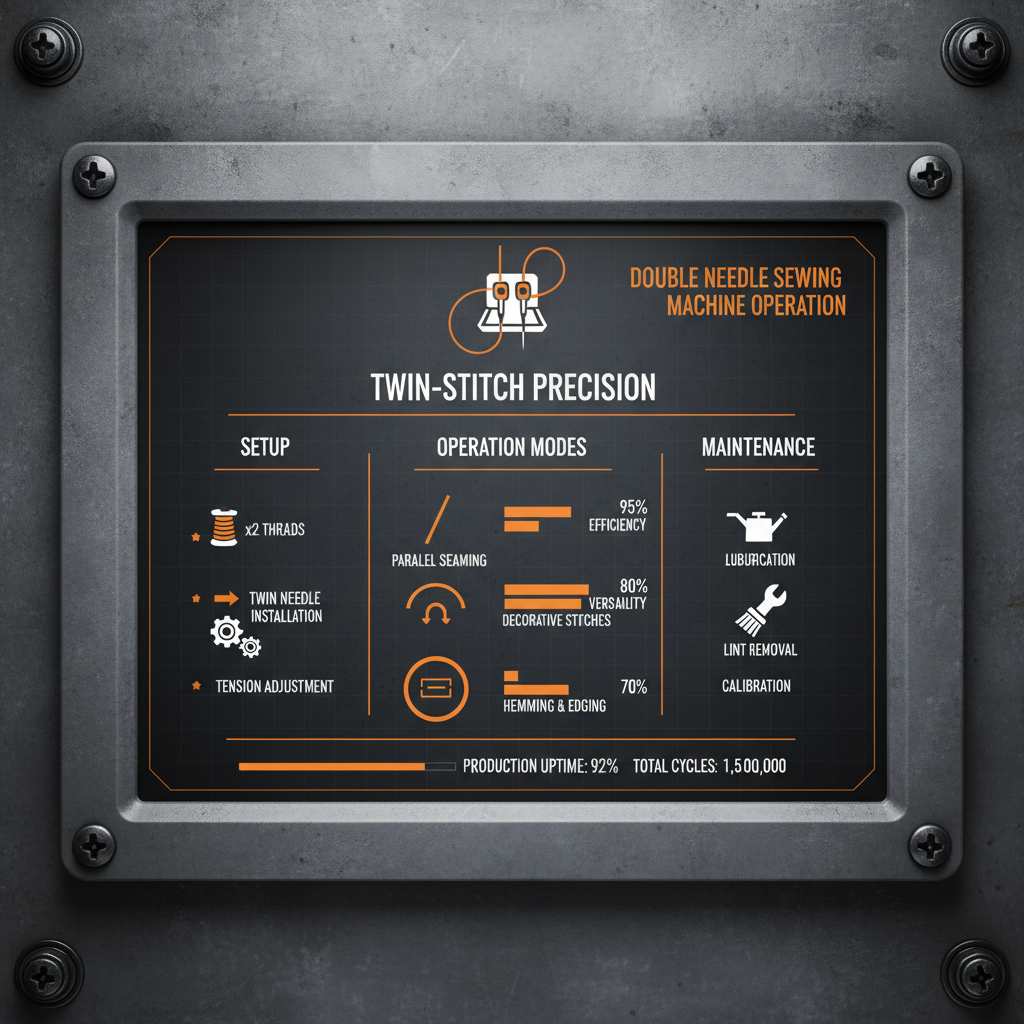
Understanding How to Use a Double Needle for Enhanced Sewing Efficiency and Quality
Updated:

Robert Miller
Robert Miller is the North American Sales Manager at Hebei LongSew Machinery Technology Co. Ltd. With over 15 years of experience in the industrial sewing machine market, Robert focuses on building strong relationships with clients across the US, Canada and Mexico. He’s a key driver in promoting LongSew's heavy-duty machines