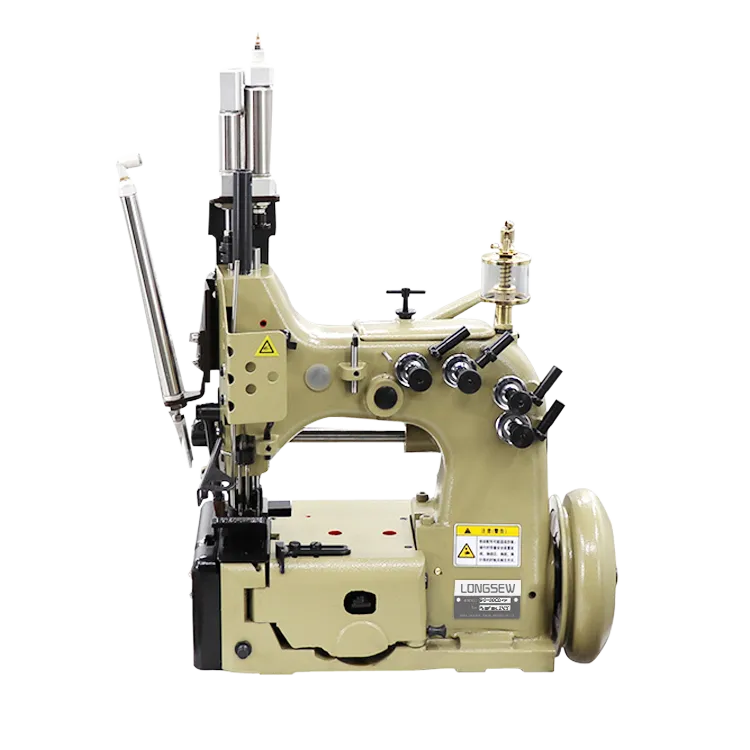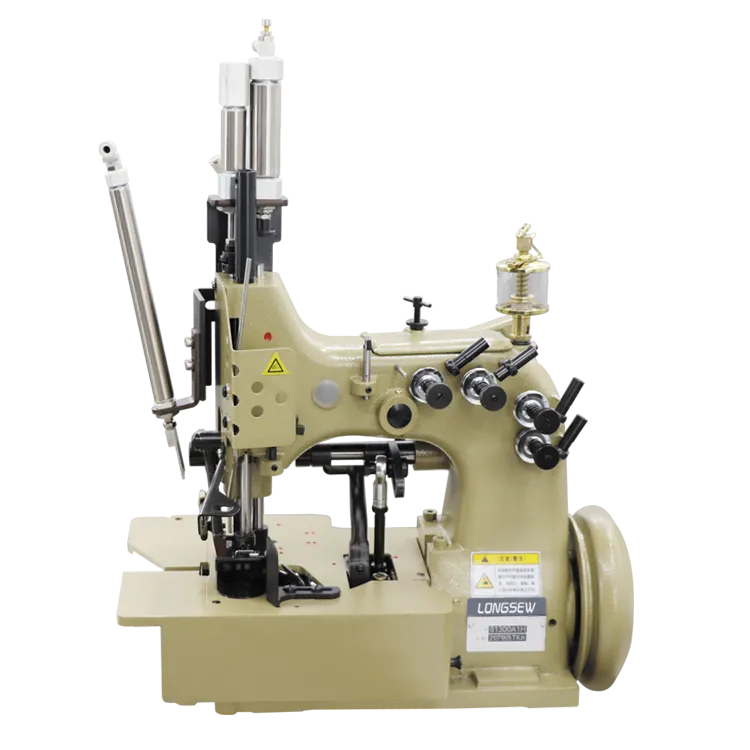
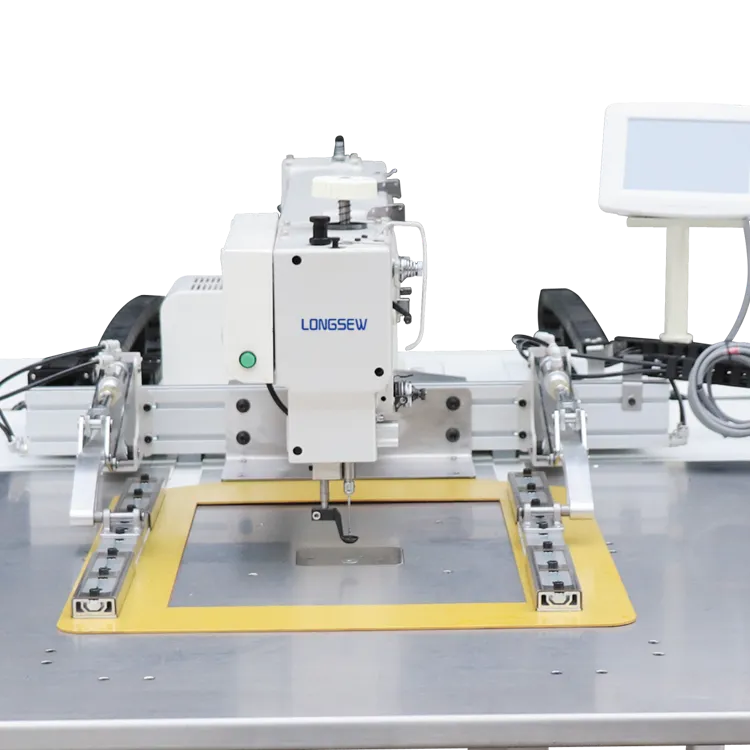
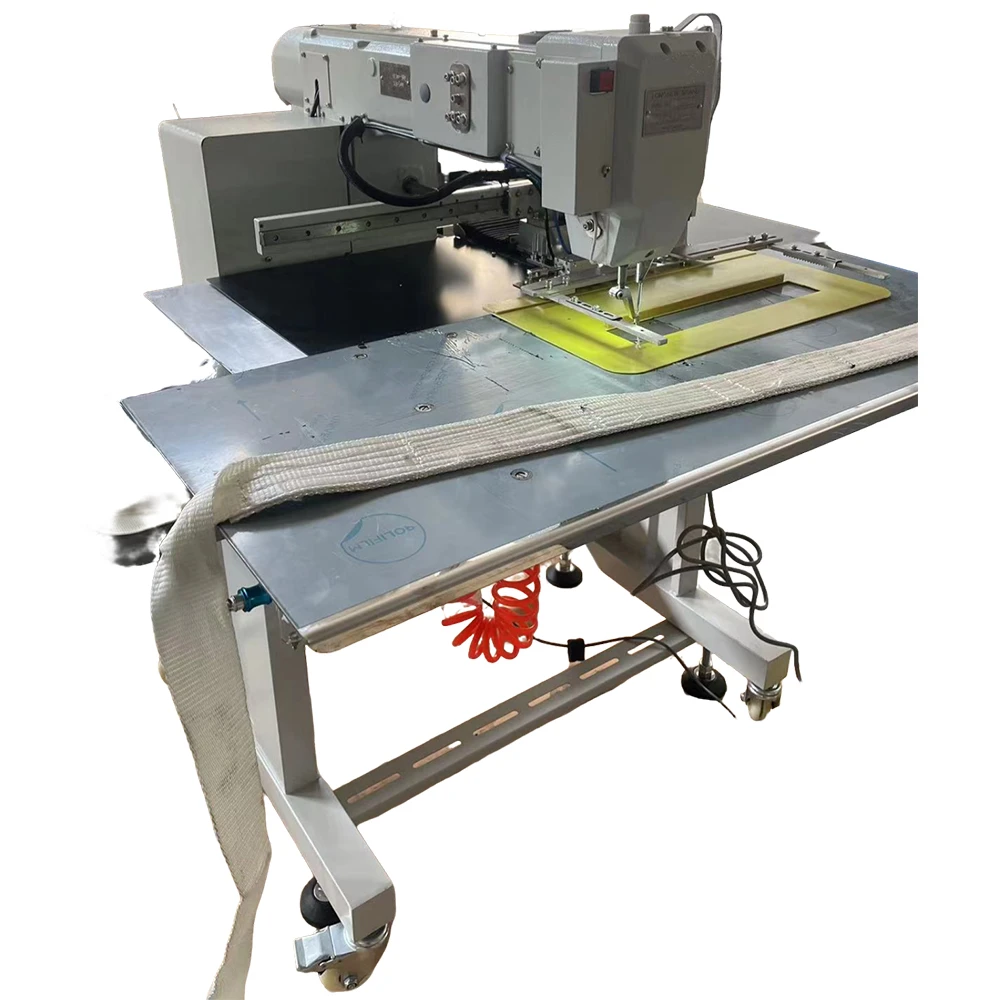
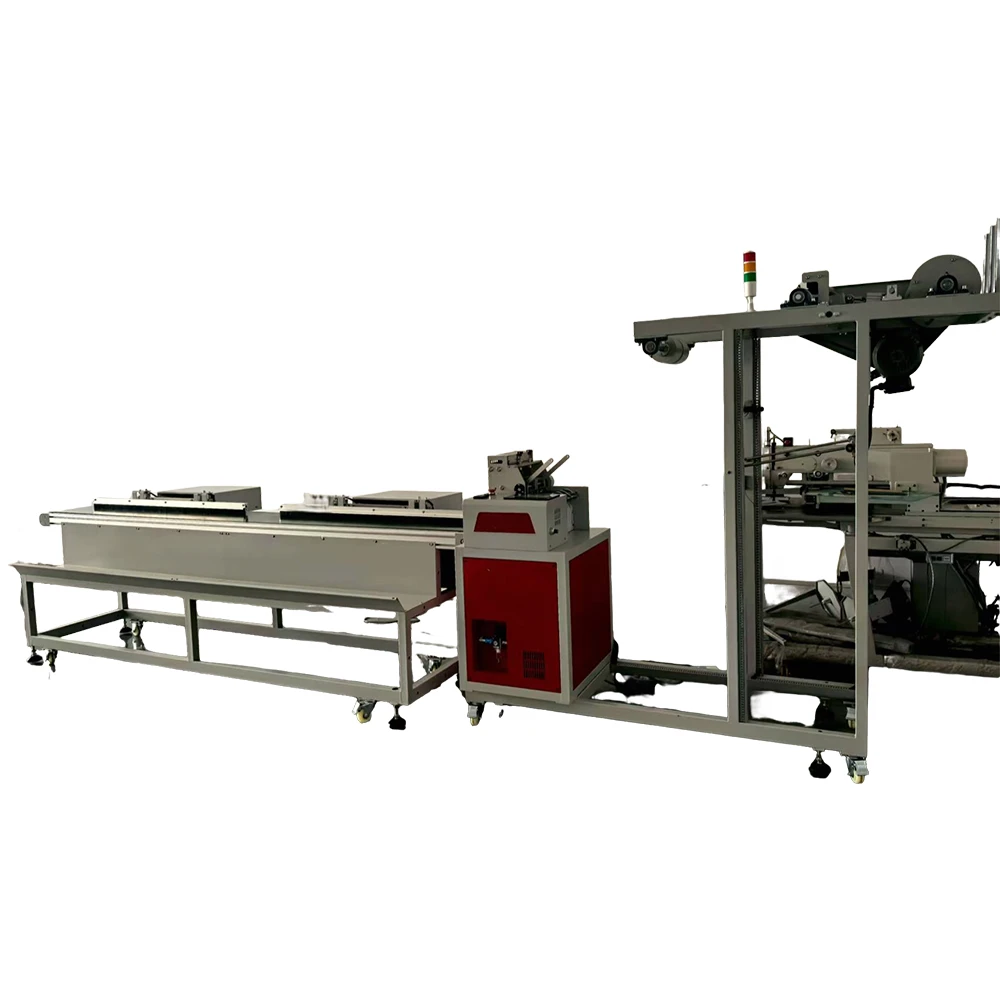
Industrial jumbo bag sewing machine Solutions for France

Engineering high-precision stitching systems for the European logistics and agricultural packaging sectors, optimizing durability and production speed.

The State of Industrial Packaging in France

Analyzing the demand for heavy-duty stitching equipment in the French industrial landscape.

France maintains a rigorous standard for industrial packaging, particularly in the agricultural and chemical sectors located in regions like Auvergne-Rhône-Alpes. The reliance on high-capacity fibc sewing machine technology is driven by the need for leak-proof, high-tensile strength containers that meet strict EU safety regulations.

The local market is currently transitioning from manual stitching to semi-automated systems. French manufacturers are prioritizing energy efficiency and noise reduction to comply with stringent labor laws and environmental directives, making the adoption of a modern big bag sewing machine a strategic necessity for scaling operations.

Furthermore, the rise of sustainable packaging in France has increased the demand for versatile equipment. Companies are now integrating a 50 kg jute bag making machine into their lines to handle biodegradable materials, balancing traditional textile expertise with modern industrial throughput.
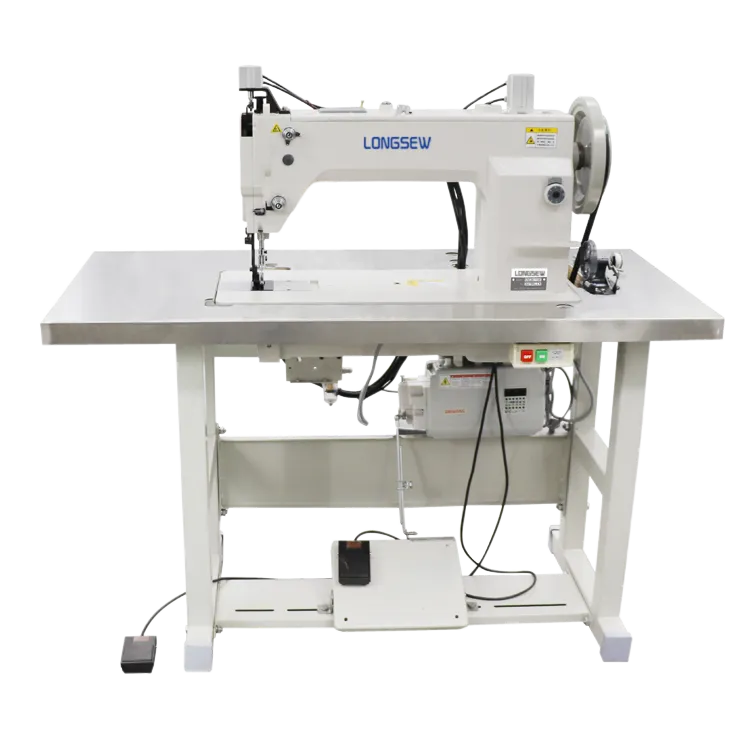
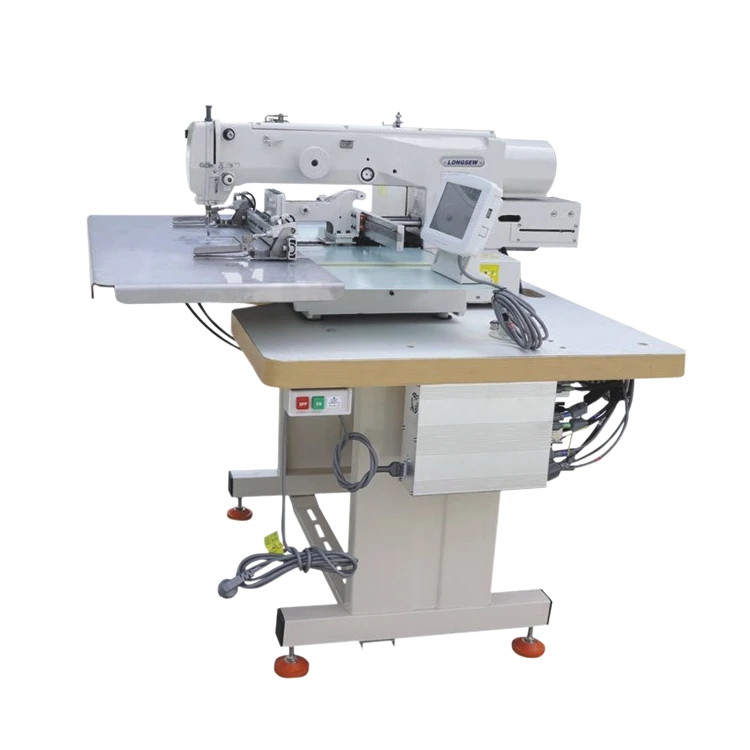
Evolution of Bag Closing Technology

From traditional hand-stitching to AI-driven automated sealing systems.

Market Development History

Prior to 2000, the French market relied heavily on mechanical chain-stitch machines. These tools were reliable but lacked the speed required for the burgeoning logistics sector, often resulting in production bottlenecks during peak harvest seasons.

Between 2010 and 2020, the introduction of electronic control systems revolutionized the jumbo bag stitching machine. Pneumatic lifting and automatic thread trimming became standard, significantly reducing the physical strain on operators and increasing stitch consistency.

Today, the industry has entered the era of "Smart Stitching," where sensors detect fabric thickness in real-time, adjusting tension automatically to prevent seam failure in heavy-duty poly-propylene materials.

Future Development Trends

IoT-Integrated Maintenance

Future machines will utilize cloud-based monitoring to predict needle wear and thread depletion, reducing unplanned downtime in French factories.

Eco-Compatible Threading

Shift towards machines optimized for recycled polymer threads, reducing the carbon footprint of the packaging process.

Hyper-Automation

Integration of robotic arms for fabric feeding, allowing for fully autonomous bag closure without human intervention.

Industry Trends and Future Outlook

Strategic directions for the textile machinery sector in France.

Precision Servo-Control
Transitioning to brushless servo motors for pinpoint accuracy in stitch length and energy savings.
Material Versatility
Developing hybrid feed systems that can switch between jute and polypropylene without tool changes.
Ergonomic Integration
Focusing on operator health with adjustable height workstations and reduced vibration chassis.
Modular Architecture
Implementing plug-and-play modules for rapid upgrades as bag sizes and materials evolve.

Industry Outlook

The trajectory for the French textile equipment market points toward a synthesis of craftsmanship and high-tech automation. As search trends indicate a growing interest in "sustainable industrial sewing," we expect a surge in demand for machines that can handle organic jute and recycled PP.

Strategic investments in France will likely center on reducing labor costs through increased machine efficiency, ensuring that the "Made in France" label for industrial packaging remains competitive against global imports.

Localized Applications in France

Real-world deployment of bag sewing technology across diverse French industries.

01. Agricultural Grain Export (Normandy)

Utilizing a jumbo bag sewing machine to secure large-scale grain exports, ensuring heavy-duty seams that withstand long-distance maritime transport.

02. Chemical Powder Packaging (Lyon)

Implementation of specialized fibc sewing machine units to create airtight, reinforced containers for volatile chemical powders, adhering to strict safety norms.

03. Eco-Friendly Retail Bags (Provence)

Deploying a 50 kg jute bag making machine for the production of biodegradable bulk shopping bags, catering to the French move away from single-use plastics.

04. Construction Debris Management (Paris)

Using a big bag sewing machine to manufacture ultra-strong debris bags used in urban renovation projects across the capital.

05. Wine Industry Bulk Shipping (Bordeaux)

Customized jumbo bag stitching machine setups for packaging bottling equipment and raw materials in the viticulture logistics chain.

Brand Story

Global Development Journey of Hebei Longsew Machinery Technology Co., Ltd.

Foundational Engineering

Starting with a commitment to solve the instability of heavy-duty stitching, we pioneered reinforced frame designs for industrial sewers.

Technological Breakthrough

Developed the first generation of synchronized feeding mechanisms, drastically reducing fabric slippage in FIBC production.

European Market Expansion

Tailoring our machines to meet CE standards and the high precision requirements of the French and German industrial sectors.

Sustainability Pivot

Integrating energy-saving motors and biodegradable material compatibility into our core product lines.

Global Leadership

Today, we provide end-to-end stitching solutions that empower manufacturers worldwide to package the world's most essential goods.

Common Questions from France's Textile Industry

Expert answers to technical and operational queries regarding industrial bag sewing.

How do I choose the right fibc sewing machine for heavy-duty polymers?

For heavy-duty polymers, you need a machine with a high-torque motor and a reinforced needle bar to penetrate multiple layers of fabric without bending. Ensure the machine supports adjustable stitch lengths for varied density.

What is the maintenance cycle for a jumbo bag sewing machine in high-volume plants?

We recommend daily lubrication of the hook assembly and weekly inspections of the feed dogs. For high-volume French plants, quarterly professional calibration is suggested to maintain CE safety standards.

Can a big bag sewing machine be adapted for different fabric widths?

Yes, our machines feature modular guides and adjustable throat plates, allowing operators to switch between different bag dimensions quickly with minimal downtime.

Is the 50 kg jute bag making machine compatible with organic jute fibers?

Absolutely. Our machines are designed with specialized tension controls specifically for the irregular texture of organic jute, preventing thread breakage and ensuring a clean finish.

What makes a jumbo bag stitching machine "industrial grade" compared to portable versions?

Industrial grade machines feature cast-iron frames, higher sewing speeds (RPM), and the ability to run 24/7 without overheating, unlike portable units meant for occasional use.

How does the sewing speed affect the seam strength of FIBC bags?

Excessive speed without proper tension control can weaken the seam. Our advanced controllers synchronize speed and stitch depth to ensure maximum tensile strength regardless of production pace.

Request a Technical Consultation

Ready to upgrade your production line in France? Our experts are available to provide customized machinery configurations for your specific needs.

Contact Us Now

If you are interested in our products, you can choose to leave your information here, and we will be in touch with you shortly.