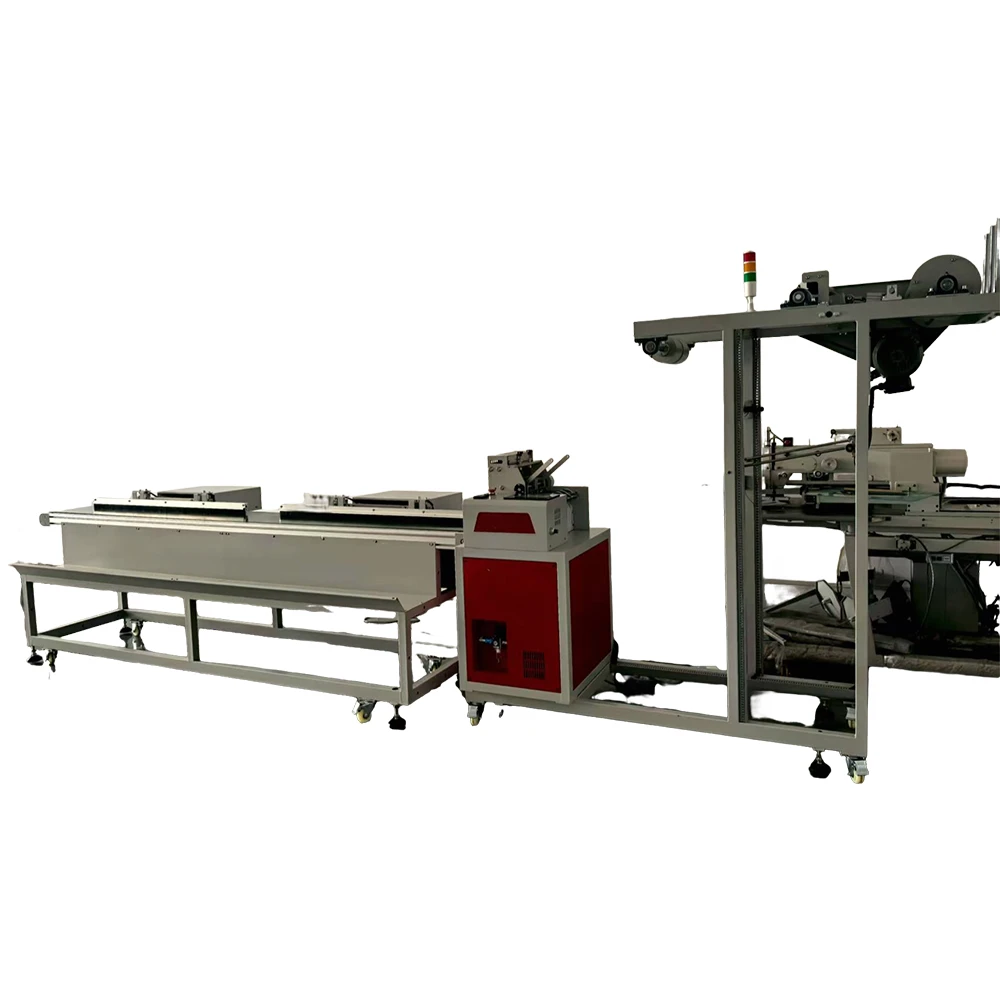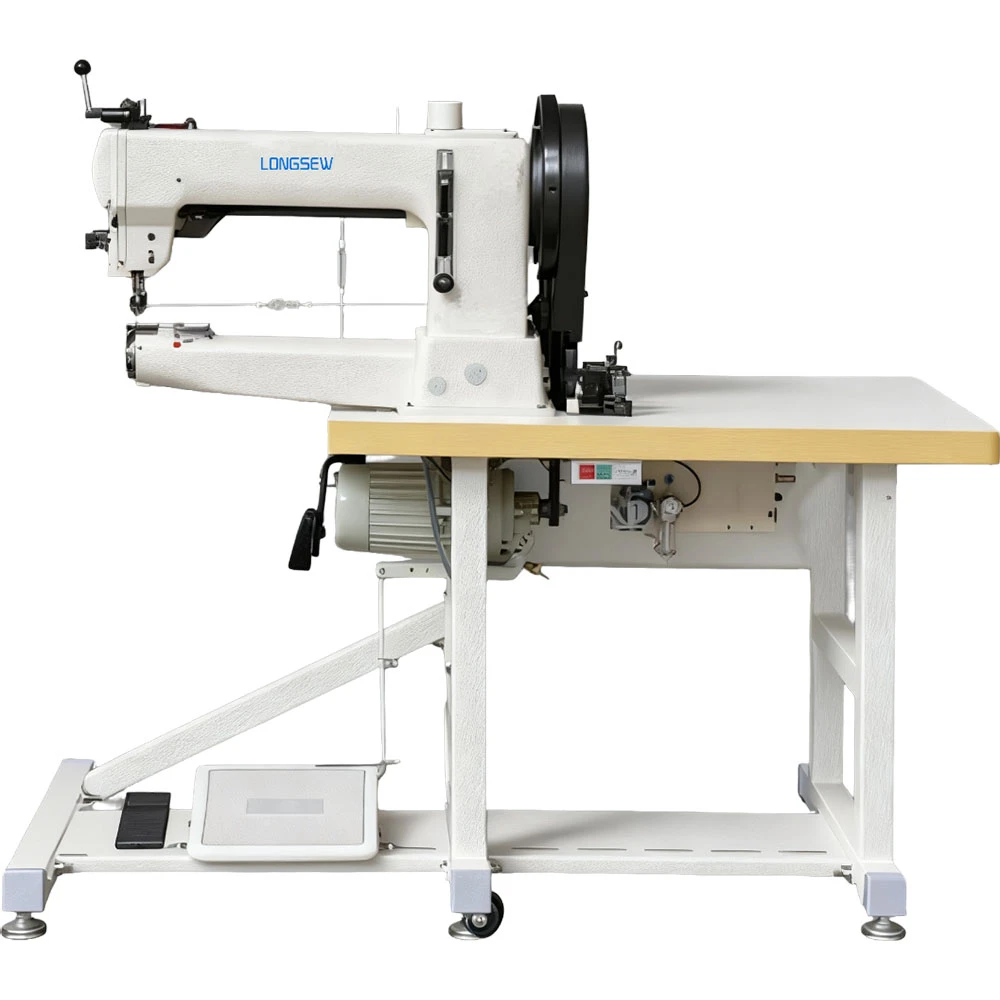
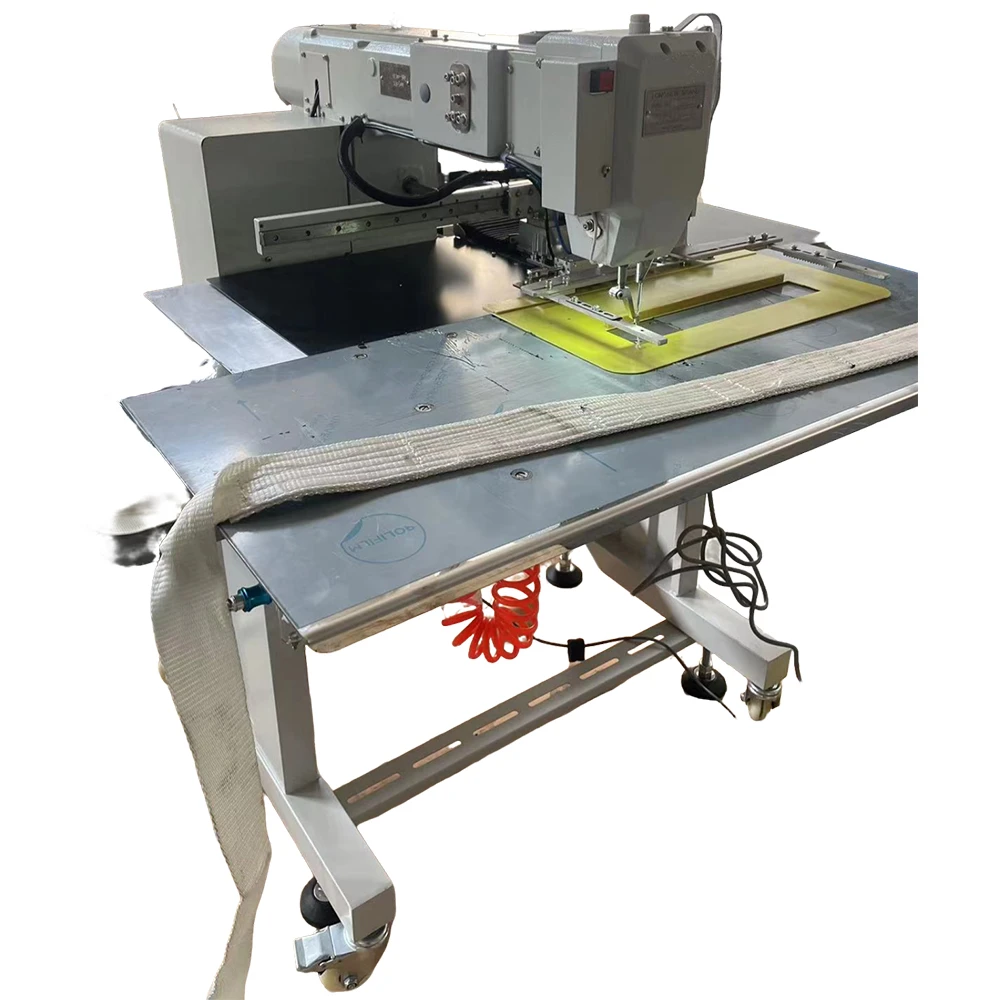
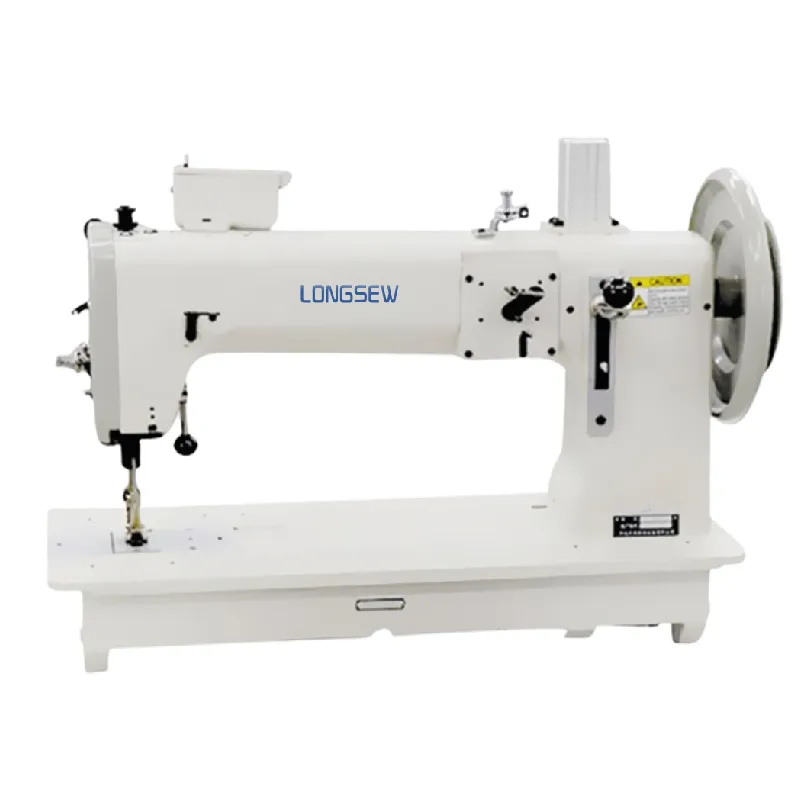
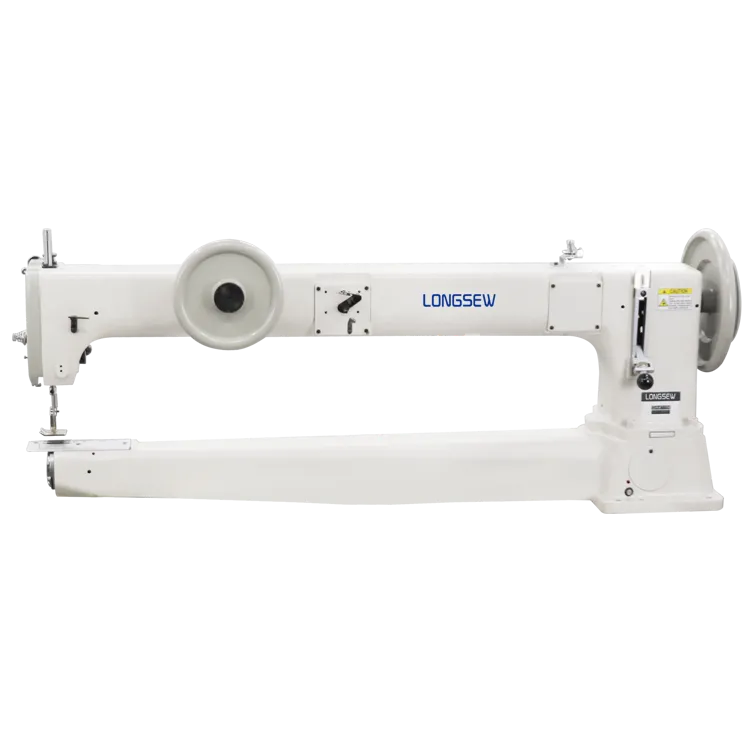
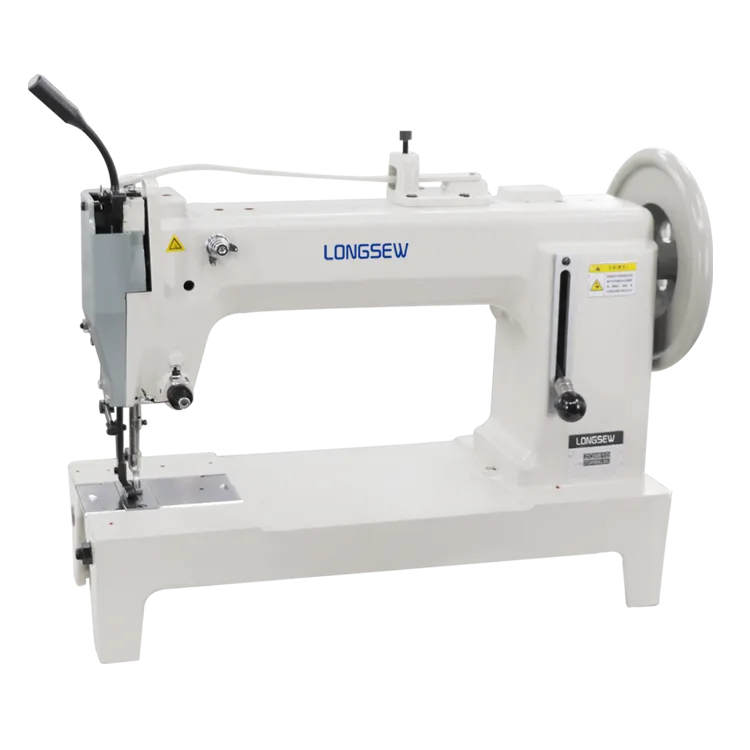
High-Performance jumbo bag sewing machine Solutions for Norway Industrial Packaging

Engineering precision and durability for the Nordic market, specializing in heavy-duty textile equipment for sustainable bulk material handling.

Industrial Packaging Landscape in Norway

Analyzing the demand for heavy-duty textile machinery in the Norwegian economic environment.

Norway's industrial sector is characterized by high labor costs and a stringent commitment to environmental sustainability. The demand for a reliable fibc sewing machine is driven by the need to produce high-strength bags for the aquaculture, mining, and chemical industries, which are pillars of the Norwegian economy.

Due to the harsh Nordic climate and the nature of transported goods (such as fish feed and minerals), packaging materials must withstand extreme temperature fluctuations. This requires a jumbo bag stitching machine that can handle thick, UV-stabilized polypropylene fabrics without compromising stitch integrity.

Furthermore, the Norwegian market is shifting towards "Green Logistics," necessitating equipment that minimizes waste and maximizes the lifecycle of reusable bags. This transition is pushing local manufacturers to upgrade from manual systems to automated, high-precision sewing technologies.
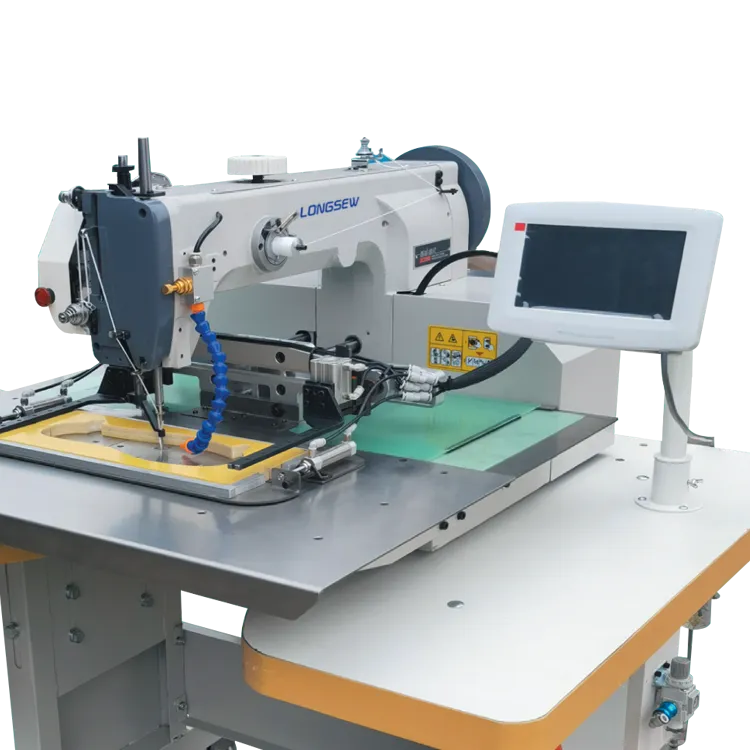
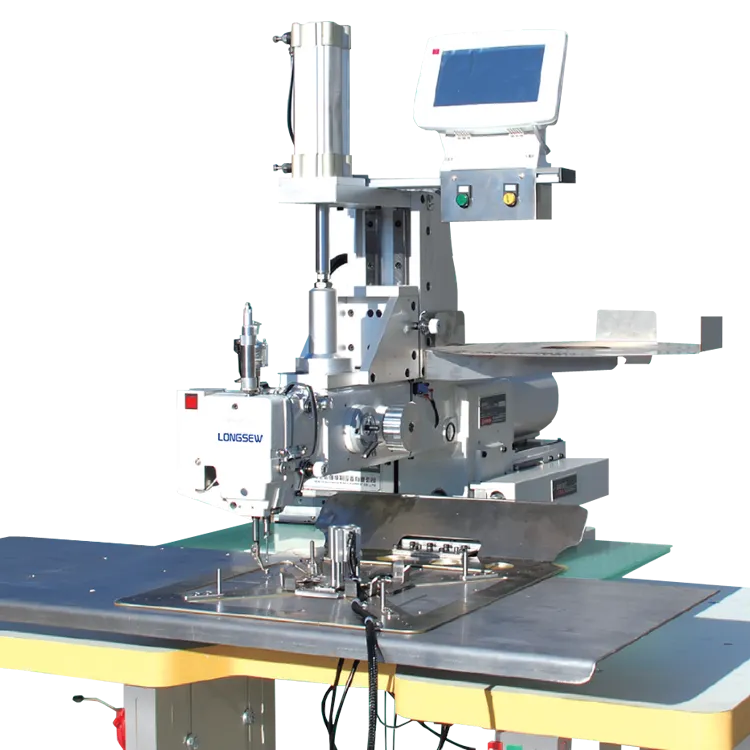
Evolution and Trajectory of FIBC Manufacturing

From manual craftsmanship to automated industrial precision in the textile machinery sector.

Market Development History

In the early 2000s, the Norwegian packaging market relied heavily on imported semi-automatic machines. The focus was primarily on basic functionality, where a standard big bag sewing machine was sufficient for low-volume production.

Between 2010 and 2020, the industry witnessed a shift toward specialization. The introduction of dedicated heavy-duty motors and reinforced frames allowed for the production of bags with higher Safe Working Loads (SWL), reducing failures in heavy-duty transport.

Today, the integration of PLC controls and servo-driven systems has transformed the process. Modern facilities now employ an advanced 50 kg jute bag making machine logic to handle diversified material types, blending natural fibers with synthetic strength.

Future Development Trends

AI-Driven Stitch Monitoring

Integration of optical sensors to detect thread breaks in real-time, ensuring zero-defect production for safety-critical industrial bags.

Sustainable Material Adaptation

Machinery redesign to handle biodegradable and recycled polymers, aligning with Norway's circular economy goals.

Modular Automation

Shift toward robotic sewing arms that can be quickly reconfigured for different bag sizes and shapes to increase agility.

Future Trends in Textile Machinery

Strategic forecasts for the next 3-5 years in the FIBC and heavy bag manufacturing sector.

Energy-Efficient Servo Drives
Transitioning to low-energy consumption motors to meet Norway's strict carbon footprint regulations.
Smart Material Sensing
Adaptive tension control systems that adjust automatically to fabric thickness variations.
Enhanced Ergonomics
Reducing operator fatigue through adjustable height tables and semi-automated lifting supports.
IoT Connectivity
Remote diagnostics and predictive maintenance to minimize downtime in remote Norwegian factories.

Industry Outlook

Based on Google search trends in the Nordic region, there is a growing interest in "sustainable industrial sewing" and "automated FIBC production." The market is moving away from generic machinery toward highly specialized equipment that can handle high-tenacity yarns and recycled fabrics.

Over the next five years, the synergy between digitalization and mechanical durability will define the winners in the Norwegian market. Manufacturers who invest in equipment that combines robust physical builds with smart monitoring will achieve the highest ROI.

Local Application Scenarios in Norway

Practical implementations of our sewing solutions across various Norwegian industries.

01. Aquaculture Feed Packaging

Utilizing high-speed jumbo bag sewing machine units to create moisture-resistant bags for salmon feed, ensuring secure seals against the humid coastal environment.

02. Mining and Mineral Export

Deploying reinforced big bag sewing machine systems to manufacture ultra-heavy-duty bags for iron ore and quartz transport from inland mines to ports.

03. Agricultural Seed Bags

Implementing the 50 kg jute bag making machine for organic seed producers who require breathable, natural fiber packaging for sustainable farming.

04. Chemical Industry Containment

Applying precise fibc sewing machine technology to produce leak-proof liners and reinforced bags for industrial chemicals and polymers.

05. Waste Management & Recycling

Using specialized jumbo bag stitching machine equipment to create large-scale collection bags for municipal recycling programs in Oslo and Bergen.

Brand Story

Global Development History of Hebei Longsew Machinery Technology Co., Ltd.

Foundation and Vision

Established with a commitment to solving the structural weaknesses in industrial sewing, we focused on the core pain point: stitch failure in heavy-duty bags.

Technical Innovation

Developed proprietary reinforced hook systems and high-torque motors that set new industry standards for FIBC machine durability.

Global Market Expansion

Successfully entered the European market, adapting our machinery to meet the rigorous CE certifications and Nordic quality requirements.

Sustainability Integration

Pioneered the development of machines capable of stitching recycled fabrics without compromising tensile strength.

Industry Leadership

Today, we stand as a leading partner for bulk packaging manufacturers worldwide, delivering reliability and precision engineering.

Common Questions for Norway Clients

Expert answers to technical and logistical queries regarding industrial sewing equipment.

What is the best fibc sewing machine for high-tenacity polypropylene fabrics?

For high-tenacity fabrics, we recommend our heavy-duty series with reinforced frames and adjustable tension controls to prevent fabric puckering and ensure strong seams.

How does a jumbo bag sewing machine handle different material thicknesses?

Our machines feature adjustable presser foot pressure and variable speed settings, allowing operators to switch between thin liners and thick outer shells seamlessly.

Can a big bag sewing machine be integrated into an automated production line?

Yes, our industrial units are designed with PLC compatibility and external trigger interfaces, making them ideal for integration with conveyor systems and robotic arms.

What are the maintenance requirements for a 50 kg jute bag making machine in cold climates?

In cold environments like Norway, we recommend using low-viscosity synthetic lubricants and ensuring the machine is stored in a temperature-controlled area to prevent oil thickening.

Is the jumbo bag stitching machine compatible with recycled yarn?

Absolutely. Our machines are engineered to handle the slightly higher friction and irregular diameter of recycled yarns without causing frequent thread breakage.

What warranty and support options are available for equipment shipped to Norway?

We provide a comprehensive global warranty and offer remote technical support via video conferencing and detailed digital maintenance manuals for rapid troubleshooting.

Request a Technical Consultation

Our experts are ready to help you optimize your bulk packaging production in Norway. Let's build a more efficient future together.

Contact Us Now

If you are interested in our products, you can choose to leave your information here, and we will be in touch with you shortly.