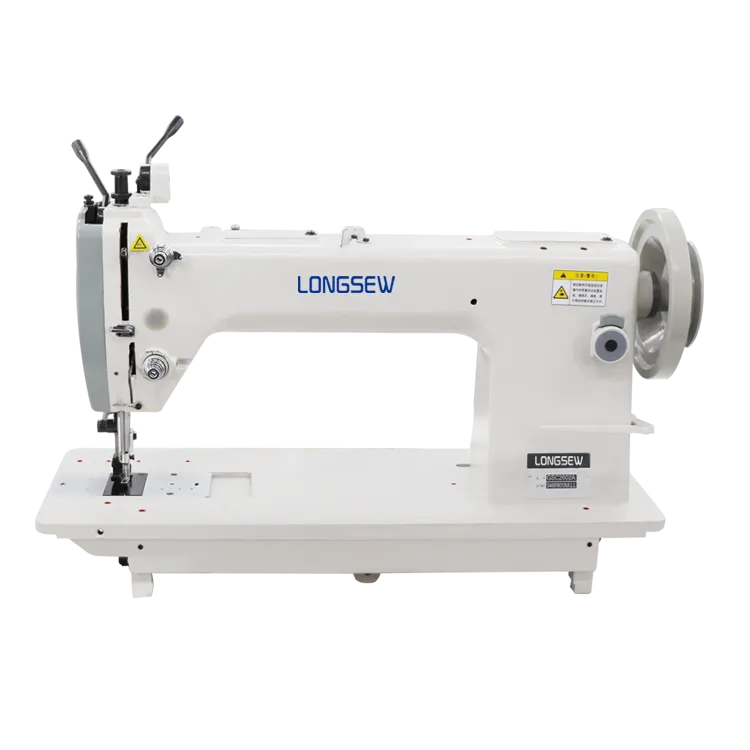
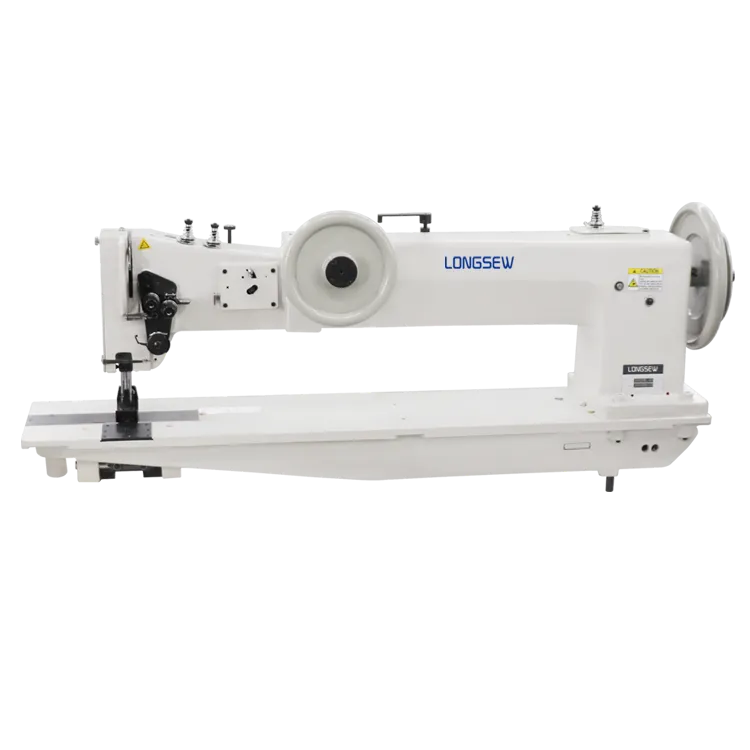
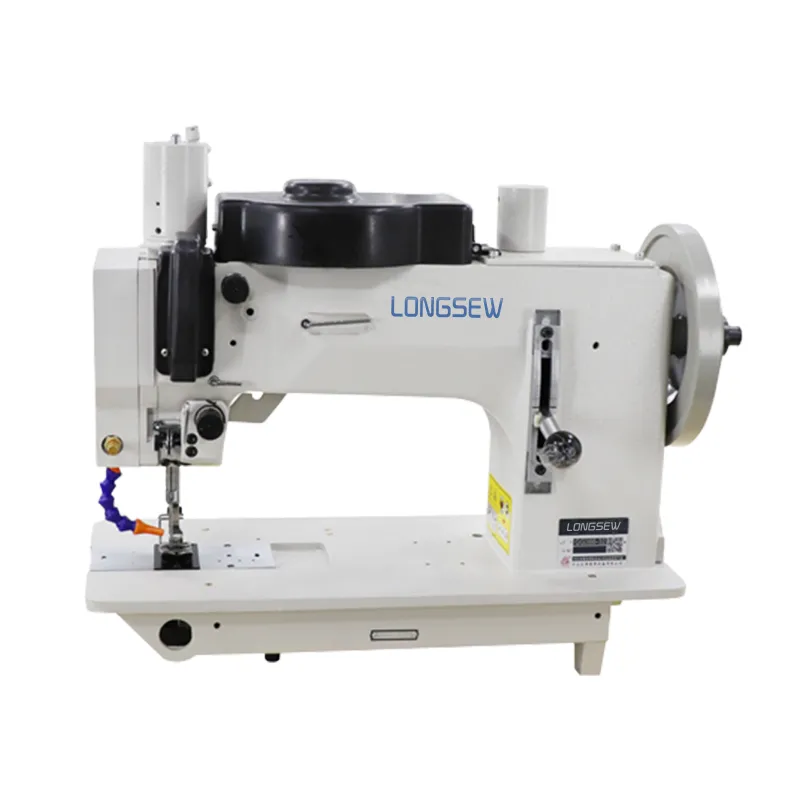
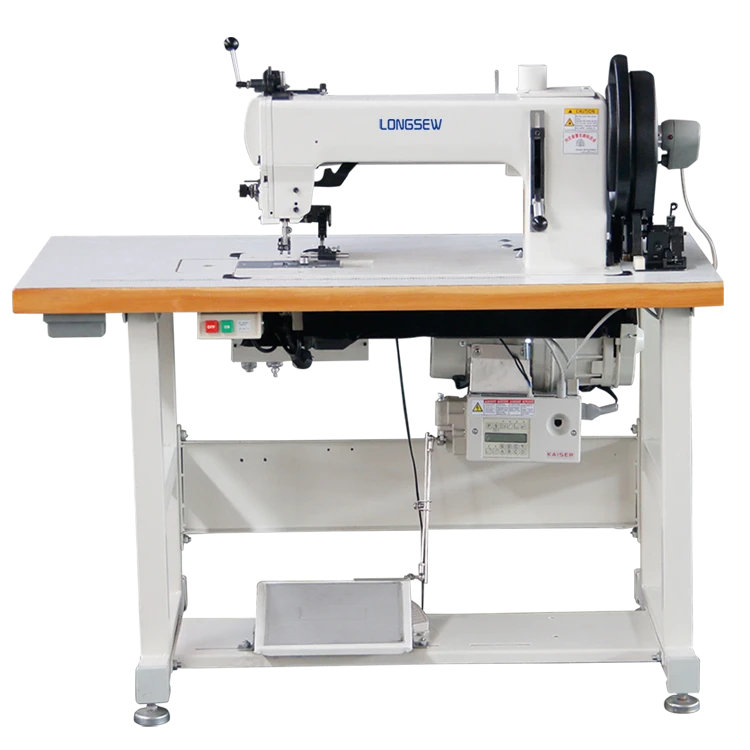
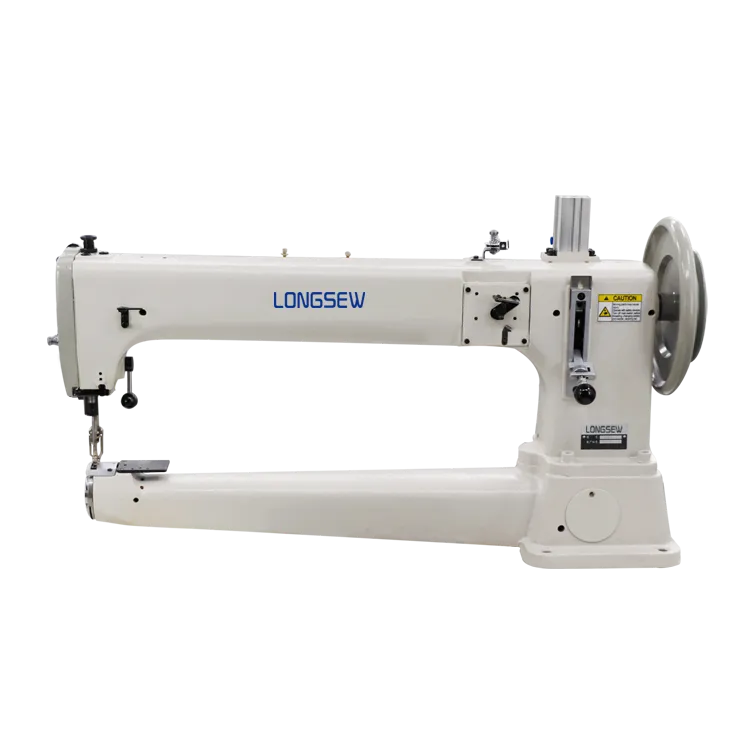
Advanced jumbo bag sewing machine Solutions for Uruguay Industry

Empowering Uruguayan agricultural and chemical packaging sectors with high-precision industrial stitching technology for maximum durability.

The State of Industrial Packaging in Uruguay

Analyzing the demand for high-capacity stitching solutions in the Southern Cone.

Uruguay's industrial landscape is heavily influenced by its strong agricultural exports, particularly in grains and livestock feed. The reliance on bulk transport necessitates the use of a robust fibc sewing machine to ensure that large-scale containers can withstand the rigors of international shipping from ports like Montevideo.

Environmental factors in the region, including fluctuating humidity levels, require machinery that is resistant to corrosion and wear. Local manufacturers are increasingly shifting away from manual stitching toward an automated big bag sewing machine to increase output and reduce labor costs in a market with a limited specialized workforce.

Furthermore, the diversification into chemical fertilizers and specialty minerals has created a surge in demand for a specialized jumbo bag stitching machine capable of handling heavy-duty polypropylene fabrics with precision and reinforced seam strength.
Evolution and Trajectory of Bag Manufacturing in Uruguay

From traditional manual craft to automated industrial precision.

Market Development History

In the early 2000s, the Uruguayan market relied predominantly on basic portable sewing tools and small-scale workshops. Most packaging was handled through manual labor, which limited the scalability of the agricultural export sector.

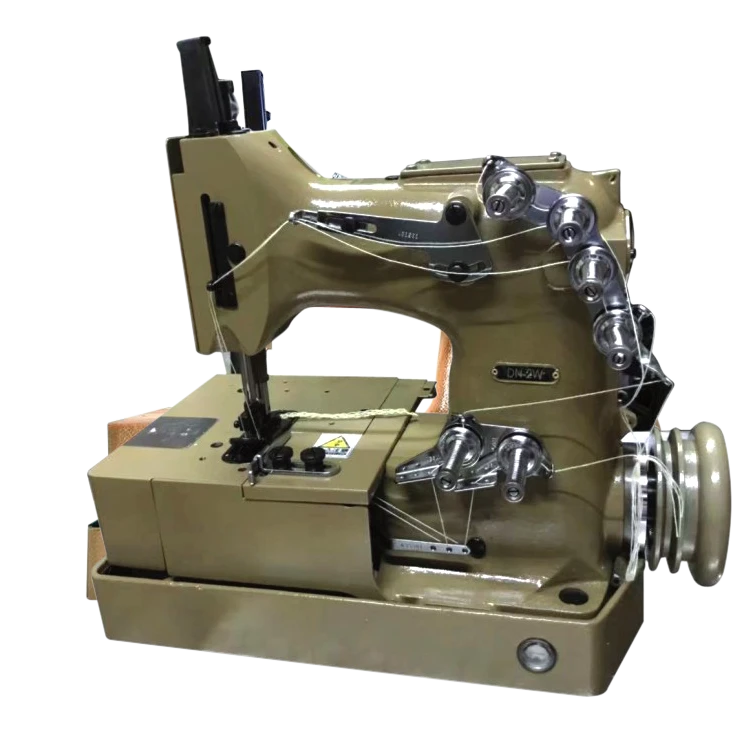
Between 2010 and 2020, there was a significant transition toward semi-automation. The introduction of the 50 kg jute bag making machine allowed local cooperatives to standardize their packaging, improving the quality of grain exports to the global market.

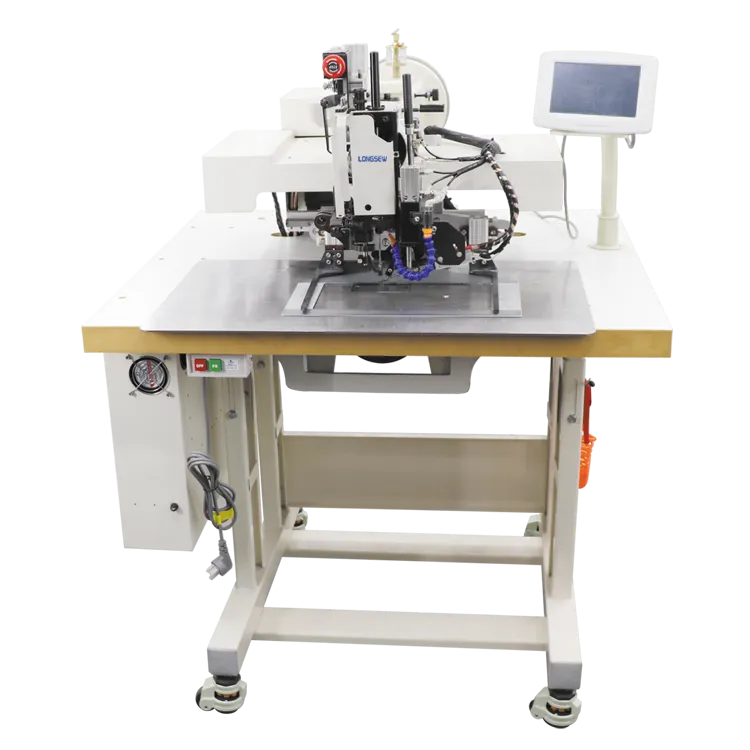
From 2021 to the present, the industry has entered the era of "Smart Packaging." The adoption of heavy-duty, high-speed industrial machines has enabled factories to produce FIBCs that meet international ISO standards for safety and weight capacity.

Future Development Trends

Integration of IoT Monitoring

Future systems will likely incorporate sensors to monitor stitch tension and thread breakage in real-time, reducing downtime in Uruguayan production lines.

Eco-friendly Material Compatibility

As Uruguay pushes for "Green Growth," machines are being adapted to handle biodegradable polymers and recycled textiles without losing seam integrity.

Modular Automation

We anticipate a move toward modular assembly lines where sewing, cutting, and lifting are integrated into a single synchronized workflow.

Future Outlook of Textile Machinery Trends

Strategic projections for the next 3-5 years in the specialized equipment sector.

High-Speed Precision
Increasing stitches per minute while maintaining absolute seam strength for heavy loads.
Energy Efficiency
Implementation of servo-motors to reduce power consumption in large-scale factories.
Material Versatility
Ability to switch between jute, PP, and PE fabrics with minimal setup time.
Automated QC
Integrated optical sensors for automatic seam quality inspection.

Industry Outlook

Based on regional search trends, there is a growing interest in "sustainable bulk packaging" within South America. This suggests that the next generation of sewing equipment will need to focus on durability and the ability to process eco-friendly threads.

Furthermore, as Uruguay strengthens its trade ties with Asia and North America, the demand for machinery that produces bags compliant with strict international safety coefficients (e.g., 5:1 or 6:1 safety factors) will become the industry standard.

Local Application Scenarios in Uruguay

Real-world implementation of our sewing solutions across various Uruguayan sectors.

01. Grain Export Logistics in Montevideo

Using high-capacity jumbo bag sewing machine units to package soy and corn for maritime shipping, ensuring no leakage during long-haul transit.

02. Livestock Feed Production in the Interior

Deploying the 50 kg jute bag making machine for regional feed distribution, providing breathable and durable packaging for local farmers.

03. Chemical Fertilizer Plants in Industrial Parks

Implementing specialized big bag sewing machine systems to handle chemical-resistant fabrics that protect contents from moisture and UV rays.

04. Mining and Mineral Ore Packaging

Utilizing a heavy-duty jumbo bag stitching machine to secure extremely heavy mineral deposits, preventing seam rupture under immense pressure.

05. Custom FIBC Manufacturing Workshops

Equipping local textile factories with a versatile fibc sewing machine to produce customized bulk bags tailored to specific client dimensions.

Brand Story

Global Development Journey of Hebei Longsew Machinery Technology Co., Ltd.

Foundation of Excellence

Established with a vision to solve the most difficult stitching challenges in the textile industry, focusing on heavy-duty material penetration.

Technological Breakthrough

Developed proprietary needle-cooling and tension-control systems that revolutionized the efficiency of bulk bag production.

Global Market Expansion

Expanded our footprint into the South American market, tailoring our machines to meet the specific environmental needs of Uruguay and Brazil.

Quality Certification

Achieved international certifications for safety and performance, ensuring every machine delivered meets global industrial standards.

Vision for the Future

Committed to driving the digital transformation of the sewing industry through AI-integrated machinery and sustainable engineering.

Frequently Asked Questions for Uruguayan Clients

Expert answers to common technical and logistical queries.

Which fibc sewing machine is best for heavy-duty polypropylene in Uruguay?

We recommend our reinforced series with adjustable tension control, specifically designed to handle thick PP fabrics without skipping stitches, ideal for the regional chemical industry.

How do I maintain a jumbo bag sewing machine in humid coastal climates?

Regular lubrication with anti-corrosive industrial oil and daily cleaning of the feed dog area are essential to prevent rust caused by the humidity in cities like Montevideo.

Can the 50 kg jute bag making machine handle organic fibers?

Yes, our jute bag machines are optimized for various organic fibers, ensuring a clean finish and high tensile strength for agricultural exports.

What is the average lead time for a big bag sewing machine delivery to Uruguay?

Depending on the customization level, the lead time is typically 15-30 days for production, followed by international shipping to Uruguayan ports.

Does the jumbo bag stitching machine support automatic thread cutting?

Our advanced models feature automatic thread trimming and start/stop sensors to maximize productivity and minimize waste.

Are these machines compatible with 220V power systems in South America?

Absolutely. All our equipment can be configured to match the specific voltage and frequency standards of Uruguay to ensure safe and stable operation.

Get Your Custom Packaging Solution

Contact our technical experts today to optimize your industrial stitching workflow in Uruguay.

Contact Us Now

If you are interested in our products, you can choose to leave your information here, and we will be in touch with you shortly.