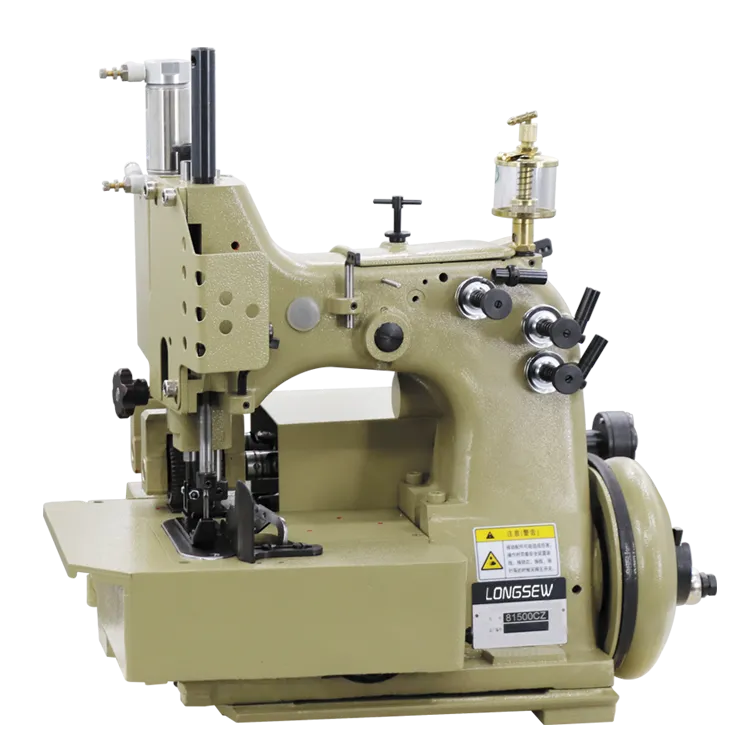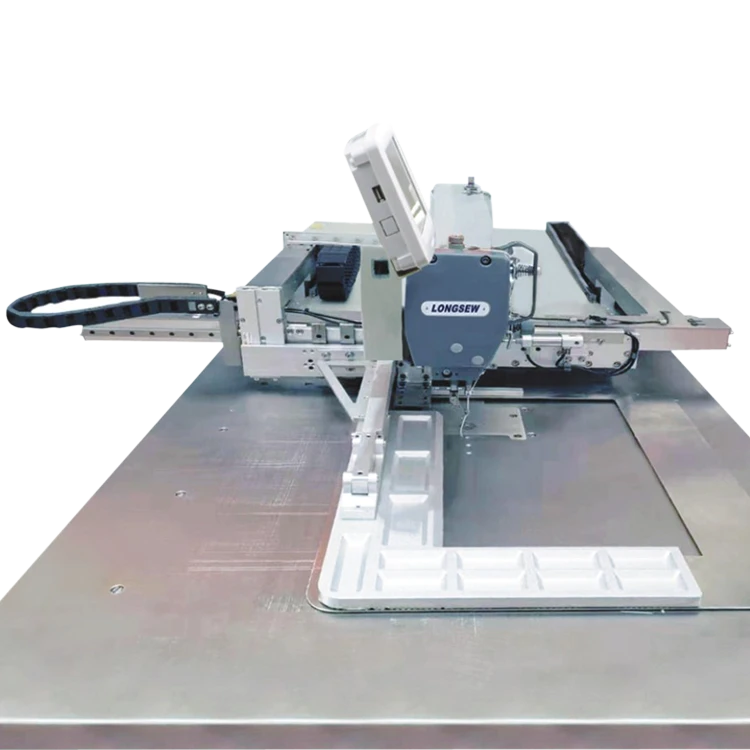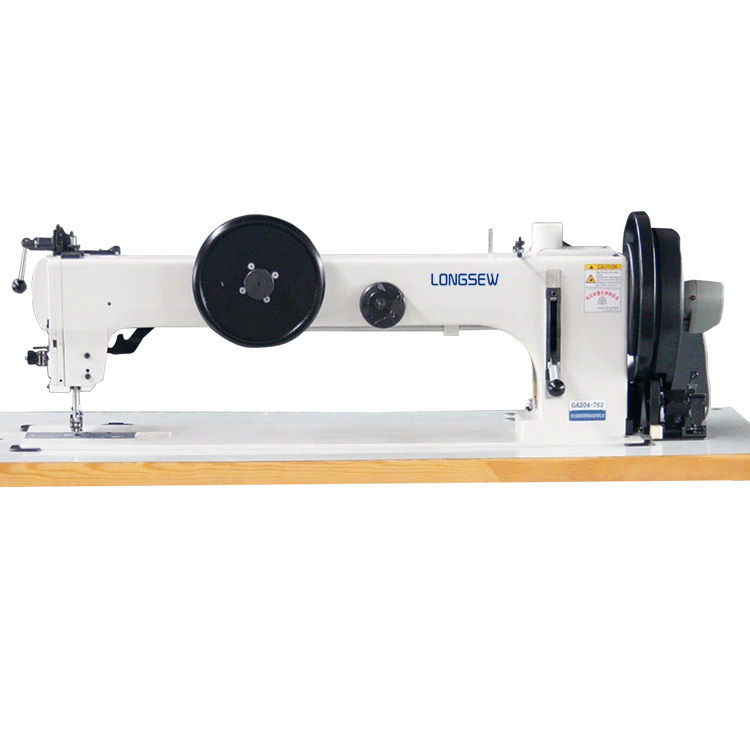
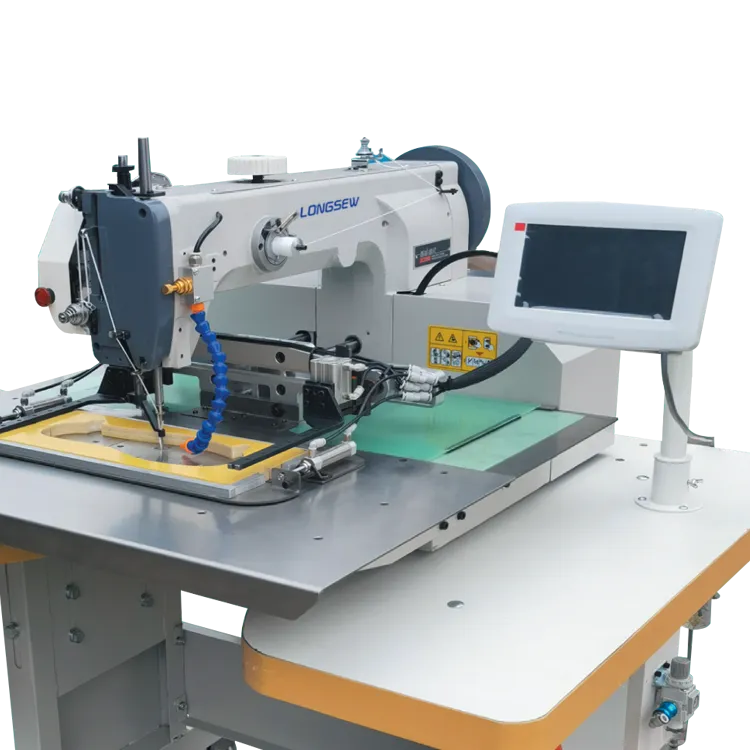
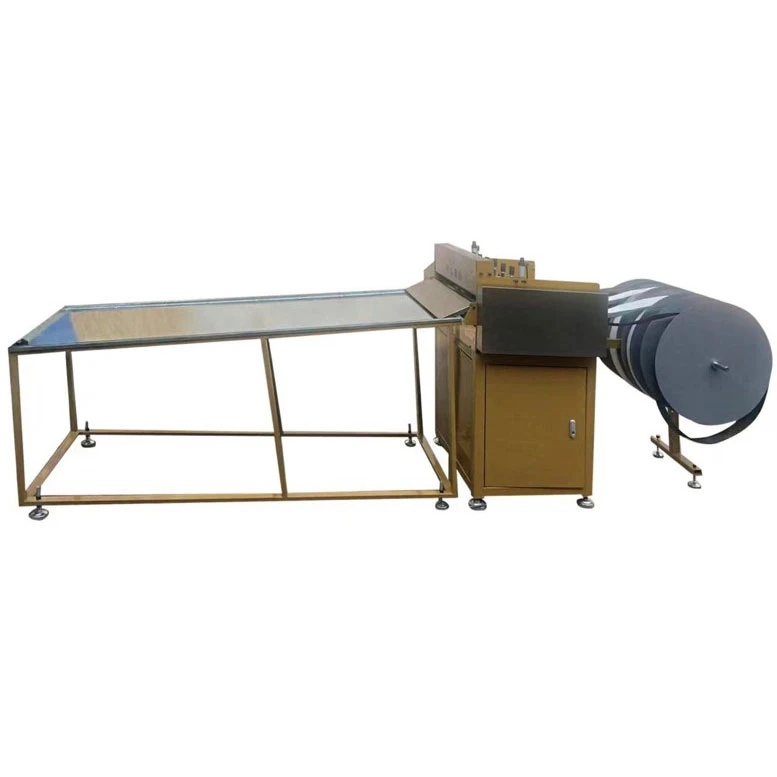
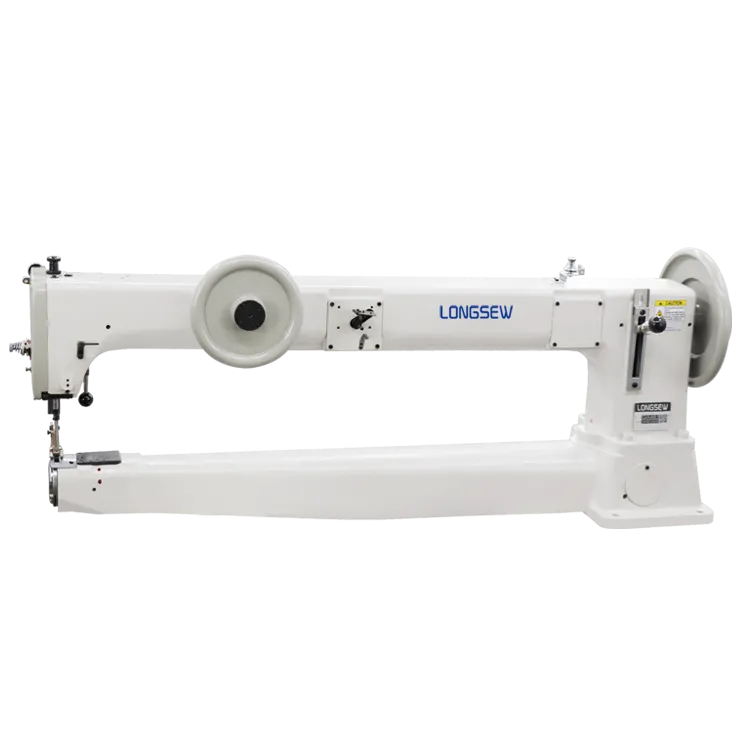
Advanced Industrial jumbo bag sewing machine Solutions for Italy

Precision engineering for the Italian textile sector, optimizing the production of heavy-duty packaging with European efficiency and global durability.

The Landscape of Industrial Packaging Equipment in Italy

Analyzing the intersection of Italian craftsmanship and automated bagging technology.

Italy stands as a global hub for high-end textile machinery, yet the demand for specialized fibc sewing machine systems is evolving. With a strong economic focus on chemical exports, pharmaceutical grade packaging, and agricultural bulk logistics, Italian factories require equipment that balances rapid output with extreme precision to meet EU safety standards.

The local market is characterized by a shift toward sustainability and circular economy principles. Manufacturers are increasingly seeking a big bag sewing machine that can handle recycled polypropylene and biodegradable fabrics without compromising seam strength, reflecting Italy's commitment to Green Deal objectives.

Geographically, the industrial clusters in Lombardy and Veneto drive the need for high-reliability jumbo bag stitching machine units. These regions demand machines capable of operating in varied climate conditions, from humid coastal ports to temperature-controlled warehouses, ensuring zero downtime during peak export seasons.
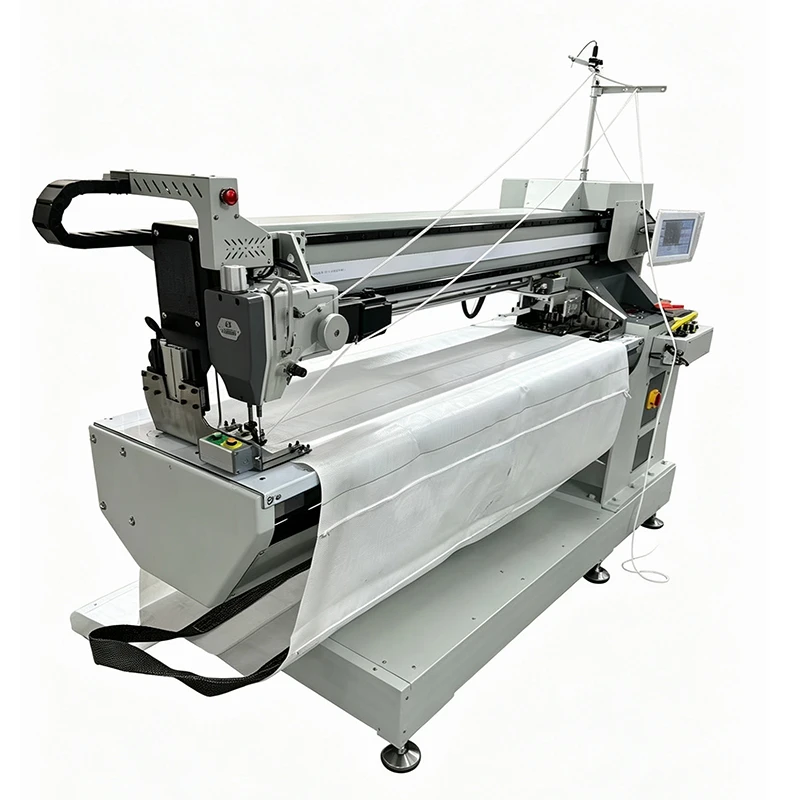
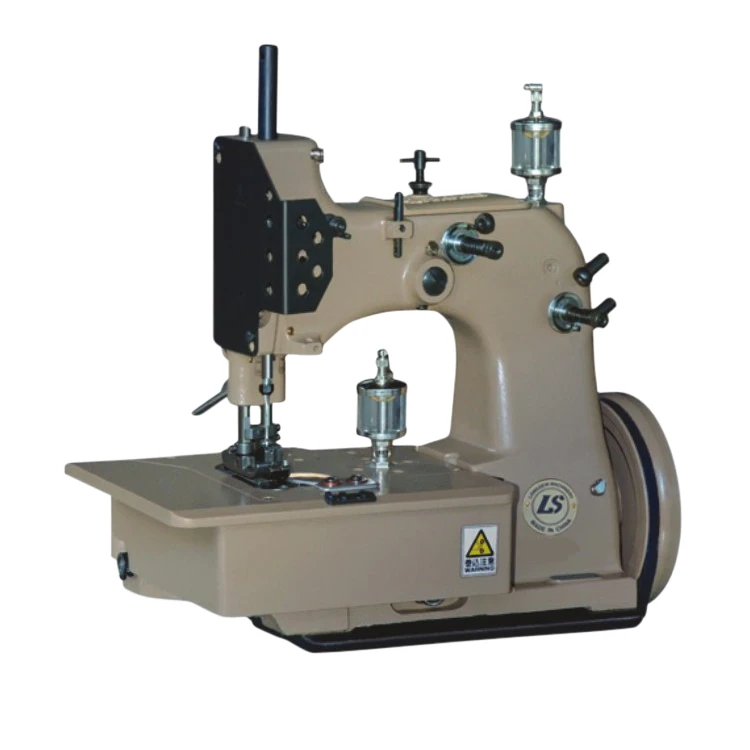
Evolution and Trajectory of FIBC Stitching Technology

From manual craftsmanship to the era of Intelligent Automation.

Market Development History

In the late 20th century, the Italian market relied heavily on modified domestic industrial machines for bulk bags. The era from 1990 to 2005 saw the introduction of the first dedicated 50 kg jute bag making machine units, which standardized the production of smaller bulk sacks for the agricultural sector.

Between 2010 and 2020, the transition toward "Industry 4.0" began. Mechanical linkages were replaced by servo-driven motors, allowing for precise stitch length control and automatic thread trimming, which significantly reduced waste in the production of jumbo bags.

Today, the integration of IoT and sensor-based monitoring has become the standard. Modern systems now detect thread breakage in real-time and automatically adjust tension based on the fabric density, ensuring every seam is reinforced for maximum load capacity.

Future Development Trends

AI-Driven Quality Control

Future systems will integrate computer vision to inspect seam integrity instantly, reducing the reliance on manual sampling and increasing the safety rating of FIBCs.

Energy-Efficient Servo Synchronization

A move toward ultra-low energy consumption motors that synchronize the sewing speed with the conveyor belt to minimize carbon footprints in Italian factories.

Multi-Material Adaptability

The development of hybrid needles and tensioners that allow a single machine to switch between jute, PP, and PE fabrics with minimal setup time.

Industry Trends and Future Outlook

Strategic forecasting for the high-capacity sewing equipment sector.

Automation Integration
Shift from standalone machines to fully integrated automated sewing lines to increase throughput.
Eco-Material Compatibility
Optimizing tension systems for biodegradable polymers and recycled fibers.
Precision Engineering
Implementing micron-level accuracy in stitch formation to prevent bag failure.
Predictive Maintenance
Using sensor data to predict wear and tear on needles and hooks before failures occur.

Industry Outlook

Based on current search trends in Southern Europe, there is a significant spike in demand for "smart manufacturing" in the packaging sector. We predict that within the next 3-5 years, the reliance on manual feeding will decrease by 40% as Italy adopts more robotic arms integrated with fibc sewing machine heads.

Furthermore, the shift toward higher safety coefficients (SF 5:1 and 6:1) for hazardous material transport will drive the adoption of reinforced stitching patterns, requiring machines with higher torque and more stable vibration dampening systems.

Localized Application Scenarios in Italy

Real-world deployments of high-capacity sewing solutions across Italian industries.

01. Agricultural Bulk Packaging in Puglia

Utilizing the 50 kg jute bag making machine for the production of olive oil byproduct and grain sacks, ensuring breathable yet durable packaging for Mediterranean exports.

02. Chemical Polymer Export in Lombardy

Implementing heavy-duty jumbo bag sewing machine systems for the creation of chemical-resistant FIBCs used in the transport of plastic resins.

03. Pharmaceutical Raw Material Logistics

Employing high-precision big bag sewing machine units to create sterile, dust-free containment bags for API (Active Pharmaceutical Ingredients) transport.

04. Construction Debris Management in Rome

Using a robust jumbo bag stitching machine to manufacture ultra-strong bags for rubble and heavy mineral transport in urban infrastructure projects.

05. Waste Management and Recycling Centers

Deploying reinforced stitching solutions to create reusable bulk bags for the collection of sorted plastic waste, supporting Italy's circular economy targets.

Brand Story

Global Development Journey of Hebei Longsew Machinery Technology Co., Ltd.

Founding Vision

Established with a commitment to solving the durability issues of industrial seams, we focused on the core engineering of high-tension stitching.

Technical Breakthrough

Developed the proprietary synchronization system that eliminated skipped stitches in heavy-duty polypropylene fabrics.

European Expansion

Entered the Italian and German markets, adapting our machinery to meet the rigorous CE safety and efficiency standards of the EU.

Innovation Leadership

Integrated AI-assisted tension control, reducing material waste by 15% for our global client base.

Global Mission

To be the world's most reliable partner in industrial packaging equipment, ensuring safety and efficiency in every stitch.

Frequently Asked Questions in Italy

Expert answers to common technical and operational queries.

Which fibc sewing machine is best for heavy-duty chemical bags?

For chemical bags, we recommend our reinforced servo-driven models with stainless steel components to resist corrosive environments and ensure seam stability for high-density materials.

How does the 50 kg jute bag making machine handle natural fibers?

Our machines feature specialized tension regulators that account for the irregular thickness of jute fibers, preventing thread breakage while maintaining a tight, professional seal.

What is the average maintenance cycle for a jumbo bag sewing machine?

In high-output Italian factories, we recommend a daily lubrication check and a comprehensive needle and hook inspection every 500 operating hours to ensure maximum precision.

Can a big bag sewing machine be integrated into an existing conveyor line?

Yes, our machines are designed with modular mounting plates and adjustable heights, making them fully compatible with most European automated conveyor systems.

What safety certifications does your jumbo bag stitching machine possess?

All our machines exported to Italy are CE certified and comply with EU machinery directives, featuring emergency stop buttons and protective guards.

How do I choose between a manual and an automatic FIBC sewing system?

Choose manual for low-volume, customized bag sizes; choose automatic for high-volume standardized production where speed and consistency are critical for profitability.

Ready to Optimize Your Production?

Contact our technical team today for a customized industrial sewing solution tailored for the Italy market.

Contact Us Now

If you are interested in our products, you can choose to leave your information here, and we will be in touch with you shortly.