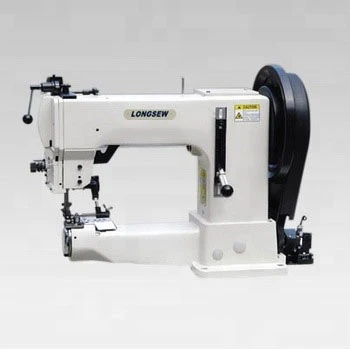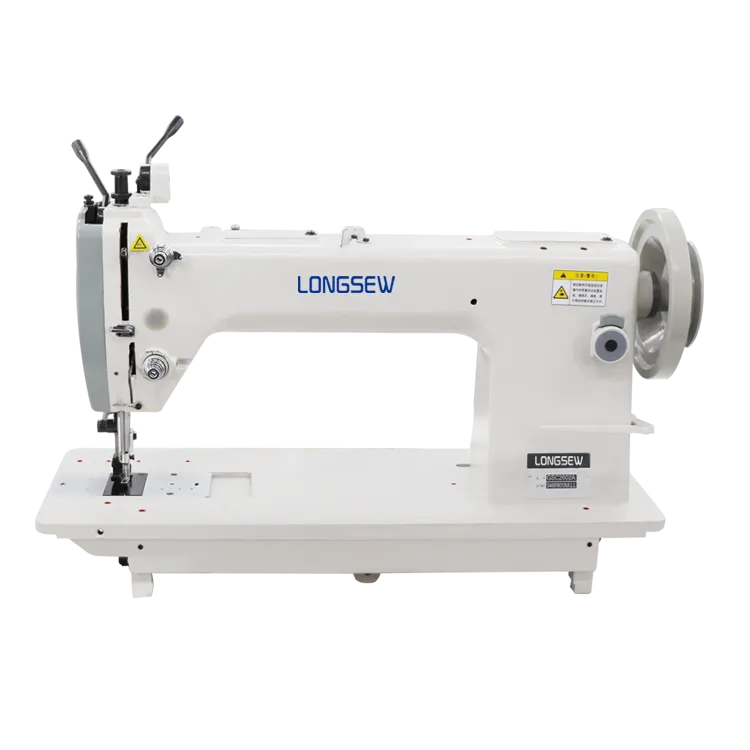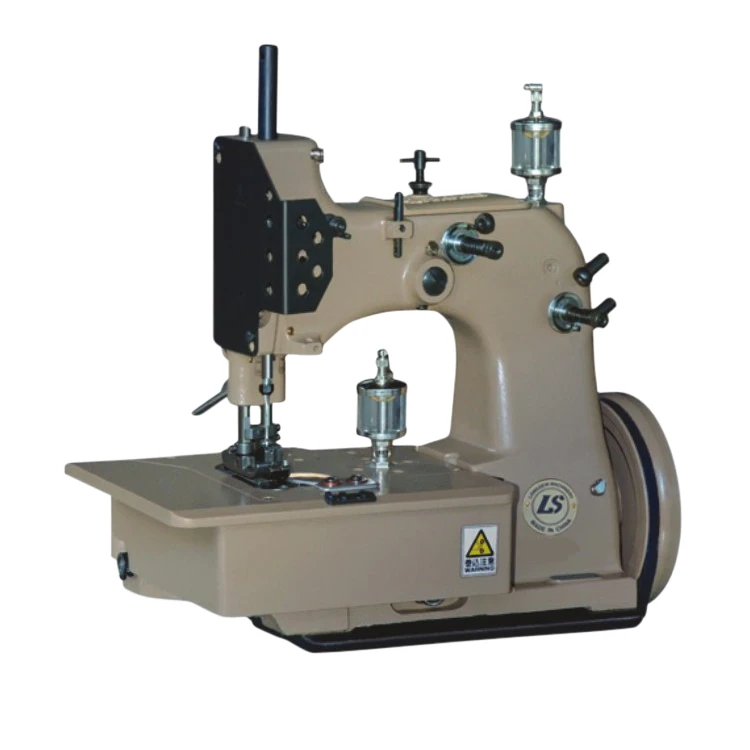
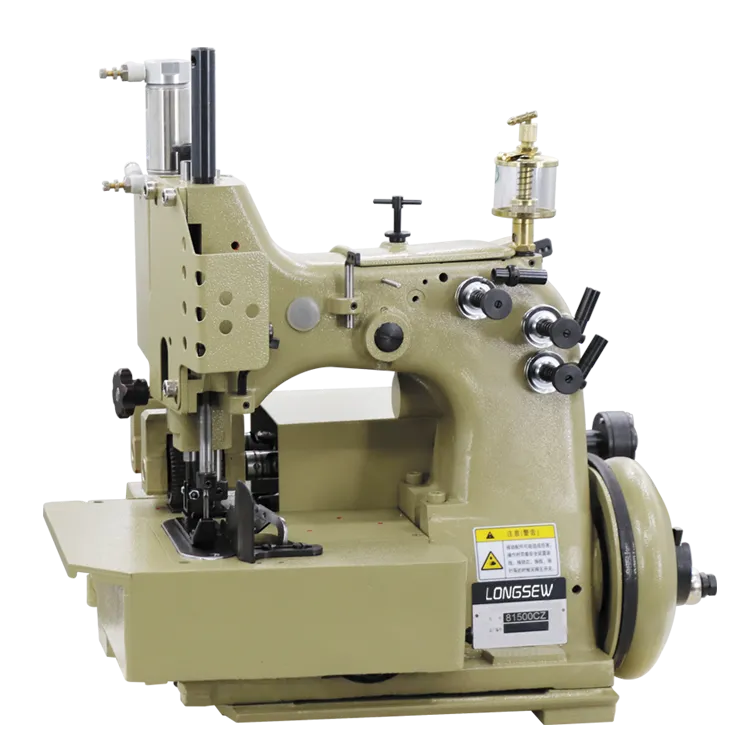
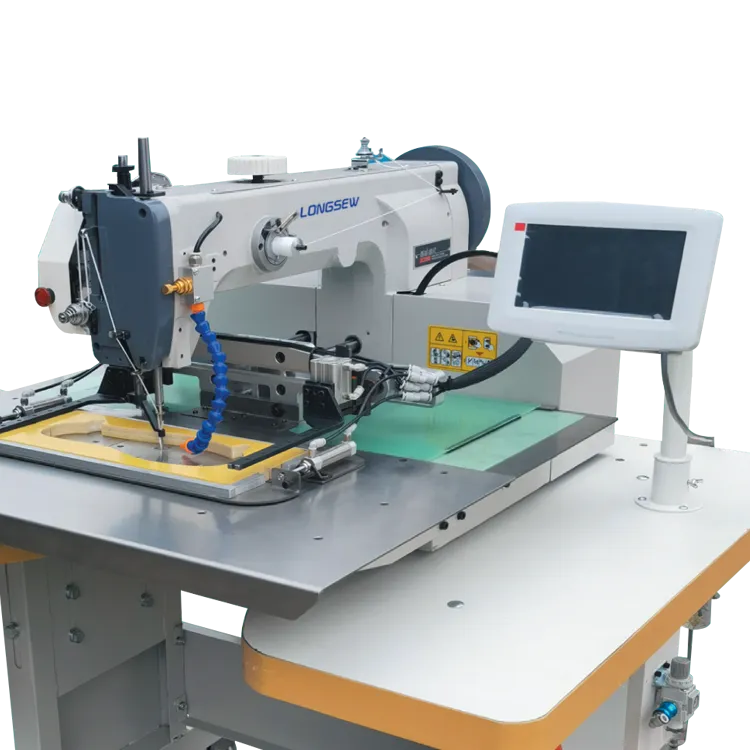
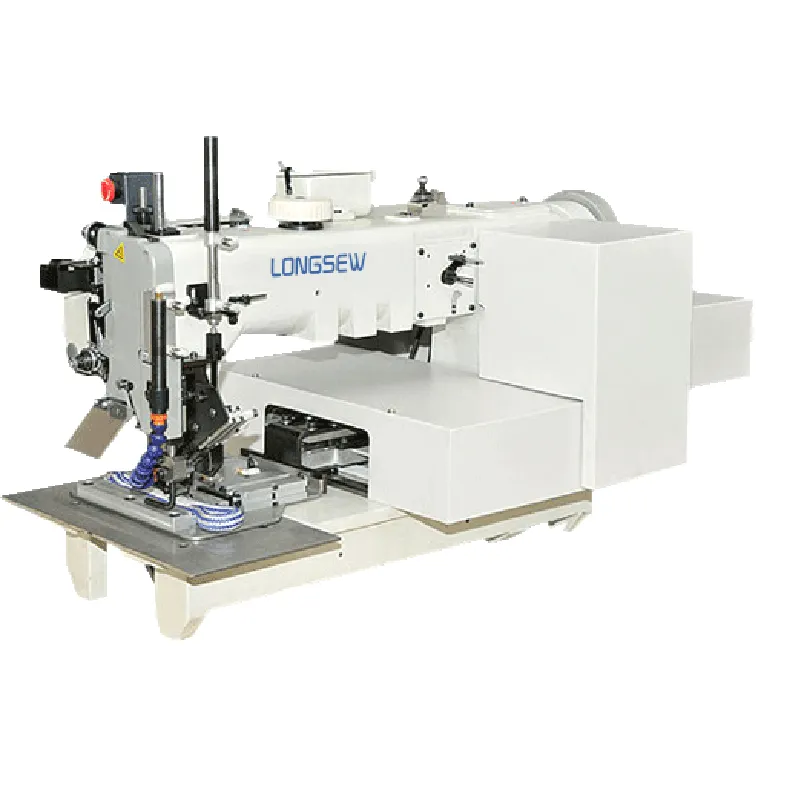
Industrial Packaging Solutions: High-Performance jumbo bag sewing machine for DRC

Empowering the Democratic Republic of the Congo's mining and agriculture sectors with heavy-duty stitching technology for maximum load security.

The State of Industrial Bag Manufacturing in Democratic Republic of the Congo

Analyzing the intersection of resource extraction and packaging infrastructure in Central Africa.

In the Democratic Republic of the Congo, the demand for heavy-duty packaging is driven primarily by the massive cobalt and copper mining operations in the Katanga region and the agricultural export hubs. The extreme humidity and dust levels in these environments require a big bag sewing machine that can withstand abrasive conditions without frequent downtime.

Currently, many local workshops rely on outdated manual equipment, leading to inconsistencies in seam strength. This is particularly critical when transporting minerals, where a failure in the fibc sewing machine's output can result in significant material loss and safety hazards during transit to ports like Matadi.

Economically, the shift toward semi-automated jumbo bag stitching machine technology is beginning to gain traction. Local enterprises are recognizing that increasing the precision of closures is the only way to meet international export standards for agricultural commodities like coffee and cocoa.
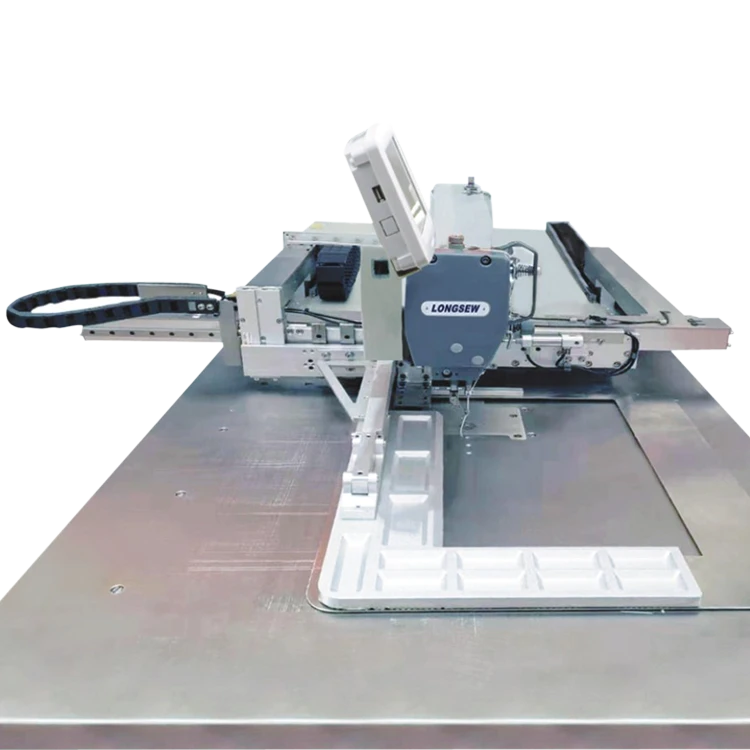
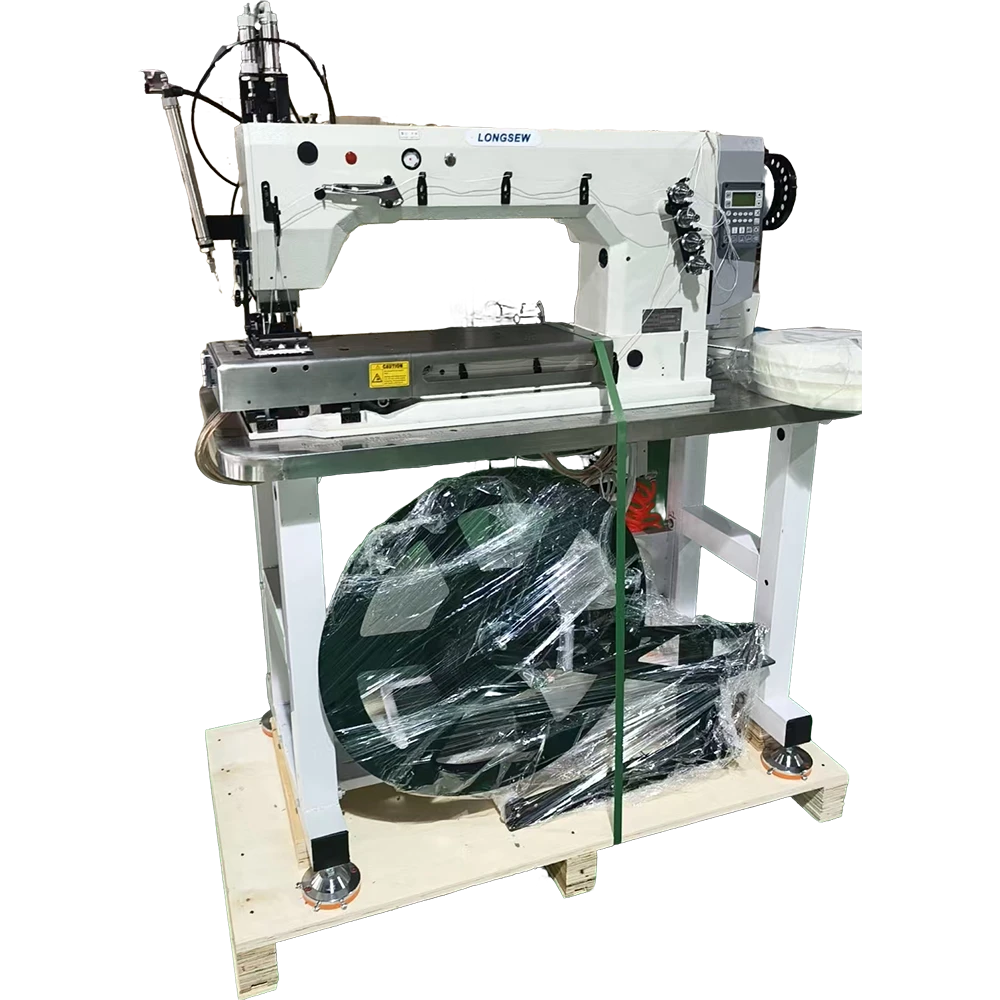
Technological Evolution and Development Trajectory

From manual hand-stitching to automated high-speed industrial closure systems.

Market Development History

During the late 20th century, the Congolese packaging market relied almost exclusively on imported pre-made bags. The capability to manufacture locally was limited to basic 50 kg jute bag making machine setups that catered to small-scale farming.

Between 2005 and 2015, as the mining boom accelerated, there was a critical transition toward FIBC (Flexible Intermediate Bulk Containers). This era saw the introduction of first-generation heavy-duty machines capable of handling polypropylene fabrics, though maintenance remained a struggle due to lack of local technical support.

From 2016 to the present, the market has entered the "Precision Era." The integration of servo motors and reinforced frames has allowed local manufacturers to produce bags that can hold 1000kg+ safely, mirroring the global shift toward sustainable and high-strength polymer weaving.

Future Development Trends

Integration of IoT Monitoring

Predictive maintenance sensors will become standard, allowing operators in remote DRC provinces to monitor needle wear and motor heat in real-time.

Energy-Efficient Servo Drive Systems

Due to unstable power grids in certain regions, the adoption of low-voltage, energy-saving motors will reduce operational costs for local factories.

Automated Pattern Stitching

The shift toward programmable stitching patterns to enhance the structural integrity of lifting loops in bulk containers.

Strategic Trends & Future Outlook for DRC Textile Machinery

Forecasting the next 5 years of industrial growth in the Congo basin.

Mining Logistics Optimization
Increased adoption of automated closure systems to speed up the dispatch of cobalt and copper concentrates.
Eco-Friendly Materials
Transitioning from single-use plastics to biodegradable polymers requiring specialized needle heat settings.
Localized Maintenance Hubs
Establishing regional service centers in Kinshasa and Lubumbashi to reduce equipment downtime.
Hybrid Power Integration
Equipment designed to switch seamlessly between grid power and solar-backup generators.

Industry Outlook

Google search trends indicate a rising interest in "industrial bag manufacturing" within the African Great Lakes region, suggesting a move toward localized production. We expect the DRC to shift from importing finished FIBCs to establishing full-scale domestic production plants.

The future will be defined by "Ruggedized Automation"—machinery that offers the speed of European systems but the durability required for the Congolese interior, focusing on ease of repair and high-torque capabilities.

Localized Application Scenarios in Democratic Republic of the Congo

Real-world deployments across the DRC's most critical industries.

01. Cobalt & Copper Mine Tailings Packaging

Utilizing high-tension jumbo bag stitching machine units to secure mineral concentrates in the Lualaba province, ensuring zero leakage during rough terrain transport.

02. Coffee & Cocoa Export Hubs

Implementing the 50 kg jute bag making machine for the standardized packaging of high-grade Arabica coffee for shipment to European markets via Matadi port.

03. Humanitarian Aid Distribution

Deploying portable big bag sewing units for the rapid creation of food grain storage containers for NGOs operating in the eastern regions of the DRC.

04. Industrial Fertilizer Production

Applying heavy-duty fibc sewing machine technology to produce chemical-resistant bags for the agricultural supply chain in Kinshasa.

05. Construction Material Bulk-Bags

Manufacturing oversized sand and gravel bags for infrastructure projects using specialized big bag sewing machine setups designed for thick PVC-coated fabrics.

Brand Story

Global Development History of Hebei Longsew Machinery Technology Co., Ltd.

Founding Vision

Started with a mission to solve the problem of seam failure in heavy-duty industrial textiles, focusing on precision engineering for the global bulk-bag industry.

Technological Breakthrough

Developed the proprietary reinforced chassis system that allows our machines to operate 24/7 in high-dust environments without losing stitch accuracy.

Market Expansion

Successfully entered the African market, adapting our designs to handle the specific fabric densities used in the Congolese and Nigerian mining sectors.

Quality Certification

Achieved international ISO standards for industrial sewing, ensuring that every machine shipped to the DRC meets global safety and durability benchmarks.

Future Commitment

Dedicated to providing end-to-end packaging solutions that empower emerging economies to increase their industrial export capacity through reliable technology.

Common Questions Regarding Bag Machinery in DRC

Expert answers to the most frequent technical queries from our Congolese partners.

How do I maintain a jumbo bag sewing machine in high-dust mining areas?

We recommend daily lubrication of the moving parts and the use of compressed air to clear dust from the bobbin area. Our machines feature sealed motor housings specifically for DRC mining environments.

Can a 50 kg jute bag making machine be used for polypropylene fabrics?

While primarily for jute, our versatile machines can be adjusted for PP fabrics by changing the needle size and adjusting the tension settings to prevent fabric puckering.

What is the best needle type for a big bag sewing machine handling mineral concentrates?

For heavy-duty mineral bags, we recommend reinforced chrome-plated needles (Size 20-24) to resist abrasion from the coarse fibers and mineral dust.

Does your fibc sewing machine support variable voltage for unstable power grids?

Yes, our high-end models are compatible with external voltage stabilizers and feature servo motors that can operate efficiently within a ±10% voltage range.

How do I increase the stitch strength of my jumbo bag stitching machine?

Increase the stitch density (stitches per inch) and ensure you are using high-tenacity bonded nylon thread, which is ideal for the extreme loads found in the DRC mining sector.

What is the average lead time for spare parts delivery to Kinshasa?

We maintain a strategic stock of wear parts. Depending on the shipping method, spare parts typically reach Kinshasa within 7-14 business days via air freight.

Ready to Upgrade Your Production Capacity?

Contact our technical consultants today for a customized machinery quote tailored to the industrial needs of the Democratic Republic of the Congo.

Contact Us Now

If you are interested in our products, you can choose to leave your information here, and we will be in touch with you shortly.