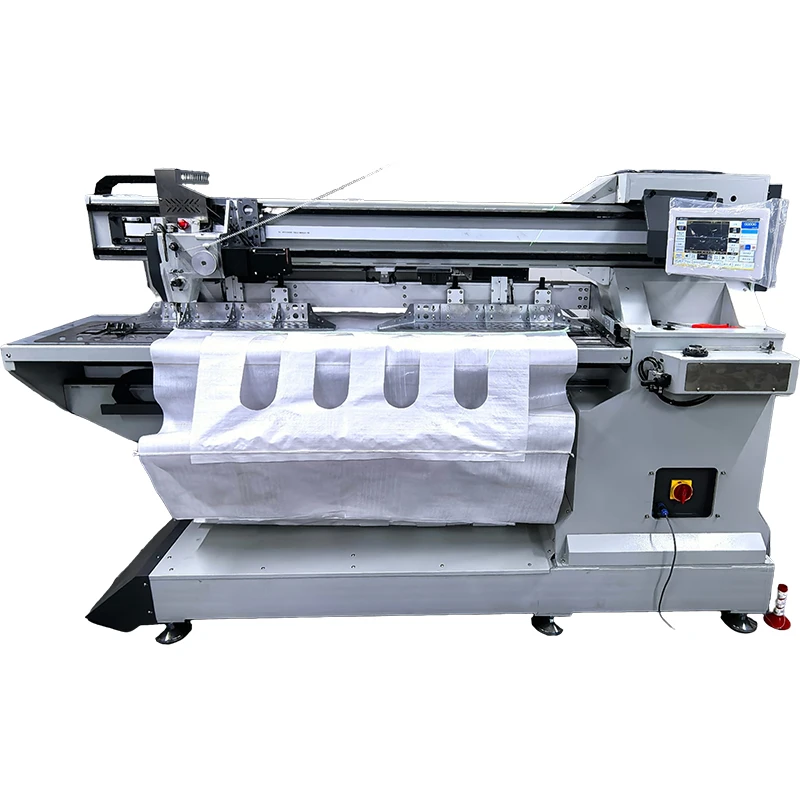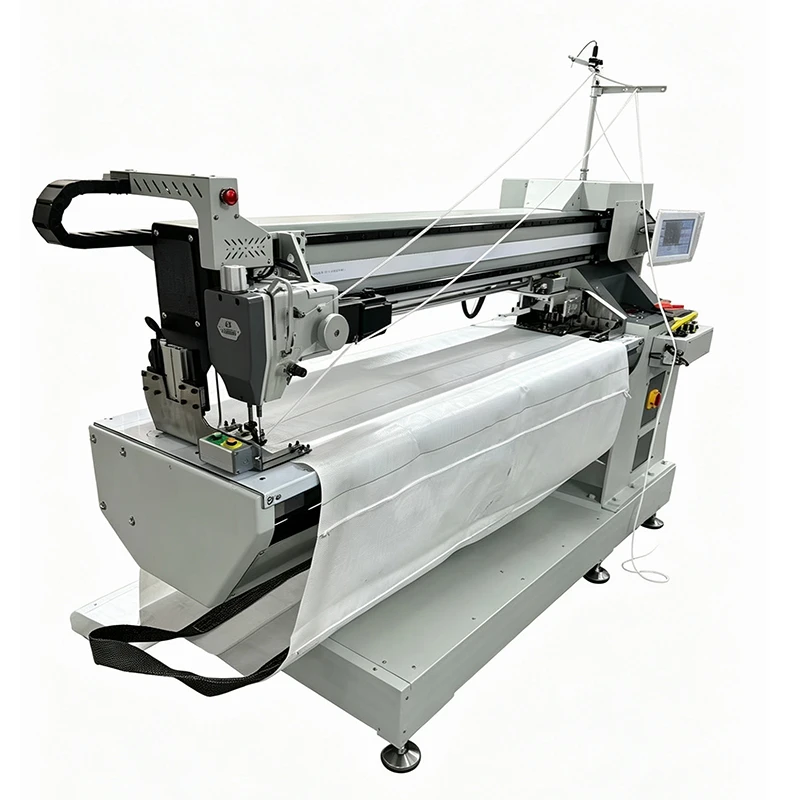
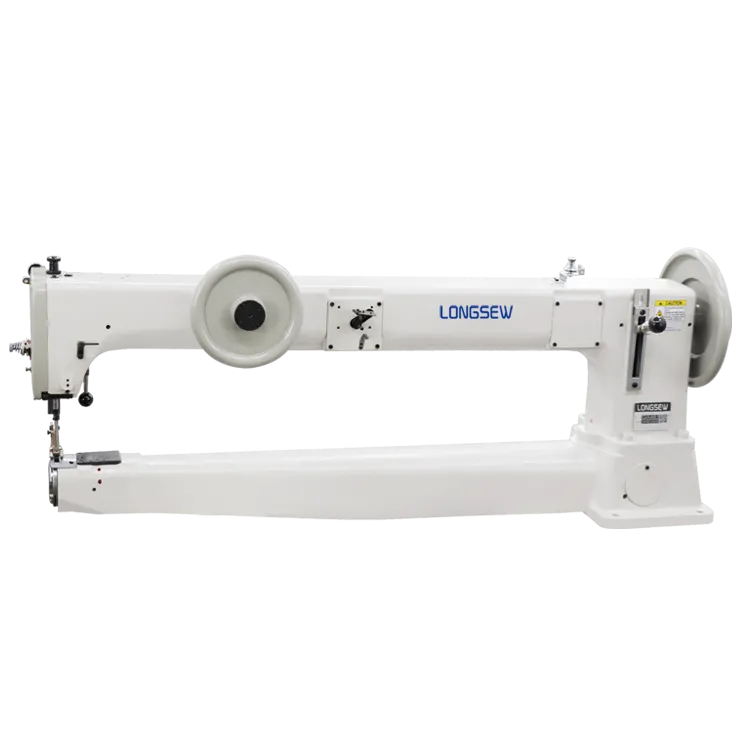
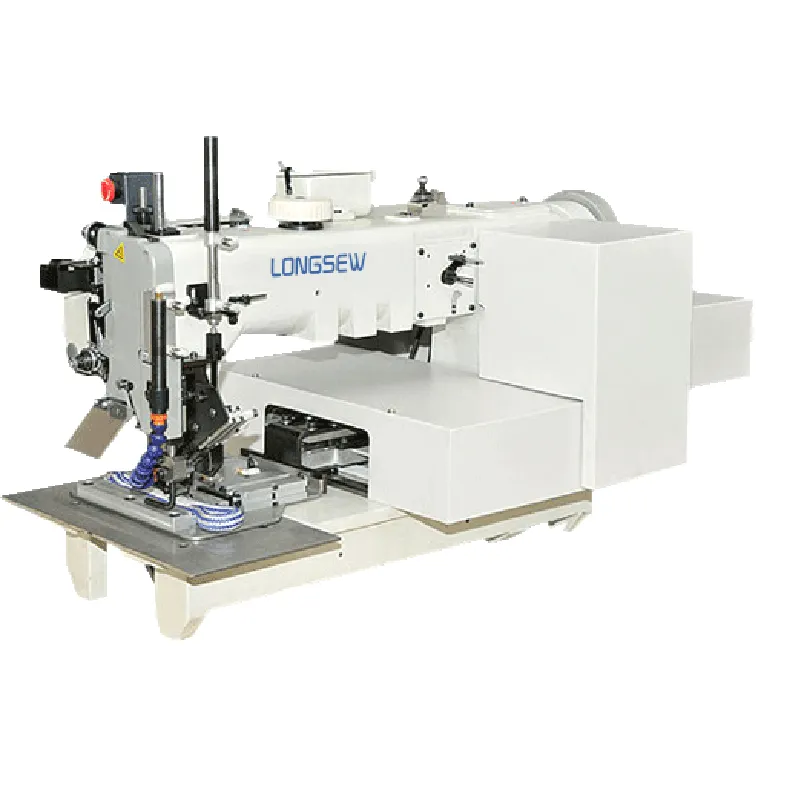
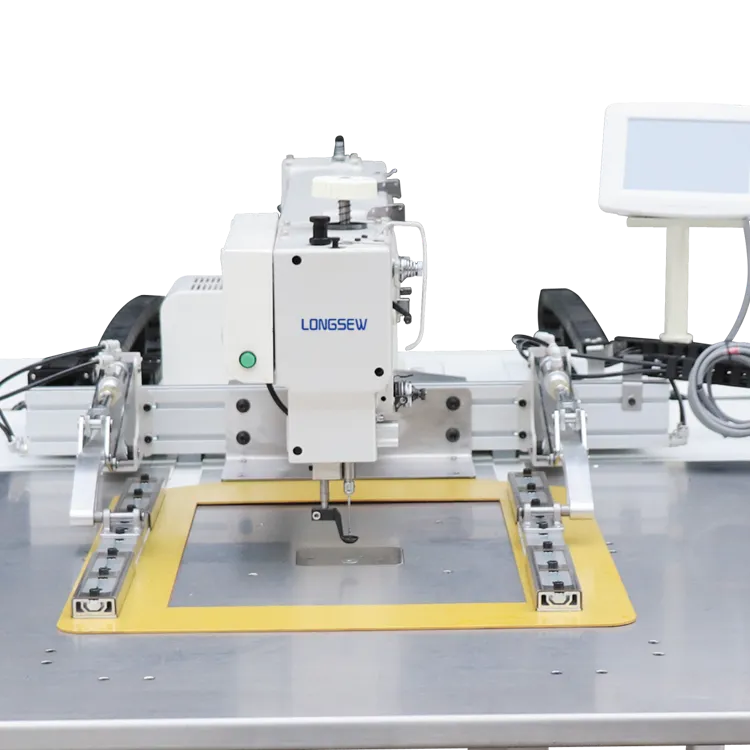
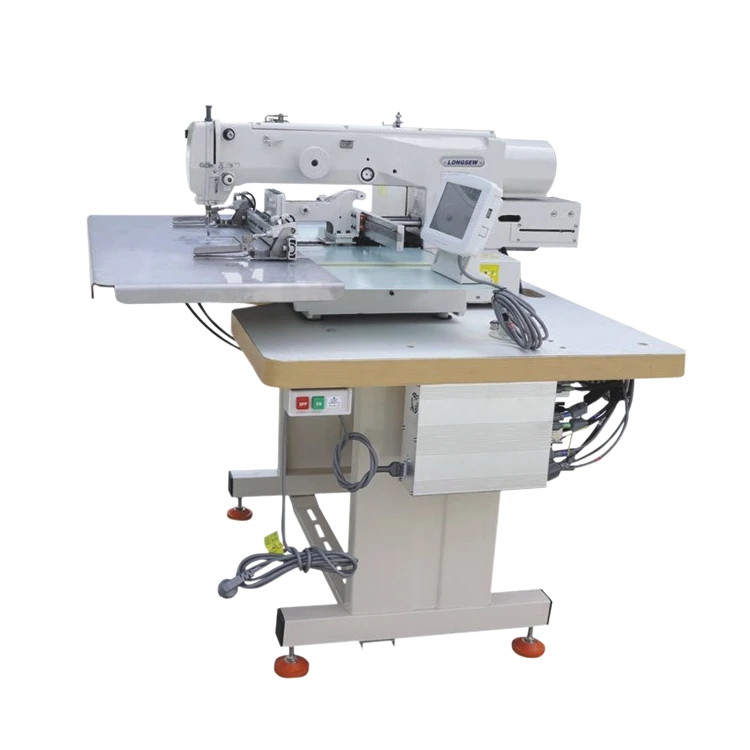
Industrial jumbo bag sewing machine Solutions for US Manufacturing

High-performance stitching technology engineered for the rigorous demands of North American heavy-duty packaging and textile industries.

Packaging Equipment Landscape in the United States

Analyzing the operational demands of the US bulk bag manufacturing sector.

In the United States, the demand for heavy-duty packaging is driven by massive agricultural exports and chemical manufacturing hubs in the Midwest and Gulf Coast. The reliance on a high-quality fibc sewing machine is critical to ensure that bulk bags can withstand the stresses of long-distance rail and sea transport without seam failure.

Labor costs in North America have pushed manufacturers toward higher levels of automation. There is a significant shift from manual stitching to semi-automated big bag sewing machine systems that reduce operator fatigue and increase hourly throughput in large-scale factories.

Strict safety regulations by OSHA and quality standards for food-grade packaging in the US necessitate equipment that offers precise tension control and reinforced stitching, ensuring that every jumbo bag stitching machine operates with surgical precision to prevent leakage and contamination.
Evolution of Industrial Stitching Technology

From mechanical simplicity to digitally integrated sewing systems.

Market Development History

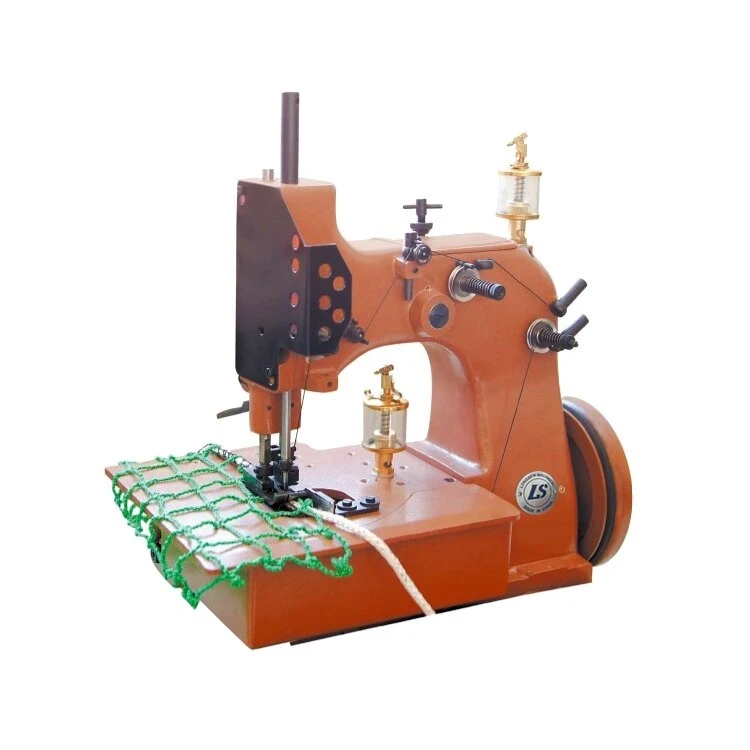
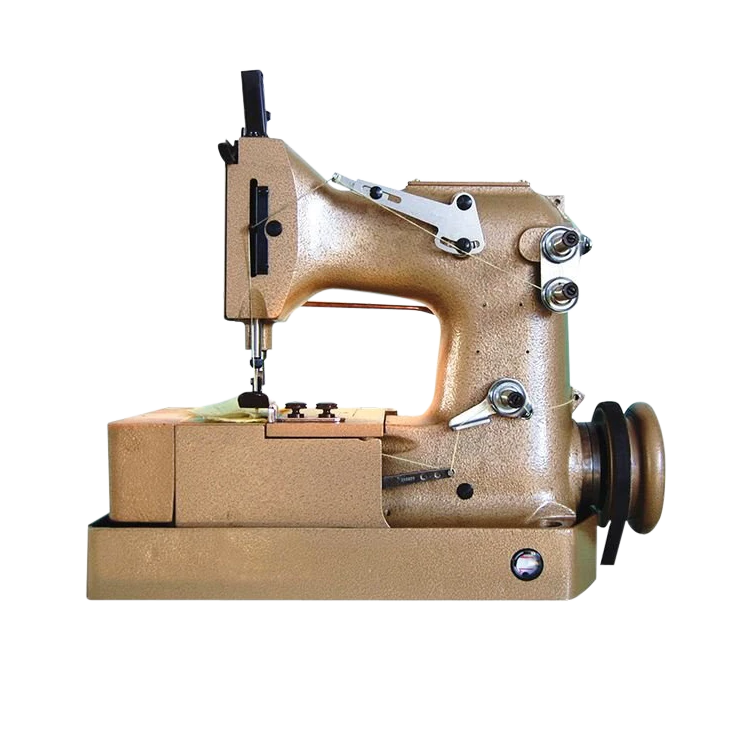
During the 1980s and 1990s, the US market relied heavily on basic mechanical chain-stitch machines. These were robust but lacked the speed and versatility required for the emerging variety of synthetic polymers used in FIBCs.

By the mid-2000s, the introduction of servo-motor technology revolutionized the 50 kg jute bag making machine and bulk bag lines, allowing for programmable stitch lengths and significantly lower energy consumption.

From 2015 to the present, the industry has transitioned toward "Smart Manufacturing." Modern systems now integrate automatic thread cutters and sensors that detect thread breakage in real-time, minimizing downtime in high-volume US production plants.

Future Development Trends

IoT-Integrated Monitoring

Integration of cloud-based diagnostics to predict wear and tear on needles and hooks, reducing unplanned maintenance in US factories.

Eco-Friendly Material Compatibility

Development of specialized feed mechanisms to handle biodegradable and recycled PP fabrics without compromising seam strength.

Robotic Stitching Arms

The migration toward fully robotic cells where AI-driven arms handle the complex corners of jumbo bags, eliminating manual handling.

Industry Trends and Future Outlook

Strategic projections for the North American textile machinery market.

Automated Precision
Shift toward automated seam sealing and stitching to meet strict US quality tolerances.
Energy Efficiency
Adoption of high-efficiency direct-drive motors to lower operational costs in US factories.
Material Versatility
Capability to switch between jute, PP, and PE materials with minimal setup time.
Predictive Maintenance
Using sensor data to avoid catastrophic failures in critical production lines.

Industry Outlook

The North American market is expected to see a 4.5% CAGR in the adoption of automated sewing solutions as the "Reshoring" trend brings more textile manufacturing back to the US.

Integration with broader ERP systems will allow US manufacturers to track the exact number of stitches and machine performance per bag, ensuring total quality traceability.

Localized Application Scenarios in the USA

Where our technology meets real-world American industrial needs.

1. Midwest Agricultural Bulk Storage

Mass production of grain and seed bags using reinforced stitching to handle heavy loads across the Corn Belt.

2. Gulf Coast Chemical Packaging

Utilization of specialized jumbo bag sewing machine units to create leak-proof containers for hazardous powdered chemicals.

3. East Coast Logistics Hubs

Rapid repair and modification of bulk bags in distribution centers using portable heavy-duty stitching tools.

4. Sustainable Fiber Manufacturing

Applying 50 kg jute bag making machine technology for eco-friendly organic produce packaging in California.

5. Construction Debris Management

Manufacturing ultra-heavy-duty debris bags for urban infrastructure projects in New York and Chicago.

Brand Story

Global Development Journey of Hebei Longsew Machinery Technology Co., Ltd.

Foundational Precision

Established with a focus on solving the instability of heavy-duty seams in industrial textiles.

Technological Breakthrough

Developed the first generation of high-speed servo-driven systems for the FIBC market.

Global Expansion

Entering the North American market to provide localized support for US textile manufacturers.

Quality Certification

Achieving international standards to ensure our machines meet the rigorous safety codes of the USA.

Future Innovation

Committing to AI-driven sewing technology to eliminate defects in bulk bag production.

Common Questions from US Customers

Expert answers regarding the implementation of bulk bag sewing technology.

Which fibc sewing machine is best for heavy-duty PP fabric?

For heavy PP fabrics, we recommend our high-torque servo models that offer reinforced needles and adjustable tension to prevent fabric puckering.

How does a jumbo bag sewing machine improve production speed?

Our machines utilize high-speed chain stitching and automatic trimming, reducing the cycle time per bag by up to 30% compared to traditional methods.

Can a 50 kg jute bag making machine be adapted for other materials?

Yes, by adjusting the feed dog settings and needle type, these machines can handle various natural and synthetic fibers with ease.

What is the maintenance requirement for a big bag sewing machine?

Regular lubrication and needle replacement are key. Our US-spec machines include easy-access oiling ports to simplify daily maintenance.

Does your jumbo bag stitching machine comply with US safety standards?

Absolutely. All our equipment is designed with operator safety in mind, including emergency stop buttons and protective guards.

What is the lead time for shipping equipment to the United States?

Depending on the customization level, lead times typically range from 2 to 4 weeks, with expedited shipping options available.

Ready to Upgrade Your Production?

Consult with our experts today to find the perfect sewing solution for your facility in the United States.

Contact Us Now

If you are interested in our products, you can choose to leave your information here, and we will be in touch with you shortly.