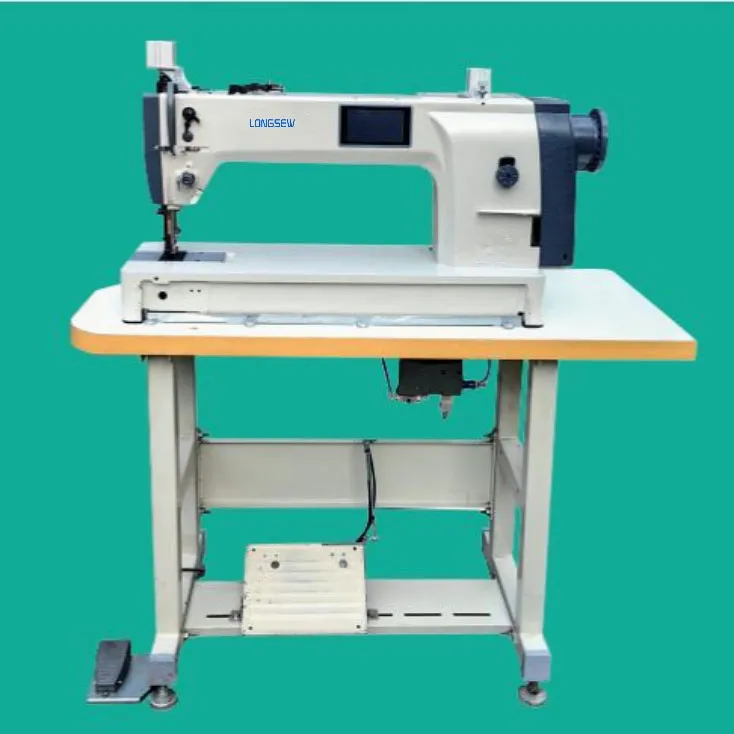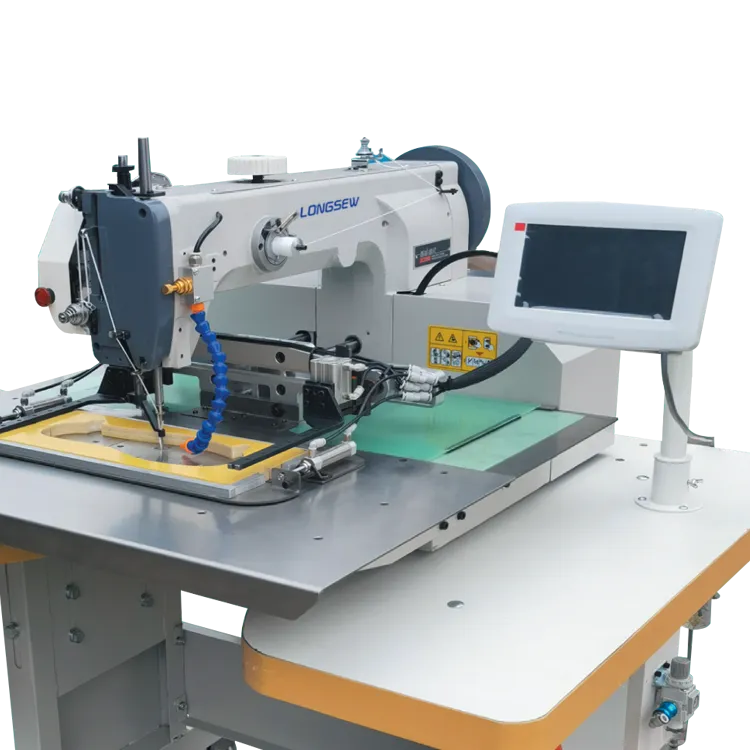
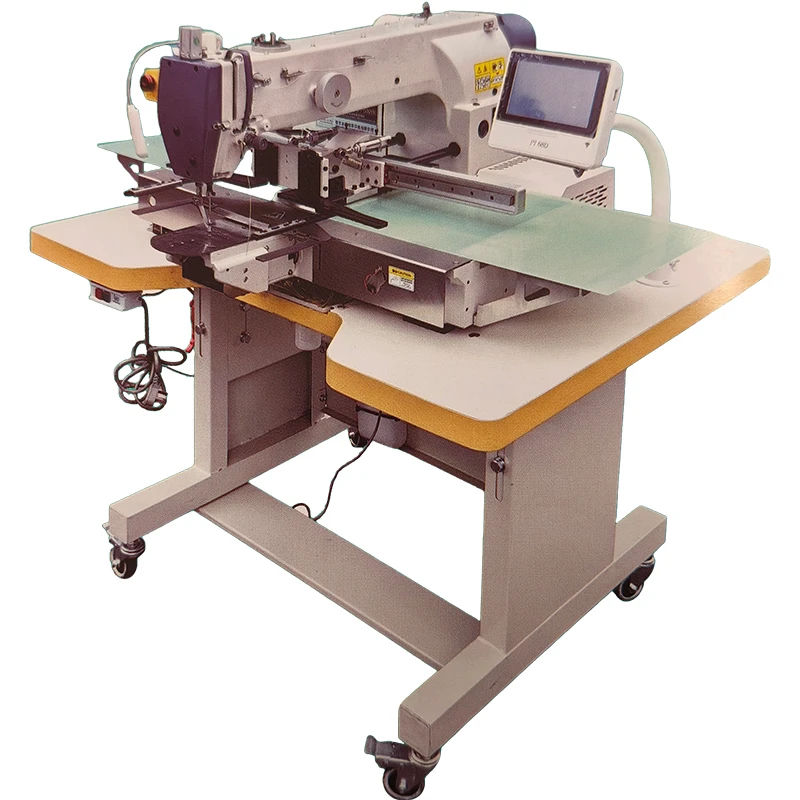
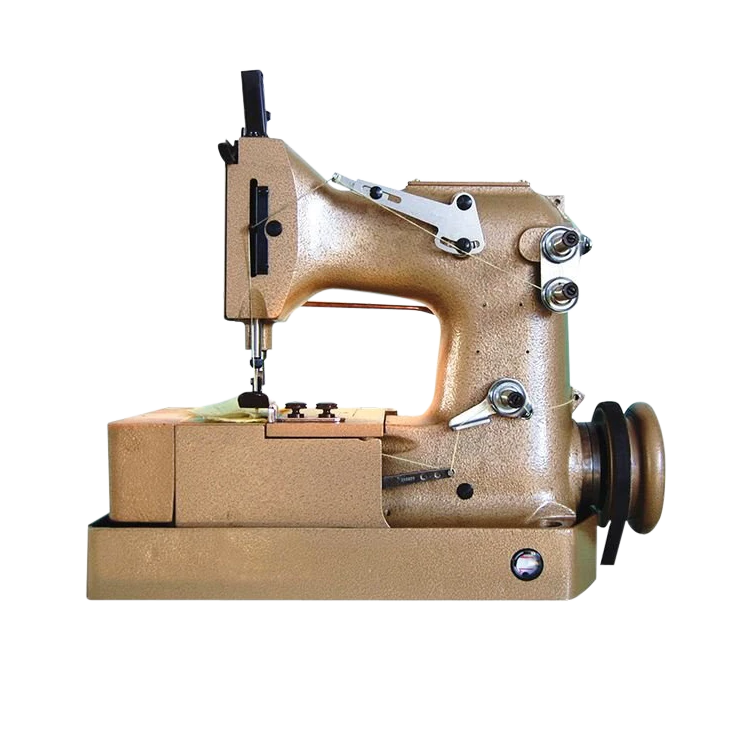
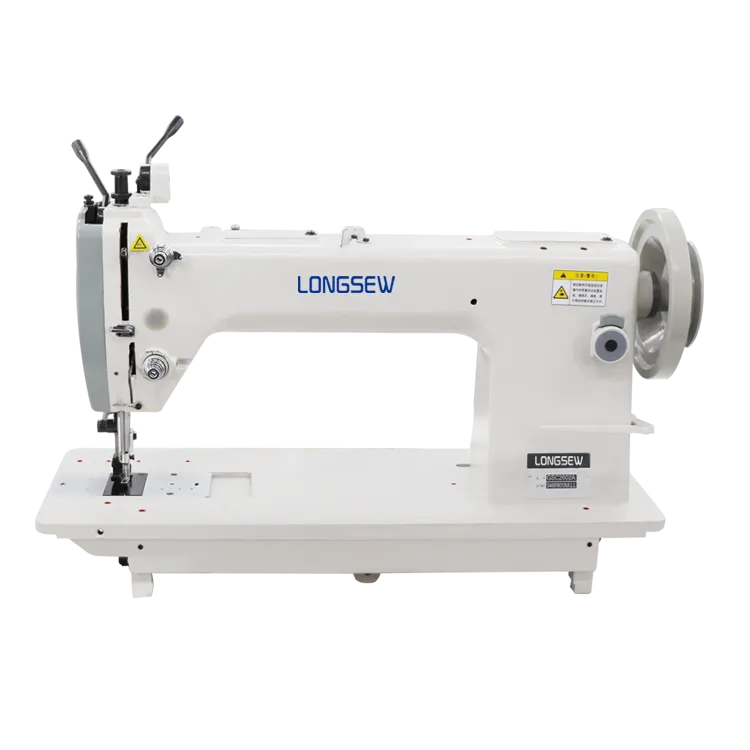
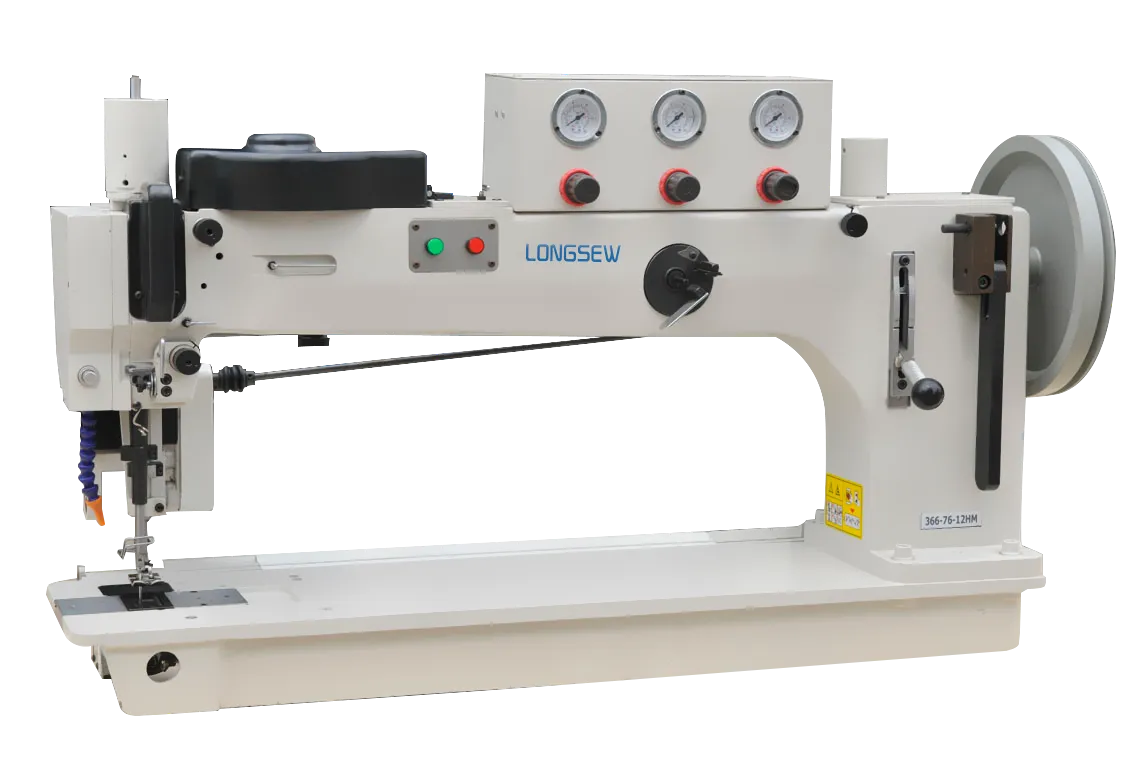
Industrial jumbo bag sewing machine Solutions for Thailand Market

High-performance stitching technology engineered for the rigorous demands of Southeast Asia's industrial packaging sectors.

Current Landscape of Packaging Machinery in Thailand

Analyzing the intersection of agricultural exports and industrial sewing needs in the Thai economy.

Thailand's status as a global hub for rice, sugar, and polymer exports has created a massive demand for reliable fibc sewing machine technology. The industry is characterized by a high volume of heavy-duty packaging requirements, where the humidity of the tropical climate often accelerates the wear and tear of mechanical components.

In the central plains and eastern industrial zones, manufacturers are transitioning from manual labor to semi-automated big bag sewing machine systems to meet the strict quality standards of European and American import markets. The focus has shifted toward seam strength and leak-proof stitching to prevent product loss during maritime transport.

Furthermore, the local market shows a significant reliance on versatile equipment capable of handling various materials, from synthetic polypropylene to organic fibers, making the 50 kg jute bag making machine a critical asset for the regional agricultural supply chain.
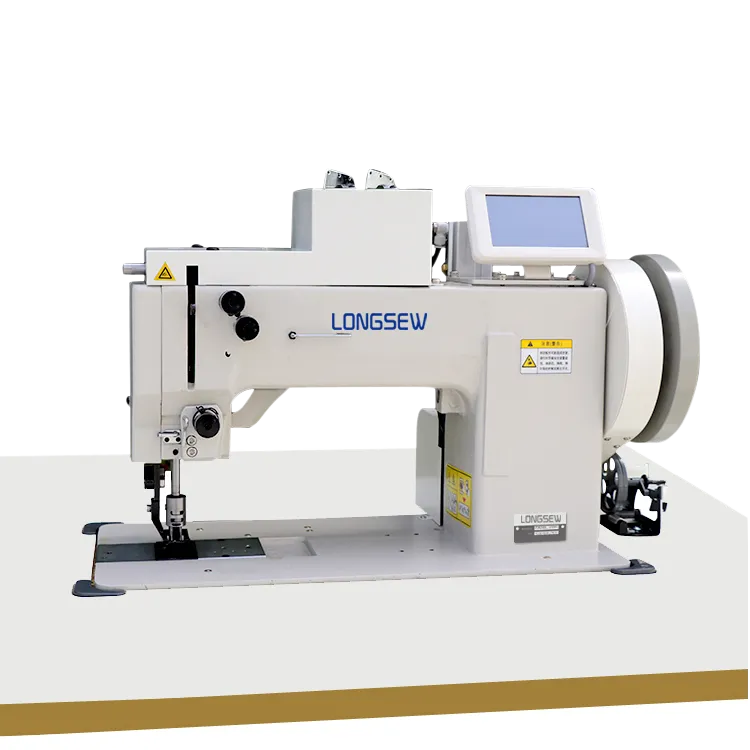
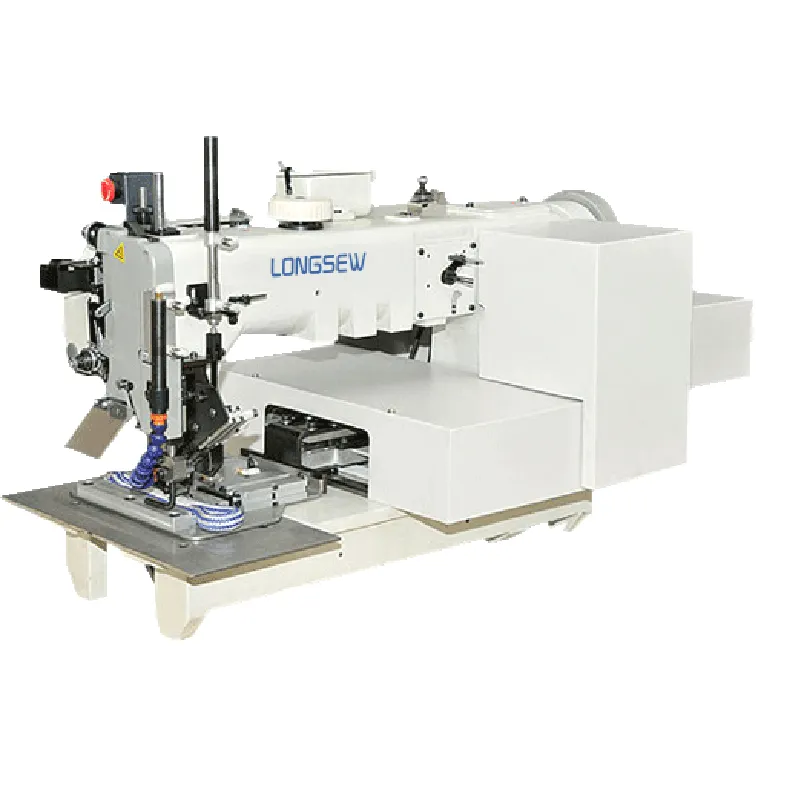
Technological Evolution and Market Trajectory

From mechanical simplicity to intelligent automation in bag stitching.

Market Development History

Between 2000 and 2010, the Thai market relied heavily on basic mechanical stitching tools. During this era, the primary goal was simple closure, and the jumbo bag stitching machine was largely manual, leading to inconsistent seam quality and high operator fatigue.

From 2011 to 2020, a transition toward "Precision Stitching" occurred. The introduction of electronic speed controls and reinforced lubrication systems allowed factories to increase throughput. This period saw the rise of specialized FIBC production lines designed to handle the extreme weight of industrial bulk bags.

Entering the current decade, the integration of IoT and servo-motor technology has redefined efficiency. Modern equipment now offers programmable stitch lengths and automatic thread trimming, significantly reducing waste and increasing the competitiveness of Thai exports.

Future Development Trends

Intelligent Tension Control

The shift toward AI-driven tension sensors will allow machines to automatically adjust to different fabric densities, reducing breakage in high-speed operations.

Eco-Friendly Energy Modules

With Thailand's "BCG" (Bio-Circular-Green) economy model, there is a growing trend toward low-energy consumption motors and recyclable machine components.

Modular Automation

Future systems will evolve into modular cells where the sewing process is seamlessly integrated with robotic bag lifting and folding systems.

Industry Trends and Future Outlook

Strategizing for the next generation of industrial textile manufacturing.

High-Speed Servo Integration
Replacing traditional clutch motors with high-torque servo systems to improve energy efficiency and speed control.
Reinforced Seam Technology
Developing advanced stitch patterns that increase the load-bearing capacity of FIBCs for heavy mineral exports.
Smart Diagnostic Systems
Implementing real-time monitoring to predict thread breakage and machine wear, reducing unplanned downtime.
Material Versatility
Engineering needles and feed systems that can switch between PP, PE, and natural jute fibers effortlessly.

Industry Outlook

Google search trends in the ASEAN region indicate a rising interest in "automated packaging solutions," suggesting that Thai factories will increasingly invest in integrated systems rather than standalone machines. This will drive the demand for highly compatible, networked sewing units.

Over the next 3-5 years, we expect a convergence of sustainable material science and precision engineering. The industry will move toward "zero-waste" stitching, where automated trimming and precise fabric utilization become the primary metrics of success.

Localized Application Scenarios in Thailand

Real-world deployments across Thailand's diverse industrial landscape.

1. Rice Export Packaging in Ayutthaya

Utilizing the 50 kg jute bag making machine for high-volume bagging of premium jasmine rice for export to the Middle East, ensuring seams can withstand long-term stacking.

2. Polymer Resin Bagging in Rayong

Implementation of heavy-duty fibc sewing machine units in petrochemical plants to create reinforced bulk bags for polymer pellets, preventing leakage of fine powders.

3. Sugar Refinery Packaging in Kanchanaburi

Using a high-speed jumbo bag stitching machine to close 1-ton bags of raw sugar, optimized for the dusty environments typical of refinery floors.

4. Animal Feed Production in Chonburi

Deploying big bag sewing machine systems for the livestock feed industry, focusing on rapid cycle times and operator ergonomics.

5. Specialized Chemical Packaging in Samut Prakan

Applying precision jumbo bag sewing machine technology to create hazardous material containment bags that require airtight and ultra-strong reinforced stitching.

Brand Story

Global Development Journey of Hebei Longsew Machinery Technology Co., Ltd.

Foundation and Focus

Established with a vision to solve the chronic issue of seam failure in heavy-duty bags, Longsew began by engineering the first generation of reinforced stitching mechanisms.

Technical Breakthrough

We revolutionized the industry by introducing a unique lubrication system that prevents overheating during continuous 24/7 industrial operation.

Global Expansion

Expanding into the Southeast Asian market, we tailored our machinery to withstand high-humidity environments, establishing a strong presence in Thailand.

Innovation Milestone

The launch of our smart-servo series marked the transition from traditional mechanical sewing to intelligent, energy-efficient production.

Commitment to Excellence

Today, we continue to empower global manufacturers by providing end-to-end sewing solutions that bridge the gap between speed and structural integrity.

Common Questions from Thai Manufacturers

Expert answers to the most frequent technical queries regarding industrial bag sewing.

How do I choose the right fibc sewing machine for high-humidity environments?

For Thailand's climate, look for machines with anti-corrosion coatings and sealed lubrication systems that prevent moisture from entering the critical gear mechanisms.

Can a jumbo bag sewing machine handle both PP and jute materials?

Yes, our versatile models allow for quick needle and tension adjustments, making them suitable for both synthetic polypropylene and natural jute fibers.

What is the optimal stitch length for a big bag sewing machine in mineral export?

For mineral exports, we recommend a slightly longer, reinforced stitch to distribute the load stress, typically adjustable via our electronic control panel.

How often should a 50 kg jute bag making machine be serviced in a tropical climate?

Due to dust and humidity, we recommend a deep lubrication cycle every 500 operating hours and a daily check of the tension discs.

What are the advantages of a jumbo bag stitching machine with a servo motor?

Servo motors provide precise speed control, lower noise levels, and up to 40% reduction in electricity costs compared to traditional clutch motors.

Do you provide technical support for FIBC machinery in Thailand?

We provide comprehensive remote diagnostics and a network of local parts suppliers to ensure your production line never stops.

Ready to Optimize Your Production?

Our experts are ready to provide customized sewing solutions tailored for the industrial landscape of Thailand.

Contact Us Now

If you are interested in our products, you can choose to leave your information here, and we will be in touch with you shortly.