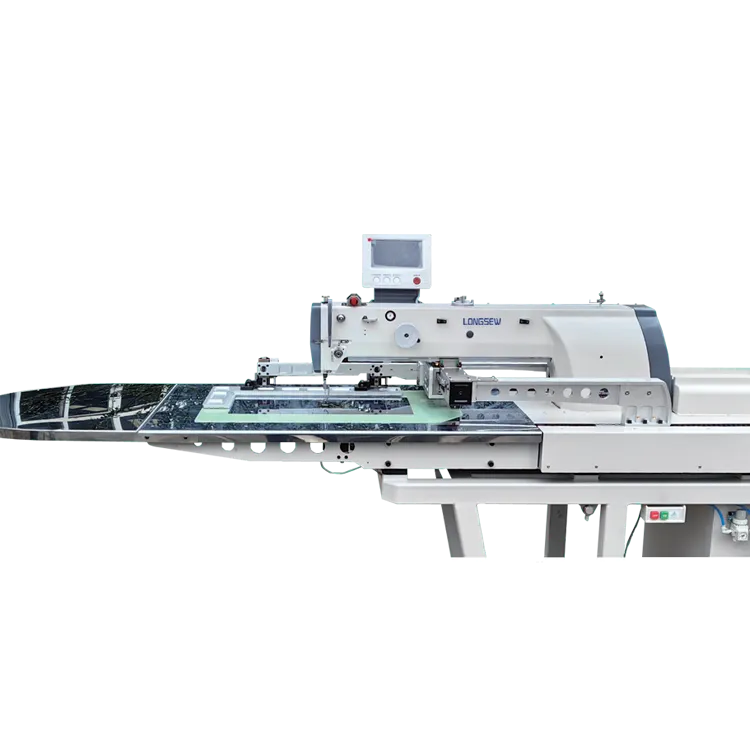
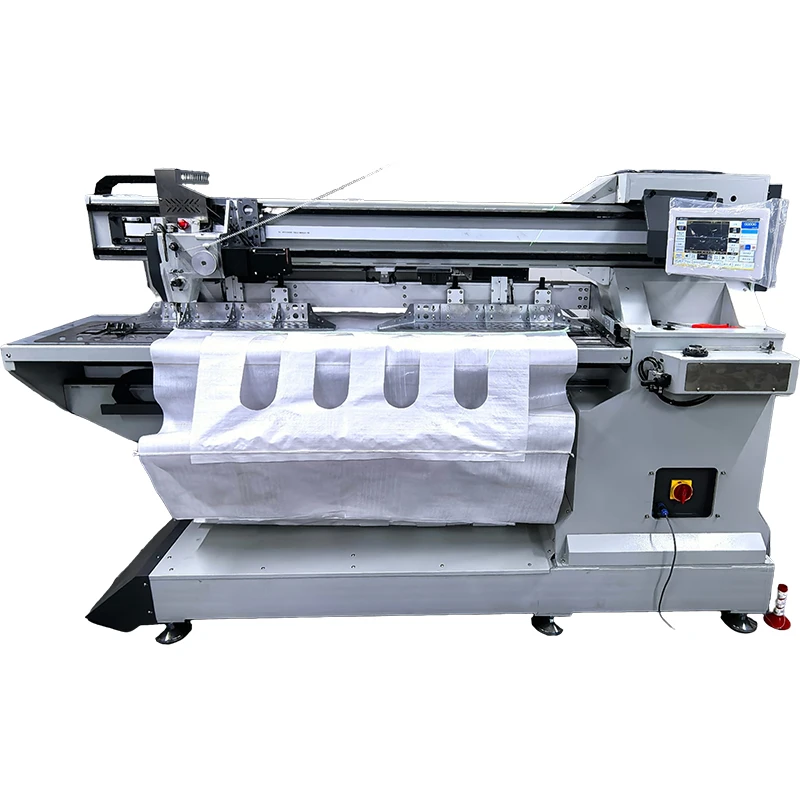
Industrial jumbo bag sewing machine Solutions for Russia

Engineered for the rigorous demands of the Russian industrial landscape, delivering unmatched durability and precision in heavy-duty textile packaging.

Current State of FIBC Manufacturing in Russia

Analyzing the impact of geography and economy on industrial sewing requirements.

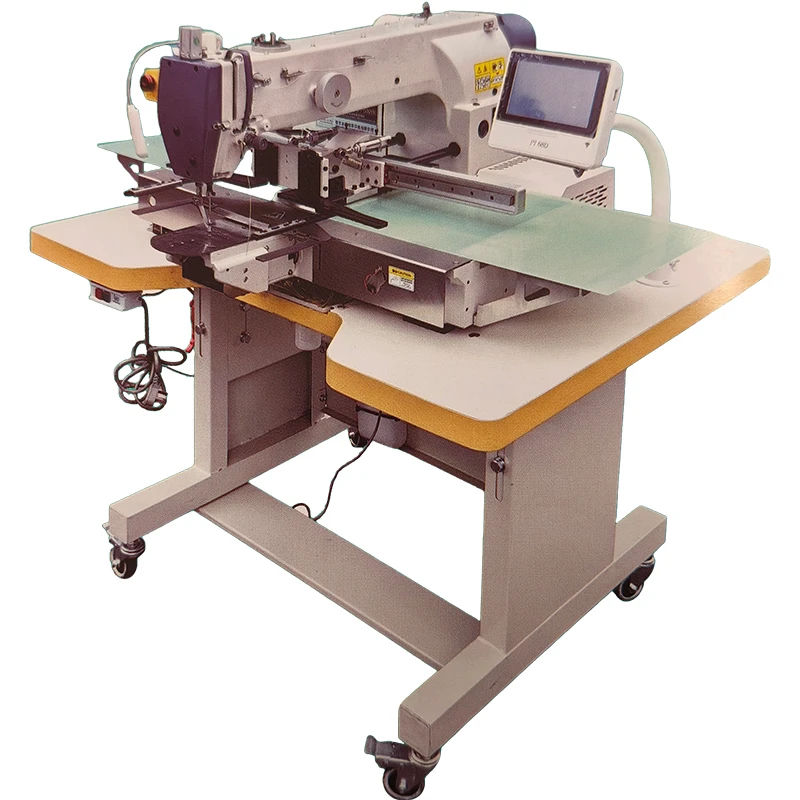
The Russian manufacturing sector faces unique challenges due to its vast geography and extreme climatic variations. For the production of bulk containers, the demand for a robust fibc sewing machine is driven by the need to transport minerals, fertilizers, and chemicals across thousands of kilometers in sub-zero temperatures, where seam failure is not an option.

Economically, there is a significant shift towards import substitution and localizing the production of high-strength packaging. This has led to an increased adoption of the big bag sewing machine, as Russian factories upgrade their lines to meet international ISO standards while reducing reliance on finished imports.

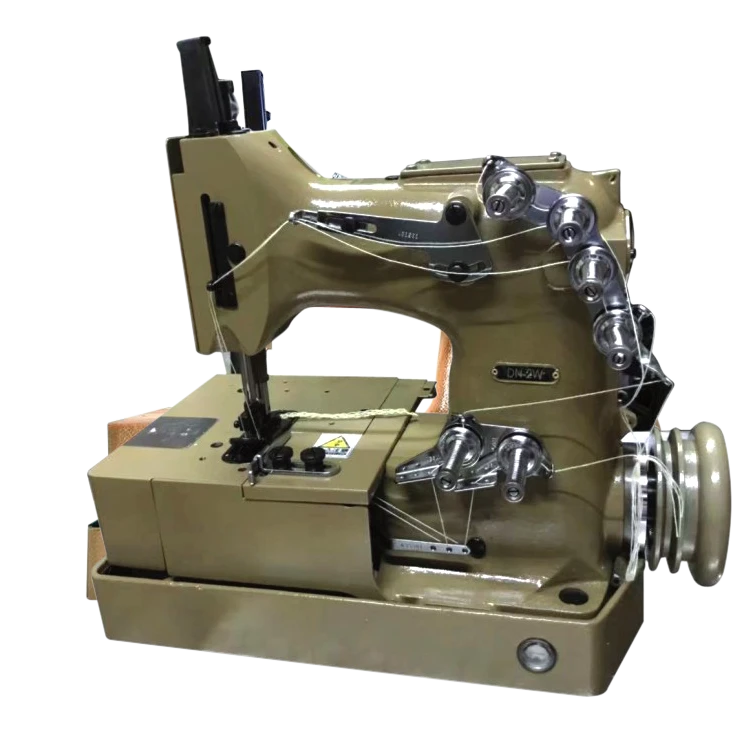
Furthermore, the agricultural sector in the southern regions continues to rely heavily on traditional materials, creating a steady market for the 50 kg jute bag making machine to handle seasonal harvests of grains and legumes with high-throughput efficiency.

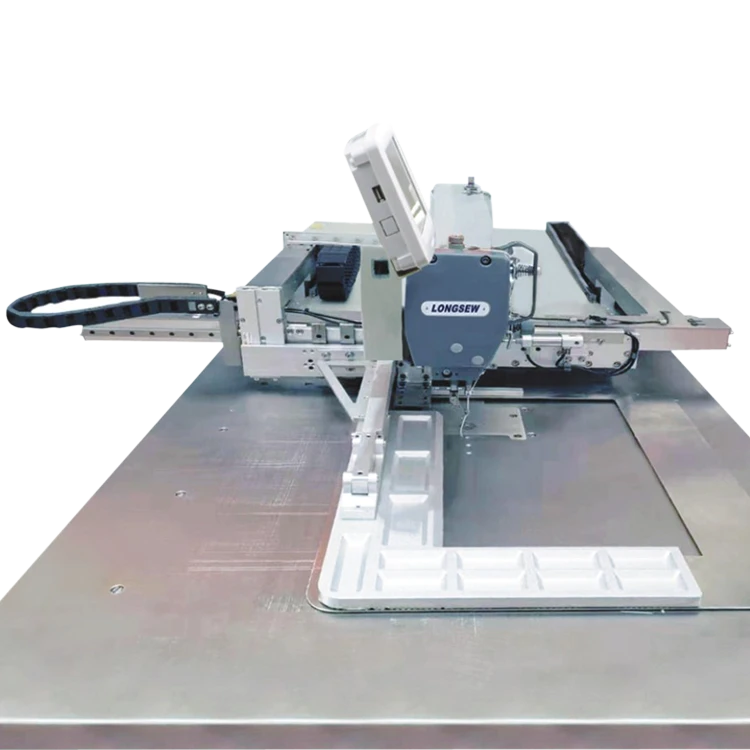
Evolution of Heavy-Duty Stitching Technology

From manual operation to automated industrial precision.

Market Development History

In the early 2000s, the Russian market relied primarily on outdated mechanical stitching units that required frequent manual calibration and had low tolerance for thick synthetic fabrics. These legacy systems often struggled with the high-denier polypropylene used in FIBCs.

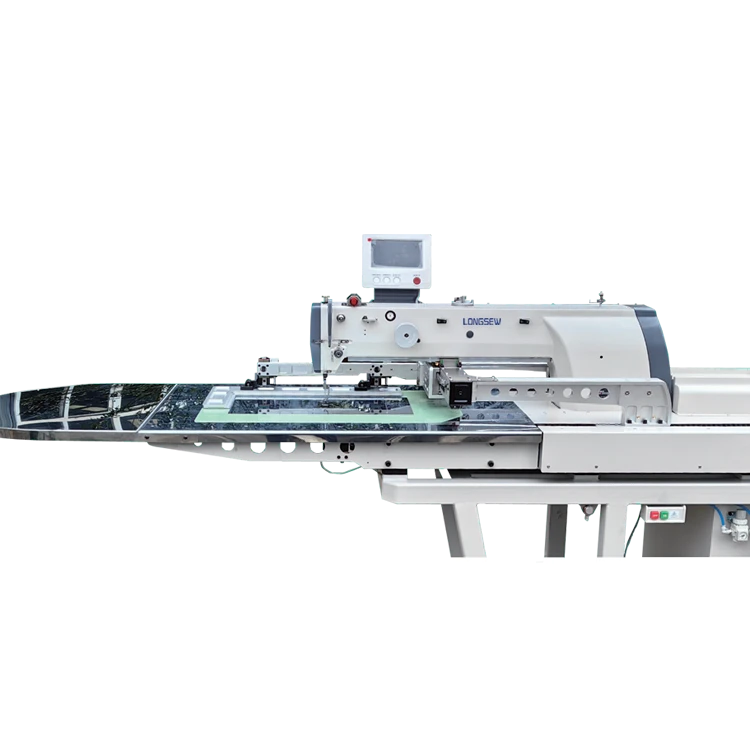
Between 2010 and 2020, the industry transitioned toward semi-automated systems. The introduction of the professional jumbo bag stitching machine allowed factories to standardize seam quality, introducing electronic speed control and improved lubrication systems to handle continuous 24/7 shifts.

Currently, the market is entering the era of Industry 4.0, where smart sensors and PLC-controlled sewing heads are becoming standard, allowing for real-time monitoring of thread tension and automatic stop functions upon thread breakage.

Future Development Trends

Ultrasonic Integration

Moving toward the fusion of traditional stitching with ultrasonic welding to create leak-proof seams for hazardous chemical transport.

AI-Driven Quality Control

Integration of computer vision to detect seam irregularities in real-time, reducing waste and increasing safety ratings.

Energy-Efficient Servo Motors

Transitioning all legacy clutch motors to high-torque servo systems to reduce electricity consumption by up to 40% in large-scale Russian factories.

Future Trends and Industrial Outlook

Strategic technological trajectories for the next 3-5 years.

Automation Surge
Rapid shift toward fully automated robotic sewing cells to eliminate human error in safety-critical bag seams.
Sustainable Materials
Increased demand for machinery capable of handling biodegradable and recycled polymers without compromising seam strength.
Modular Design
Introduction of modular sewing heads that can be quickly swapped for different bag sizes and materials.
Predictive Maintenance
Utilizing IoT sensors to predict wear on needles and looper components, minimizing unplanned downtime.

Industry Outlook

Google search trends indicate a rising interest in "automated packaging solutions" and "heavy-duty industrial sewing" within the Eurasia region. This suggests a pivot toward high-efficiency, low-labor systems as labor costs in urban industrial hubs increase.

The future of the Russian market will be defined by the ability to combine extreme-condition durability with digital precision. Manufacturers who adopt smart-stitching technology will lead in the supply of FIBCs for the global energy and mining sectors.

Local Application Scenarios in Russia

Real-world deployment of industrial sewing equipment across key sectors.

01. Mining & Mineral Export (Siberia)

Deployment of heavy-duty jumbo bag sewing machine units to produce 2-ton capacity bags for concentrate transport, featuring reinforced double-stitching for extreme load-bearing.

02. Agricultural Grain Storage (Krasnodar)

Utilization of the 50 kg jute bag making machine for the rapid packaging of wheat and sunflower seeds during peak harvest seasons.

03. Chemical Fertilizer Production (Volga Region)

Implementation of precision fibc sewing machine lines to create sift-proof and moisture-resistant bags for nitrogen-based fertilizers.

04. Construction Debris Management (Moscow/St. Petersburg)

Application of the big bag sewing machine for the mass production of disposable rubble bags used in urban redevelopment projects.

05. Industrial Logistics Centers (Urals)

Integration of a high-speed jumbo bag stitching machine for the repair and refurbishment of returned bulk containers in circular economy loops.

Brand Story

Global Development Journey of Hebei Longsew Machinery Technology Co., Ltd.

Foundation of Precision

Established with a vision to solve the instability of heavy-duty seams, Longsew began by refining the core mechanical synchronization of industrial sewing heads.

Technological Breakthrough

Developed the first generation of high-torque sewing motors specifically designed for multi-layer polypropylene fabrics, reducing needle breakage by 30%.

Global Expansion

Expanded operations into Europe and Russia, adapting machine specifications to withstand extreme ambient temperatures and varying power grid stability.

Standardization Leadership

Became a trusted partner for FIBC manufacturers worldwide, setting new industry benchmarks for seam strength and machine durability.

The Smart Future

Currently pioneering the integration of IoT and AI into textile machinery to provide predictive maintenance and automated quality assurance.

Industrial Sewing FAQ for Russia

Expert answers to common technical and operational questions.

How to choose the right fibc sewing machine for heavy-duty mineral bags?

For mineral bags, prioritize machines with reinforced frames and high-torque servo motors. Ensure the machine supports a wide range of thread densities and has a robust looper system to prevent skipping stitches on thick PP fabrics.

What is the maintenance cycle for a jumbo bag sewing machine in cold climates?

In cold environments, we recommend using low-viscosity synthetic lubricants. Daily lubrication of the moving parts and weekly checks of the tension discs are essential to prevent freezing or stiffness during winter operation.

Can a big bag sewing machine handle recycled polypropylene materials?

Yes, our advanced models feature adjustable feed dogs and precision needle timing specifically calibrated to handle the inconsistent thickness and friction levels of recycled plastics.

What are the key advantages of a professional jumbo bag stitching machine over portable units?

Industrial stitching machines offer significantly higher speed, consistent seam tension, and the ability to operate continuously without overheating, which is critical for high-volume Russian production lines.

Is the 50 kg jute bag making machine suitable for automated production lines?

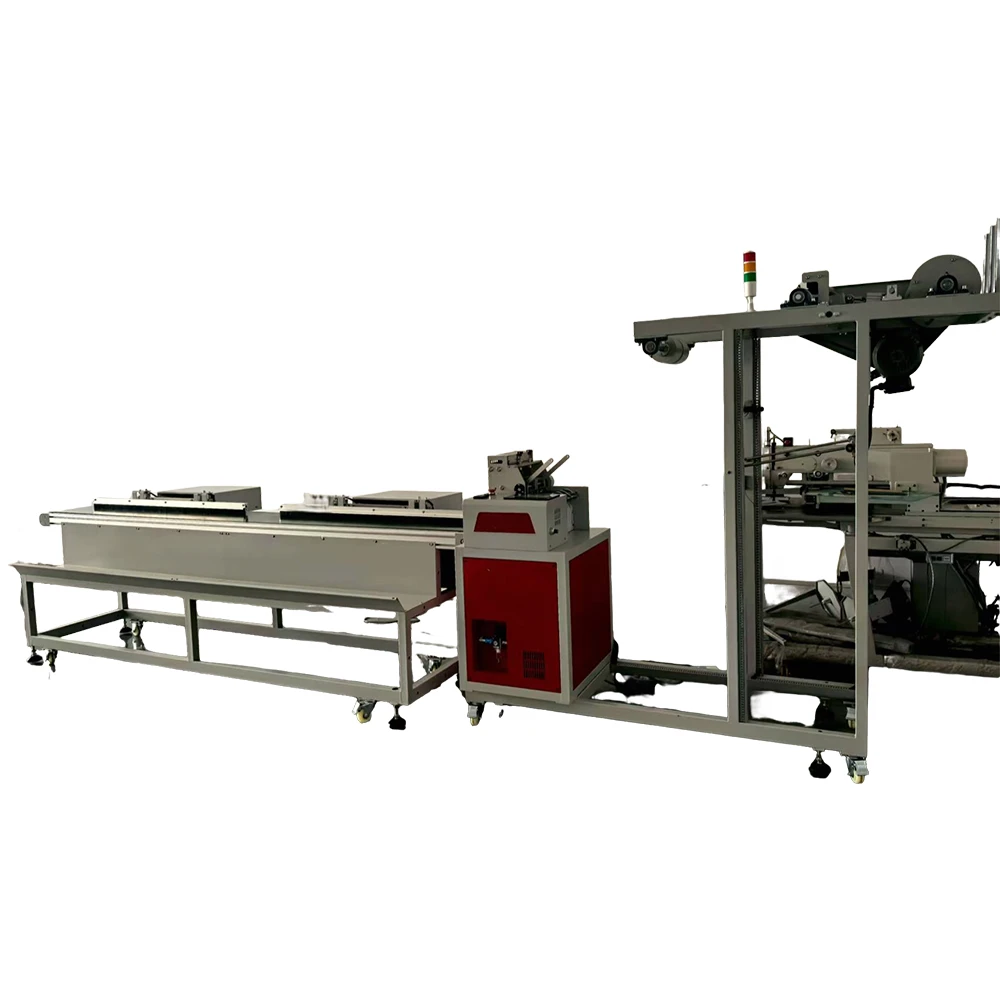
Our jute bag machines can be integrated into automated lines via PLC synchronization, allowing for automatic cutting and stitching of 50kg bags with minimal human intervention.

How to reduce thread breakage in heavy-duty bag production?

Thread breakage is usually caused by incorrect tension or needle heat. Using ceramic-coated needles and digital tension controllers helps maintain a steady flow and reduces friction-induced snaps.

Ready to Optimize Your Production?

Contact our technical experts to find the perfect industrial sewing solution for your facility in Russia.

Contact Us Now

If you are interested in our products, you can choose to leave your information here, and we will be in touch with you shortly.