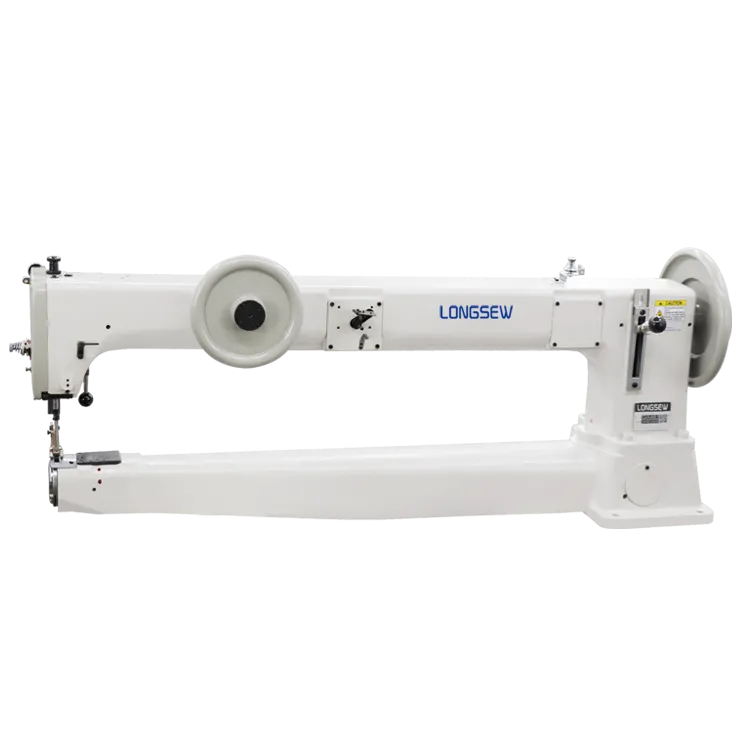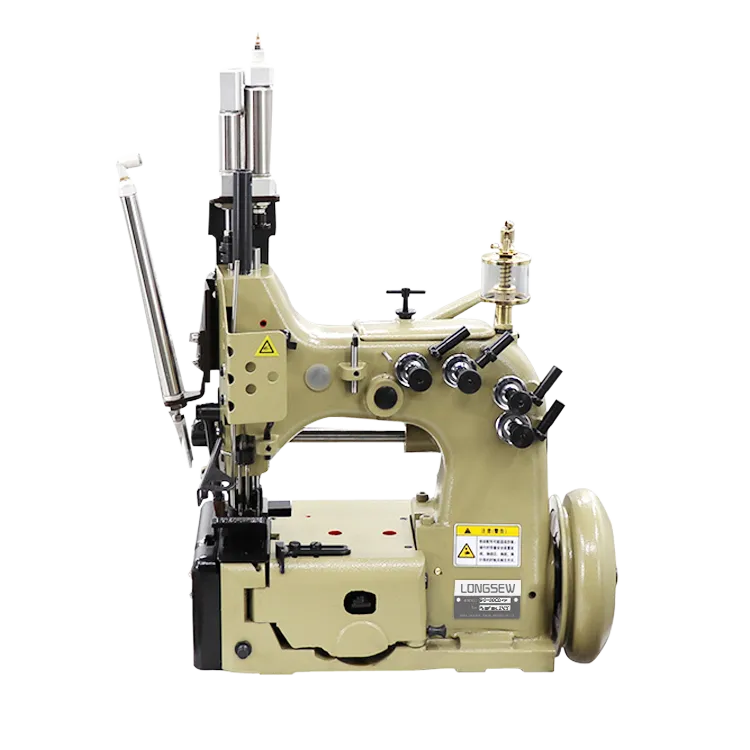
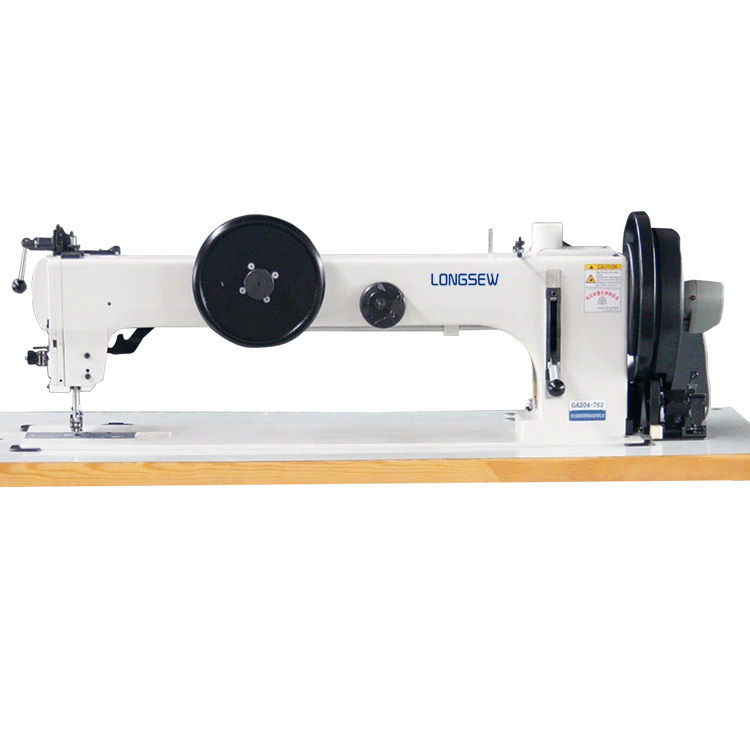
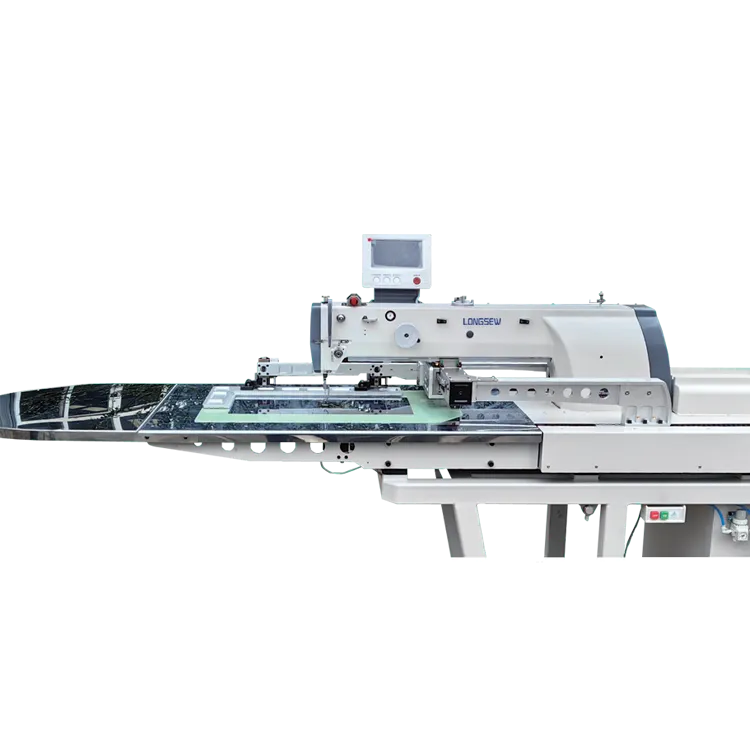
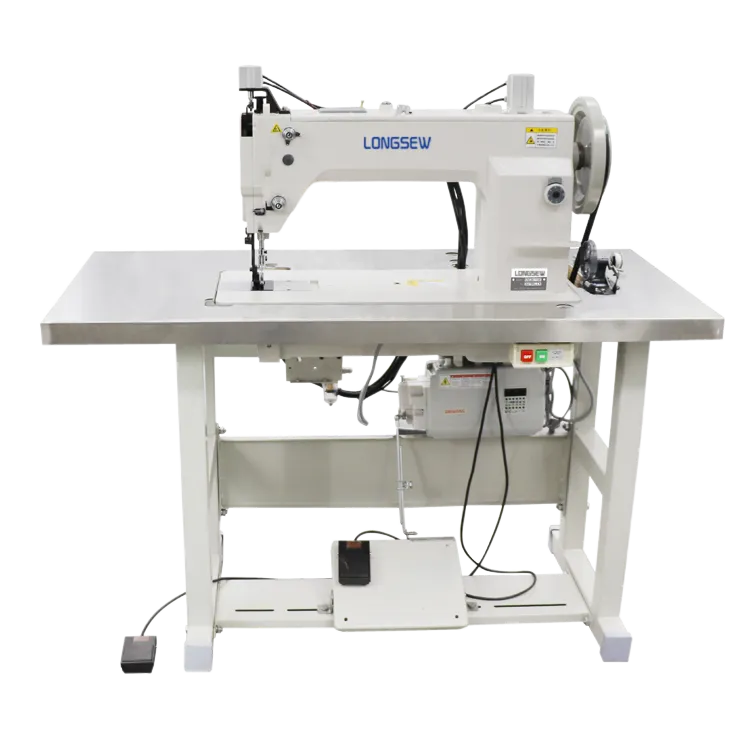
Industrial jumbo bag sewing machine Solutions for Malaysia

High-performance industrial stitching systems engineered for the rigorous demands of the Malaysian packaging and textile sectors.

Packaging Manufacturing Landscape in Malaysia

Analyzing the intersection of agricultural exports and industrial stitching requirements.

Malaysia's role as a global hub for palm oil and rubber exports has created a massive demand for high-capacity bulk containers. Local manufacturers rely heavily on the big bag sewing machine to produce containers capable of transporting tons of raw materials across Southeast Asia.

The tropical climate of Malaysia, characterized by high humidity, presents a significant challenge for machinery maintenance. Standard equipment often suffers from corrosion and electronic failure, making the need for heavy-duty, weather-resistant jumbo bag stitching machine systems a priority for factory owners in Selangor and Johor.

Furthermore, the rise of sustainable packaging initiatives in the region has shifted interest toward biodegradable materials. This transition requires a 50 kg jute bag making machine that can handle varying fabric densities without compromising stitch integrity or speed.

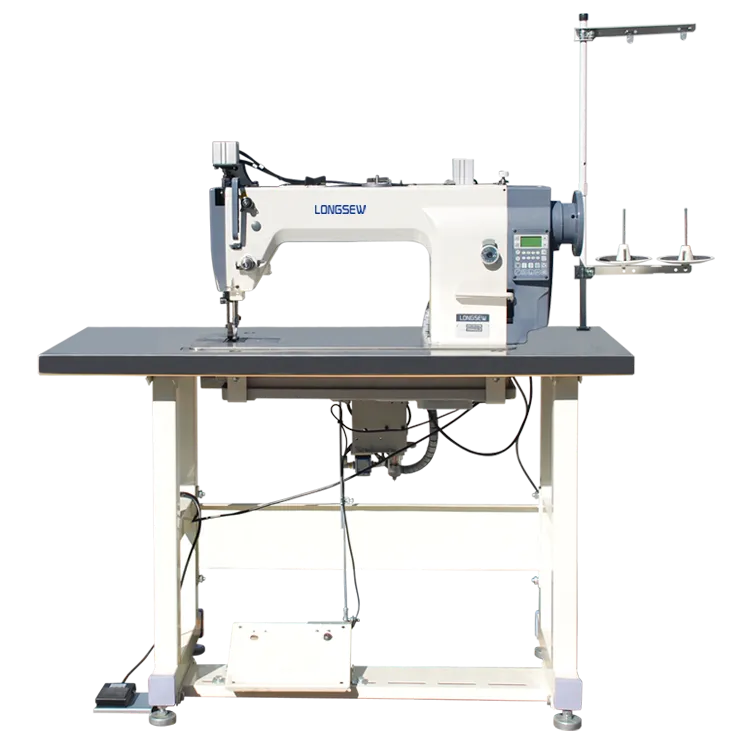
Evolution of Bulk Bag Stitching Technology

From manual hand-stitching to automated high-speed industrial production lines.

Market Development History

In the 1990s, the Malaysian textile sector relied primarily on manual portable sewing machines. These early iterations lacked the power to penetrate thick polypropylene weaves consistently, leading to high failure rates in heavy-duty sacks.

Between 2005 and 2015, the industry transitioned toward semi-automated workstations. The introduction of synchronized feed mechanisms allowed for faster production of FIBCs, significantly reducing the labor cost per unit in local manufacturing plants.

From 2016 to the present, the integration of PLC controls and servo motors has redefined the standard. Modern systems now offer programmable stitch lengths and automatic thread trimming, ensuring a level of precision previously unseen in bulk packaging.

Future Development Trends

IoT-Integrated Monitoring

The next phase involves real-time telemetry, where machines report wear and tear on needles and loops to prevent unplanned downtime in high-volume Malaysian factories.

Eco-Material Compatibility

Advancements in needle heat treatment will allow machines to sew recycled ocean plastics and reinforced hemp fibers without causing fabric melting or tearing.

Full-Scale Robotic Automation

We anticipate a shift toward robotic arms handling the fabric feeding process, reducing human error and increasing safety in the production of oversized industrial bags.

Industry Trends & Future Outlook

Strategic technological shifts driving the next generation of textile machinery.

Energy Efficiency
Implementation of energy-saving servo motors to reduce operational overhead in Malaysian industrial zones.
Smart Precision
Automatic tension control systems to eliminate skipped stitches in heavy-duty fabric layers.
Material Versatility
Hardware adjustments allowing rapid switching between PP, PE, and jute materials.
Modular Design
Quick-swap components to minimize downtime during peak harvest seasons in Malaysia.

Industry Outlook

Based on Google search trends for industrial automation in Asia, we predict a 15% increase in demand for fully automatic fibc sewing machine units over the next 3 years. As Malaysia pushes for IR 4.0, the integration of digital interfaces will become the industry standard.

Furthermore, the shift toward "Green Logistics" will force manufacturers to adopt machinery capable of handling bio-polymers, necessitating an upgrade in needle technology and stitch geometry to maintain the structural integrity of heavy-duty bags.

Localized Application Scenarios in Malaysia

Practical deployments of our stitching technology across diverse Malaysian industries.

01. Palm Oil Mill Packaging

Utilizing high-torque jumbo bag stitching machine units to secure heavy-duty liners for palm kernel export in Perak.

02. Agricultural Seed Distribution

Implementing the 50 kg jute bag making machine for durable, breathable seed packaging used by regional farming cooperatives.

03. Chemical Fertilizer Plants

Deploying specialized big bag sewing machine systems with reinforced stitching to prevent leakage of granulated chemical fertilizers.

04. Construction Debris Management

Production of oversized waste bags using a fibc sewing machine for the booming infrastructure projects in Kuala Lumpur.

05. Rice Export Facilities

High-speed stitching of industrial rice sacks using jumbo bag sewing machine technology for bulk shipping to international markets.

Brand Story

Global Development History of Hebei Longsew Machinery Technology Co., Ltd.

Founding Excellence

Established with a focus on solving the critical failure of seams in heavy industrial textiles, we began by innovating needle-bar stability.

Technological Breakthrough

Developed the first generation of high-speed automatic stitching heads specifically for the FIBC market, reducing production time by 30%.

Global Expansion

Expanded our footprint into the Southeast Asian market, tailoring our machinery to withstand the high humidity of regions like Malaysia.

Quality Certification

Achieved international standards for durability and safety, becoming a trusted partner for the world's largest bulk bag manufacturers.

Sustainable Future

Now leading the transition to eco-friendly textile machinery, ensuring the packaging industry evolves sustainably for the next generation.

Industrial Sewing FAQ for Malaysian Manufacturers

Expert answers to common technical queries in the textile equipment sector.

How to choose the right fibc sewing machine for palm oil bulk bags?

For palm oil bulk bags, you need a machine with high penetration power and reinforced loops to ensure the bag can withstand the weight of heavy oils without seam bursting.

What is the ideal stitch length for a jumbo bag sewing machine?

Depending on the fabric density, a stitch length between 6mm and 12mm is typically recommended to balance speed with structural security for jumbo bags.

Can a 50 kg jute bag making machine handle synthetic blends?

Yes, our machines are designed with adjustable tension systems that allow them to process both traditional jute and modern synthetic blended fabrics.

How do I maintain a big bag sewing machine in high-humidity environments?

We recommend using anti-corrosive lubricants and scheduling weekly cleaning of the feed dogs to prevent moisture-induced oxidation.

What are the advantages of an automatic jumbo bag stitching machine over manual ones?

Automatic systems provide consistent stitch quality, higher production speeds, and significantly lower labor costs per bag produced.

Which needle size is best for heavy-duty FIBC fabrics?

Typically, needles ranging from size 18 to 22 are used for heavy-duty FIBC fabrics to ensure smooth penetration without bending the needle.

Get a Custom Industrial Quote

Contact our technical experts today for optimized stitching solutions tailored for the manufacturing landscape in Malaysia.

Contact Us Now

If you are interested in our products, you can choose to leave your information here, and we will be in touch with you shortly.