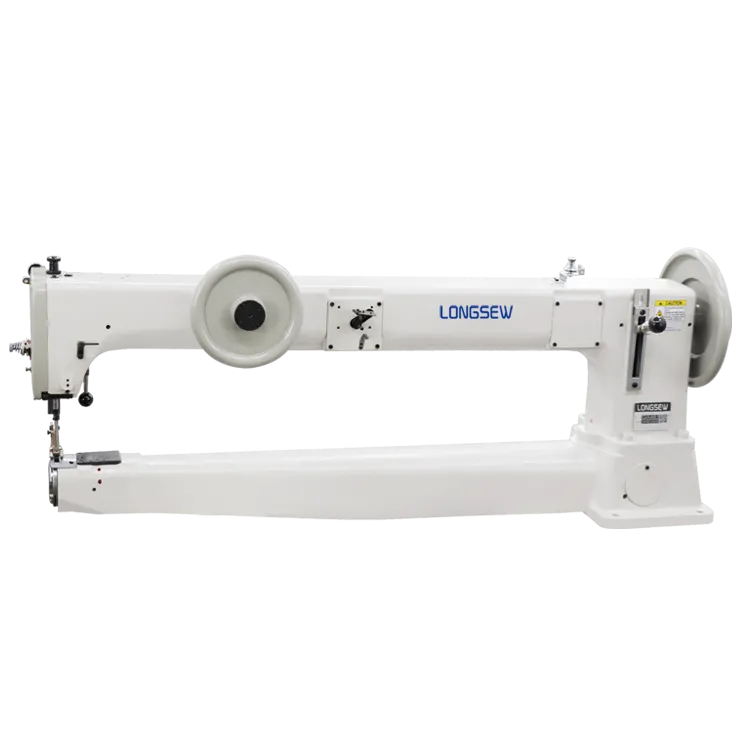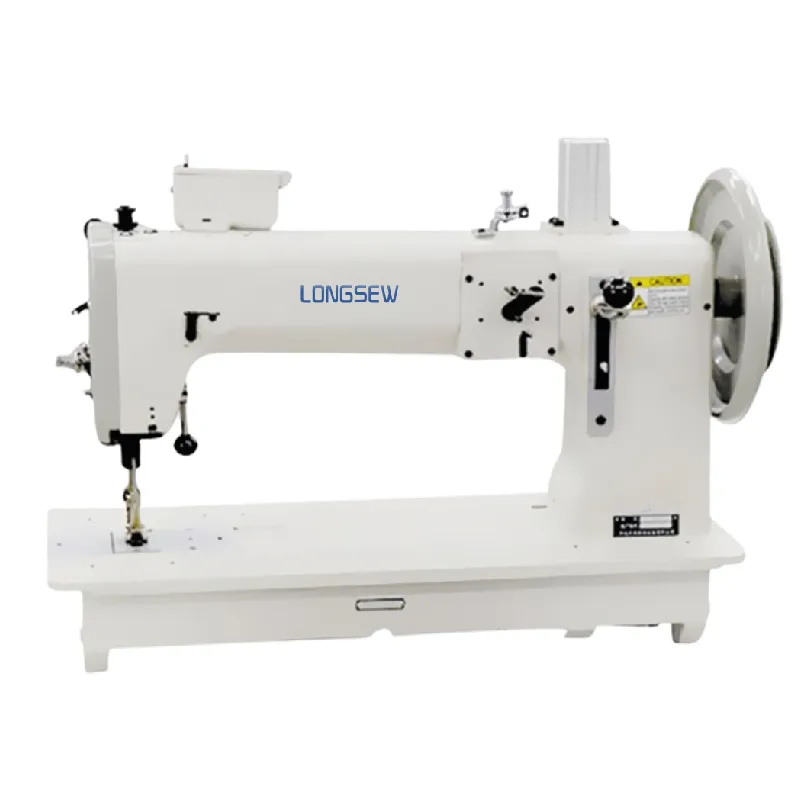
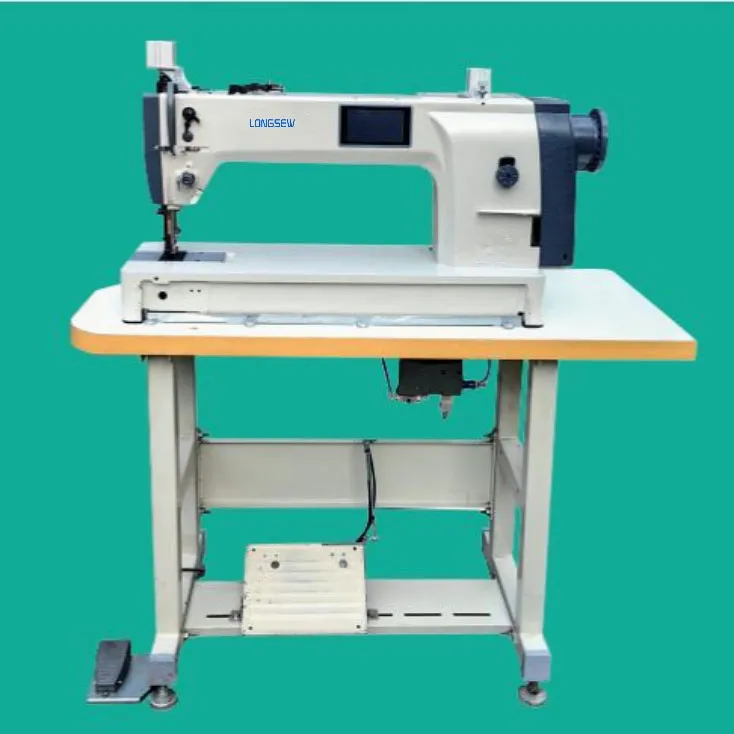
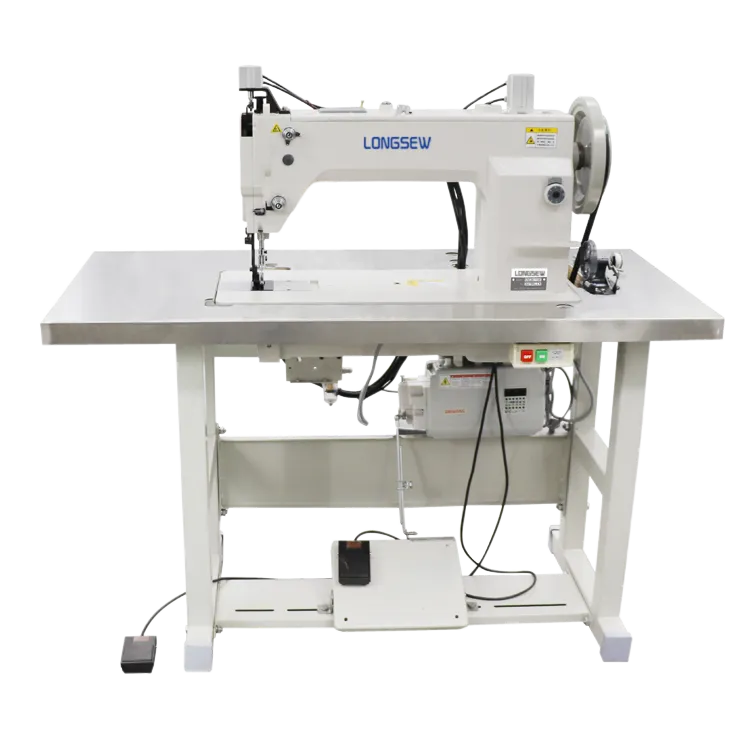
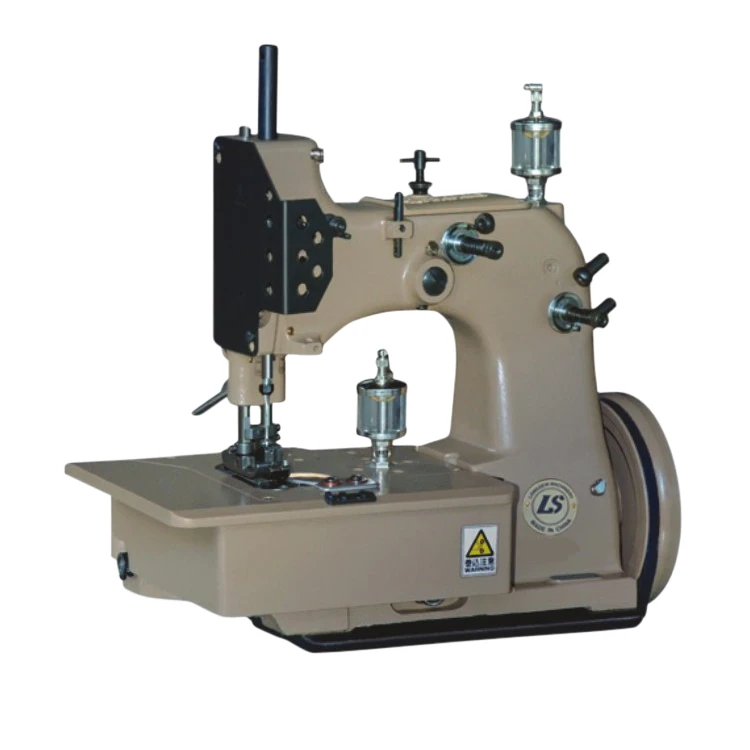
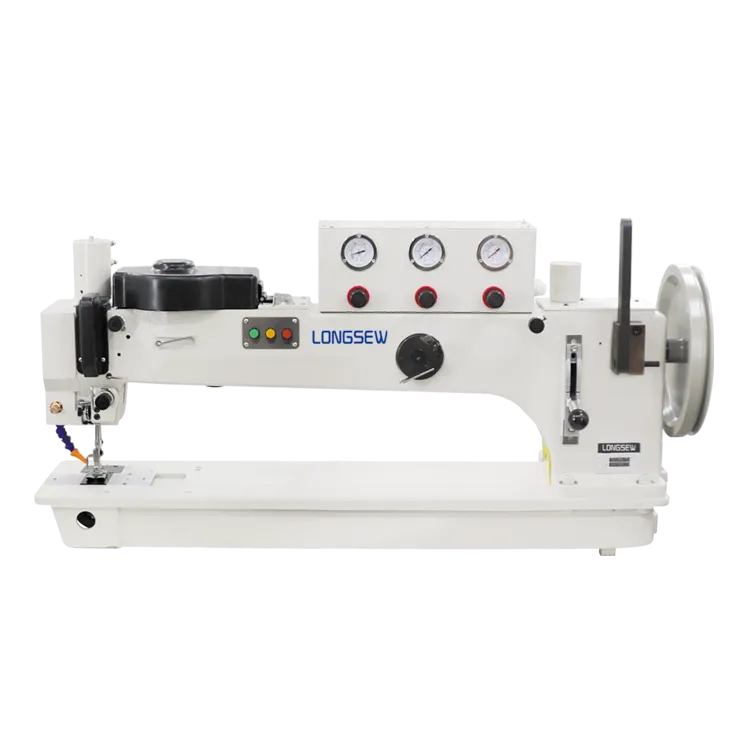
Industrial jumbo bag sewing machine Solutions for Cameroon

Empowering Cameroon's agricultural and industrial packaging sectors with high-precision, heavy-duty stitching technology for maximum durability.

Industrial Packaging Landscape in Cameroon

Analyzing the operational challenges and equipment needs of Cameroon's textile and packaging industry.

In Cameroon, the industrial landscape is heavily driven by the export of cocoa, coffee, and minerals. This creates a massive demand for high-strength packaging. Currently, many local producers rely on outdated manual tools, but there is a rapid shift toward using a professional big bag sewing machine to ensure that bulk containers can withstand the humidity of the coastal regions and the rigors of international shipping.

The humid tropical climate in cities like Douala and Yaoundé poses a significant challenge for machinery maintenance. Oxidation and dust accumulation often lead to frequent breakdowns of standard sewing equipment. Consequently, there is an urgent need for specialized fibc sewing machine models that feature anti-corrosion coatings and reinforced mechanical components to ensure continuous production cycles.

Furthermore, as Cameroon seeks to diversify its economy and increase local value addition, the production of smaller, standardized bags for livestock feed and grains is rising. This has sparked a growing interest in the 50 kg jute bag making machine, allowing local enterprises to scale from artisanal workshops to industrial-grade manufacturing plants.
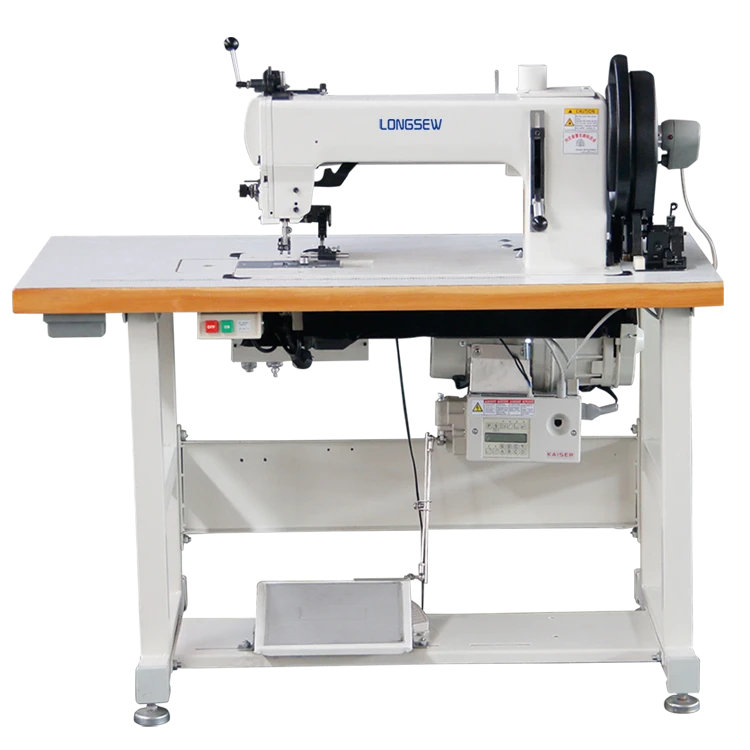
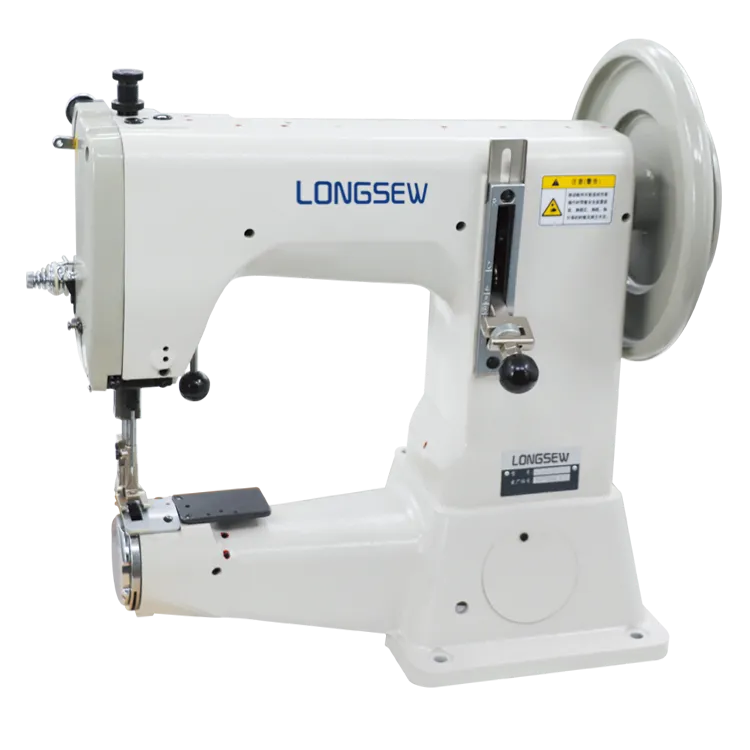
Evolution of Bag Stitching Technology in Cameroon

From manual hand-stitching to automated industrial solutions.

Market Development History

Between 1990 and 2010, the Cameroonian market primarily utilized traditional hand-operated sewing machines and simple chain-stitchers for small-scale agriculture bags. These machines lacked the tension control required for heavy-duty fabrics, resulting in high leakage rates during transport.

From 2010 to 2020, the introduction of semi-automatic jumbo bag stitching machine technology revolutionized the sector. The adoption of motorized feed systems allowed for faster production and more consistent seam strength, aligning with the growth of the mining and cement industries in the region.

In the current era (2021-present), we are seeing a transition toward fully integrated automation. Modern factories are now integrating precision electronics to manage stitch length and thread tension automatically, reducing waste and improving the safety standards of FIBCs (Flexible Intermediate Bulk Containers).

Future Development Trends

Integration of IoT Monitoring

Predictive maintenance will become standard, allowing operators in Cameroon to monitor the wear of needles and motors in real-time, reducing unplanned downtime in remote factory locations.

Energy-Efficient Servo Motors

To combat unstable power grids, the shift toward energy-saving servo motors will reduce electricity costs and provide more stable torque for heavy-duty sewing tasks.

Sustainable Material Processing

As global regulations tighten, machines will be optimized to handle biodegradable and recycled polymers, expanding the capabilities of the local big bag sewing machine market.

Future Outlook for Industrial Sewing in Africa

Strategic technological directions for the next 3-5 years.

Automated Tension Control
Implementing smart sensors to ensure consistent stitch quality across various fabric densities.
Enhanced Dust-Proofing
Advanced sealing technology to prevent agricultural dust from entering the mechanical core.
Modular Hardware Design
Easily replaceable components to reduce reliance on overseas technicians for basic repairs.
Eco-Friendly Lubrication
Biodegradable oils to meet new environmental standards for food-grade packaging.

Industry Outlook

Based on Google search trend logic for the Central African region, there is a surging interest in "automated packaging" and "industrial textile machinery." This indicates that Cameroonian entrepreneurs are moving away from manual labor toward capital-intensive, high-efficiency production lines.

We expect the market for jumbo bag sewing machine equipment to grow by 15% annually as the country strengthens its logistics infrastructure and increases its bulk export capacity for agricultural commodities.

Local Application Scenarios in Cameroon

Real-world deployments of our machinery across various Cameroonian industries.

1. Cocoa Export Bulk Packaging in Douala

Using a heavy-duty fibc sewing machine to create reinforced bulk bags that protect premium cocoa beans from moisture during long-distance maritime transport.

2. Cement Industry Bagging in Yaoundé

Deploying a high-speed jumbo bag stitching machine to secure 1-ton cement bags, ensuring no leakage of fine powder during transit over rough road networks.

3. Local Grain Milling and Distribution

Implementing the 50 kg jute bag making machine for local corn and maize millers to package goods for domestic retail markets across the region.

4. Mining Mineral Transport in East Region

Utilizing a specialized big bag sewing machine to sew extra-thick polypropylene fabric for transporting heavy ores and minerals from mines to processing hubs.

5. Agricultural Seed Storage Facilities

Using professional stitching solutions to create breathable, high-strength bags for seasonal seed storage, protecting the national agricultural reserve from pest infestation.

Brand Story

Global Development Journey of Hebei Longsew Machinery Technology Co., Ltd.

Founding Vision

Established with a mission to eliminate the inefficiency of manual sewing in the industrial sector, focusing on heavy-duty fabric solutions.

Technical Breakthroughs

Developed the first generation of reinforced gear systems that allowed machines to sew through 10+ layers of PP fabric without overheating.

Global Expansion

Expanded our footprint into Africa and Southeast Asia, adapting machine designs to survive extreme heat and high-humidity environments.

Commitment to Quality

Achieved international certifications for safety and durability, ensuring our equipment meets the strictest global export standards.

Future Innovation

Investing in AI-driven stitch adjustment to further reduce material waste for our global partners in the packaging industry.

Cameroon Industrial Sewing FAQ

Answers to common technical and operational questions from our local clients.

How do I choose the right fibc sewing machine for high-humidity coastal areas?

For coastal areas like Douala, we recommend models with specialized anti-corrosion coatings and sealed bearings to prevent rust and ensure longevity in humid conditions.

Can a jumbo bag sewing machine handle recycled PP fabric?

Yes, our machines are designed with adjustable tension and high-torque motors that can easily penetrate the denser, less uniform texture of recycled polypropylene.

What is the production capacity of a 50 kg jute bag making machine?

Depending on the automation level, our machines can produce from 200 to 800 bags per hour, significantly increasing output compared to manual stitching.

How to maintain a jumbo bag stitching machine in dusty environments?

We recommend daily air-cleaning of the bobbin area and weekly lubrication of the moving parts with high-grade industrial oil to prevent abrasive wear from dust.

Is a big bag sewing machine compatible with different thread types?

Yes, our equipment supports various industrial threads, including bonded nylon and polyester, depending on the strength and UV resistance required for the bag.

What warranty applies to industrial sewing equipment shipped to Cameroon?

We provide a comprehensive warranty on core mechanical components and offer remote technical support and spare parts kits to minimize operational downtime.

Ready to Upgrade Your Production?

Contact our specialists today for a customized industrial sewing solution delivered directly to your facility in Cameroon.

Contact Us Now

If you are interested in our products, you can choose to leave your information here, and we will be in touch with you shortly.