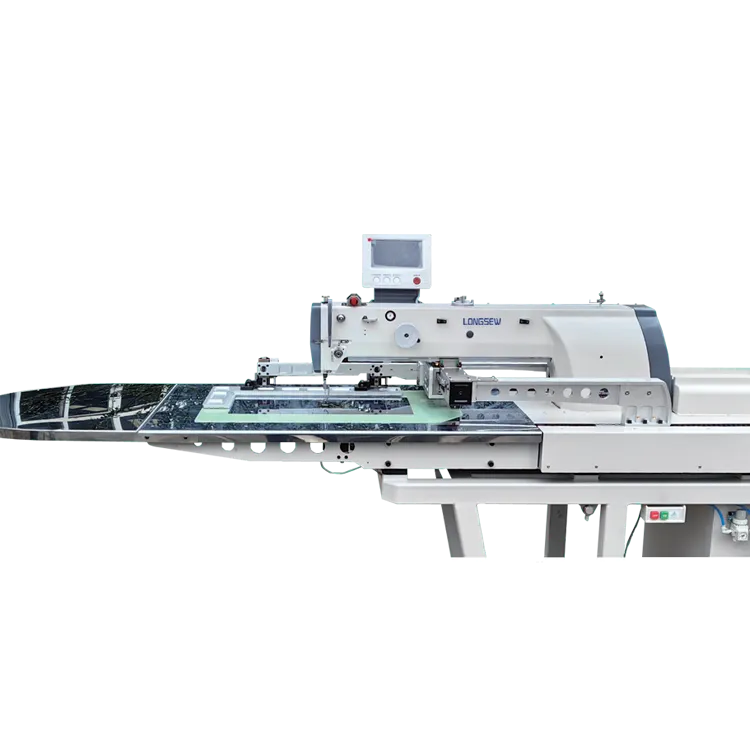
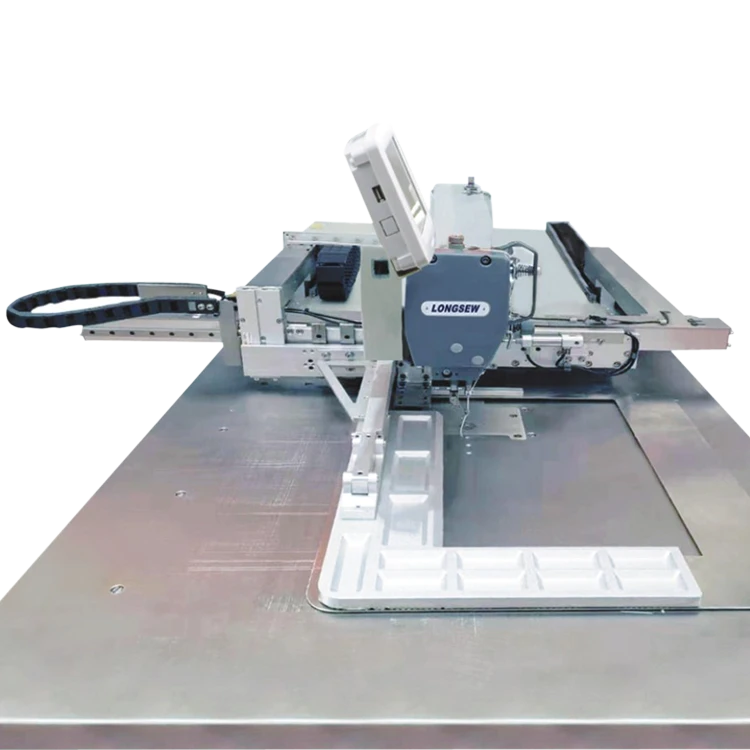
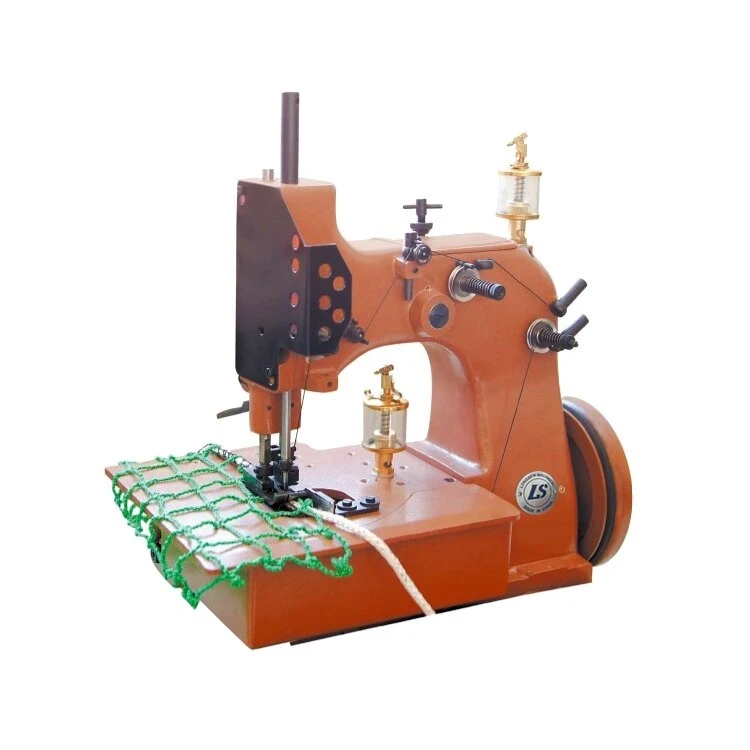
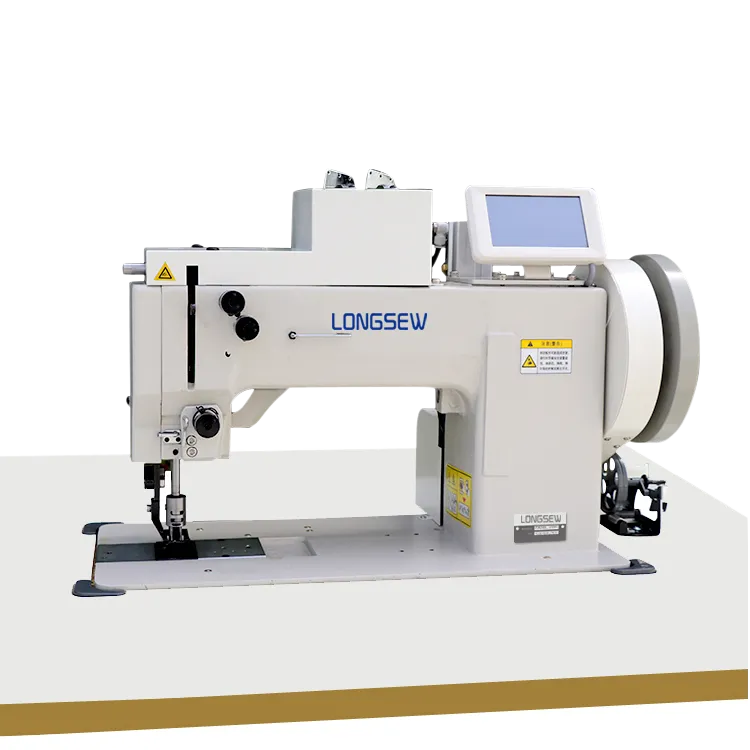
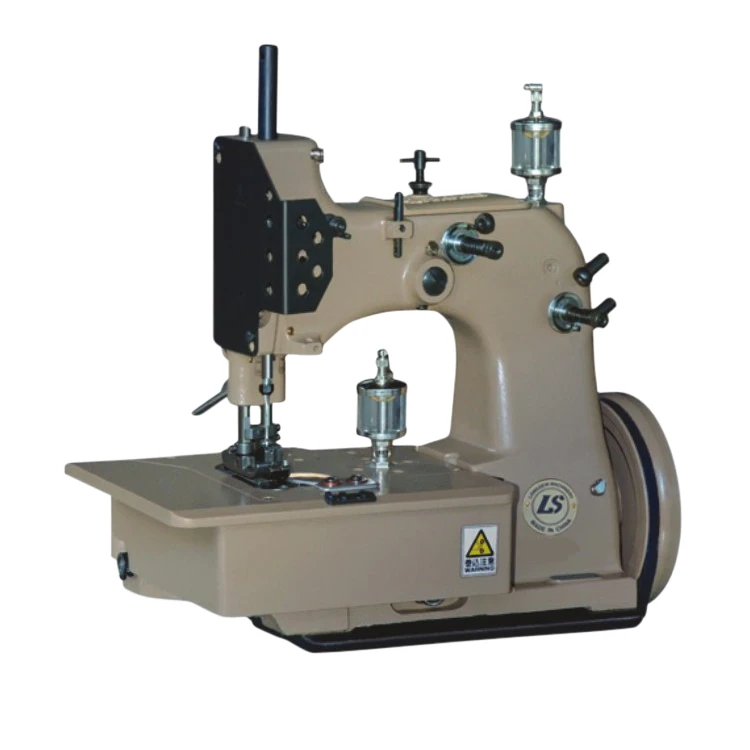
Industrial jumbo bag sewing machine Solutions for Bangladesh

High-performance stitching technology engineered for the rigorous demands of the Bangladeshi textile and packaging industry, optimizing production for FIBC and jute bag manufacturing.

Industrial jumbo bag sewing machine Solutions for Bangladesh

Providing cutting-edge sewing automation and heavy-duty stitching equipment specifically tailored for the diverse packaging needs of the Bangladesh market, from agricultural jute sacks to industrial FIBCs.

The Current State of Packaging Machinery in Bangladesh

Analyzing the operational landscape of the textile equipment sector in Asia's textile hub.

Bangladesh's manufacturing sector is currently characterized by a massive surge in export-oriented packaging. With the rise of the chemical and fertilizer industries, there is a critical demand for a reliable fibc sewing machine that can handle high-tenacity polypropylene fabrics while maintaining seam strength under extreme loads.

Environmental conditions in Bangladesh, particularly high humidity and dust in industrial zones like Gazipur and Narayanganj, pose significant challenges to machinery longevity. Many factories still rely on outdated mechanical systems, creating an urgent need for the transition to a more robust big bag sewing machine that features anti-corrosive coatings and improved lubrication systems.

Furthermore, the traditional jute industry continues to evolve. The demand for a specialized 50 kg jute bag making machine is increasing as local producers seek to automate the stitching process to meet international quality standards for agricultural exports.
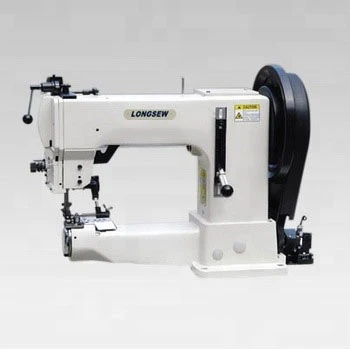
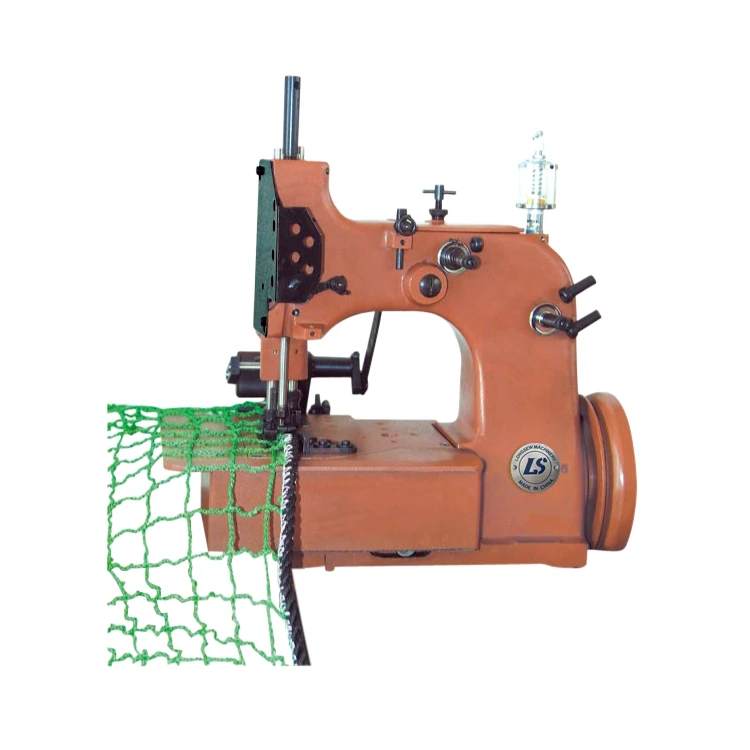
Evolution and Technical Trajectory of Bag Closing Technology

From manual craftsmanship to automated industrial stitching solutions.

Market Development History

In the early 2000s, the Bangladeshi market relied heavily on manual hand-held bag closers. These tools were sufficient for low-volume production but lacked the precision and speed required for the growing export market, often resulting in inconsistent seam quality.

Between 2010 and 2020, the industry saw a shift toward semi-automated stations. The introduction of the jumbo bag stitching machine allowed factories to handle larger weights and reinforced materials, moving away from simple sacks to complex FIBC structures with lifting loops.

Today, the market is entering the era of full automation. Modern facilities are integrating PLC-controlled systems and high-speed servo motors, reducing human error and increasing the throughput of heavy-duty bag production lines.

Future Development Trends

IoT-Enabled Maintenance

Predictive maintenance using sensors will become standard, allowing Bangladeshi operators to monitor the wear and tear of needles and looper components in real-time.

Eco-Friendly Power Systems

Energy-saving servo motors will replace clutch motors to reduce electricity costs and carbon footprints in line with global sustainability goals.

Enhanced Material Versatility

Next-generation machines will offer quicker change-overs between different fabric densities, enabling a single line to switch between jute and PP materials seamlessly.

Future Trends and Strategic Outlook

Mapping the technological shifts in the specialized sewing equipment industry.

Automated Stitch Precision
Implementation of digital tension control to ensure zero-failure seams in high-load bags.
Energy Efficiency
Transitioning to low-wattage high-torque motors to reduce operational overhead in factories.
Material Adaptability
Developing universal feed dogs capable of handling both coarse jute and smooth PP laminates.
Modular Design
Quick-swap modular heads for rapid maintenance and minimal production downtime.

Industry Outlook

The trajectory for the Bangladesh market indicates a strong move toward "Smart Manufacturing." As Google search trends show a rise in "industrial automation in textile," we expect a surge in demand for integrated sewing lines that connect directly to warehouse management systems.

Future growth will be driven by the diversification of the export portfolio, requiring machines that can handle varied weights and specialized coatings, ensuring that Bangladeshi manufacturers remain competitive in the global packaging arena.

Localized Application Scenarios in Bangladesh

Practical implementations of our technology across various local sectors.

01. Fertilizer and Chemical Packaging

Utilizing heavy-duty jumbo bag sewing machine units to create leak-proof, reinforced containers for urea and phosphate exports from Chittagong ports.

02. Traditional Jute Export Industry

Implementing the 50 kg jute bag making machine in rural manufacturing hubs to standardize the production of grain and coffee sacks for European markets.

03. Bulk Food and Grain Storage

Deploying high-speed big bag sewing machine systems to produce food-grade FIBCs for rice and wheat storage, focusing on hygienic seam sealing.

04. Industrial Waste Management

Using robust jumbo bag stitching machine technology to manufacture oversized bags for textile scrap collection in Dhaka's garment clusters.

05. Construction Material Transport

Applying fibc sewing machine solutions to create high-strength bags for sand and cement transport across urban infrastructure projects.

Brand Story

Global Development History of Hebei Longsew Machinery Technology Co., Ltd.

Founding Vision

Established with a mission to eliminate the inefficiency of manual stitching in heavy-duty industries through precision engineering.

Technical Breakthrough

Developed the first generation of reinforced looper systems that significantly reduced thread breakage in thick synthetic fabrics.

Global Expansion

Expanded our footprint into Asia, specifically tailoring equipment for the unique humidity and material needs of the Bangladesh textile market.

Automation Leadership

Integrated servo-motor technology into our bag-closing range, setting new standards for energy efficiency and speed.

Future Commitment

Dedicated to providing sustainable, long-life machinery that empowers local manufacturers to achieve global quality benchmarks.

Common Questions for Local Manufacturers

Expert answers to technical challenges faced by Bangladeshi operators.

How to maintain a fibc sewing machine in high humidity environments?

We recommend using specialized industrial lubricants and daily cleaning of the feed dog area to prevent oxidation and buildup caused by Bangladesh's tropical climate.

What is the ideal needle size for a jumbo bag sewing machine?

Depending on the fabric GSM, we typically suggest needles ranging from 18 to 22, ensuring the needle can penetrate heavy polypropylene without bending.

Can a big bag sewing machine handle both jute and PP fabrics?

Yes, our versatile machines allow for adjustable tension and feed settings, making them suitable for both traditional jute and modern synthetic fabrics.

What is the production capacity of a 50 kg jute bag making machine?

Our automated systems can significantly increase output, typically producing hundreds of bags per hour depending on the operator's skill and the automation level.

How do I resolve thread breaking in a jumbo bag stitching machine?

Thread breakage is often caused by incorrect tension or a blunt needle. Check the thread path for burrs and ensure you are using high-tenacity bonded nylon thread.

What warranty and support are available for equipment in Bangladesh?

We provide comprehensive technical documentation and remote support, along with a supply of genuine wear-and-tear parts to ensure minimal downtime.

Optimize Your Production Today

Contact our experts to find the perfect stitching solution for your factory in Bangladesh.

Contact Us Now

If you are interested in our products, you can choose to leave your information here, and we will be in touch with you shortly.