
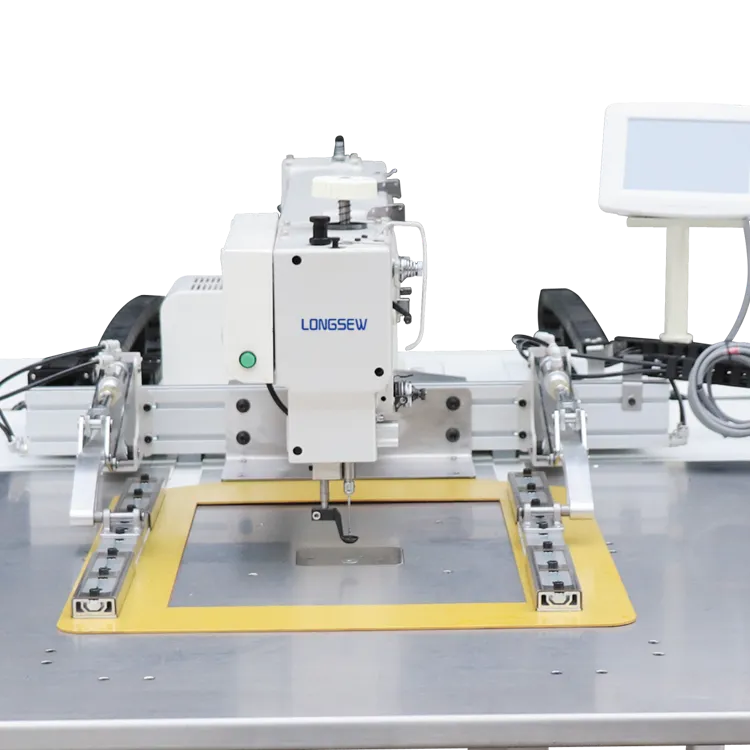
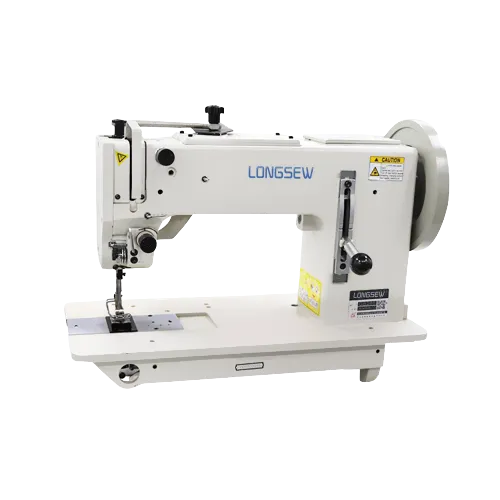
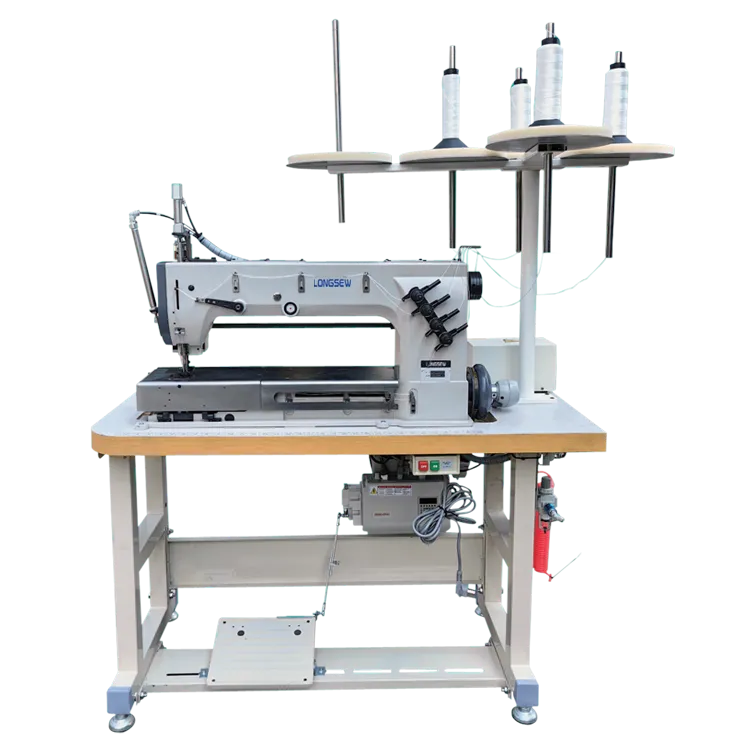
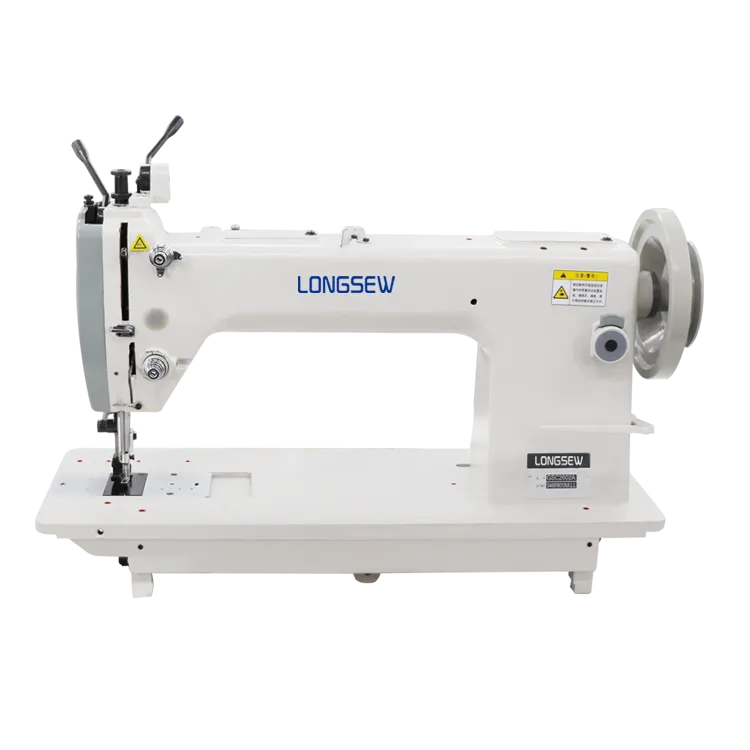
Industrial jumbo bag sewing machine Solutions for Angola

High-performance sewing technology engineered for the robust packaging requirements of Angola's mining and agricultural sectors.

The State of Industrial Packaging in Angola

Analyzing the intersection of heavy industry and sewing technology in the Angolan market.

Angola's industrial sector is currently characterized by a strong reliance on the mining and agricultural exports. The demand for durable bulk packaging has surged, making the adoption of a professional fibc sewing machine essential for local manufacturers who need to meet international export standards for minerals and coffee.

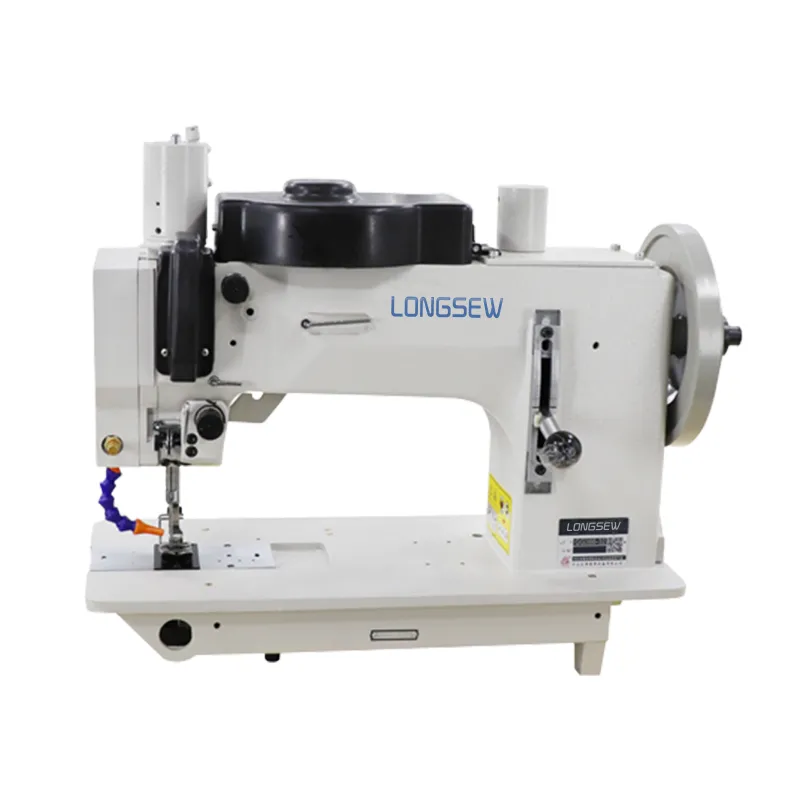
The humid tropical climate of coastal regions like Luanda presents a unique challenge for textile machinery. Traditional equipment often suffers from corrosion and mechanical fatigue. Consequently, there is a growing shift toward stainless steel components and reinforced big bag sewing machine models that can withstand high humidity and dust-heavy environments.

Economically, Angola is diversifying away from oil, leading to a rise in local agribusiness. This transition has created a critical need for versatile equipment, such as the 50 kg jute bag making machine, to support the packaging of food grains and legumes for domestic consumption and regional trade.
Evolution of Stitching Technology in Angola

From manual labor to automated heavy-duty stitching systems.

Market Development History

In the early 2000s, most packaging in Angola relied on manual hand-stitching or basic portable machines. These methods were slow and lacked the tensile strength required for heavy industrial loads, often resulting in bag failures during transport.

By 2010-2015, the introduction of semi-automated jumbo bag stitching machine technology began to transform the local factories. This era marked the transition to chain-stitching and reinforced seams, allowing for the production of bags capable of carrying over 1,000kg.

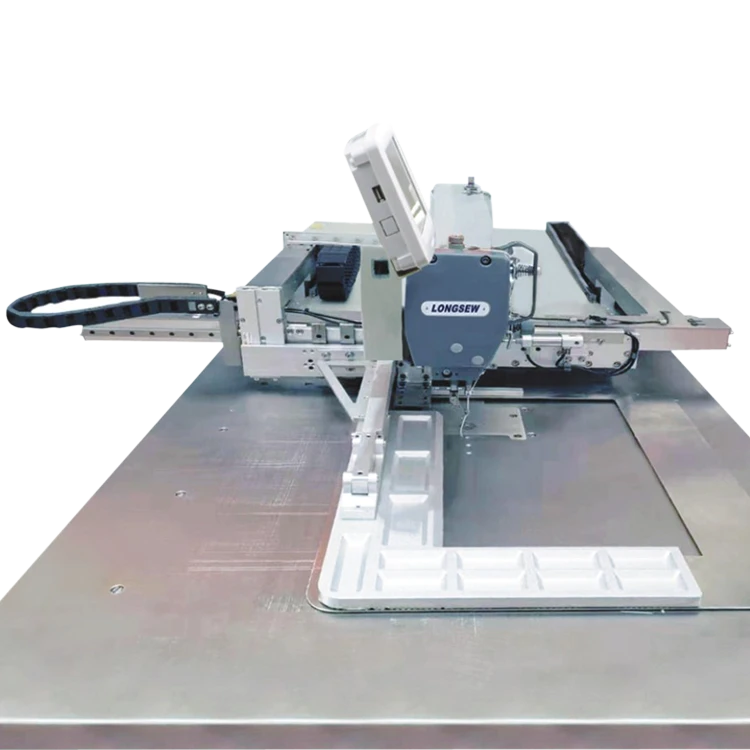
From 2018 to the present, the market has evolved toward fully integrated production lines. Modern facilities now integrate precision electronic controls and high-speed motors to maximize output while reducing material waste in the production of FIBCs.

Future Development Trends

Integration of IoT Monitoring

Future machinery will likely feature remote diagnostics to reduce downtime in remote Angolan provinces, allowing technicians in Luanda to troubleshoot machines via the cloud.

Eco-friendly Material Adaptation

As global sustainability trends reach Africa, machines will be optimized for biodegradable polymers and recycled polypropylene fabrics.

Increased Automation in Jute Production

The demand for automated 50 kg jute bag making machine units will grow as the agricultural sector seeks to scale up its export volume.

Industry Trends and Future Outlook

Predicting the trajectory of textile machinery in the Southern African region.

Precision Engineering
Shift toward micron-level precision in seam strength to prevent leakages in chemical powder bags.
Energy Efficiency
Adoption of servo motors to reduce electricity costs in Angolan factories facing power instability.
Material Versatility
Machines capable of switching between PP, PE, and natural jute without extensive retooling.
Localized Support
Growing demand for local maintenance hubs in Luanda and Benguela for rapid part replacement.

Industry Outlook

Google search trends for "industrial sewing equipment" in the Lusophone African region indicate a 15% year-on-year increase. This correlates with Angola's strategic push to localize the production of consumables for the mining industry, reducing reliance on imports from Asia.

Over the next 3-5 years, we expect a convergence of sewing technology and automated filling systems. The goal will be "one-stop" packaging lines where the stitching process is seamlessly integrated with the filling of materials, drastically increasing the throughput of Angolan industrial zones.

Localized Application Scenarios in Angola

Practical implementation of heavy-duty sewing machines in Angolan industries.

01. Diamond and Mineral Export Packaging

Using a high-tensile jumbo bag stitching machine to create secure, reinforced FIBCs for transporting raw minerals from Lunda Norte to the port of Luanda.

02. Coffee and Cocoa Bean Processing

Implementing a 50 kg jute bag making machine for the artisanal and industrial packaging of coffee beans, ensuring the breathability and strength required for long-sea voyages.

03. Cement and Construction Material Logistics

Deploying a heavy-duty big bag sewing machine to manufacture large-scale bags for cement and aggregate, supporting Angola's infrastructure redevelopment projects.

04. Chemical Fertilizer Distribution

Applying a specialized fibc sewing machine with leak-proof stitching capabilities to produce bags for agricultural fertilizers used in the Huambo highlands.

05. Grain Storage for Food Security

Using industrial stitching equipment to produce bulk storage bags for corn and sorghum, helping the Angolan government manage national food reserves efficiently.

Brand Story

Global Development History of Hebei Longsew Machinery Technology Co., Ltd.

Foundational Excellence

Started with a vision to solve the common failure points of industrial stitching, focusing on durability and seam integrity.

Technological Breakthrough

Developed the first series of reinforced heavy-duty motors that allow machines to penetrate multiple layers of thick polypropylene.

Global Expansion

Expanded into the African market, adapting equipment designs to meet the specific climatic and electrical challenges of regions like Angola.

Sustainability Pivot

Launched a new line of energy-efficient machines to help global clients reduce their carbon footprint in textile manufacturing.

Industry Leadership

Recognized as a leading provider of specialized FIBC sewing solutions, committed to empowering industrial growth in developing economies.

Common Questions from Our Angolan Clients

Technical guidance and operational support for heavy-duty sewing equipment.

Which fibc sewing machine is best for high-humidity areas like Luanda?

We recommend our stainless steel chassis models with specialized anti-corrosion coatings on the needle bar and bobbin case to prevent rust in humid coastal environments.

Can a jumbo bag sewing machine handle various fabric weights?

Yes, our machines feature adjustable tension systems and variable speed controls, allowing them to sew everything from standard PP fabric to reinforced heavy-duty laminates.

What is the average output of a 50 kg jute bag making machine?

Depending on the automation level, our machines can produce between 15 to 40 bags per minute, significantly increasing capacity for agricultural exports.

How do I maintain a big bag sewing machine in dusty mining environments?

Regular air-compression cleaning of the feed dog and shuttle area is essential. We also provide optional dust-shield covers for the motor and electronic components.

Is the jumbo bag stitching machine compatible with 220V power?

Yes, our equipment is designed for global markets and supports 220V/50Hz standards, with optional voltage stabilizers for areas with unstable power grids.

What training is provided for operating an industrial FIBC machine?

We provide comprehensive digital manuals, video tutorials, and can arrange remote technical training for your operators to ensure optimal machine performance.

Get Expert Technical Support

Ready to upgrade your production capacity in Angola? Our engineers are available to design the perfect sewing solution for your specific industrial needs.

Contact Us Now

If you are interested in our products, you can choose to leave your information here, and we will be in touch with you shortly.