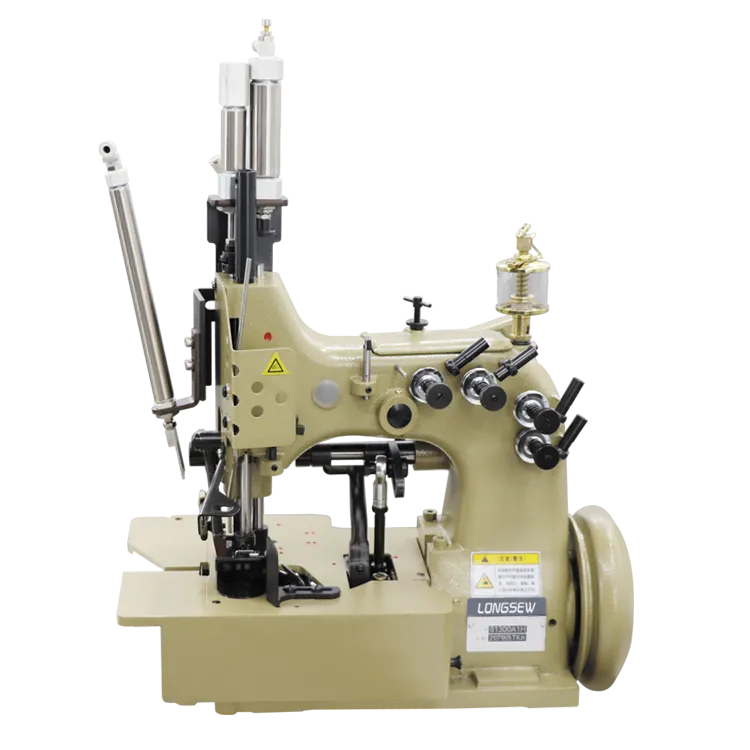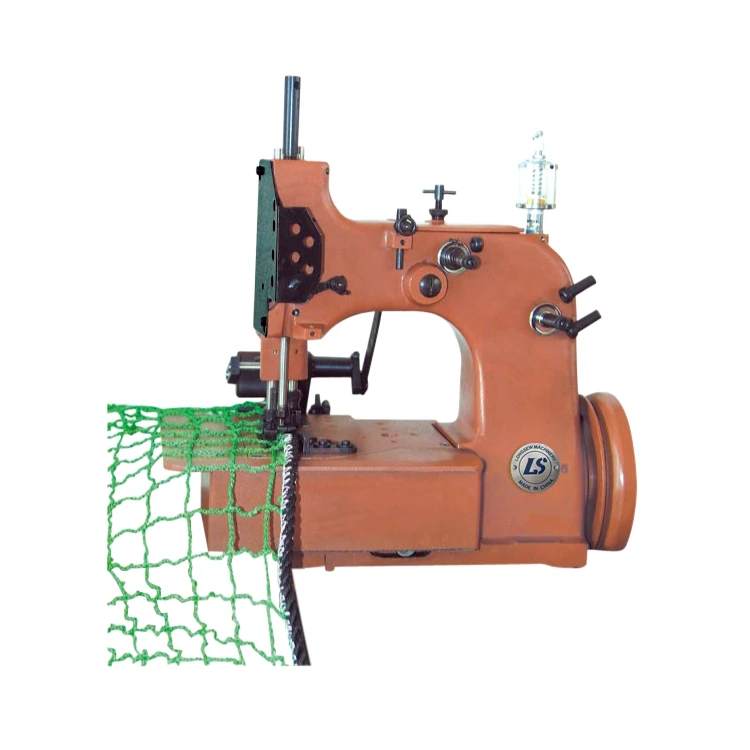
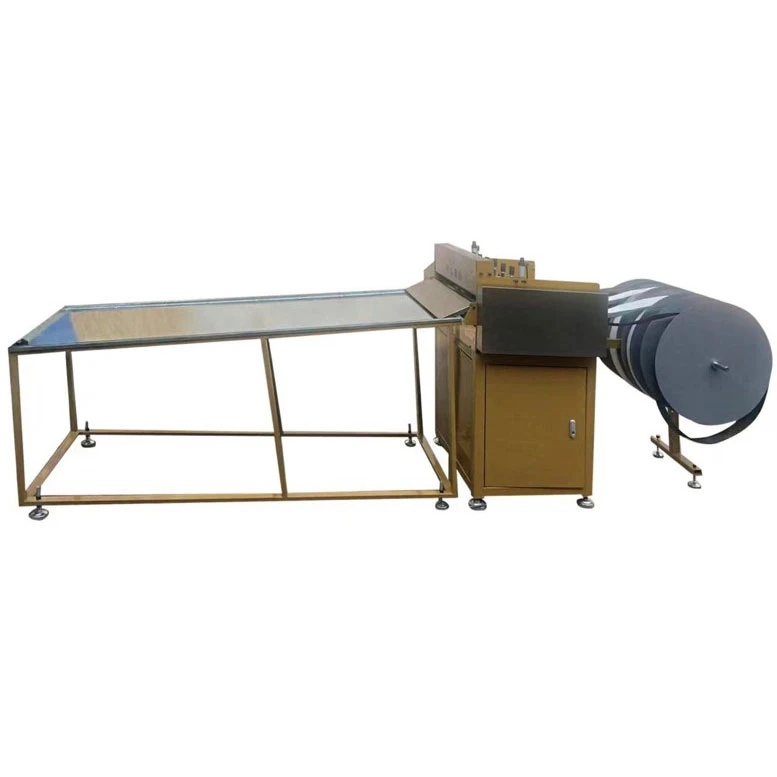
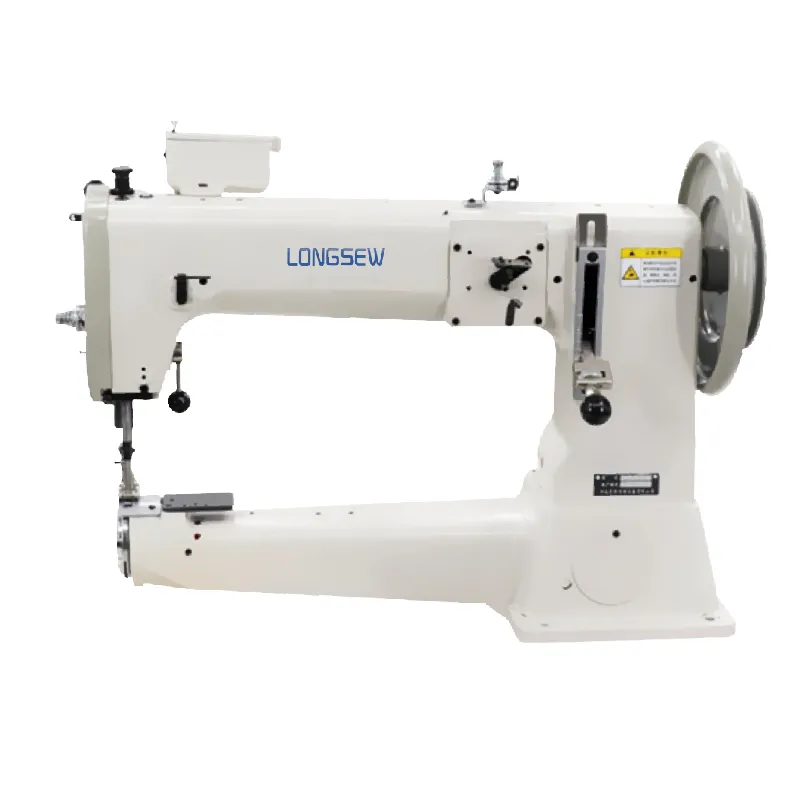
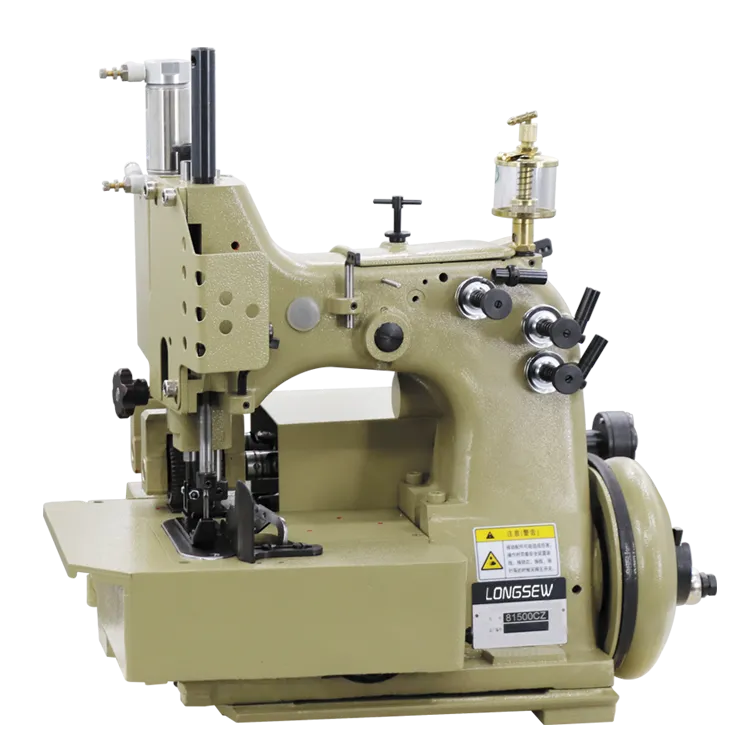
Industrial jumbo bag sewing machine Solutions for Afghanistan

High-performance stitching technology engineered for the rugged demands of Afghanistan's agricultural and mineral packaging sectors.

Packaging Machinery Landscape in Afghanistan

Analyzing the intersection of traditional bagging and modern industrial requirements.

In Afghanistan, the packaging industry is heavily driven by the export of minerals, dried fruits, and agricultural produce. Due to the dusty environment and fluctuating power stability in provinces like Herat and Kandahar, the demand for a durable fibc sewing machine has surged to replace outdated manual stitching methods.

Current operations often struggle with the inconsistency of bag strength, especially for bulk shipments. The adoption of a professional big bag sewing machine allows local manufacturers to meet international shipping standards, reducing product loss during transit through challenging mountainous terrains.

Furthermore, the prevalence of jute and woven polypropylene in the local market creates a specific need for versatile equipment. The integration of a 50 kg jute bag making machine is becoming essential for SMEs looking to scale their production of food-grade packaging for regional trade.
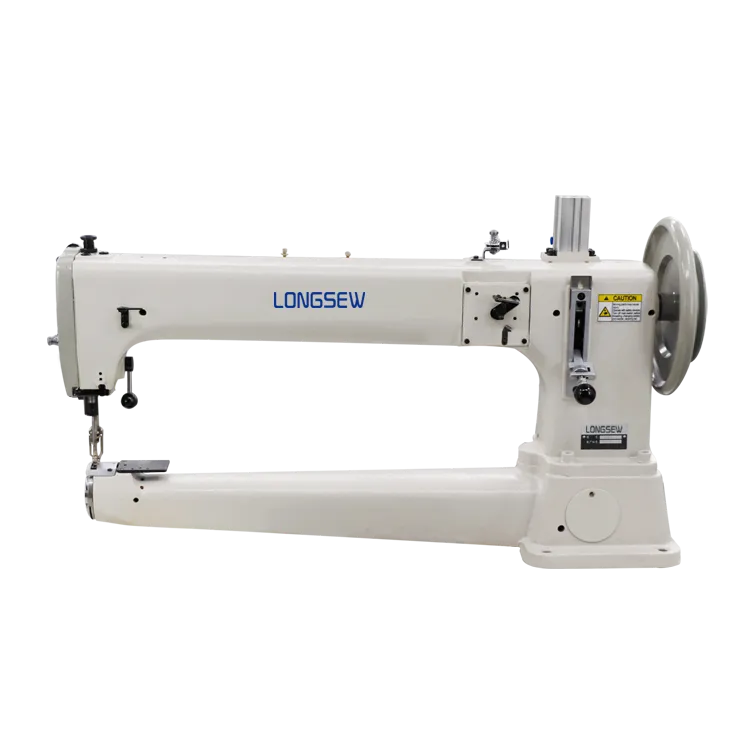
Technical Evolution of Stitching Systems

From manual craftsmanship to automated industrial precision.

Market Development History

Prior to 2010, most bagging in Afghanistan relied on basic hand-held closing machines with limited penetration power, which often failed when processing thick woven materials.

Between 2010 and 2020, the market transitioned toward semi-automated systems. The introduction of the jumbo bag stitching machine allowed for the creation of larger 1-ton containers, supporting the mining boom in the region.

From 2021 onwards, there has been a shift toward specialized, high-torque machinery that can handle varying fabric densities without needle breakage, focusing on E-E-A-T principles of durability and reliability.

Future Development Trends

Automated Tension Control

Future systems will integrate smart tensioning to handle different GSM fabrics automatically, reducing waste in the production of FIBCs.

Energy-Efficient Servo Motors

To combat power instability in Afghanistan, the trend is moving toward energy-saving servo motors that maintain constant torque during voltage drops.

Modular Maintenance Design

Equipment is evolving toward modularity, allowing local operators to replace wear parts quickly without needing specialized overseas technicians.

Industry Trends and Strategic Outlook

Projecting the trajectory of textile machinery for the Afghan market.

Heavy-Duty Reinforcement
Increased demand for reinforced stitching patterns to prevent rupture in bulk mineral transport.
Diversified Material Handling
Transitioning from simple polypropylene to hybrid jute-plastic blends for better sustainability.
Digital Process Monitoring
Implementation of stitch-count sensors to ensure QC standards for export-grade bags.
Eco-Friendly Fibers
Increased capacity for biodegradable jute bag production as per global green mandates.

Industry Outlook

The Afghan textile machinery market is projected to grow as the country seeks to diversify its exports. The demand for high-capacity stitching solutions will move from simple closures to fully integrated bag-making lines.

Google search trends indicate a rising interest in "industrial bagging automation," suggesting that local businesses are ready to move beyond the basics toward high-efficiency, low-maintenance industrial systems.

Localized Application Scenarios in Afghanistan

Real-world implementations of specialized sewing technology across diverse sectors.

1. Mineral and Coal Export Hubs

Using a jumbo bag stitching machine to secure 1,000kg bags of raw minerals for transit to regional ports, ensuring zero leakage under heavy stress.

2. Agricultural Produce Packing

Utilizing the 50 kg jute bag making machine for packaging Afghan saffron and dried fruits, balancing traditional material use with industrial speed.

3. Industrial Chemical Storage

Deploying a specialized fibc sewing machine for chemical-resistant liners, critical for the emerging local fertilizer production plants.

4. Construction Debris Management

Implementation of a big bag sewing machine to create heavy-duty debris bags for urban reconstruction projects in Kabul.

5. Grain and Flour Milling

Applying high-speed stitching for 50kg grain sacks to support local food security and internal distribution networks across provinces.

Brand Story

Global Development Journey of Hebei Longsew Machinery Technology Co., Ltd.

Founding Excellence

Established with a vision to solve the pain points of heavy-duty sewing, focusing on industrial durability and needle precision.

Technological Breakthrough

Developed advanced gear systems that allow machines to penetrate multiple layers of thick polypropylene without slowing down.

Global Expansion

Expanded into Central Asia and Africa, adapting machinery to survive extreme climates and unstable power grids.

Quality Certification

Achieved international standards for safety and efficiency, becoming a trusted partner for FIBC manufacturers worldwide.

The Future Vision

Committed to sustainable manufacturing by creating machines that support eco-friendly, biodegradable packaging materials.

Afghanistan Industry FAQs

Expert answers to common technical queries regarding bag sewing machinery.

How to maintain a jumbo bag sewing machine in dusty environments?

Regular lubrication of moving parts and using air compressors to clear dust from the bobbin area every 4 hours of operation is recommended for Afghan factories.

Can a 50 kg jute bag making machine handle mixed synthetic fabrics?

Yes, our machines feature adjustable feed dogs and pressure feet, making them compatible with both pure jute and jute-poly blends.

What is the best needle size for a fibc sewing machine for mineral bags?

For heavy-duty FIBCs (1-2 tons), we recommend using a size 21 or 22 needle to ensure penetration without bending under high tension.

Does a big bag sewing machine require a stabilized power supply?

While our machines are robust, we strongly recommend using a voltage stabilizer in regions with frequent power fluctuations to protect the motor circuitry.

How do I increase the stitching speed of my jumbo bag stitching machine?

Speed can be optimized by adjusting the servo motor parameters and ensuring the thread lubricant is applied correctly to reduce friction.

What is the difference between a closing machine and a FIBC sewing machine?

A closing machine is for the top seal, whereas an FIBC sewing machine is designed for structural seams that must bear the entire weight of the bag.

Ready to Upgrade Your Packaging Line?

Get expert consultation and customized machinery solutions tailored for the specific industrial needs of Afghanistan.

Contact Us Now

If you are interested in our products, you can choose to leave your information here, and we will be in touch with you shortly.