
0%
In the demanding world of industrial textile manufacturing, the double needle chain stitch machine stands as a cornerstone of structural integrity and efficiency. Designed to provide exceptionally strong, flexible seams, this equipment is indispensable for producing heavy-duty goods where a single line of stitching simply isn't enough to withstand operational tension.
Across global markets, the transition toward automated and heavy-duty sewing solutions has highlighted the necessity of precision engineering. The versatility of the double needle chain stitch machine allows manufacturers to scale their production of automotive upholstery, leather goods, and industrial bags without compromising the longevity of the final product.
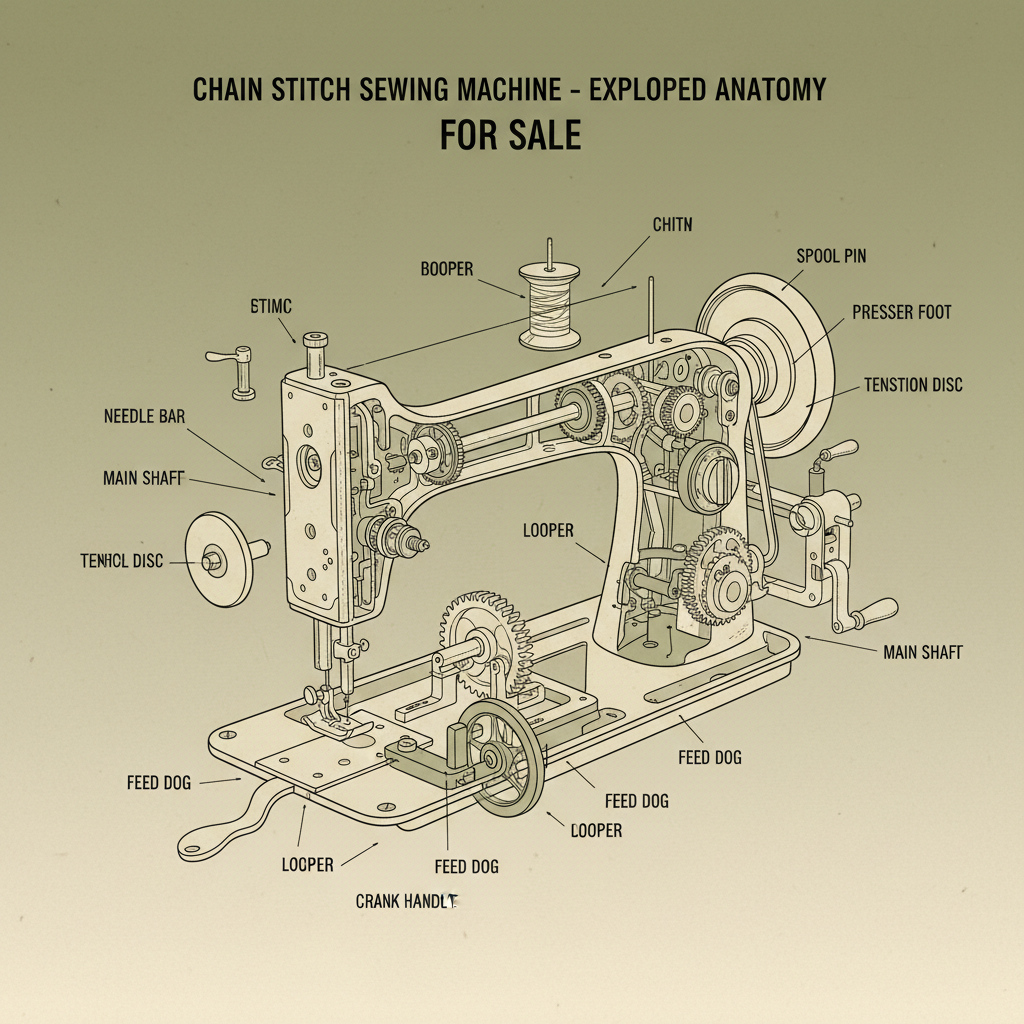
Understanding the technical nuances of these machines—from their looper mechanisms to their needle synchronization—is key for any business aiming to optimize its output. By integrating these systems, factories can reduce rework, minimize material waste, and meet the rigorous ISO standards required for international export and safety compliance.
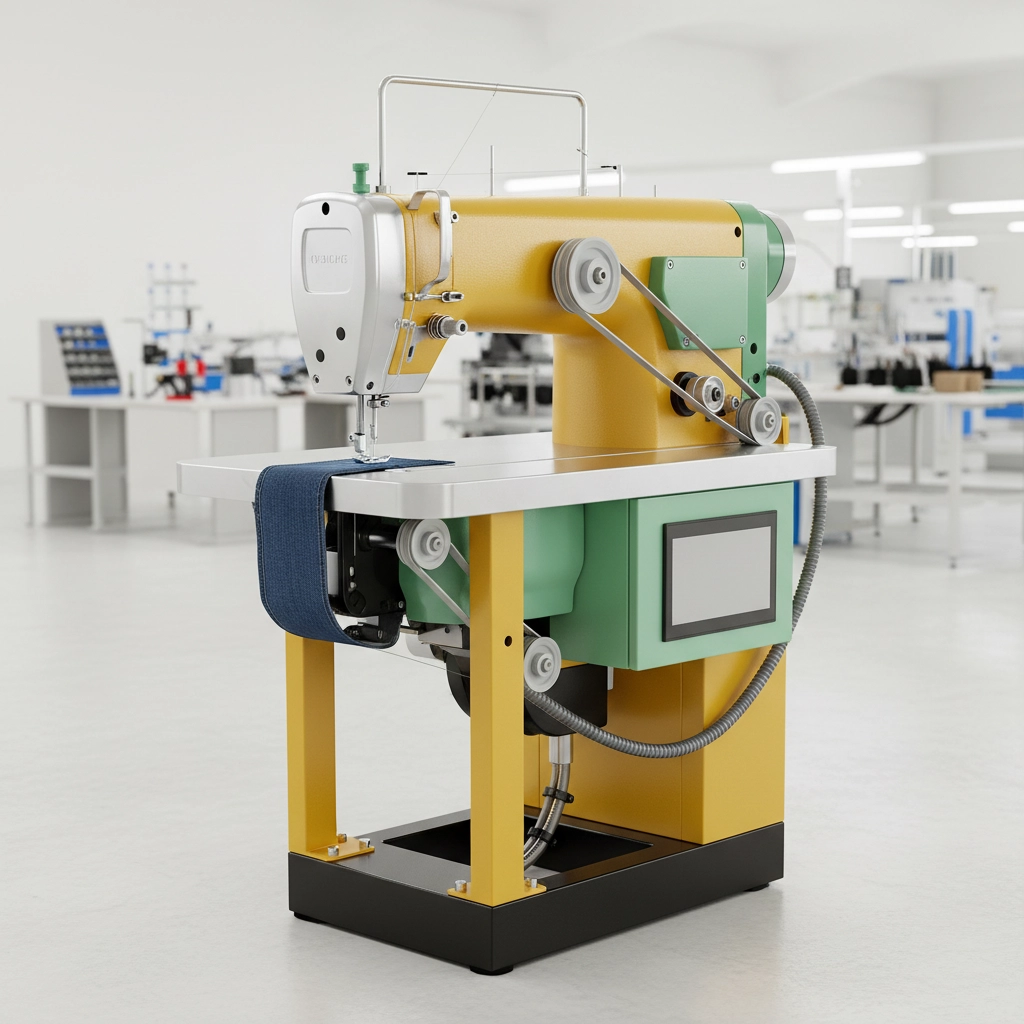
Table of Contents [Hide]
Global Industrial Context of Double Needle Chain Stitch Machines

The global demand for reinforced stitching has seen a significant surge as the logistics and automotive sectors expand. According to industry trends aligned with ISO quality standards, the reliance on the double needle chain stitch machine has increased because it provides a critical safety margin in high-stress seams, preventing catastrophic failures in cargo nets and heavy upholstery.
In emerging industrial hubs across Southeast Asia and Latin America, the challenge remains balancing high-speed production with stitch precision. Many factories struggle with seam puckering or thread breakage when using substandard equipment, making the investment in a professional-grade double needle chain stitch system a strategic necessity for those competing in the global export market.
FAQS
What is the difference between a lockstitch and a double needle chain stitch machine?
The primary difference is the stitch structure. A lockstitch uses a bobbin to lock the thread in place, which is secure but rigid. A double needle chain stitch machine creates an interlocking loop of thread without a bobbin, providing significantly more elasticity and strength for heavy-duty materials, meaning the seam can stretch without breaking.
Can a double needle chain stitch machine handle very thick leather?
Yes, provided the machine is equipped with a walking foot mechanism and the correct heavy-duty needles. These machines are specifically designed to penetrate multiple layers of dense material while maintaining synchronized stitch lengths, making them ideal for automotive and saddlery applications.
How do I prevent skipped stitches on my chain stitch machine?
Skipped stitches are usually caused by incorrect timing between the needle and the looper or using a blunt needle. We recommend checking the needle alignment first, ensuring the thread tension is correctly balanced for your material thickness, and performing regular lubrication of the looper assembly.
Is the double needle chain stitch more durable than a single needle?
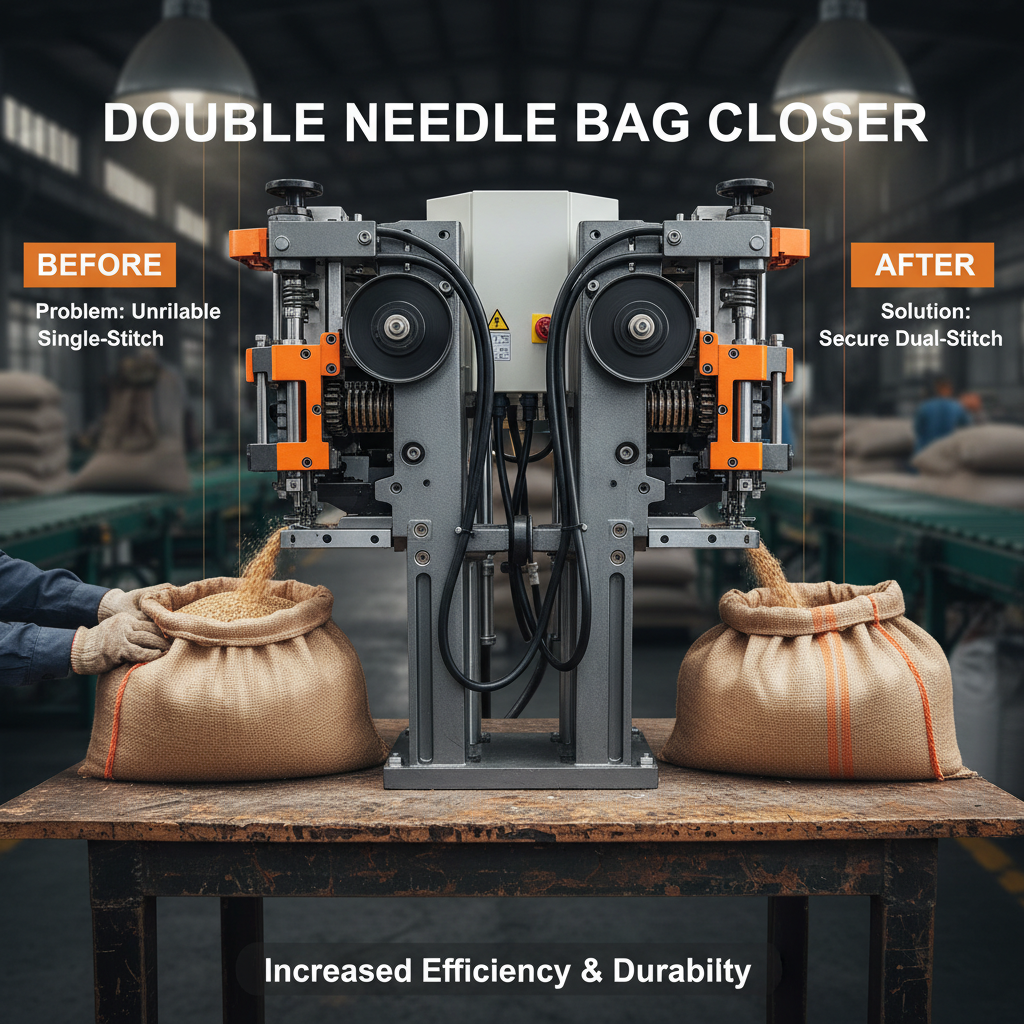
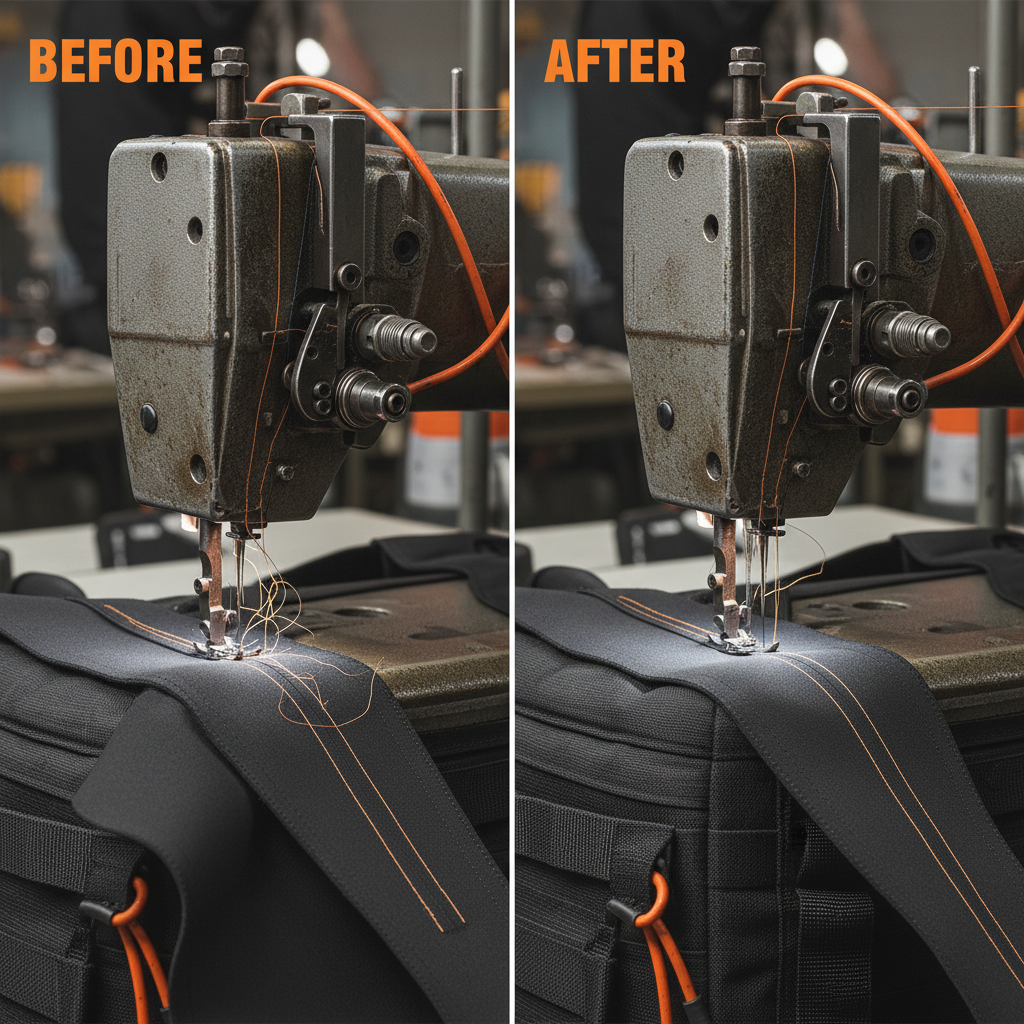
In terms of seam strength, yes. Because it creates two parallel lines of reinforced chain stitching, the load is distributed across two seams. If one thread were to fail, the second line acts as a critical backup, which is why this machine is mandated for safety-critical industrial lifting bags.
Do these machines require special training for operators?
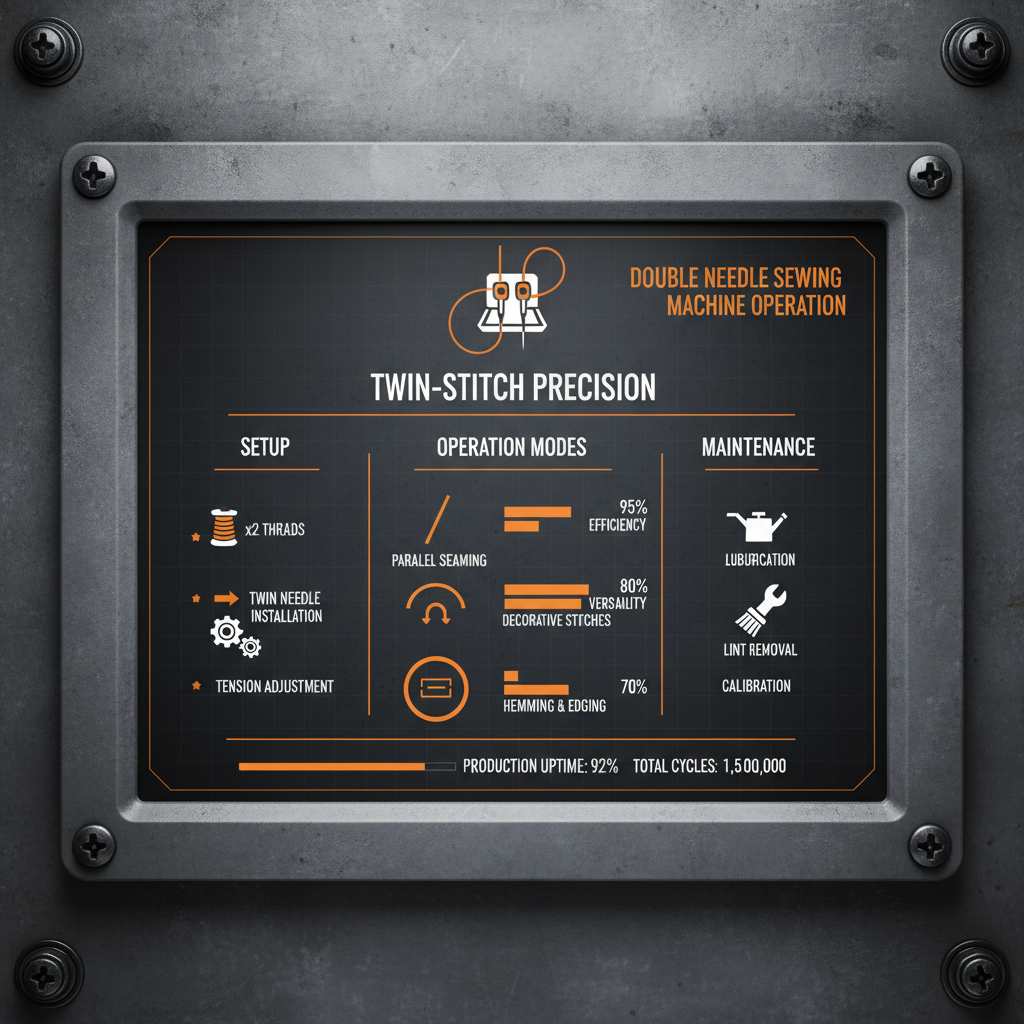
While basic operation is intuitive, mastering the tension settings and timing adjustments for different fabric weights requires technical training. Semi-automated and computerized models reduce this learning curve by allowing operators to select presets for specific materials.
How often should the looper be serviced?
For high-volume industrial environments, we recommend a daily lubrication check and a comprehensive professional timing audit every 3 to 6 months. This prevents premature wear on the looper tips, ensuring consistent stitch quality and reducing downtime.
Conclusion
The double needle chain stitch machine is more than just a piece of equipment; it is a vital investment in product safety and manufacturing longevity. By combining structural elasticity with unmatched seam strength, it enables the production of high-performance textiles that meet the rigorous demands of the automotive, logistics, and industrial sectors.
As the industry moves toward greater automation and sustainable practices, integrating smart stitching technology will be the key to maintaining a competitive edge. We encourage manufacturers to prioritize precision-engineered machinery to ensure their products stand the test of time and pressure. Visit our website for more professional solutions: www.longsew.com
Related Posts
Updated:

Michael Thompson
Michael Thompson is the Regional Sales Representative for the Eastern US, representing LongSew Machinery Technology. He has a robust understanding of the packaging and industrial sewing industries. Michael specializes in connecting with companies utilizing FIBC bags and other large-scale industrial sewing applications. He is focused on demonstrating the value of