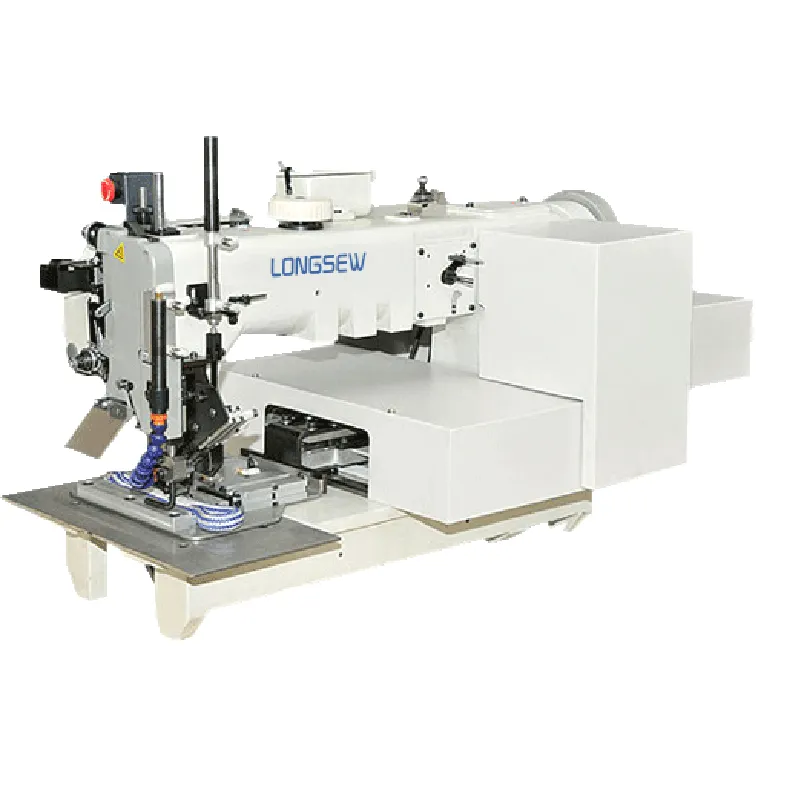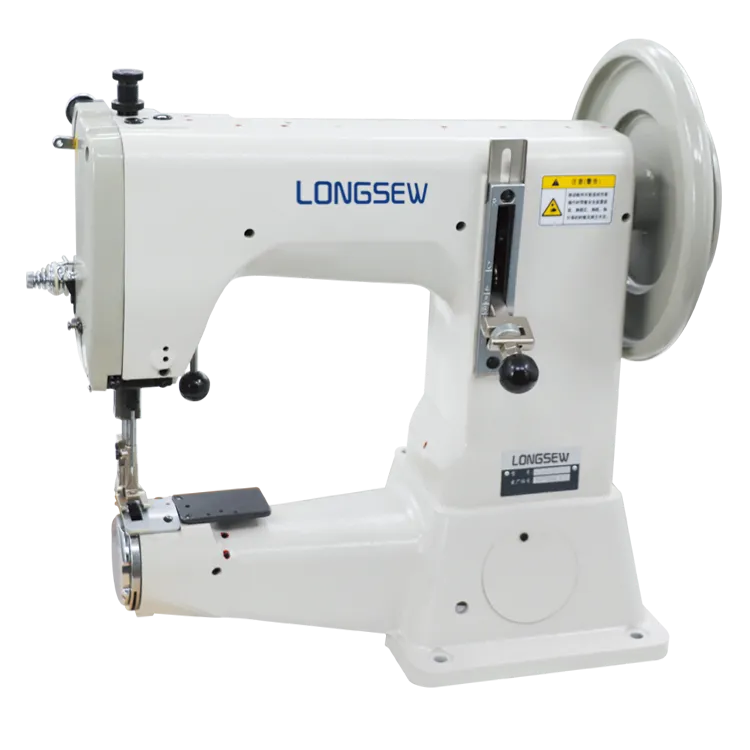
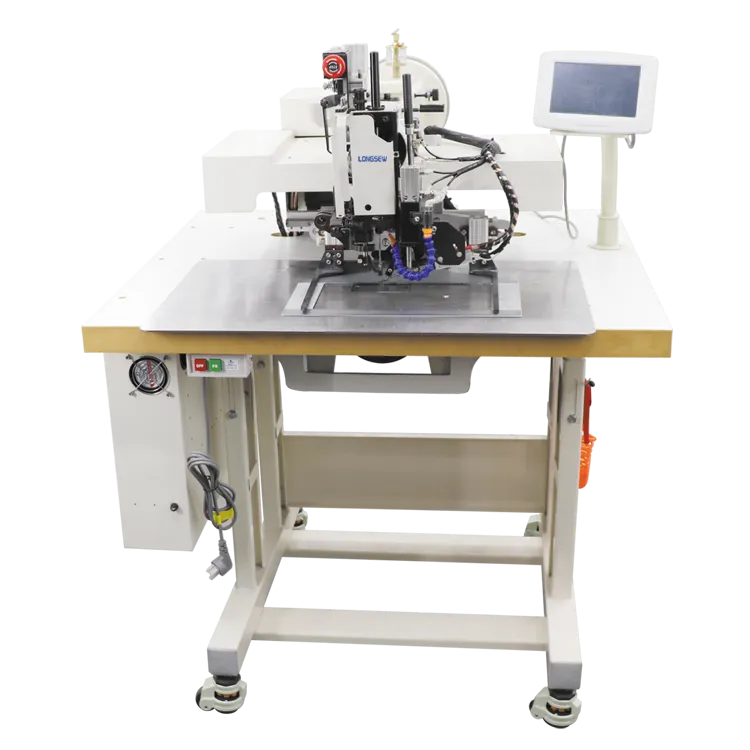
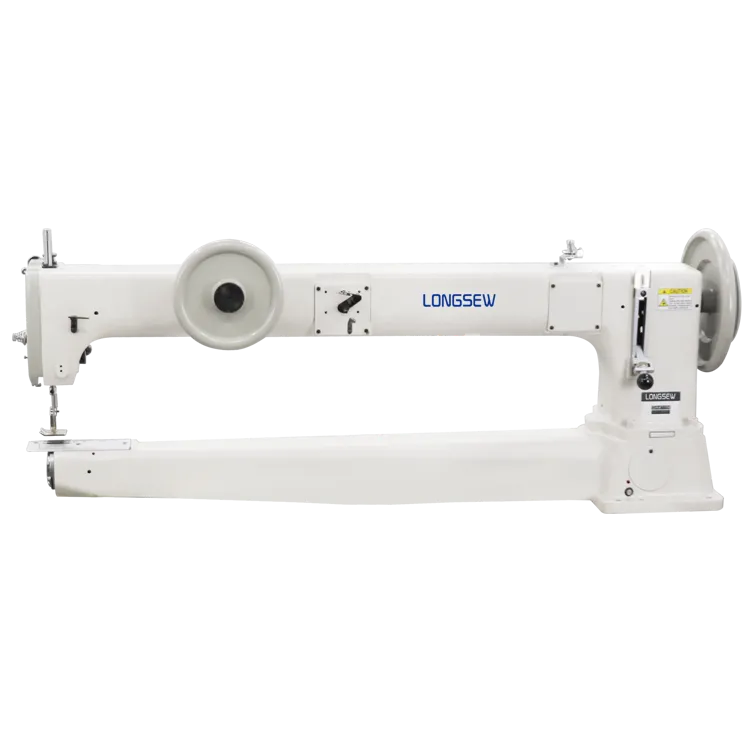
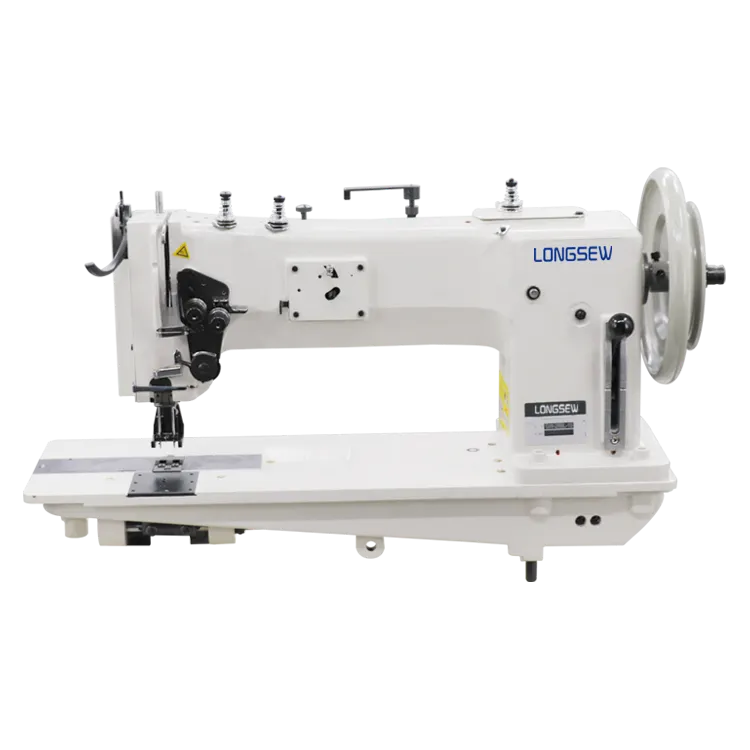
High-Performance jumbo bag sewing machine Solutions for Uzbekistan

Industrial-grade stitching technology optimized for the Central Asian textile and packaging market, ensuring maximum durability for heavy-duty industrial bags.

Current State of Industrial Bag Manufacturing in Uzbekistan

Analyzing the synergy between Uzbekistan's agricultural exports and the demand for heavy-duty packaging.

Uzbekistan's economy is heavily driven by agricultural and mineral exports, creating a massive demand for robust packaging. The local industry relies heavily on the fibc sewing machine to produce Flexible Intermediate Bulk Containers that can withstand the harsh transit conditions of Central Asia.

Due to the extreme continental climate—characterized by scorching summers and freezing winters—materials used in bags must be resilient. This environmental stress puts significant pressure on the stitching quality, making a high-precision jumbo bag stitching machine an essential asset for local factories to prevent leakage and rupture during transport.

Currently, there is a transition from small-scale artisanal workshops to automated industrial hubs. The integration of a big bag sewing machine has allowed Uzbek manufacturers to scale their operations to meet the growing export requirements of the region's cotton and chemical industries.

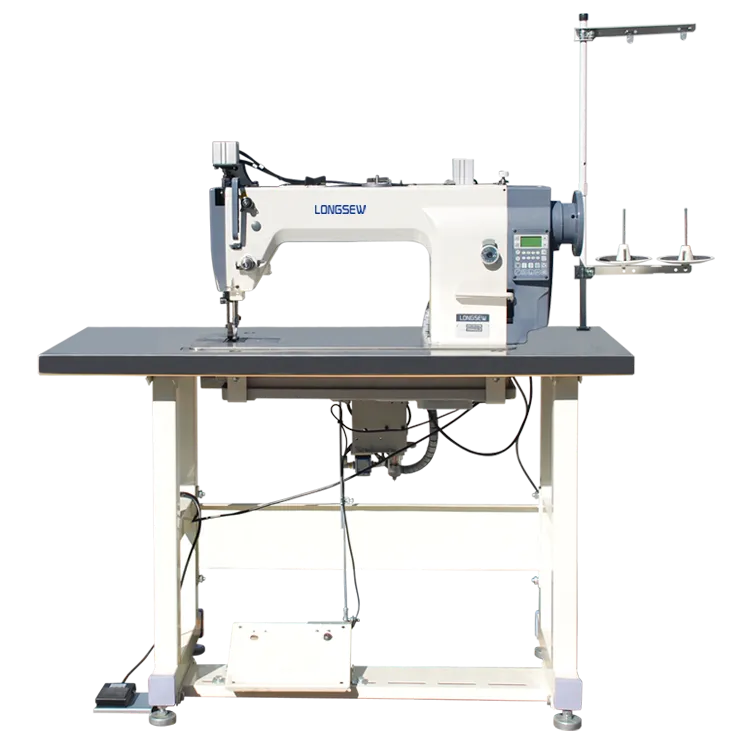
Evolution and Trajectory of Bag Stitching Technology

From manual labor to automated high-speed precision sewing in the Uzbek textile sector.

Market Development History

In the early 2000s, the Uzbek market predominantly used basic manual sewing tools for small bags. The introduction of the first 50 kg jute bag making machine marked the first shift toward standardized packaging for grains and legumes, replacing traditional hand-tied methods.

Between 2010 and 2020, the rise of the petrochemical and mining sectors necessitated larger containers. This led to the adoption of heavy-duty industrial machines capable of handling thick polypropylene fabrics, shifting the focus toward specialized jumbo bag sewing machine technology.

Since 2021, the focus has shifted toward "Smart Manufacturing." Local factories are now implementing automated feed systems and synchronized stitching to reduce human error and increase the lifespan of the equipment under 24/7 operational cycles.

Future Development Trends

Digitalized Tension Control

The next 3 years will see the implementation of sensors that automatically adjust thread tension based on fabric thickness, reducing waste in FIBC production.

Eco-friendly Material Adaptation

As global standards shift, machines are being redesigned to handle biodegradable polymers and reinforced natural fibers without compromising stitch integrity.

Energy-Efficient Servo Motors

Replacing traditional clutch motors with high-torque servo systems to reduce electricity costs in Uzbekistan's expanding industrial zones.

Industry Trends and Future Outlook

Predicting the technological shift in Uzbekistan's industrial sewing landscape.

Automation Integration
Integration of PLC controls to automate the repetitive stitching patterns required for high-volume FIBC production.
High-Strength Threading
Development of specialized needle-eye systems to handle ultra-thick UV-stabilized threads used in big bags.
Modular Maintenance
Transitioning to modular parts that allow Uzbek operators to replace wear-components without total machine downtime.
AI Quality Inspection
Using vision sensors to detect skipped stitches in real-time, ensuring 100% safety for heavy-load containers.

Industry Outlook

Based on Google Search trends for industrial machinery in Uzbekistan, there is a marked increase in queries for "automated packaging solutions." This suggests that the market is moving away from semi-manual processes toward fully integrated production lines.

The future of the industry lies in the balance between heavy-duty capacity and energy efficiency. As Uzbekistan strengthens its trade ties with Europe and Asia, the demand for bags meeting international ISO safety standards will drive the adoption of more precise stitching technology.

Localized Application Scenarios in Uzbekistan

Real-world implementation of specialized sewing equipment across various Uzbek sectors.

1. Cotton Export Packaging

Utilizing the fibc sewing machine to create reinforced bulk bags for the massive seasonal cotton harvests, ensuring secure transport to global textile mills.

2. Mining & Mineral Transport

Implementing heavy-duty jumbo bag stitching machine systems for transporting gold, uranium, and copper ores from mining sites in the Navoi region.

3. Agricultural Grain Sacking

Deploying the 50 kg jute bag making machine for the efficient packaging of wheat and pulses for domestic consumption and regional trade.

4. Chemical Fertilizer Production

Using a specialized big bag sewing machine to manufacture leak-proof containers for the nitrogen and phosphate fertilizer plants in Fergana Valley.

5. Construction Material Bulk Bags

Producing high-capacity rubble and sand bags for Uzbekistan's booming infrastructure projects using automated jumbo bag sewing machine technology.

Brand Story

Global Development Journey of Hebei Longsew Machinery Technology Co., Ltd.

Foundational Innovation

Established with a mission to solve the instability of industrial seams, we focused on the core mechanics of heavy-duty fabric penetration.

Technical Breakthroughs

Developed the patented synchronized feeding system that eliminated fabric puckering in large-scale FIBC production.

Global Market Expansion

Extended our reach to Central Asia, tailoring our machines to meet the specific climatic and material needs of the Uzbek market.

Commitment to Quality

Implemented rigorous ISO-standard testing to ensure every machine can handle the most demanding industrial loads without failure.

Vision for the Future

Leading the transition toward green manufacturing and AI-integrated sewing technology for a sustainable global packaging industry.

Frequently Asked Questions in Uzbekistan

Expert answers to common technical queries regarding industrial bag sewing.

How to choose the right fibc sewing machine for polypropylene fabric?

For PP fabrics, you need a machine with a powerful motor and a specialized needle that can penetrate woven plastic without melting the fabric. Ensure the machine has adjustable stitch length for various bag sizes.

What is the maintenance cycle for a jumbo bag sewing machine in dusty environments?

In dusty regions like Uzbekistan's mining areas, we recommend daily cleaning of the bobbin area and weekly lubrication of the moving parts to prevent friction and wear.

Can a 50 kg jute bag making machine handle synthetic blends?

Yes, our machines are designed with versatile feed dogs that can handle both traditional jute and modern synthetic blends, provided the correct needle size is used.

How does a big bag sewing machine ensure seam safety for 2-ton loads?

By utilizing high-density chain stitching and reinforced thread tension, our machines create a continuous bond that distributes weight evenly across the seam, preventing bursts.

What are the advantages of a jumbo bag stitching machine over portable units?

Stationary industrial machines offer higher speed, better stability, and the ability to integrate with conveyor belts, significantly increasing hourly output compared to handheld units.

Where can I find spare parts for industrial sewing machines in Uzbekistan?

We provide a comprehensive spare parts kit with every machine and offer direct shipping of wear-parts to ensure your production line never stops.

Ready to Upgrade Your Production?

Our experts are ready to help you optimize your bag manufacturing facility in Uzbekistan with the world's leading stitching technology.

Contact Us Now

If you are interested in our products, you can choose to leave your information here, and we will be in touch with you shortly.