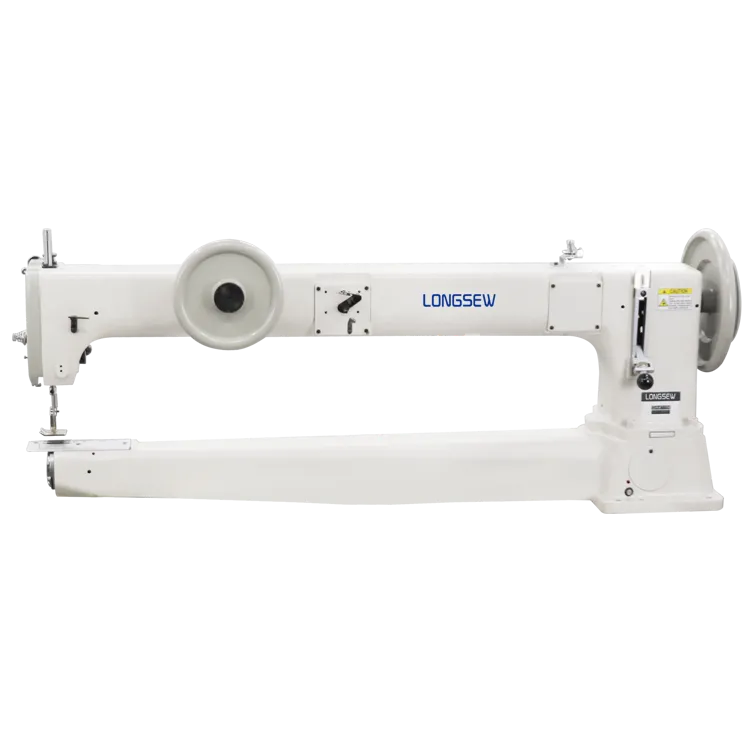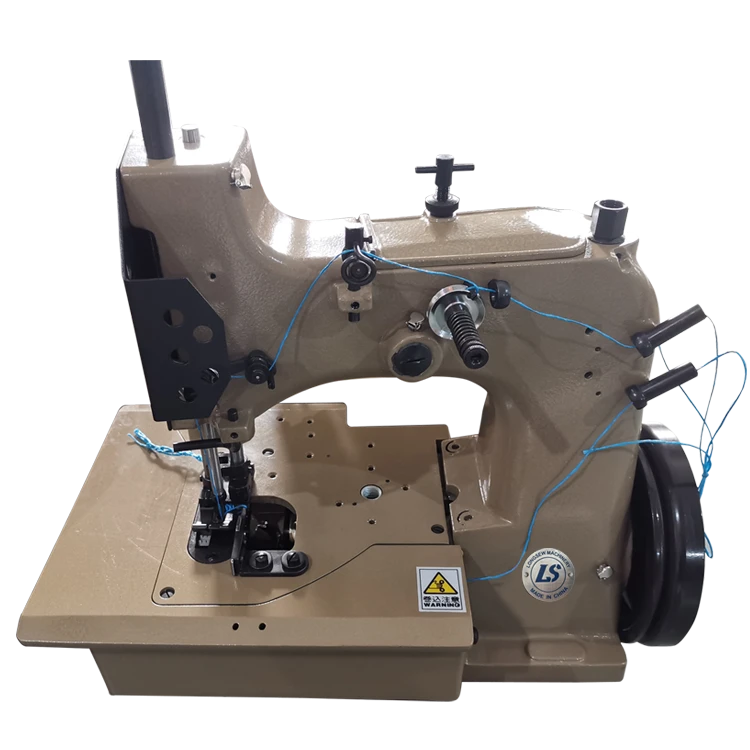
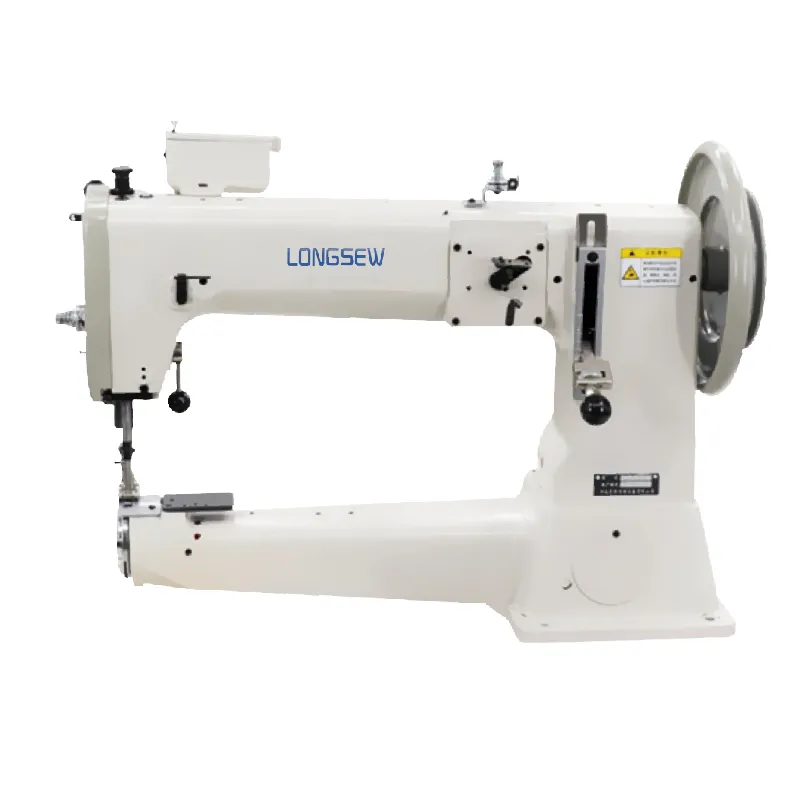
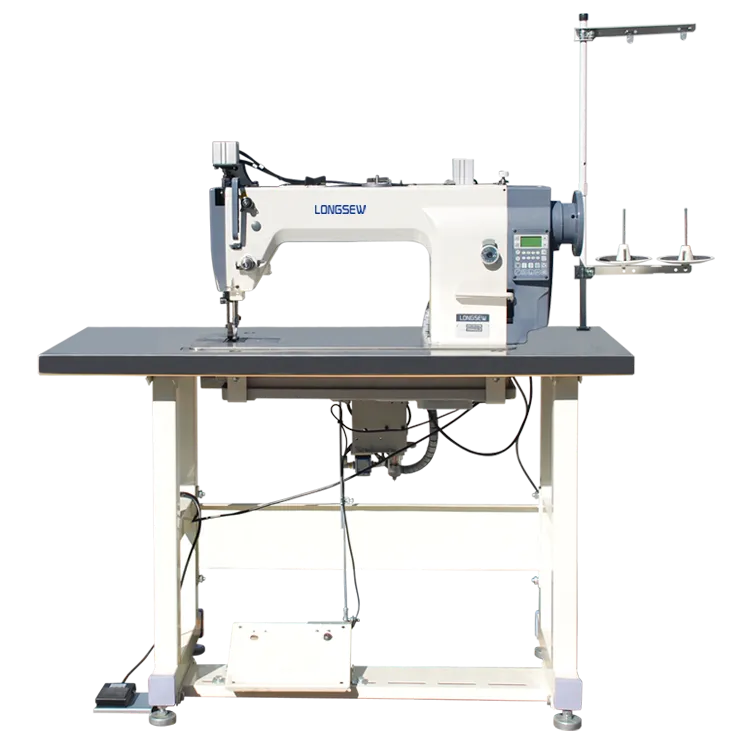
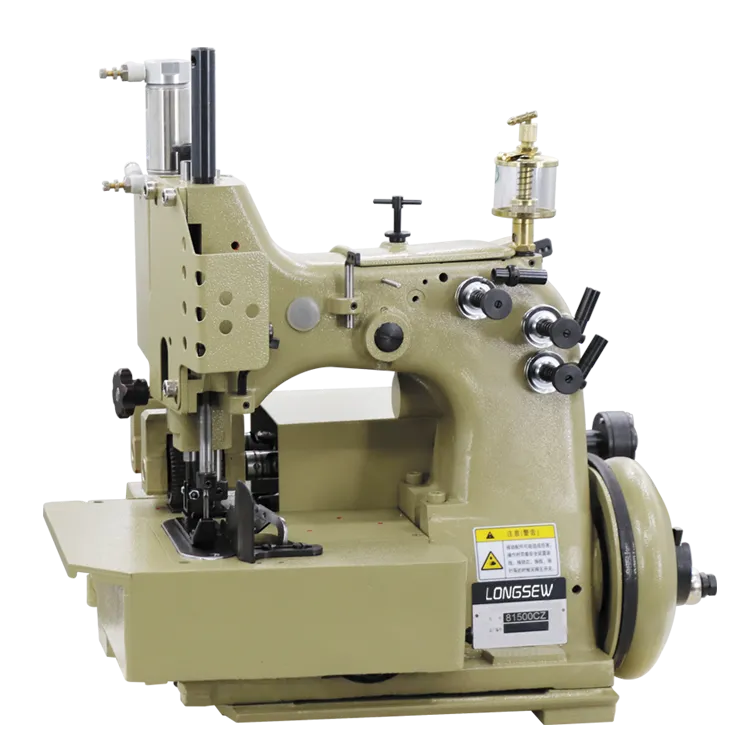
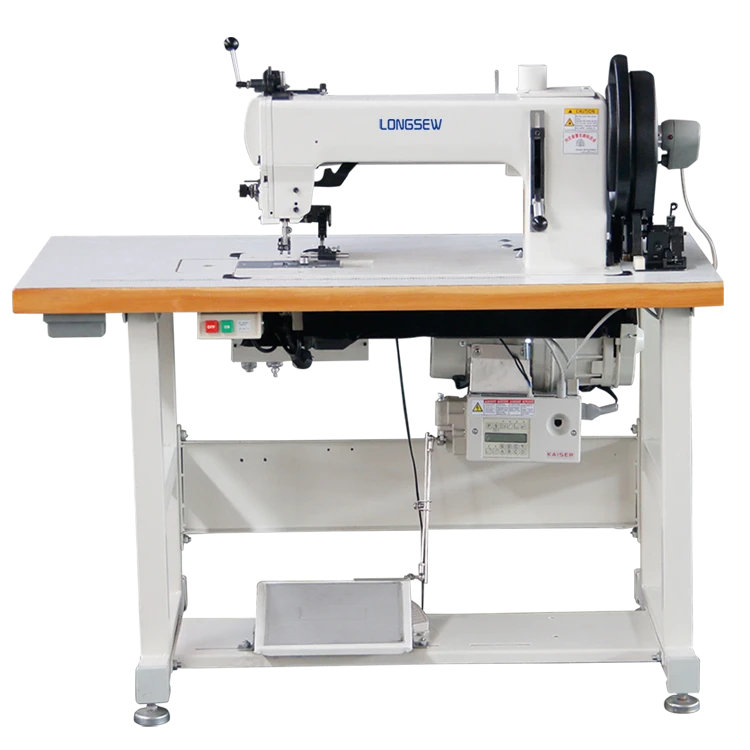
High-Efficiency jumbo bag sewing machine Solutions for Uganda's Industrial Growth

Empowering Ugandan manufacturers with precision stitching technology for heavy-duty packaging, from agricultural exports to industrial minerals.

Industrial Packaging Landscape in Uganda

Analyzing the demand for heavy-duty bag manufacturing in East Africa's growing economy.

Uganda's economy is heavily reliant on agriculture and mineral extraction, creating a massive demand for robust packaging. The use of a big bag sewing machine has become critical for transporting coffee, maize, and minerals across the region. However, many local workshops still struggle with humidity-induced machine wear and unstable power grids.

The shift toward industrialization in Kampala and Jinja has increased the need for a professional fibc sewing machine to meet international export standards. As Uganda positions itself as a logistics hub for East Africa, the precision and strength of seams in FIBCs are no longer optional but a requirement for global trade.

Currently, the market is transitioning from manual hand-stitching to semi-automated systems. The integration of a jumbo bag stitching machine allows local factories to scale their output, reducing the cost per unit while increasing the burst strength of the bags used in heavy-duty logistics.
Evolution of Bag Making Technology in Uganda

From traditional jute sacks to high-tenacity polypropylene bulk bags.

Market Development History

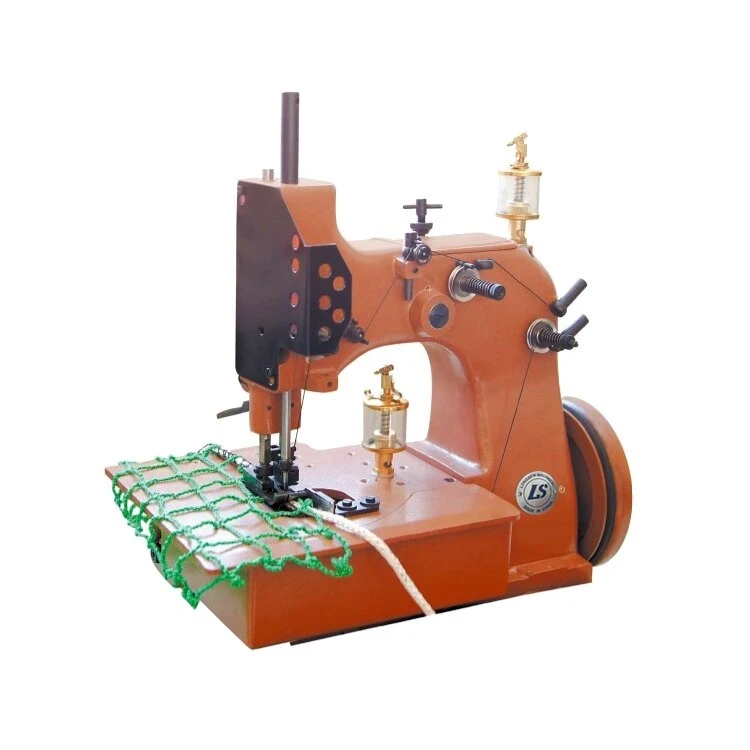
In the early 2000s, the Ugandan market relied primarily on traditional jute bags. The adoption of a 50 kg jute bag making machine was the standard for the coffee and grain sectors, focusing on simple closures and manual handling.

Between 2010 and 2020, there was a significant pivot toward synthetic materials. The introduction of specialized sewing equipment allowed for the production of larger, more durable containers, moving the industry toward the first generation of automated big bag production lines.

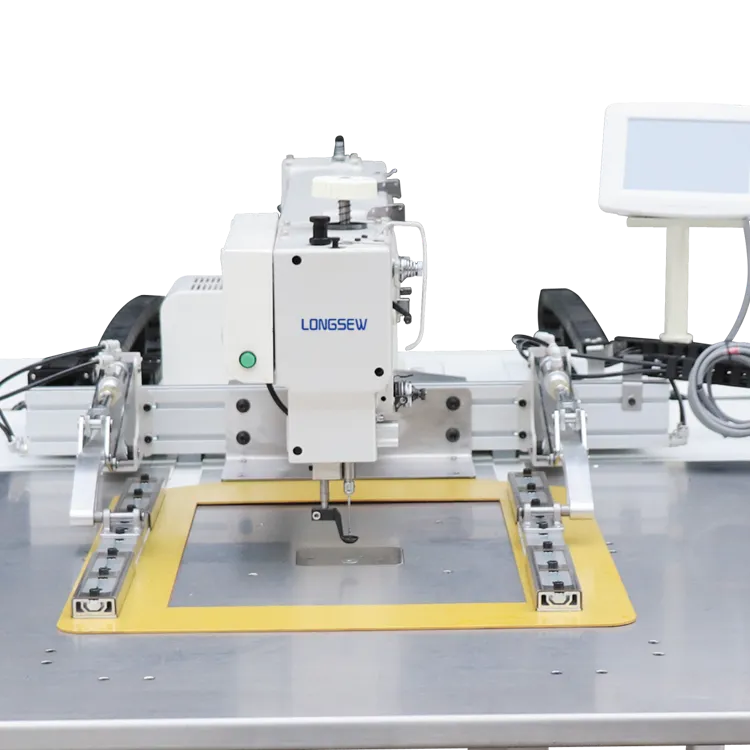
From 2021 to the present, the focus has shifted to "Industrial 4.0" light. Modern Ugandan factories are now implementing high-speed, precision-engineered machines that offer energy efficiency and reduced downtime, catering to the rigorous demands of the mining and chemical sectors.

Future Development Trends

Automated Tension Control

Future machinery will integrate smart sensors to automatically adjust stitch tension based on fabric thickness, reducing waste in FIBC production.

Energy-Efficient Servo Motors

Given the power fluctuations in some Ugandan industrial zones, the transition to high-efficiency servo-driven systems will minimize energy consumption and operational costs.

Biodegradable Material Compatibility

With global pressure for sustainability, machines will be optimized to handle eco-friendly, biodegradable polymers without compromising seam strength.

Future Outlook for Uganda's Textile Machinery

Strategic projections for the next 3-5 years in the specialized equipment sector.

Export Standardization
Alignment with EU and US packaging standards to boost Uganda's agricultural exports.
Modular Automation
Transition from standalone machines to interconnected sewing modules for higher throughput.
Material Diversification
Adapting equipment to handle new composite fabrics and reinforced liners.
Preventative Maintenance
Integration of IoT for remote diagnostics to reduce downtime in remote regions.

Industry Outlook

Google search trends for "industrial packaging machinery" in East Africa indicate a growing interest in semi-automated solutions. For Uganda, this translates to a shift away from basic manual tools toward specialized systems that can handle higher loads and faster cycles.

The convergence of increased foreign investment and the African Continental Free Trade Area (AfCFTA) will likely drive a 15-20% annual growth in the demand for high-capacity stitching equipment, focusing on durability and ease of maintenance.

Localized Applications in Uganda

Real-world use cases for specialized sewing equipment across Ugandan industries.

01. Coffee Export Packaging

Using high-strength stitching machines to secure 50kg-100kg bags, ensuring that Uganda's premium coffee reaches global markets without leakage or contamination.

02. Agricultural Seed Distribution

Implementation of 50 kg jute bag making machine lines for the local production of seed bags used in regional farming cooperatives.

03. Mining and Mineral Transport

Deploying heavy-duty FIBC equipment to create 1-2 ton bulk bags for the transport of industrial minerals from mining sites to the port of Mombasa.

04. Animal Feed Production

Scaling production of reinforced feed bags for the poultry and livestock sectors in the Central region, utilizing high-speed stitching for volume efficiency.

05. Construction Material Sacks

Manufacturing specialized bags for cement and gravel transport, requiring high burst strength and precision seams to withstand rough handling.

Brand Story

Global Development History of Hebei Longsew Machinery Technology Co., Ltd.

Technical Foundation

Established with a vision to solve the most challenging problems in industrial sewing, specializing in high-tensile fabric joining.

Global Expansion

Expanding our reach into the African market, adapting our machinery to withstand diverse climates and power conditions.

Innovation Leap

Developing the first generation of smart-tension sewing systems specifically for the FIBC industry.

Client-Centric Design

Implementing a feedback loop with East African manufacturers to create more intuitive, durable control panels.

Sustainable Future

Committing to energy-efficient motor technology to help global clients reduce their carbon footprint in textile manufacturing.

Frequently Asked Questions in Uganda

Expert answers to the most common technical and commercial queries.

How do I choose the right fibc sewing machine for heavy-duty minerals?

For mineral transport, you need a machine with high-torque motors and reinforced needle bars to handle thick polypropylene fabric without skipping stitches.

Can a jumbo bag sewing machine handle varying fabric thicknesses?

Yes, our modern machines feature adjustable presser feet and tension settings to ensure consistent seam quality across different fabric weights.

What is the maintenance cycle for a big bag sewing machine in humid climates?

In humid regions like Uganda, we recommend weekly lubrication and daily cleaning of the bobbin area to prevent rust and lint buildup.

Is the 50 kg jute bag making machine compatible with synthetic blends?

Absolutely. Our jute bag machines are designed with versatile feeding mechanisms that can handle both natural jute and synthetic blends.

What power requirements are needed for a jumbo bag stitching machine?

Most of our industrial units operate on standard 220V/380V power, but we recommend using a voltage stabilizer for consistent performance in Uganda.

How do I improve the seam strength of my FIBC bags?

The key is utilizing a high-quality chain-stitch pattern and ensuring the needle size is perfectly matched to the thread denier and fabric GSM.

Get Your Custom Packaging Solution Today

Our technical experts are ready to help you optimize your production line in Uganda with the latest in textile machinery.

Contact Us Now

If you are interested in our products, you can choose to leave your information here, and we will be in touch with you shortly.