

Sep . 10, 2025 09:00
Back to list
Precision Lock Stitch Sewing Machines: High Speed & Durable
Industrial Lock Stitch Sewing Machines: Driving Precision and Durability in Heavy-Duty Manufacturing
In the demanding landscape of industrial textile manufacturing, the lock stitch sewing machine stands as a cornerstone of reliability and precision. This foundational technology, characterized by its robust and interlocking stitch formation, is indispensable for applications requiring high seam strength and integrity. From heavy-duty materials like canvas and leather to multi-layered technical textiles, the industrial lock stitch machine provides unparalleled performance, ensuring product longevity and structural stability. Its ability to create a secure, two-thread stitch that resists unraveling is critical in sectors where material failure can have significant consequences.
Current Industry Trends and Technological Advancements
- Automation and Digital Integration: Modern industrial sewing machines are increasingly incorporating advanced automation, including programmable stitch patterns, automatic thread trimming, and computerized control systems. This enhances operational efficiency, reduces manual intervention, and ensures consistent quality.
- Specialization for Heavy Materials: There's a growing demand for specialized machines capable of handling extreme material thicknesses and densities, such as those used in manufacturing FIBC (Flexible Intermediate Bulk Container) bags. These machines feature enhanced feeding mechanisms like top and bottom feeding, larger hook sizes, and powerful servo motors.
- Ergonomics and Operator Comfort: Design improvements are focusing on reducing operator fatigue, with features like adjustable work tables, integrated lighting, and lower noise levels, contributing to a safer and more productive work environment.
- Sustainability and Energy Efficiency: The adoption of direct-drive servo motors significantly reduces power consumption compared to traditional clutch motors, aligning with global sustainability initiatives and lowering operational costs for manufacturers.
These trends collectively push the boundaries of what industrial sewing machines can achieve, enabling manufacturers to meet increasingly stringent quality standards and production demands. The focus remains on robust construction, precision engineering, and adaptability to diverse material requirements, ensuring that the industrial lock stitch sewing machine remains at the forefront of textile innovation.
Technical Specifications: GSC367 Series for FIBC Bag Production
The GSC367 series of industrial sewing machines, specifically designed for FIBC (Jumbo) bag production, exemplifies the pinnacle of specialized lock stitch sewing machine technology. These machines, including models GSC367, GSC367TD, GSC367TDZ, and GSC367-L, are engineered for high-volume, heavy-duty applications where material integrity and stitch consistency are paramount. Their robust construction and advanced feeding mechanisms ensure precise stitching on multi-layered, thick fabrics commonly used in bulk bag manufacturing.
Product Overview: FIBC Bag Single Needle Lock Stitch Top & Bottom Feeding Sewing Machine GSC367 Series
Designed for the challenging task of sewing FIBC bags, these machines feature a powerful top and bottom feeding system that effectively handles dense and bulky materials without slippage. This ensures uniform stitch length and prevents material puckering, which is critical for the structural integrity of bulk container111s. The GSC367TD and GSC367TDZ models, for instance, offer enhanced control and specialized features tailored for different bag components.
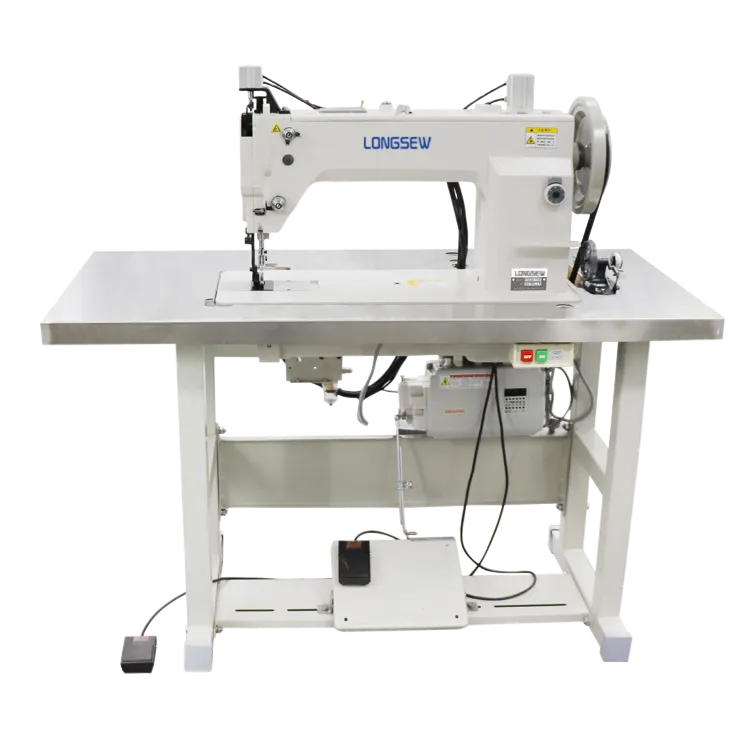
Figure 1: High-Speed Industrial Lock Stitch Sewing Machine for FIBC Production.
Key Technical Parameters (GSC367 Series)
| Parameter | Specification (Typical for GSC367) |
|---|---|
| Stitch Type | 301 Lock Stitch |
| Max. Sewing Speed | 2000-2500 Stitches/Minute (SPM) |
| Max. Stitch Length | 12-15 mm |
| Needle System | DPx17, DPx17#24-27 (or equivalent) |
| Presser Foot Lift | 15-20 mm (by hand), 8-10 mm (by knee) |
| Motor Type | Direct Drive Servo Motor (Energy Efficient) |
| Feeding Mechanism | Top & Bottom Feeding (Walking Foot) |
| Working Space | Typically 330mm arm length (GSC367-L for extended work space) |
| Lubrication System | Automatic oil lubrication |
These specifications highlight the advanced capabilities of the GSC367 series, enabling it to handle the multi-layered polypropylene fabrics and webbing straps of FIBC bags with exceptional ease and precision. The robust design and specialized feeding mechanism distinguish it from a standard domestic lockstitch sewing machine or even many general industrial models.
Manufacturing Process of a Lock Stitch Sewing Machine
The production of a high-performance industrial lock stitch sewing machine is a meticulous process, combining advanced metallurgy, precision engineering, and rigorous quality control. Each component is designed for durability, accuracy, and longevity, contributing to the machine's overall reliability and service life.
Schematic Steps in Manufacturing:
- Material Selection and Sourcing: High-grade materials are crucial. Frame components often utilize cast iron or precision-machined aluminum alloys for stability and weight distribution. Critical moving parts, such as the hook, needle bar, feed dog, and presser foot, are typically crafted from hardened steel alloys (e.g., tool steel, bearing steel) to withstand high wear and stress.
- Casting and Forging: For major structural components like the machine head and arm, casting provides the necessary rigidity and complex geometries. Forged steel is often used for high-stress parts, offering superior strength and fatigue resistance compared to cast alternatives. These processes are followed by annealing to relieve internal stresses.
- CNC Machining: Precision is paramount. Components undergo multi-axis CNC (Computer Numerical Control) machining to achieve extremely tight tolerances (often within micrometers). This ensures smooth operation, minimal friction, and accurate stitch formation. This stage also includes creating intricate features for thread tensioning, take-up levers, and bobbin mechanisms.
- Heat Treatment: Key moving parts, especially those subjected to continuous friction and impact, undergo various heat treatment processes like carburizing, nitriding, or induction hardening. This significantly increases surface hardness, wear resistance, and overall component lifespan.
- Surface Finishing and Coating: Components may receive anti-corrosion treatments, such as chrome plating or specialized paints, particularly for machines destined for environments with high humidity or chemical exposure. This enhances the machine's durability and maintains its aesthetic appeal.
- Assembly: Highly skilled technicians meticulously assemble thousands of individual parts. This includes installing the motor, electronic control systems, lubrication system, and precisely aligning all mechanical linkages. Special attention is paid to balancing rotating components to minimize vibration.
- Quality Control and Testing Standards: Every machine undergoes rigorous testing. This includes functional tests at various speeds, endurance tests, noise and vibration analysis, and stitch quality assessments on a range of materials. Adherence to international standards such as ISO 9001 for quality management and ANSI/ASME standards for mechanical components ensures consistent performance and safety. Typical service life for well-maintained industrial machines often exceeds 15-20 years, a testament to robust design and manufacturing.
The end result is a sophisticated piece of machinery capable of sustained, high-performance operation in demanding industrial environments. The manufacturing emphasis on precision and material science ensures that the lock stitch sewing machine delivers consistent, high-quality output throughout its extended operational lifespan.
Application Scenarios and Industry Impact
The versatility and strength of the industrial lock stitch sewing machine make it indispensable across a multitude of heavy-duty applications. Its ability to create a strong, secure stitch is particularly vital in industries where material integrity directly correlates with safety, compliance, and product longevity.
Key Application Areas:
-
FIBC/Jumbo Bag Manufacturing: This is a primary application for specialized machines like the GSC367 series. FIBCs are crucial for bulk material handling in various industries.
- Petrochemical: Transporting polymers, chemicals, and granules.
- Metallurgy: Handling metal powders, ores, and concentrates.
- Agriculture: Packaging grains, fertilizers, and feed.
- Construction: Moving sand, gravel, and cement.
- Food & Beverage: Bulk ingredients like sugar, flour, and coffee beans (with food-grade liners).
- Automotive Industry: Sewing heavy upholstery, car seats, airbags, and internal structural components.
- Furniture and Upholstery: Assembling durable furniture coverings and outdoor living fabrics.
- Leather Goods: Manufacturing footwear, bags, and leather accessories where stitch precision and strength are paramount.
- Technical Textiles: Producing tents, tarpaulins, parachutes, and protective gear.
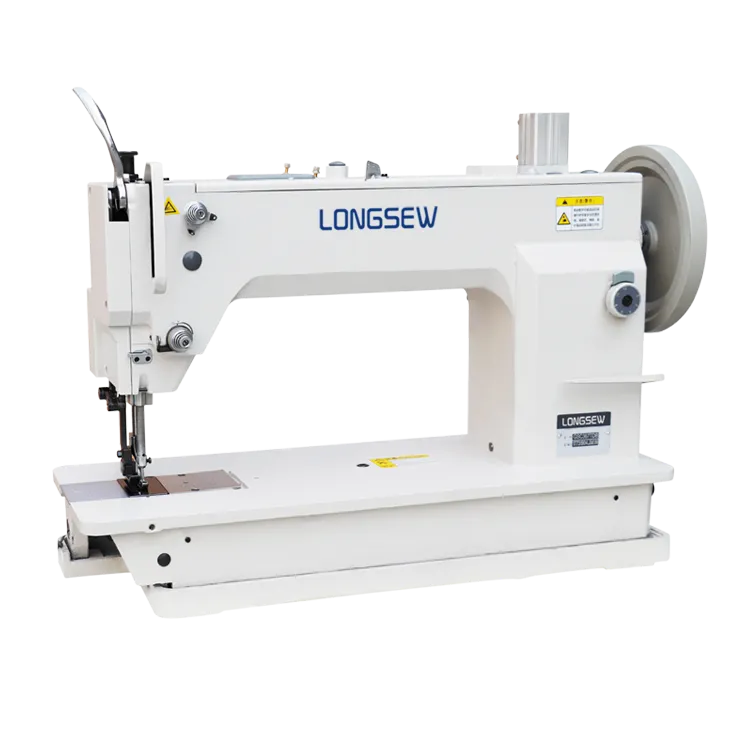
Figure 2: Lock Stitch Sewing Machine in operation on heavy fabric.
Demonstrated Advantages in Typical Scenarios:
- Energy Saving: Modern industrial high speed lockstitch sewing machine models, especially those with direct-drive servo motors, consume significantly less power. For instance, a servo motor can reduce energy consumption by up to 70% compared to a traditional clutch motor, leading to substantial operational cost savings over time.
- Corrosion Resistance: Machines operating in diverse industrial environments, including those with high humidity or exposure to chemicals (e.g., in petrochemical packaging facilities), benefit from specialized coatings and high-quality materials that resist corrosion. This ensures a longer service life and reduces maintenance requirements.
- Enhanced Productivity: With speeds up to 2500 SPM and automatic functions like thread trimming and foot lifting, industrial machines dramatically increase output compared to manual or less advanced models.
- Superior Stitch Integrity: The inherent strength of the lock stitch, particularly when combined with robust top and bottom feeding mechanisms, ensures that seams on heavy materials like FIBC bags can withstand hundreds of kilograms of stress without failure, meeting critical safety standards (e.g., UN certification for dangerous goods packaging).
These advantages underscore why manufacturers invest in high-quality industrial lock stitch sewing machine technology, ensuring both efficiency and the integrity of their end products.
Technical Advantages of Advanced Lock Stitch Technology
The industrial lock stitch sewing machine offers a distinct array of technical advantages, making it the preferred choice for applications demanding exceptional strength, precision, and durability. These benefits are particularly pronounced in comparison to alternative stitch types or less specialized machinery.
- Unmatched Seam Strength and Security: The fundamental design of the lock stitch, where two threads interlock within the material, creates a highly secure and robust seam. Unlike the `overlock chain stitch`, which can unravel easily if a thread breaks, a lock stitch remains intact even if individual stitches are compromised. This is critical for structural components in heavy-duty products.
- Precision and Consistency: Advanced feeding mechanisms, such as the top and bottom feeding (walking foot) system found in the GSC367 series, ensure that multiple layers of heavy fabric are fed uniformly without slippage. This results in precise stitch formation and consistent stitch length, even on challenging materials like polypropylene webbing or thick canvas. This precision is difficult to achieve with a standard `domestic lockstitch sewing machine`.
- Versatility Across Material Types: Industrial lock stitch machines are capable of handling an extensive range of materials, from delicate silks (with appropriate adjustments) to extremely thick and dense textiles like those used in military gear, outdoor equipment, and vehicle interiors. The robust needle penetration force and powerful feed ensure that even multiple layers of industrial fabric can be sewn without issue.
- Reduced Maintenance and Downtime: Constructed with heavy-duty components and often featuring automatic lubrication systems, these machines are designed for continuous operation with minimal wear. This translates to lower maintenance costs and significantly reduced production downtime compared to machines not built for industrial endurance.
- Enhanced Operator Control: Features like adjustable stitch length, reverse sewing, and precise speed control via servo motors empower operators to achieve optimal results for various applications. Models like the `double needle lock stitch sewing machine` further enhance productivity by creating two parallel rows of lock stitches simultaneously, ideal for strong decorative or functional seams.
- Integration with Automation: Modern industrial lock stitch units are often designed for seamless integration into automated production lines, leveraging programmable logic controllers (PLCs) and robotic material handling for increased throughput and reduced labor costs.
These technical advantages underscore why industrial lock stitch sewing machine systems are a critical investment for manufacturers committed to producing high-quality, durable goods in demanding environments.
Vendor Comparison: Selecting the Right Industrial Lock Stitch Machine
Choosing the optimal industrial lock stitch sewing machine requires a thorough comparison of vendor offerings, considering specific application needs, technical capabilities, and after-sales support. While the GSC367 series excels in FIBC production, understanding the broader landscape helps in making informed procurement decisions.
Key Differentiators in Industrial Lock Stitch Machines
| Feature/Parameter | High-End Industrial (e.g., GSC367) | Mid-Range Industrial | Basic Industrial/Heavy Duty Domestic |
|---|---|---|---|
| Primary Use Case | FIBC, Multi-layer heavy materials (e.g., 10-15mm) | Leather, Upholstery, Canvas (e.g., 5-10mm) | Denim, Light leather, Medium-heavy fabrics (e.g., 3-5mm) |
| Feeding Mechanism | Top & Bottom (Walking Foot), Compound Feed | Compound Feed, Drop Feed with walking foot option | Drop Feed (may struggle with multi-layers) |
| Max. Stitch Length | Up to 15mm | Up to 9mm | Up to 5mm |
| Motor Type | Direct Drive Servo (Integrated) | Servo (External or Direct Drive) | Clutch Motor or small Servo |
| Automation | Auto thread trim, foot lift, backtack, programmable patterns | Auto thread trim, limited programming | Manual functions |
| Frame Construction | Heavy-duty cast iron, precision CNC machined | Industrial grade cast iron/aluminum | Lighter industrial frame |
| Price Range | High (Significant investment) | Medium | Low to Medium |
When comparing vendors, look beyond the initial purchase price. Factors like the availability of genuine spare parts, the robustness of the service network, warranty terms, and the manufacturer's experience in specialized industrial applications (e.g., `double lock sewing machine` technology for added security) are paramount. A vendor with a long-standing reputation and specialized offerings like the GSC367 series demonstrates authoritative expertise in catering to niche, high-demand sectors.
Customized Solutions and Application Case Studies
The adaptability of an industrial lock stitch sewing machine is a crucial factor for manufacturers facing unique production challenges. Leading suppliers often provide customized solutions, tailoring machine configurations to precise client specifications, thereby optimizing workflows and product quality.
Tailored for Specific Demands:
- Specialized Presser Feet and Feed Dogs: For unique material textures or challenging seam constructions, custom-machined presser feet and feed dogs ensure optimal material handling and stitch formation. For instance, specific designs for handling tubular FIBC bodies or very thick webbing can be developed.
- Extended Arm Lengths: While standard machines have a typical working space, some applications, such as large tarp manufacturing or certain FIBC bag designs (addressed by models like GSC367-L), require extended arm lengths to accommodate bulky material without re-positioning. This relates to the concept of a `lock stitch sewing machine drawing` which might illustrate these extended dimensions.
- Integrated Automation and Material Handling: For high-volume production, customized solutions can include automated material feeding systems, stacking units, or robotic integration to reduce manual labor and increase throughput, significantly boosting the performance of a `high speed lockstitch sewing machine`.
- Adjusted Thread Tensioning Systems: Certain technical textiles or multi-ply laminates may require fine-tuned tension control beyond standard settings. Manufacturers can develop specialized tension assemblies to achieve optimal stitch balance.
- Specialized Needle Cooling Systems: When sewing at high speeds through very dense or synthetic materials, needle heating can cause thread breakage or material melting. Custom air or liquid cooling systems can be integrated to maintain needle temperature, enhancing efficiency and stitch quality.
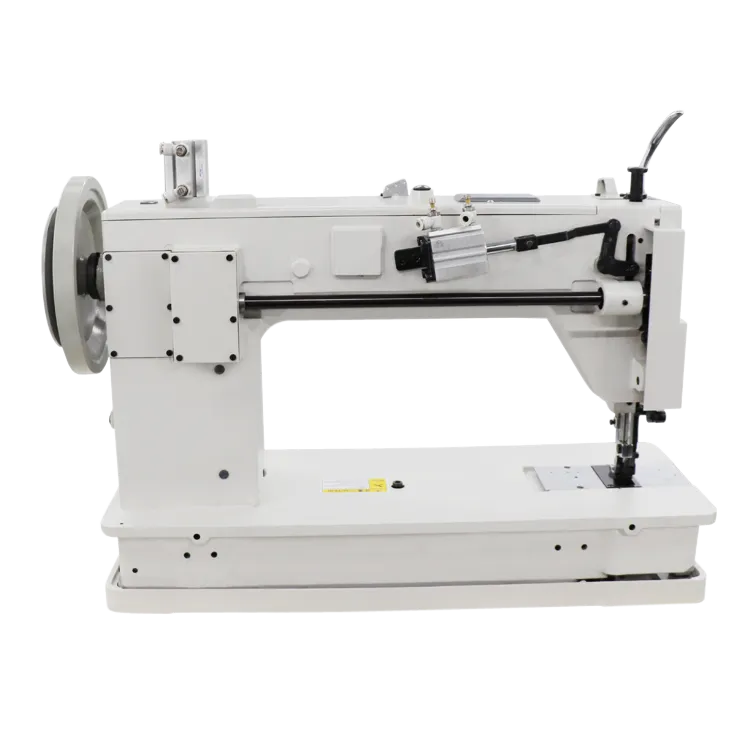
Figure 3: Detailed view of a lock stitch sewing machine's feeding mechanism.
Application Case Studies:
Case Study 1: Major FIBC Producer Optimizes Production
A leading manufacturer of FIBC bags for the agricultural sector faced challenges with consistent seam quality and production bottlenecks when sewing gussets and top panels. By implementing custom-configured GSC367TDZ lock stitch sewing machine units with specialized walking feet and integrated material guides, they achieved a 15% increase in production speed and a 20% reduction in defect rates, directly impacting their compliance with ISO 21898 standards for FIBCs. The robust nature of the `double lock sewing machine` concept provided peace of mind regarding bag integrity.
Case Study 2: Automotive Upholstery Manufacturer Enhances Durability
An automotive supplier specializing in heavy-duty truck seating required extremely durable seams for seat covers made from thick vinyl and foam laminates. Standard industrial machines often struggled with material feeding and thread breakage. A tailored `double needle lock stitch sewing machine` solution, featuring custom needle plates and reinforced feed dogs, enabled them to produce perfectly aligned, ultra-strong seams that passed rigorous automotive tensile strength tests, improving both aesthetic quality and product lifespan.
These examples demonstrate how strategic investment in specialized and customizable lock stitch sewing machine technology directly translates into tangible operational improvements and enhanced product reliability for B2B clients.
Trustworthiness: FAQ, Lead Time, Warranty & Support
For B2B buyers, establishing trust through transparent policies and reliable support is as critical as the technical prowess of the lock stitch sewing machine itself. We are committed to providing comprehensive information and steadfast support throughout the customer journey.
Frequently Asked Questions (FAQ):
- Q1: What materials can the GSC367 series effectively sew?
- A1: The GSC367 series is specifically designed for heavy materials such as polypropylene (PP) woven fabric, multi-layered textiles, webbing, and slings used in FIBC (Jumbo) bag manufacturing. Its powerful feeding system ensures smooth handling of up to 15mm thick material stacks.
- Q2: What is the benefit of a top and bottom feeding mechanism?
- A2: Top and bottom feeding (or walking foot) ensures that all layers of material are moved synchronously and evenly under the needle. This prevents material slippage, puckering, and uneven stitch lengths, which is crucial when working with bulky or multi-layered fabrics, ensuring a perfect lock stitch sewing machine performance.
- Q3: Are spare parts readily available?
- A3: Yes, we maintain a comprehensive inventory of genuine spare parts for all GSC367 series models, ensuring quick access and minimal downtime for our clients globally. Our parts network is designed to support the long service life of your industrial lock stitch sewing machine.
- Q4: Can the machines be integrated into existing production lines?
- A4: Absolutely. Our machines are designed with modern industrial interfaces, allowing for seamless integration with various material handling systems and automated production workflows. Our technical team can provide consultation and support for integration projects.
Lead Time and Fulfillment:
Standard GSC367 series machines typically have a lead time of 4-6 weeks from order confirmation, depending on current production schedules and quantity. Customized configurations may require additional time for engineering and fabrication, ranging from 8-12 weeks. We utilize robust logistics partners to ensure efficient and secure delivery to your facility worldwide, with real-time tracking available.
Warranty Commitments:
All new GSC367 series lock stitch sewing machine units come with a standard 12-month limited warranty covering manufacturing defects and critical components from the date of installation or commissioning. Extended warranty options are available upon request to provide additional peace of mind. Our commitment aligns with industry best practices and quality standards.
Customer Support and After-Sales Service:
- Technical Assistance: Our dedicated team of experienced technicians provides prompt remote and on-site technical support for troubleshooting, maintenance, and operational queries.
- Training Programs: We offer comprehensive operator and maintenance training programs, either at your facility or ours, to ensure your team can maximize the efficiency and longevity of your industrial sewing equipment.
- Spare Parts Availability: A global network ensures quick dispatch of genuine spare parts, minimizing potential downtime and maintaining optimal machine performance.
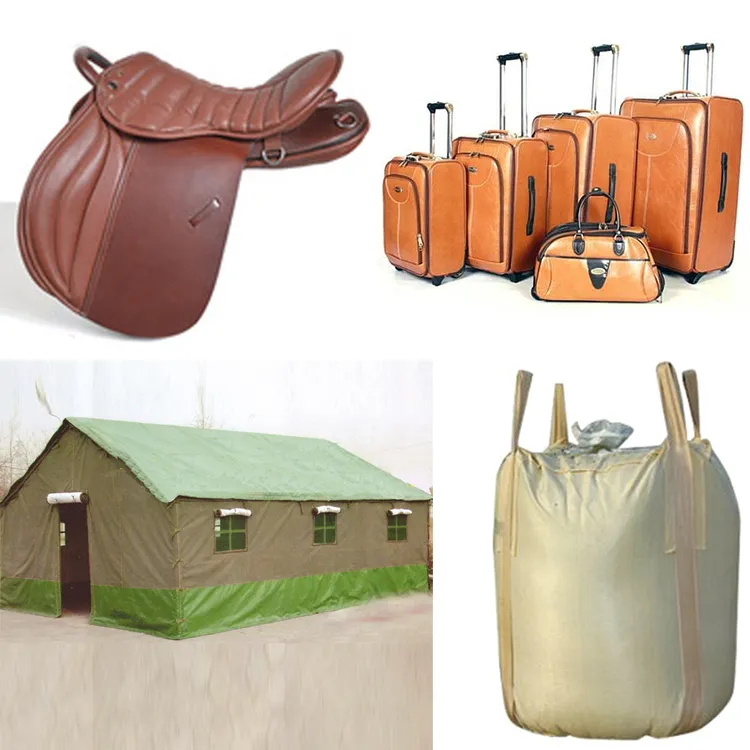
Figure 4: A lock stitch sewing machine integrated into an efficient production setup.
Our commitment to robust products and unwavering support solidifies our reputation as a trusted partner in industrial sewing solutions.
Conclusion
The industrial lock stitch sewing machine, particularly advanced models like the GSC367 series designed for FIBC production, represents a critical asset for heavy-duty textile manufacturing. Its unparalleled stitch strength, precision engineering, and adaptability to challenging materials ensure high-quality, durable products that meet stringent industry standards. Through continuous innovation in automation, energy efficiency, and specialized feeding mechanisms, these machines continue to drive productivity and reliability across diverse industrial applications, from petrochemical packaging to automotive upholstery. Investing in such specialized technology provides a competitive edge, ensuring not only operational efficiency but also the long-term integrity and performance of manufactured goods.
References
- ISO 9001: Quality management systems — Requirements. International Organization for Standardization.
- ASTM D6179-19: Standard Test Methods for Coated and Laminated Fabrics for Architectural Use. ASTM International.
- Textile Technology: An Introduction. Woodhead Publishing Series in Textiles.
- FIBC Standards: ISO 21898:2004 - Packaging - Flexible intermediate bulk container111s (FIBCs) for non-dangerous goods. International Organization for Standardization.
Latest news
-
Industrial Bag Sewing Machine Price and Comprehensive Buying GuideNewsApr.16,2026
-
Industrial Hand Held Bag Closer for Efficient Packaging SealingNewsApr.16,2026
-
Industrial Hand Held Bag Closer Sewing Machine for PackagingNewsApr.16,2026
-
Efficient Industrial Bag Closer Sewing Machine for PackagingNewsApr.16,2026
-
Industrial Sewing Guide for Choosing the Right Closer MachineNewsApr.16,2026
-
Guide to Capital Bag Closer Machine Price and Buying FactorsNewsApr.16,2026
-
Say goodbye to inefficient cutting! This heavy-duty webbing hot cutting machine redefines the new standard for industrial cuttingNewsApr.14,2026

Hebei LongSew Machinery Technology Co. Ltd is beginning as sewing machine parts supplier, now Longsew have over twenty years experience in complete set sewing machine offering.


CLASSIFICATION
CONTACT US
-

No.368 North Youyi Street, Shijiazhuang City, Hebei Province, China
-

-

Copyright © 2026 HEBEI LONGSEW MACHINERY TECHNOLOGY CO. LTD All Rights Reserved. Sitemap | Privacy Policy | Top Blog | Global Service