

Sep . 09, 2025 20:40
Back to list
Heavy-Duty FIBC Sewing Machine | Reliable & Efficient
Revolutionizing FIBC Production: The Advanced fibc sewing machine
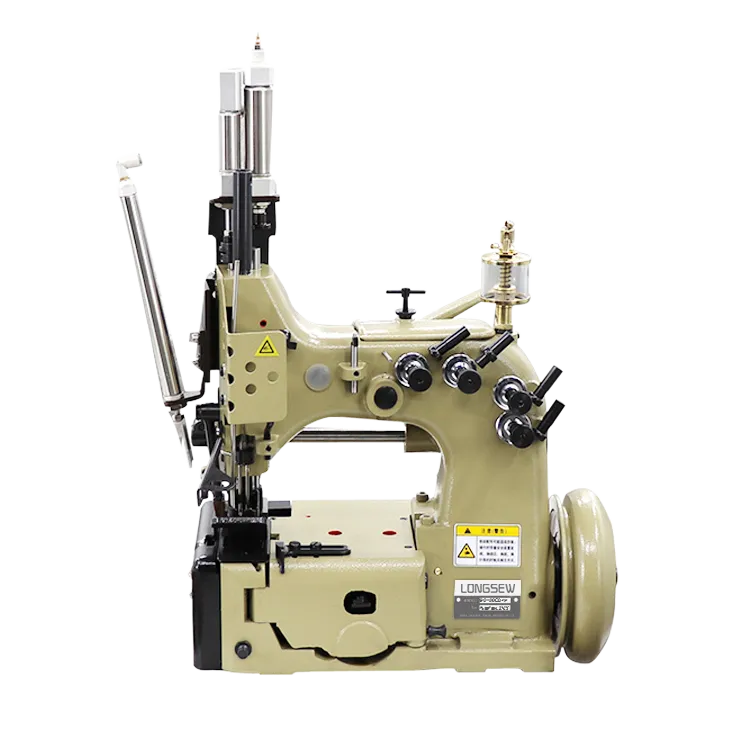
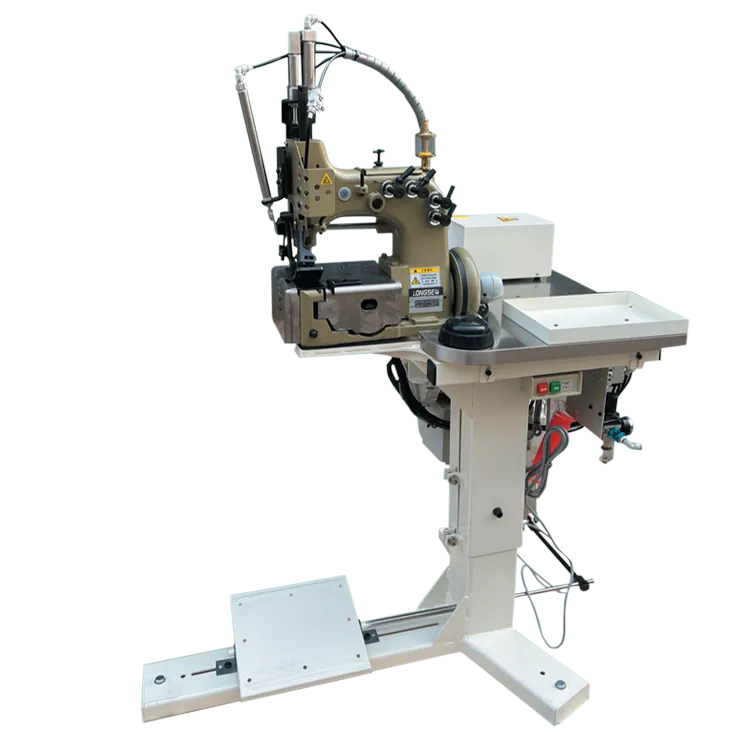
The global demand for Flexible Intermediate Bulk Containers (FIBCs), also known as jumbo bags or big bags, continues to expand across diverse industries. This growth necessitates highly efficient, reliable, and precise manufacturing equipment. Central to this process is the fibc sewing machine, a specialized piece of industrial machinery designed to handle the robust, multi-layered fabrics used in FIBC construction. Our focus today is on the FIBC Bag Double Needles Chain Stitch Sewing Machine 80700C/80700CD/80700CD4H, a pinnacle of engineering designed for superior seam integrity and operational longevity.
These machines are critical for producing FIBCs that meet stringent safety standards for lifting, transport, and storage of bulk materials, ranging from fine powders to large aggregates. The ability to produce high-strength, double chain stitches is paramount for the structural integrity required in heavy-duty applications, ensuring both product safety and operational efficiency.
Industry Trends and Market Dynamics
The FIBC market is experiencing robust growth, driven by increasing industrialization, urbanization, and a burgeoning global supply chain. According to Grand View Research, the global FIBC market size was valued at USD 4.9 billion in 2023 and is projected to grow at a compound annual growth rate (CAGR) of 6.3% from 2024 to 2030. Key drivers include heightened demand from the chemical, food, pharmaceutical, and construction sectors for efficient bulk material handling solutions. This trend directly impacts the demand for sophisticated `chain stitch sewing machine` technologies capable of high-volume, high-quality production.
Innovations in fabric technology, such as anti-static and conductive FIBCs, necessitate equally advanced sewing capabilities. The emphasis is shifting towards machines that offer greater versatility, precision, and automation to reduce labor costs and improve output consistency. Energy efficiency, reduced noise, and ergonomic design are also becoming critical factors in purchasing decisions for a new fibc sewing machine or an upgraded `chain stitch sewing machine for sale`.
Detailed Manufacturing Process Flow of a High-Performance fibc sewing machine Head
The creation of a high-performance fibc sewing machine head is a meticulously engineered process, ensuring precision, durability, and reliability. This goes beyond simple assembly; it involves advanced material science and manufacturing techniques.
Phase 1: Material Selection and Preparation
- High-Grade Steel Alloys: Components like needle bars, looper mechanisms, and presser feet are typically forged or machined from specialized steel alloys (e.g., tool steel, high-carbon steel) known for their strength, hardness, and wear resistance. These materials are selected to minimize friction and extend component lifespan, crucial for the demanding duty cycles of a `double chain stitch sewing machine`.
- Precision Cast Iron: The machine base and certain structural components often utilize high-quality, vibration-dampening cast iron. This material ensures stability during high-speed operation, reducing noise and enhancing stitch consistency.
- Corrosion-Resistant Coatings: Critical parts exposed to potential moisture or chemicals are treated with advanced coatings (e.g., nickel plating, black oxide) to provide superior corrosion resistance, contributing to extended service life, especially in environments prevalent in the petrochemical or metallurgy industries.
Phase 2: Component Manufacturing and Processing
- Casting: For the machine body and heavy-duty structural parts, molten cast iron is poured into molds, followed by controlled cooling to achieve desired mechanical properties and reduce internal stresses.
- Forging: High-stress components, such as connecting rods and some gears, undergo forging to enhance grain structure, leading to superior strength and fatigue resistance compared to cast or machined parts.
- CNC Machining: This is a cornerstone of modern `fibc sewing machine` production. Computer Numerical Control (CNC) milling, turning, and grinding ensure micron-level precision for critical parts like needle plates, feed dogs, looper assemblies, and gears. This precision is vital for perfect stitch formation and smooth operation, directly impacting the quality of the `sewing machine chain`.
- Heat Treatment: Hardening, tempering, and nitriding processes are applied to various steel components to achieve optimal hardness, wear resistance, and toughness. This prolongs the life of fast-moving parts and maintains performance under constant load.
- Surface Finishing: Polishing, grinding, and honing operations refine component surfaces, reducing friction and ensuring smooth, reliable motion of all mechanical elements.
Phase 3: Assembly and Quality Assurance
- Sub-Assembly: Smaller modules, such as the `fibc sewing machine head` or the thread tension unit, are assembled and rigorously tested for functionality before integration into the main machine.
- Final Assembly: Skilled technicians meticulously assemble the precision-engineered components. Each step follows stringent protocols to ensure perfect alignment and mechanical synchronization.
- Testing Standards & Calibration: Every finished machine undergoes comprehensive testing according to international standards such as ISO 9001 for quality management and relevant ANSI/ASTM standards for material performance. This includes:
- Functional Testing: Verifying stitch formation, needle penetration, thread tension, and material feeding across various fabric thicknesses.
- Durability Testing: Running machines for extended periods under simulated heavy loads to detect potential weaknesses and ensure a long service life, typically exceeding 10-15 years with proper maintenance.
- Noise and Vibration Analysis: Measuring operational noise levels and vibration to ensure operator comfort and machine stability.
- Safety Compliance: Ensuring all electrical and mechanical safety features meet international directives.
- Final Inspection and Packaging: A final visual and functional inspection precedes secure packaging for transport.
Target Industries and Advantages
These robust machines are indispensable in: petrochemical, metallurgy, mining, construction, food processing, agriculture, and water supply & drainage (for handling treatment chemicals). Advantages demonstrated in typical application scenarios include:
- Energy Saving: Equipped with advanced servo motors, these machines consume significantly less power than traditional clutch motors, leading to substantial operational cost reductions.
- Corrosion Resistance: Specially treated components ensure longevity even in harsh, dusty, or chemically aggressive industrial environments.
- Enhanced Productivity: High sewing speeds and reliable stitch formation minimize downtime and maximize output, crucial for bulk manufacturing.
- Superior Stitch Quality: The double chain stitch provides exceptional seam strength, vital for FIBCs carrying heavy loads, often exceeding 1000 kg.
Technical Specifications: FIBC Bag Double Needles Chain Stitch Sewing Machine 80700C Series
The 80700C series represents the forefront of `double chain stitch sewing machine` technology for FIBC production. Below is a detailed table outlining key technical parameters.
Application Scenarios and Exemplary Performance
The versatility of the 80700C series `chain stitch sewing machine` makes it indispensable across a spectrum of industrial applications requiring robust and secure packaging.
Cement and Construction Materials
In the construction sector, FIBCs are widely used for transporting cement, sand, gravel, and other building aggregates. The `fibc sewing machine` ensures that seams withstand the abrasive nature and immense weight of these materials. The 80700CD model, with its adjustable differential feed, is particularly effective in managing the tension of dense woven polypropylene fabric to prevent puckering and ensure a flat, strong seam.
Chemical and Pharmaceutical Industries
For hazardous or sensitive chemicals and pharmaceutical excipients, leak-proof and contamination-free FIBCs are paramount. The precise stitch formation of the `double chain stitch sewing machine` creates a strong barrier, minimizing product loss and ensuring compliance with industry regulations. The high stitching speed of up to 2200 RPM supports rapid production cycles while maintaining critical quality standards for Type C (conductive) and Type D (dissipative) FIBCs.
Food and Agriculture Sector
FIBCs are extensively used for bulk grains, seeds, fertilizers, and food ingredients. The durability provided by this fibc sewing machine is essential to protect contents from spoilage and spillage during transit and storage. The clean, automatic lubrication system minimizes oil stains, critical for hygienic packaging standards. Our clients have reported a 20% increase in output efficiency when upgrading to the 80700C series due to its reliability and speed.
Technical Advantages and Performance Edge
The 80700C series fibc sewing machine offers a range of technical advantages that set it apart in the market, directly contributing to enhanced operational efficiency and product quality.
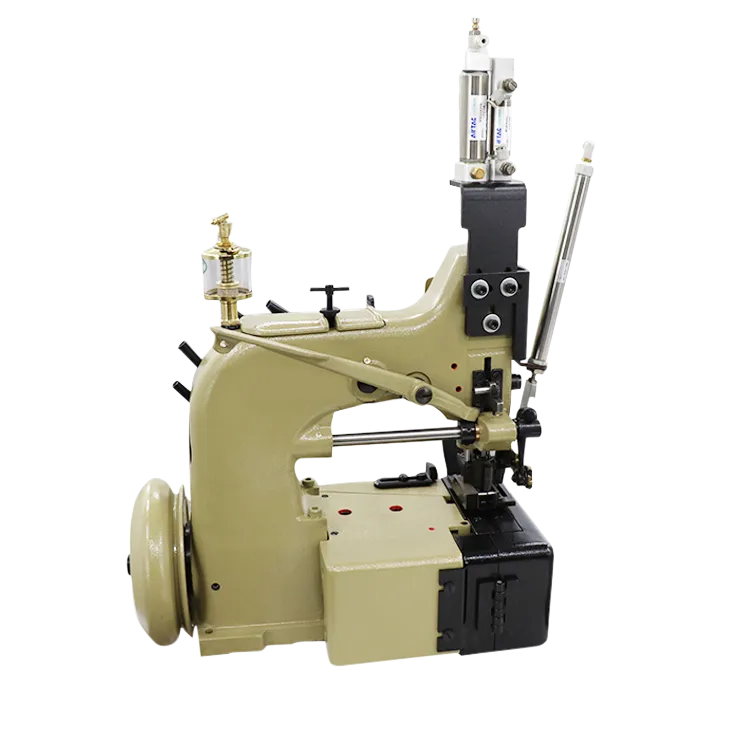
- Robust Construction for Longevity: Engineered with heavy-duty components and precision manufacturing, these machines are built to withstand continuous industrial operation. The reinforced frame and high-quality materials significantly extend the service life and reduce maintenance requirements.
- Superior Double Chain Stitch Reliability: The `double chain stitch sewing machine` produces a strong, elastic seam that is ideal for dynamic stresses on FIBCs. Unlike lock stitch, chain stitch seams will not unravel if one stitch breaks, offering a critical safety advantage for heavy loads.
- Integrated Servo Motor for Precision and Efficiency: The direct-drive servo motor provides instant start/stop capabilities, precise speed control, and significantly reduces energy consumption (up to 30-50% compared to clutch motors). It also operates much quieter, improving the working environment.
- Advanced Lubrication System: A fully automatic, enclosed circulating oil system ensures all moving parts are constantly lubricated, minimizing wear and tear. This system also prevents oil leakage onto the fabric, maintaining the cleanliness of FIBCs, especially crucial for food-grade applications.
- Adjustable Differential Feed (80700CD/CD4H): This feature is vital for managing different fabric types and layers without puckering or stretching. It allows for perfect feed synchronization, producing consistently flat and strong seams even on challenging materials, enhancing the precision of the `fibc sewing machine head`.
- High Presser Foot Lift and Clearances: With a presser foot lift of up to 15 mm, the machine can easily accommodate multiple layers of heavy FIBC fabric, including webbing and filler cord, without manual adjustments, streamlining the sewing process.
These technical advantages translate directly into lower operational costs, higher product quality, and increased throughput for FIBC manufacturers. Authoritative references like ISO 21898:2004 (FIBCs for non-dangerous goods) and ISO 16024:2015 (FIBCs for dangerous goods) underscore the importance of robust seam integrity, a hallmark of our machines.
Vendor Comparison: Evaluating Your fibc sewing machine Investment
When selecting a `chain stitch sewing machine for sale`, a comprehensive vendor comparison is crucial. While several manufacturers offer similar products, key differentiators lie in build quality, technological integration, and after-sales support. Below is a comparative overview highlighting the distinct advantages of our 80700C series against general market offerings.
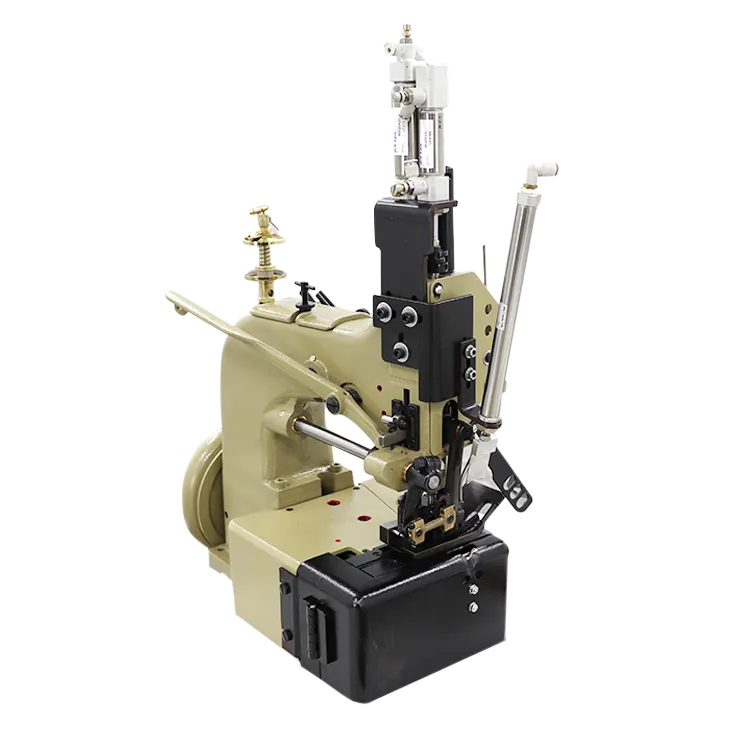
While the initial investment for a high-performance `fibc sewing machine` may be slightly higher, the long-term total cost of ownership (TCO) is significantly lower due to reduced energy consumption, minimal downtime, superior product quality, and extended operational lifespan. This makes it a strategically sound investment for businesses focused on sustainability and efficiency.
Customized Solutions and Application Case Studies
Understanding that no two manufacturing environments are identical, we offer customized solutions for our fibc sewing machine line. This includes specific modifications for different FIBC types, integration into automated production lines, and tailored configurations for unique fabric or thread requirements.
Customization Capabilities:
- Automated Material Handling Systems: Integration with conveyor belts and robotic arms for feeding and offloading large FIBC panels, optimizing workflow and reducing manual labor.
- Specialized `Fibc Sewing Machine Head` Configurations: Options for different needle gauges, looper setups, or presser foot designs to accommodate unique fabric thickness combinations or specific aesthetic requirements (e.g., for `chain stitch embroidery machine for sale` applications with industrial scale).
- Digital Control Systems: Programmable stitch patterns, automatic thread cutting, and advanced diagnostic features for enhanced operational control and predictive maintenance.
- Environmental Adaptations: Machines can be configured with enhanced dust protection or specific material compatibility for operations in challenging industrial environments.
Case Study: Leading Petrochemical Manufacturer
A major petrochemical company producing bulk polymer pellets required an upgrade to their FIBC production line. Their existing `chain stitch sewing machine` fleet struggled with consistent seam quality on heavy-duty polypropylene fabric, leading to frequent rejections and slowed production. We supplied ten units of the 80700CD4H, customized with enhanced anti-static features and a robust material feeding system.
Results: Within six months, the client reported a 15% increase in production throughput and a dramatic 80% reduction in seam-related defects. The consistent quality and reliability of our fibc sewing machine enabled them to meet critical supply deadlines and uphold their reputation for high-quality packaging. The energy savings from the integrated servo motors also translated into a 25% reduction in electricity costs for the sewing department.
Case Study: Agricultural Feed Producer
An agricultural giant needed to increase their FIBC production for animal feed and fertilizer. Their challenge was handling varying fabric weights efficiently while maintaining a clean, food-safe packaging environment. We implemented a solution involving the 80700C models with the automatic enclosed lubrication system and specialized needle plates to reduce fabric damage.
Results: The client achieved a 30% increase in production capacity, accompanied by a significant reduction in thread breakages and material waste. The clean lubrication system eliminated oil stains, ensuring their FIBCs met strict food-grade packaging standards. This success solidified our position as a trusted partner in their supply chain.
Trustworthiness & Support
Frequently Asked Questions (FAQ)
- Q: What is the primary advantage of a double chain stitch for FIBCs?
- A: The double chain stitch offers superior strength and elasticity compared to lock stitch. Crucially, if one stitch breaks, the entire seam does not unravel, providing enhanced safety and reliability for heavy-duty applications.
- Q: Can the 80700C series handle different FIBC fabric types and thicknesses?
- A: Yes, with its powerful feeding mechanism, high presser foot lift (up to 15mm), and adjustable differential feed (on CD/CD4H models), it is exceptionally versatile for various woven polypropylene fabrics, including those with coatings and multiple layers of webbing.
- Q: What kind of maintenance is required for the `fibc sewing machine`?
- A: The 80700C series features a fully automatic, enclosed circulating oil lubrication system, significantly reducing manual oiling. Routine maintenance typically involves cleaning, thread path inspection, and periodic checks of wear parts. Detailed maintenance guides are provided.
- Q: Is there an option for automation with these machines?
- A: Yes, the 80700C series is designed for integration into automated production lines. We can provide consultation and solutions for automating material feeding, positioning, and offloading, tailored to your specific operational needs.
Lead Time and Fulfillment Details
Standard lead time for our 80700C series fibc sewing machine models is typically 4-6 weeks from order confirmation, subject to current production schedules and customization requirements. For larger orders or highly specialized configurations, a detailed timeline will be provided upon consultation. We maintain a robust supply chain and efficient manufacturing processes to ensure timely delivery and minimal disruption to your operations. Expedited options may be available upon request.
Warranty Commitments
We offer a comprehensive 12-month warranty on all mechanical and electrical components of our 80700C series machines, effective from the date of installation. This warranty covers defects in materials and workmanship under normal operating conditions. Extended warranty options and service contracts are also available to provide long-term peace of mind and minimize unforeseen costs.
Customer Support and After-Sales Service
Our commitment extends beyond the sale. We provide extensive after-sales support, including:
- Technical Assistance: A dedicated team of experienced technicians available for troubleshooting via phone, email, or video call.
- On-site Support: Global network of service partners for on-site installation, training, and repair services.
- Spare Parts Availability: Comprehensive inventory of genuine spare parts ensures minimal downtime for critical components of your `sewing machine chain`.
- Training Programs: Customizable training sessions for your operators and maintenance staff to ensure optimal machine performance and longevity.
Conclusion
The 80700C/CD/CD4H series fibc sewing machine stands as a testament to advanced engineering and a deep understanding of industrial demands. Its robust construction, technical superiority, and commitment to long-term performance make it an indispensable asset for any enterprise engaged in FIBC manufacturing. Investing in this technology ensures not just increased productivity and reduced operational costs, but also the delivery of safer, higher-quality bulk container111s that meet the rigorous demands of global industries.
References
- Grand View Research. (2023). Flexible Intermediate Bulk Container (FIBC) Market Size, Share & Trends Analysis Report. Retrieved from https://www.grandviewresearch.com/industry-analysis/flexible-intermediate-bulk-container111-fibc-market
- International Organization for Standardization. (2004). ISO 21898:2004 Flexible intermediate bulk container111s (FIBCs) for non-dangerous goods.
- International Organization for Standardization. (2015). ISO 16024:2015 Flexible intermediate bulk container111s (FIBCs) for dangerous goods.
- U.S. Department of Energy. (2014). Energy-Efficient Industrial Motor Systems. Retrieved from https://www.energy.gov/sites/default/files/2014/04/f14/industrial_motor_systems.pdf
Latest news
-
Industrial Bag Sewing Machine Price and Comprehensive Buying GuideNewsApr.16,2026
-
Industrial Hand Held Bag Closer for Efficient Packaging SealingNewsApr.16,2026
-
Industrial Hand Held Bag Closer Sewing Machine for PackagingNewsApr.16,2026
-
Efficient Industrial Bag Closer Sewing Machine for PackagingNewsApr.16,2026
-
Industrial Sewing Guide for Choosing the Right Closer MachineNewsApr.16,2026
-
Guide to Capital Bag Closer Machine Price and Buying FactorsNewsApr.16,2026
-
Say goodbye to inefficient cutting! This heavy-duty webbing hot cutting machine redefines the new standard for industrial cuttingNewsApr.14,2026

Hebei LongSew Machinery Technology Co. Ltd is beginning as sewing machine parts supplier, now Longsew have over twenty years experience in complete set sewing machine offering.


CLASSIFICATION
CONTACT US
-

No.368 North Youyi Street, Shijiazhuang City, Hebei Province, China
-

-

Copyright © 2026 HEBEI LONGSEW MACHINERY TECHNOLOGY CO. LTD All Rights Reserved. Sitemap | Privacy Policy | Top Blog | Global Service