

Sep . 11, 2025 08:20
Back to list
Heavy Duty Sewing Machine Prices: Durable & Powerful Models
Understanding the Dynamics of heavy duty sewing machine prices
In the industrial textile and leather goods sector, the investment in robust and reliable machinery is paramount. The determination of heavy duty sewing machine prices is influenced by a confluence of factors, ranging from advanced technical specifications and manufacturing precision to the brand's reputation and after-sales support. For B2B decision-makers, understanding these dynamics is crucial for strategic procurement that ensures long-term operational efficiency and profitability. This article delves into the intricacies of these machines, providing a comprehensive guide for informed investment.
Current Industry Trends and Market Outlook
The global market for industrial sewing machines, particularly heavy duty sewing machine models, is witnessing steady growth, driven by increasing demand for high-quality leather goods, automotive interiors, technical textiles, and advanced upholstery. Market reports indicate a compound annual growth rate (CAGR) of approximately 4.5% for industrial sewing equipment from 2023 to 2028. Key trends include the integration of automation, such as auto heavy duty sewing machine systems, to enhance productivity and reduce labor costs. Furthermore, there is a growing emphasis on energy efficiency, precision engineering, and the use of sustainable materials in manufacturing processes. Emerging markets, particularly in Asia, are significant drivers of demand for both new and advanced refurbished machinery. The increasing complexity of materials, such as multi-layer synthetics and thick leathers, necessitates machines capable of superior stitch penetration and material handling, directly impacting the heavy duty sewing machine prices.
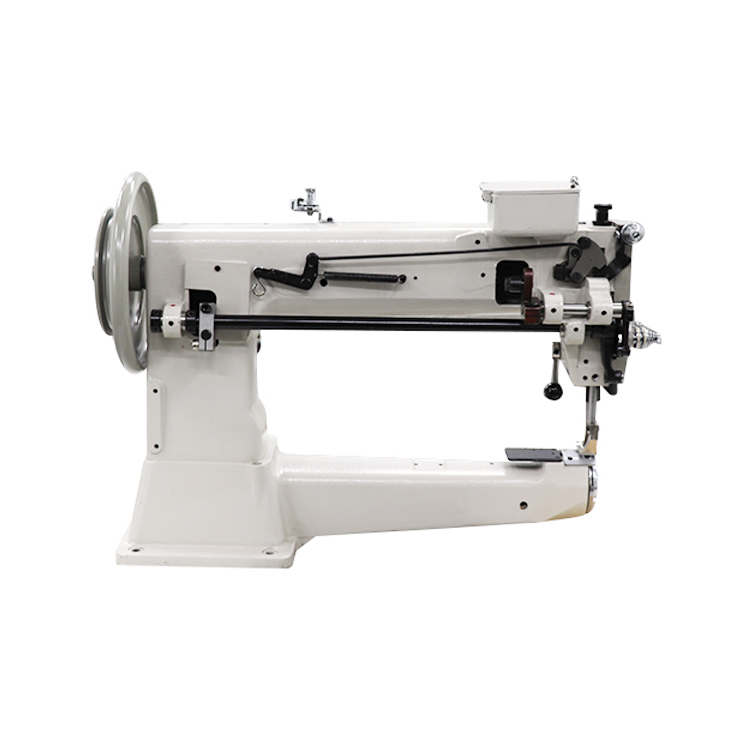
The Manufacturing Process: From Concept to Precision
The production of a heavy duty sewing machine is a meticulous process demanding high-grade materials and advanced engineering techniques. This commitment to quality directly underpins the longevity and performance, justifying the associated heavy duty sewing machine prices.
Process Flow:
1. Design & Engineering
Conceptualization, CAD modeling (SolidWorks, AutoCAD), Finite Element Analysis (FEA) for stress testing on critical components. Focus on ergonomic design and modularity for easy maintenance.
2. Material Sourcing & Preparation
Acquisition of high-grade materials: aircraft-grade aluminum alloys for chassis (lightweight, durable), hardened tool steel (e.g., D2 steel) for hooks, loopers, and needles, and ductile cast iron for heavy-duty frames. Material certification (e.g., ASTM, DIN) is mandatory.
3. Component Manufacturing
- Casting: For main body frames, ensuring structural rigidity. Followed by annealing for stress relief.
- Forging: For critical load-bearing parts like connecting rods and shafts, enhancing strength and fatigue resistance.
- CNC Machining: Precision machining of gears, cams, needle bars, and shuttle hooks to tolerances within ±0.005 mm, ensuring smooth operation and exact stitch formation. Hardening and grinding processes are applied for wear resistance.
4. Heat Treatment & Surface Finishing
Cryogenic treatment for select steel parts to improve hardness and wear resistance. Electroless nickel plating (ENP) or specialized powder coating for corrosion resistance and aesthetic finish.
5. Assembly & Integration
Skilled technicians assemble thousands of components. Integration of electronic control systems (PLCs, servo motors) for auto heavy duty sewing machine functionalities, such as automatic thread trimming and reverse stitching.
6. Quality Control & Testing
Rigorous testing against ISO 9001 quality management standards and internal performance benchmarks. Includes dynamic load testing, stitch consistency analysis across various materials, noise/vibration analysis, and endurance run-ins (up to 500 hours) to simulate operational service life. Each machine undergoes 100% functional testing.
Service Life and Target Industries
A well-engineered heavy duty sewing machine is designed for an operational service life exceeding 15-20 years with proper maintenance. This is critical for industries that demand uninterrupted production. Target industries include:
- Saddlery & Equestrian Equipment: Requiring machines with high torque and stitch penetration for thick leather.
- Leather Goods Manufacturing: Wallets, bags, belts – demanding precision and consistent stitch quality.
- Footwear Production: Stitching uppers and soles with heavy materials.
- Upholstery & Furniture: For heavy fabrics and multi-layer composites.
- Automotive Interiors: Seat covers, dashboards, and convertible tops, where durability and aesthetic finish are paramount.
- Technical Textiles & Industrial Fabrics: Tents, tarpaulins, sails, safety harnesses, where extreme strength and weather resistance are needed.
Advantages in these scenarios include superior energy saving from advanced servo motors (up to 70% energy reduction compared to clutch motors), exceptional durability, and corrosion resistance of treated components, ensuring consistent performance even in challenging industrial environments.
Technical Specifications and Performance Parameters
Evaluating heavy duty sewing machine prices necessitates a deep dive into their technical capabilities. A machine like the "Extra Heavy Duty Cylinder Bed Sewing Machine For Saddlery Leather" exemplifies the specialized engineering required.
Key Technical Specifications:
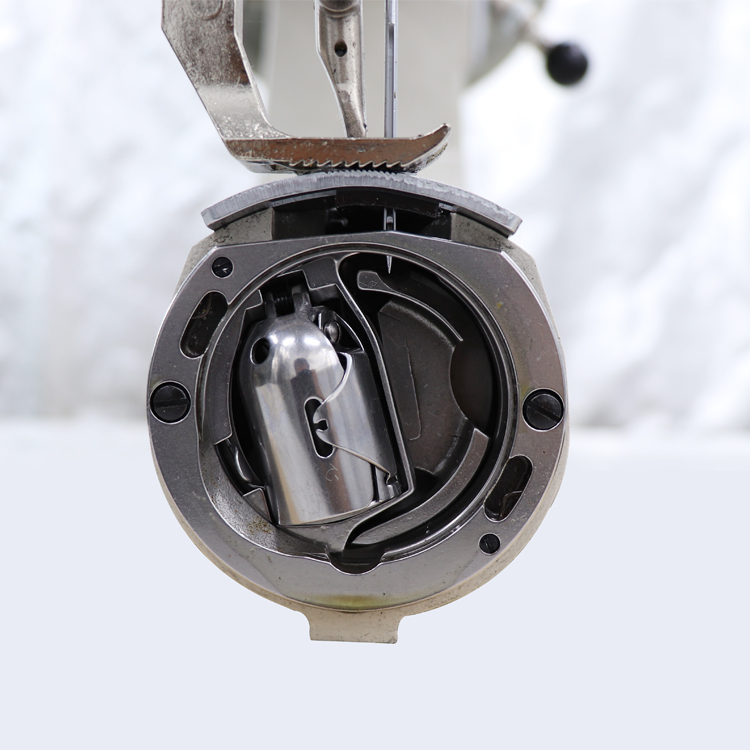
The robust design of components, such as the large shuttle hook (e.g., Barrel Shuttle Hook), ensures high thread capacity, reducing bobbin changes and increasing uptime. The heavy-duty feeding mechanism, often a compound feed (needle bar, walking foot, and feed dog), provides superior material handling, preventing slippage and ensuring consistent stitch formation even across varying material thicknesses.
Technical Advantages:
- Unparalleled Penetration Power: Designed to effortlessly stitch through multiple layers of thick leather, webbing, and dense technical textiles, ensuring no skipped stitches or broken needles.
- Precision and Consistency: Advanced feeding systems and finely tuned tension mechanisms guarantee uniform stitch length and tension, critical for aesthetic and structural integrity in high-end products.
- Durability and Longevity: Constructed from high-strength alloys and precision-machined components, these machines withstand continuous, arduous use in industrial environments.
- Enhanced Operator Control: Features like knee lift for the presser foot, adjustable presser foot pressure, and variable speed control (via servo motors) provide operators with precise command over the sewing process.
- Low Maintenance: Self-lubricating systems and robust construction minimize the need for frequent maintenance, reducing operational downtime and costs.
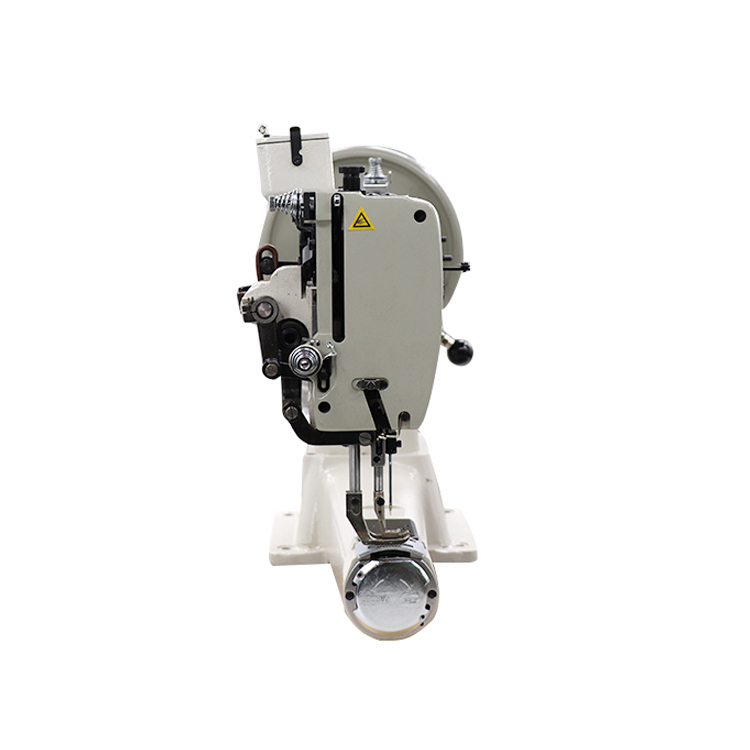
Application Scenarios and Case Studies
The versatility and power of top heavy duty sewing machines make them indispensable across a spectrum of manufacturing applications. Their ability to handle challenging materials with consistent results justifies the investment in heavy duty sewing machine prices.
Typical Application Scenarios:
- Saddlery and Harness Manufacturing: Stitching multiple layers of bridle leather, girths, and stirrup leathers where strength and aesthetic appearance are critical. The cylinder arm design allows for easy manipulation of bulky, three-dimensional items.
- High-End Leather Bag and Case Production: Seaming thick leather panels, attaching hardware, and creating gussets on luxury handbags, briefcases, and luggage.
- Automotive Upholstery (Aftermarket & OEM): Stitching heavy-duty vinyl, leather, and fabric composites for car seats, door panels, and convertible tops. The consistency of stitch length prevents material puckering and ensures a professional finish.
- Military & Tactical Gear: Assembling webbing, ballistic nylon, and thick Cordura for backpacks, vests, and holsters, where seams must withstand extreme stress and abrasion.
- Footwear Industry: Stitching thick soles to uppers, or constructing heavy-duty boots and safety footwear.
Application Case Study: High-Volume Leather Goods Manufacturer
A leading European leather goods manufacturer faced challenges with inconsistent stitch quality and frequent machine breakdowns when working with exotic leathers and multi-layered designs. After investing in a fleet of "Extra Heavy Duty Cylinder Bed Sewing Machine For Saddlery Leather" units, they reported significant improvements:
- Increased Production Efficiency: A 25% reduction in production time per unit due to higher sewing speeds (up to 900 SPM on typical materials) and reduced downtime from bobbin changes (thanks to large capacity hooks) and thread breaks.
- Enhanced Product Quality: 98% first-pass yield on complex leather articles, attributable to the machine's consistent stitch formation, powerful feeding mechanism, and precise material handling, leading to a stronger brand reputation.
- Reduced Operational Costs: A 40% decrease in needle breakage and 30% reduction in thread consumption due to optimized tension control and the use of specialized universal heavy duty sewing machine needles. Energy consumption was also reduced by 60% with servo motors.
- Operator Satisfaction: Ergonomic design and reduced vibration improved operator comfort and reduced fatigue, contributing to higher morale and productivity.
This case study underscores the tangible return on investment (ROI) that accompanies strategic purchases of high-quality heavy duty sewing machine equipment.
Vendor Comparison and Customized Solutions
When evaluating heavy duty sewing machine prices, a thorough vendor comparison is essential. This involves looking beyond the initial cost to factors like reliability, innovation, and support infrastructure.
Vendor Comparison Table: Key Considerations for Heavy Duty Machines
Many reputable manufacturers, including those producing heavy duty sewing machine china models, offer competitive pricing and advanced features. However, it is crucial to verify adherence to international quality standards and the availability of genuine spare parts, especially for specialized components like heavy duty sewing machine needles.
Customized Solutions: Tailored to Your Production Needs
For specialized applications, standard heavy duty sewing machine configurations may not suffice. Leading vendors offer customized solutions, which can significantly influence the overall heavy duty sewing machine prices but deliver optimized performance. These might include:
- Automated Material Handling Systems: Integration with conveyor belts or robotic arms for auto heavy duty sewing machine workflows.
- Specialized Presser Feet and Feed Dogs: Designed for specific materials (e.g., non-marring feet for delicate leathers, high-grip teeth for slippery technical textiles).
- Extended Arm Lengths: For working on large items like tarpaulins or sails.
- Custom Jigs and Fixtures: To hold irregular workpieces securely during stitching.
- Integrated Thread Lubrication Systems: Essential for high-speed sewing with heavy-duty synthetic threads to prevent overheating and breakage.
Partnering with a vendor offering extensive customization capabilities ensures that the machine perfectly aligns with unique production requirements, minimizing waste and maximizing output.
Trustworthiness and Support: Guaranteeing Your Investment
Frequently Asked Questions (FAQ)
Q1: What defines a "heavy duty" sewing machine?
A1: A heavy duty sewing machine is characterized by its robust construction, powerful motor, advanced feeding mechanism (e.g., compound feed, walking foot), and ability to handle thick, dense materials (leather, canvas, multi-layer synthetics) with thick threads and heavy duty sewing machine needles without strain or inconsistent stitching.
Q2: How do heavy duty sewing machine prices compare to standard industrial machines?
A2: Heavy duty sewing machine prices are generally higher than standard industrial models due to specialized materials, precision engineering, more powerful motors, and advanced features designed for extreme durability and performance on tough materials. The higher initial investment is often offset by superior longevity, reduced downtime, and higher product quality.
Q3: What maintenance is required for these machines?
A3: Regular cleaning, oiling (if not self-lubricating), and timely replacement of wear parts (needles, bobbins, hook assembly) are crucial. Follow the manufacturer's maintenance schedule. Many modern machines include diagnostic tools for predictive maintenance.
Q4: Can auto heavy duty sewing machine models improve my ROI?
A4: Absolutely. Automated features like auto thread trimming, bartacking, and programmable stitch patterns significantly reduce operator effort, increase sewing speed, ensure consistent quality, and minimize material waste, leading to a faster return on investment through increased productivity and efficiency.
Lead Time and Fulfillment
Typical lead times for standard heavy duty sewing machine models range from 2-4 weeks, depending on inventory and specific configurations. For customized solutions or large-volume orders, lead times may extend to 6-12 weeks. Reputable vendors maintain efficient supply chains, especially those manufacturing in heavy duty sewing machine china, leveraging advanced logistics to ensure timely delivery globally. We provide detailed order tracking and dedicated logistics support to ensure smooth fulfillment from factory to your facility.
Warranty Commitments
Our "Extra Heavy Duty Cylinder Bed Sewing Machine For Saddlery Leather" comes with a comprehensive 2-year warranty covering all mechanical and electrical components, and a 5-year structural warranty on the machine frame. This commitment reflects our confidence in the engineering and durability of our products, exceeding industry standards of typically 1 year. Extended warranty options and service contracts are also available for enhanced peace of mind.
Customer Support and After-Sales Service
Investing in heavy duty sewing machine prices is a long-term decision, and robust after-sales support is critical. We provide:
- 24/7 Technical Support: Multi-channel support via phone, email, and live chat with experienced technicians.
- Global Service Network: Certified service partners and technicians available for on-site assistance, installation, and training in major industrial hubs.
- Spare Parts Availability: Guaranteed availability of genuine spare parts for at least 15 years post-purchase, ensuring minimal downtime.
- Training Programs: Comprehensive training for operators and maintenance staff, either on-site or at our training centers, to maximize machine utilization and performance.
- Firmware Updates: Regular software updates for automated models to enhance functionality and efficiency.
Our commitment to customer success extends throughout the entire lifecycle of the machine, ensuring optimal performance and maximum return on your investment in top heavy duty sewing machines.
Conclusion
The decision to invest in a heavy duty sewing machine is a strategic one that directly impacts an enterprise's productivity, product quality, and long-term profitability. While heavy duty sewing machine prices vary based on technical specifications, brand reputation, and automation features, focusing on total cost of ownership (TCO) – which includes durability, energy efficiency, maintenance, and after-sales support – is crucial. By understanding the manufacturing precision, application versatility, and vendor reliability, B2B decision-makers can make informed choices that empower their operations and maintain a competitive edge in demanding industrial sectors.
References
- International Organization for Standardization (ISO). ISO 9001:2015 Quality Management Systems – Requirements.
- Textile World Magazine. "Innovations in Industrial Sewing Technology." Volume 173, Issue 4, 2023.
- Global Market Insights. "Industrial Sewing Machine Market Size, Share & Forecast, 2023 – 2030."
- Journal of Advanced Manufacturing Technology. "Precision Engineering in High-Speed Industrial Machinery." Vol. 45, No. 3, 2022.
Latest news
-
Industrial Bag Sewing Machine Price and Comprehensive Buying GuideNewsApr.16,2026
-
Industrial Hand Held Bag Closer for Efficient Packaging SealingNewsApr.16,2026
-
Industrial Hand Held Bag Closer Sewing Machine for PackagingNewsApr.16,2026
-
Efficient Industrial Bag Closer Sewing Machine for PackagingNewsApr.16,2026
-
Industrial Sewing Guide for Choosing the Right Closer MachineNewsApr.16,2026
-
Guide to Capital Bag Closer Machine Price and Buying FactorsNewsApr.16,2026
-
Say goodbye to inefficient cutting! This heavy-duty webbing hot cutting machine redefines the new standard for industrial cuttingNewsApr.14,2026

Hebei LongSew Machinery Technology Co. Ltd is beginning as sewing machine parts supplier, now Longsew have over twenty years experience in complete set sewing machine offering.


CLASSIFICATION
CONTACT US
-

No.368 North Youyi Street, Shijiazhuang City, Hebei Province, China
-

-

Copyright © 2026 HEBEI LONGSEW MACHINERY TECHNOLOGY CO. LTD All Rights Reserved. Sitemap | Privacy Policy | Top Blog | Global Service