

Sep . 12, 2025 08:20
Back to list
Industrial Single Needle Lock Stitch Sewing Machine - Precision & Speed
The Foundation of Industrial Stitching: Exploring the Single Needle Lock Stitch Sewing Machine
In the expansive landscape of industrial textile manufacturing, the precision and reliability of sewing machinery are paramount. Among the diverse array of equipment, the single needle lock stitch sewing machine stands as a foundational workhorse. Renowned for its strong, secure, and aesthetically pleasing stitch, it forms the backbone of countless production lines, from apparel to automotive interiors. While the traditional lockstitch offers unparalleled seam integrity for many applications, specialized requirements, such as those found in heavy-duty packaging, often necessitate alternative stitch formations, like the chainstitch, for enhanced flexibility and strength under stress. This comprehensive overview delves into the core aspects of these essential machines, focusing on industry trends, technical intricacies, and practical applications, with a specific exploration of solutions for demanding materials like PP woven and jumbo bags.
Current Industry Trends in Industrial Sewing Machinery
The industrial sewing machine sector is undergoing significant evolution, driven by demand for increased efficiency, automation, and specialized capabilities. Key trends shaping the market include:
- Automation and Digitization: Advanced models now incorporate programmable logic controllers (PLCs), touch-screen interfaces, and sensor-based fabric handling, reducing manual intervention and increasing output consistency.
- Specialization for Technical Textiles: A growing demand for robust machines capable of handling technical textiles like aramid fibers, composites, and multi-layered materials for sectors such as automotive, aerospace, and protective wear.
- Sustainability and Energy Efficiency: Manufacturers are focusing on servo motors for lower power consumption and designs that minimize material waste and noise pollution, aligning with global environmental standards.
- Heavy-Duty and FIBC Applications: The rise of global trade and bulk material handling necessitates highly specialized solutions like the fibc sewing machine and jumbo bag sewing machine, engineered for extreme durability and precise closure of heavy-duty woven polypropylene fabrics. These machines often utilize chainstitch for its elasticity and strength, suitable for the dynamic stresses on large bags.
- Modular Design: Enabling easier maintenance, part replacement, and configuration for different sewing tasks, enhancing machine versatility and longevity.
These trends underscore a commitment to innovation, pushing the boundaries of what jumbo bag sewing machinery and other industrial solutions can achieve in terms of performance and reliability.
Manufacturing Process of Industrial Sewing Machines
The production of a high-performance industrial sewing machine is a testament to precision engineering and rigorous quality control. The process typically involves several critical stages:
1. Material Selection
High-grade cast iron or aluminum alloys for machine bodies (frames) ensuring stability and vibration dampening. Precision steel alloys for critical moving parts like needle bars, hooks, and loopers, chosen for wear resistance and hardness. Components designed for petrochemical or harsh environments might incorporate stainless steel or specialized coatings for corrosion resistance, extending service life significantly.
2. Component Fabrication
- Casting/Forging: Machine heads and frames are cast from molten metals, followed by precise forging for specific high-stress components.
- CNC Machining: Computer Numerical Control (CNC) machines precisely mill, drill, and shape components to micron-level tolerances. This ensures perfect alignment and smooth operation of the finished single needle lock stitch sewing machine or chainstitching machine.
- Heat Treatment: Critical parts undergo specific heat treatments (e.g., carburizing, nitriding) to enhance hardness, wear resistance, and fatigue strength.
- Surface Finishing: Polishing, grinding, and application of protective coatings (e.g., hard chrome plating for corrosion resistance, especially vital for machines used in industries like metallurgy or water treatment where moisture or corrosive agents are present).
3. Assembly & Calibration
Skilled technicians meticulously assemble hundreds of components, ensuring perfect timing and alignment. Each machine, whether it's an industrial single needle lock stitch sewing machine or a specialized chainstitch variant, undergoes rigorous calibration for stitch length, tension, and feed mechanism accuracy.
4. Quality Control & Testing
Before dispatch, every machine undergoes comprehensive testing. This includes:
- Operational Tests: Extended running under various load conditions to identify potential failures.
- Stitch Quality Analysis: Verification of stitch formation, consistency, and strength across different materials.
- Noise and Vibration Checks: Ensuring compliance with ergonomic and operational standards.
- Durability Testing: Simulating years of use to ensure a projected service life often exceeding 10-15 years under typical industrial conditions.
5. Certification & Compliance
Machines are manufactured to meet international standards such as ISO 9001 (Quality Management), CE marking for European safety requirements, and potentially ANSI standards for specific componentry. These certifications guarantee adherence to global benchmarks for quality, safety, and performance, reinforcing the authoritative standing of the product.
Technical Specifications: DN-2HS / DN-2LHS Chainstitch Machine for Heavy Duty Applications
While the term single needle lock stitch sewing machine encompasses a broad category, the demands of heavy-duty applications like sewing PP woven bags and FIBCs often necessitate the specific advantages of a chainstitch. The DN-2HS / DN-2LHS series, designed as a single needle, two-thread chainstitch machine head, exemplifies this specialization. Its robust construction and unique stitch formation are ideal for materials requiring strong yet flexible seams, crucial for bulk handling products.
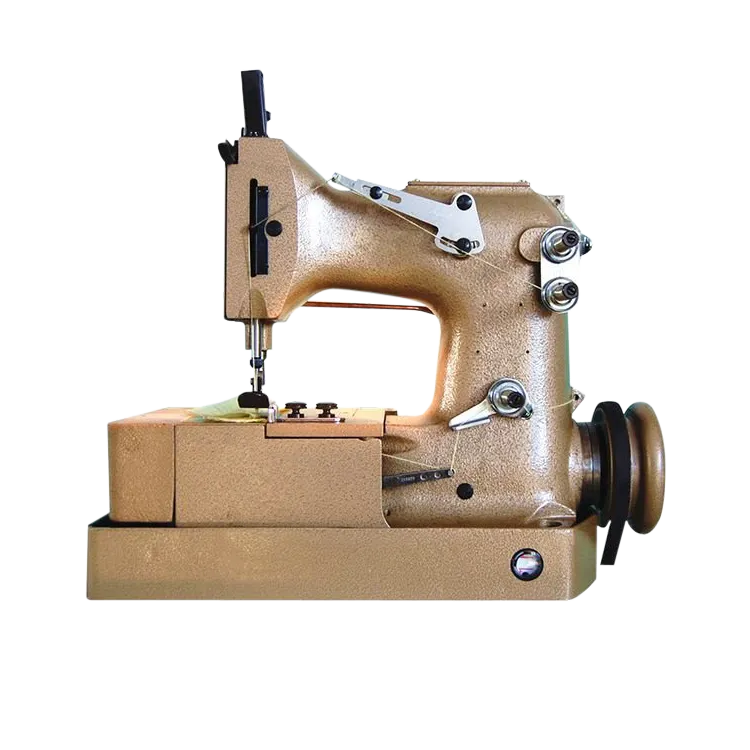
Product Specification Table: DN-2HS / DN-2LHS
| Parameter | DN-2HS | DN-2LHS |
|---|---|---|
| Stitch Type | Single Needle, Two-Thread Chainstitch (Type 401) | |
| Maximum Sewing Speed | Up to 2,000 rpm | Up to 1,800 rpm |
| Stitch Length | 7 - 10 mm (adjustable) | |
| Needle Type | DN x 1 #25, #26, #27 (Specific to heavy-duty fabrics) | |
| Presser Foot Lift | Up to 15 mm | Up to 20 mm (for extremely bulky materials) |
| Lubrication System | Automatic Oil Lubrication | |
| Thread Type | High-strength synthetic threads (e.g., Polyester, PP) | |
| Motor Compatibility | Servo Motor Recommended (for energy efficiency and precise control) | |
| Max. Sewing Thickness | Up to 8 mm | Up to 10 mm |
The DN-2HS and DN-2LHS models feature powerful feeding mechanisms and heavy-duty components to tackle multi-layer PP woven fabrics, enabling consistent and reliable stitching for even the most demanding jumbo bag sewing machinery applications. The slightly lower speed of the DN-2LHS is often compensated by its enhanced presser foot lift and overall robustness, making it suitable for exceptionally thick or challenging materials.
Application Scenarios & Case Studies
The applications for heavy-duty industrial sewing machines are diverse, particularly in sectors requiring robust packaging solutions. The DN-2HS/DN-2LHS chainstitching machine excels in:
- FIBC (Flexible Intermediate Bulk Container) Manufacturing: Essential for stitching various components of jumbo bags, including body seams, top and bottom panels, and lifting loops. The chainstitch provides the necessary strength and give to withstand the immense loads FIBCs carry, often up to 2,000 kg.
- PP Woven Bag Production: For rice bags, cement bags, chemical bags, and other bulk packaging where durability is critical. These machines offer consistent, strong seams that prevent leakage and ensure product integrity during transport and storage.
- Geotextile and Agricultural Fabric Sewing: Creating large tarpaulins, ground covers, and other textile products used in construction, agriculture, and environmental engineering.
- Automotive Upholstery (Heavy-Duty Sections): For thick, multi-layered materials found in certain vehicle components, though less common than lighter-duty applications for single needle lock stitch sewing machine in general automotive.
Case Study: Leading FIBC Manufacturer Enhances Production Efficiency
A prominent manufacturer of FIBCs in Southeast Asia faced challenges with inconsistent seam quality and frequent machine downtime using older equipment. After integrating several DN-2HS jumbo bag sewing machine heads into their production line, they observed a significant improvement. The machines' robust construction and reliable chainstitch mechanism drastically reduced thread breakage and skipped stitches on multi-layer PP woven fabric. "Our production speed increased by 15%, and repair costs decreased by 20% within the first year," reported their Operations Manager. The automatic lubrication system and high presser foot lift proved particularly beneficial for their diverse range of bag designs, ensuring smooth material handling and consistent stitch formation across varying thicknesses.
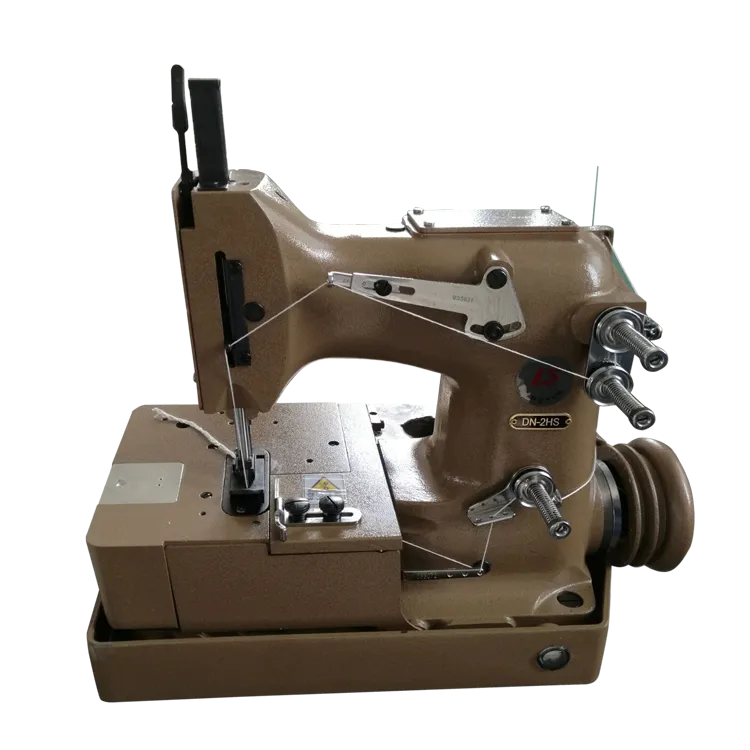
Technical Advantages and Performance Metrics
The advantages of specialized heavy-duty sewing machines for FIBCs and PP woven bags are multifaceted, contributing directly to operational efficiency and product quality:
- Superior Stitch Integrity: The two-thread chainstitch, unlike a single needle lock stitch sewing machine which uses a bobbin, forms a strong, elastic stitch that is less prone to unraveling and provides superior strength for heavily loaded bags. This elasticity is crucial for packaging that expands or contracts.
- Enhanced Durability: Constructed from hardened steel components and high-grade castings, these machines are built to withstand continuous heavy-duty operation in demanding industrial environments.
- Material Versatility: High presser foot lift and strong feeding mechanisms (often with top and bottom feed) allow for sewing extremely thick and multi-layered materials without bunching or slippage.
- Energy Efficiency: Modern industrial sewing machines, particularly when paired with servo motors, offer significant energy savings compared to traditional clutch motors. Data indicates up to 70% reduction in power consumption, translating to substantial operational cost savings and contributing to a greener footprint.
- Reduced Maintenance: Features like automatic lubrication systems minimize wear and tear, extending machine lifespan and reducing the frequency of maintenance, thereby increasing uptime.
- Operator Ergonomics: Lower noise levels (especially with servo motors) and intuitive controls improve the working environment, reducing operator fatigue and increasing productivity.
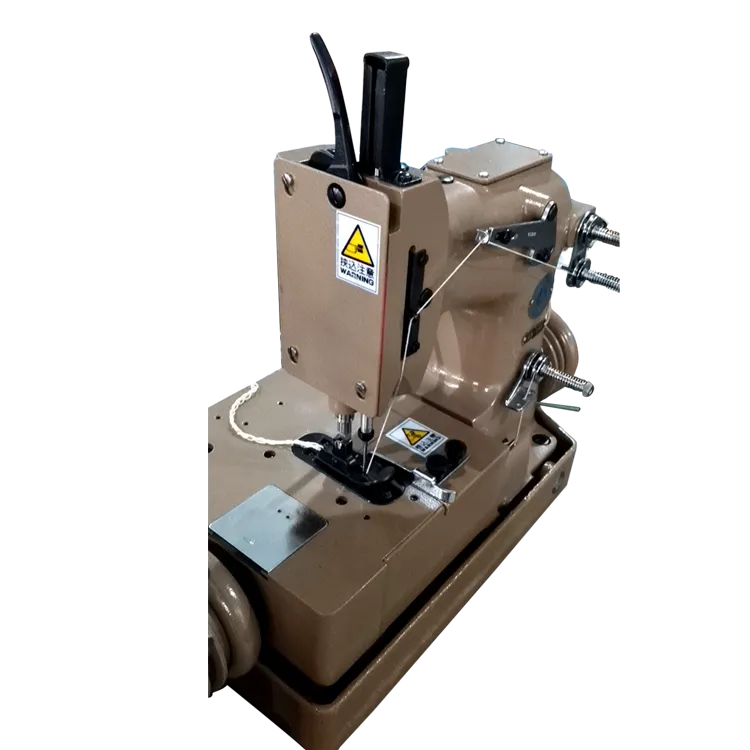
Vendor Comparison and Customized Solutions
Choosing the right vendor for an industrial single needle lock stitch sewing machine or specialized chainstitch equipment is critical. Factors beyond initial cost, such as after-sales support, parts availability, and customization capabilities, play a significant role in long-term operational success.
Key Vendor Comparison Criteria
| Criterion | Description & Importance | High-Value Vendor Profile |
|---|---|---|
| Product Range & Specialization | Does the vendor offer a wide range of machines, specifically for heavy-duty applications like FIBCs, demonstrating deep industry understanding? | Specializes in heavy-duty chainstitch machines (e.g., DN-2HS/DN-2LHS series) and complementary equipment (e.g., bag closing machines). |
| Technical Support & Expertise | Availability of skilled technicians, quick response times, and in-depth knowledge of machine diagnostics and repair. | Dedicated technical team, multi-lingual support, remote troubleshooting capabilities, and on-site service options. |
| Parts Availability & Logistics | Access to genuine spare parts to minimize downtime. Global distribution network is a plus. | Extensive inventory of common and specialized parts, fast shipping, and clear parts numbering. |
| Customization Capabilities | Ability to modify machines or develop bespoke solutions for unique material, stitch, or operational requirements. | In-house R&D team, flexible manufacturing processes, and a history of successful custom projects for industrial clients. |
| Certifications & Quality Assurance | Adherence to international manufacturing and quality standards (e.g., ISO, CE). | ISO 9001 certified, products meet CE, UL, or other regional safety and performance standards. |
Customized Solutions
For industrial clients with unique challenges, customization is often key. This can involve:
- Specialized Feeding Systems: Adapting presser feet, feed dogs, or puller systems to handle exceptionally slippery, abrasive, or bulky materials.
- Integrated Automation: Developing automated material handling, stacking, or trimming solutions that seamlessly integrate with the sewing head.
- Specific Gauge Sets: Modifying needle gauge and looper dimensions for precise stitch spacing and seam appearance on particular products.
- Environmental Adaptations: Machines can be engineered with specific corrosion-resistant coatings or enclosures for operation in harsh industrial environments, such as those with high humidity or chemical exposure.
Leading manufacturers work closely with clients to understand their exact operational parameters and engineer solutions that provide optimal performance, longevity, and return on investment.
Trustworthiness & Customer Assurance
Frequently Asked Questions (FAQ)
Q: What is the typical service life of an industrial sewing machine like the DN-2HS?
A: With proper maintenance and use of genuine parts, a high-quality industrial machine can easily last 10-15 years, often longer, in continuous production environments.
Q: Can the DN-2HS/DN-2LHS sew materials other than PP woven bags?
A: Yes, while optimized for PP woven bags, these machines are capable of sewing other heavy-duty materials such as geotextiles, some canvas, and multi-layered thick fabrics, provided the needle and thread types are appropriately selected.
Q: How does a chainstitch differ from a single needle lock stitch sewing machine for industrial applications?
A: A lockstitch forms a strong, flat seam using two threads that "lock" together. A chainstitch uses one or more threads to form a loop on the underside, creating a more elastic seam. For FIBCs, chainstitch is preferred due to its superior elasticity and ability to withstand stretching without breaking, and because it creates a strong, yet easily unraveled seam for bag opening in some applications. However, lockstitch remains the gold standard for many apparel and non-stretch applications.
Q: What are the benefits of a servo motor over a clutch motor?
A: Servo motors offer significant energy savings (up to 70%), precise speed control, quieter operation, and no heat generation when idle, contributing to a more efficient and comfortable workspace. Clutch motors are constant-running and less efficient.
Lead Time & Fulfillment
Typical lead times for standard industrial sewing machine heads range from 2-4 weeks, depending on current stock levels and order volume. For customized solutions or large batch orders, lead times may extend to 6-10 weeks to accommodate specific design, manufacturing, and rigorous testing protocols. Expedited shipping options are often available upon request to meet urgent production schedules.
Warranty Commitments
Manufacturers typically offer a comprehensive 12-month warranty on industrial sewing machine heads, covering manufacturing defects and component failures under normal operating conditions. Extended warranty options may be available. This commitment underscores the reliability and build quality, providing peace of mind for industrial buyers.
Customer Support Information
Reliable after-sales support is crucial for industrial equipment. Comprehensive customer support usually includes:
- Technical Hotlines: Accessible during business hours for immediate troubleshooting.
- Online Resources: Manuals, video tutorials, and parts catalogs available on the company website.
- Global Dealer Network: Localized support and service centers for on-site assistance and faster parts delivery.
- Training Programs: For operator and maintenance staff, ensuring optimal machine performance and longevity.
This multi-channel support ensures that any operational issues are resolved quickly, minimizing downtime and maximizing productivity for your jumbo bag sewing machinery.
Conclusion
The selection of an industrial sewing machine, whether a versatile single needle lock stitch sewing machine or a specialized chainstitching machine for heavy-duty applications, represents a critical investment. Modern industrial sewing solutions are engineered for unparalleled precision, durability, and efficiency, meeting the rigorous demands of sectors ranging from bulk material handling to advanced textile manufacturing. By understanding the intricate manufacturing processes, technical specifications, and commitment to support, businesses can make informed decisions that drive productivity, ensure product quality, and contribute to long-term operational success.
References
- International Organization for Standardization (ISO). ISO 9001:2015 - Quality management systems.
- European Committee for Standardization (CEN). CE Marking Directives for Machinery.
- Textile World. "Advances in Industrial Sewing Technology." Volume 170, Issue 4.
- Sourcing Journal. "Automation and Robotics in Textile Manufacturing."
- Journal of Industrial Textiles. "Material Science and Engineering of Technical Textiles." Volume 49, Issue 3.
Latest news
-
Industrial Bag Sewing Machine Price and Comprehensive Buying GuideNewsApr.16,2026
-
Industrial Hand Held Bag Closer for Efficient Packaging SealingNewsApr.16,2026
-
Industrial Hand Held Bag Closer Sewing Machine for PackagingNewsApr.16,2026
-
Efficient Industrial Bag Closer Sewing Machine for PackagingNewsApr.16,2026
-
Industrial Sewing Guide for Choosing the Right Closer MachineNewsApr.16,2026
-
Guide to Capital Bag Closer Machine Price and Buying FactorsNewsApr.16,2026
-
Say goodbye to inefficient cutting! This heavy-duty webbing hot cutting machine redefines the new standard for industrial cuttingNewsApr.14,2026

Hebei LongSew Machinery Technology Co. Ltd is beginning as sewing machine parts supplier, now Longsew have over twenty years experience in complete set sewing machine offering.


CLASSIFICATION
CONTACT US
-

No.368 North Youyi Street, Shijiazhuang City, Hebei Province, China
-

-

Copyright © 2026 HEBEI LONGSEW MACHINERY TECHNOLOGY CO. LTD All Rights Reserved. Sitemap | Privacy Policy | Top Blog | Global Service