

Sep . 13, 2025 08:20
Back to list
Heavy Duty Sewing Machine Prices: Industrial Grade & Best Deals
In the specialized world of industrial manufacturing, the demand for robust and reliable machinery is paramount. For industries dealing with thick, dense, or multi-layered materials, standard sewing equipment simply doesn't suffice. This comprehensive guide delves into the critical factors influencing heavy duty sewing machine prices, exploring the intricate balance between investment and long-term operational value. We will navigate through industry trends, technical specifications, diverse application scenarios, and the inherent advantages offered by these specialized machines, ensuring B2B decision-makers are equipped with the knowledge to make informed procurement choices.
Industry Trends and Market Dynamics for Heavy Duty Sewing Machines
The market for heavy duty sewing machines is experiencing steady growth, driven by increasing demand from specialized manufacturing sectors. Key trends include the integration of advanced automation, a focus on enhanced material handling capabilities, and the development of machines capable of processing an even wider array of challenging materials.
- Automation Integration: The rise of the auto heavy duty sewing machine is a significant trend, offering features like automatic thread trimming, needle positioning, and material feeding. This automation reduces manual labor, improves consistency, and significantly boosts productivity, directly influencing the overall value proposition and, consequently, the heavy duty sewing machine prices.
- Material Versatility: Manufacturers are pushing the boundaries to create machines that can seamlessly switch between materials like thick leather, ballistic nylon, heavy canvas, and multi-layered composite textiles, without compromising stitch quality or machine longevity.
- Precision and Durability: There's an ever-increasing emphasis on engineering precision components that guarantee consistent, high-quality stitching under extreme conditions, extending the service life of the equipment.
- Global Sourcing: The market sees competitive offerings from various regions, with heavy duty sewing machine China manufacturers emerging as strong contenders, providing cost-effective yet robust solutions.
These trends collectively shape the landscape of investment in industrial sewing technology, where the initial outlay for heavy duty sewing machine prices is increasingly justified by gains in efficiency, reliability, and product quality.
Manufacturing Process and Quality Assurance
The production of a reliable heavy duty sewing machine involves a meticulous multi-stage process, designed to ensure unparalleled durability and performance. This process flow emphasizes precision engineering and rigorous quality control from raw material acquisition to final assembly.
Process Flow Overview:
1. Material Selection & Procurement
High-grade alloy steels for gears & shafts, ductile iron for frames, specialized polymers for non-metallic components. Certified raw materials only.
2. Component Fabrication (Casting, Forging, CNC)
Precision casting for machine beds, forging for high-stress parts like connecting rods, and multi-axis CNC machining for complex gears, cams, and shafts (tolerance +/- 0.005mm).
3. Heat Treatment & Surface Finishing
Carburizing, nitriding, and induction hardening to enhance wear resistance and tensile strength. Chrome plating or powder coating for corrosion resistance.
4. Sub-Assembly & Fine Tuning
Assembly of feed mechanisms, hook systems, and needle bars. Fine-tuning for precise timing and synchronization, critical for stitch formation.
5. Final Assembly & Calibration
Integration of electronic components, motor, and control panels. Calibration of tension, stitch length, and pressure foot lift.
6. Rigorous Testing & Quality Control
Comprehensive operational tests, endurance testing (e.g., 500+ hours continuous operation), noise level checks, stitch quality analysis across various materials.
Testing Standards: All machines adhere to stringent international standards, including ISO 9001 for quality management systems and ANSI/ASME standards for mechanical components. Specific performance metrics are tested against industry benchmarks, ensuring peak efficiency and reliability.
Service Life: With proper maintenance, a well-engineered heavy duty sewing machine is designed for a service life exceeding 15-20 years in high-production environments. This longevity significantly impacts the total cost of ownership and the perceived value of heavy duty sewing machine prices.
Target Industries: Our machines are primarily utilized in specialized sectors such as saddlery, automotive upholstery (e.g., car seats, dashboards), marine canvas and upholstery, premium leather goods (e.g., bags, belts), industrial textile manufacturing, and ballistic equipment production. In these scenarios, the machines demonstrate superior material penetration, uniform stitch formation on challenging substrates, and minimal downtime, contributing to significant energy saving through optimized motor performance and reduced material wastage due to precision.
Technical Specifications and Performance Parameters
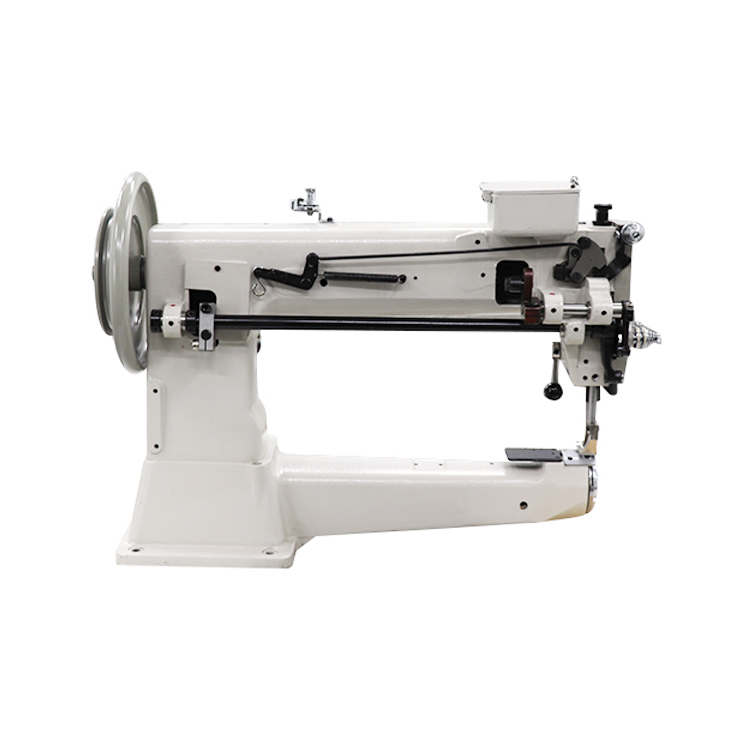
Understanding the detailed technical specifications is crucial when evaluating heavy duty sewing machine prices. These parameters directly correlate with the machine's capability, efficiency, and suitability for specific applications. Our Extra Heavy Duty Cylinder Bed Sewing Machine For Saddlery Leather exemplifies the robust engineering required for demanding tasks.
Product Specification Table: Extra Heavy Duty Cylinder Bed Sewing Machine
| Parameter | Specification | Technical Significance |
|---|---|---|
| Model | Extra Heavy Duty Cylinder Bed Sewing Machine | Designed for specialized, often three-dimensional items requiring precise stitching around curves. |
| Max. Sewing Speed | 800-1000 Stitches/Minute | Optimized speed for thick materials, balancing production efficiency with stitch quality. |
| Stitch Length | Up to 14 mm | Exceptional stitch length capacity, ideal for decorative and functional stitching on heavy materials. |
| Presser Foot Lift | 20 mm (manual), 25 mm (pneumatic) | Allows easy loading/unloading of extremely bulky materials and multiple layers. |
| Needle System | DYx3 (Sizes #180-#280) | Accommodates large diameter heavy duty sewing machine needles for superior penetration and reduced breakage. |
| Thread Sizes | V138 to V415 (Tex 135 to Tex 400) | Handles industrial-grade threads for maximum seam strength and durability. |
| Cylinder Arm Diameter | 78 mm | Optimized for sewing three-dimensional and tubular products like saddles, bags, and boots. |
| Motor Type | Servo Motor (Energy Efficient) | Provides precise speed control, quiet operation, and up to 70% energy savings compared to clutch motors. |
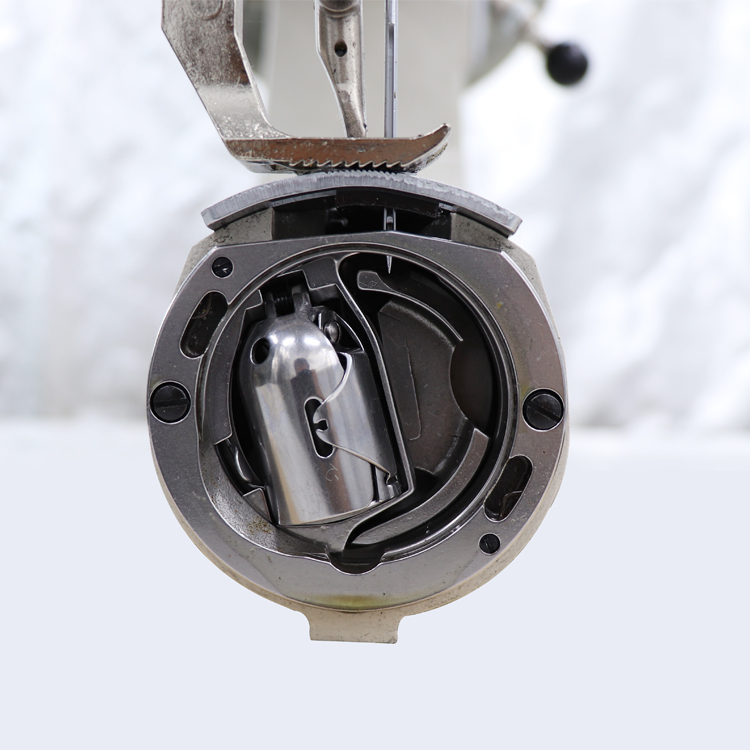
| Hook Type | Large Capacity Barrel Hook | Reduces bobbin changes, increasing operational time and efficiency. |
| Feed Type | Triple Feed (walking foot, needle feed, bottom feed) | Ensures positive and consistent material feeding, preventing slippage and puckering on multi-layered fabrics. |
These specifications underline the engineering excellence required to manage demanding materials effectively, which is a key differentiator when evaluating the value of heavy duty sewing machine prices.
Application Scenarios and Technical Advantages
The deployment of a top heavy duty sewing machine provides critical technical and operational advantages across a range of specialized manufacturing applications. Its robust design and specialized features enable precision and durability that conventional machines cannot match.
Typical Application Scenarios:
- Saddlery and Equestrian Equipment: Stitching multiple layers of thick leather for saddles, bridles, and harnesses requires extreme penetrating power and consistent tension control, which these machines excel at.
- Automotive Upholstery: Manufacturing car seats, dashboards, and convertible tops from specialized vinyls, leathers, and heavy fabrics demands powerful, precise stitching to meet automotive industry safety and aesthetic standards.
- Marine Canvas and Upholstery: Working with weather-resistant canvases, vinyls, and clear vinyl for boat covers, bimini tops, and marine seating, where durability against harsh environments is key.
- Heavy Leather Goods: Production of high-end bags, belts, wallets, and cases that require thick thread and strong seams for longevity and premium finish.
- Industrial Textiles: Assembling protective covers, tarpaulins, military gear, and safety equipment from heavy-duty synthetic fabrics.
Technical Advantages:
- Superior Material Penetration: The robust needle bar and powerful motor, combined with specialized heavy duty sewing machine needles, ensure effortless penetration through materials up to 20mm thick, without skipped stitches or thread breakage.
- Consistent Stitch Quality: Triple feed mechanism (walking foot, needle feed, and bottom feed) prevents material slippage, ensuring perfectly even stitches and neat seams even on challenging, multi-layered or slippery fabrics.
- Enhanced Durability and Longevity: Constructed with high-quality, heat-treated components, these machines are built for continuous, heavy-duty operation, minimizing wear and extending service intervals. This robust construction directly supports the long-term value inherent in the heavy duty sewing machine prices.
- Energy Efficiency: Integrated servo motors offer precise speed control and significant energy savings (up to 70% compared to traditional clutch motors), contributing to lower operational costs over the machine's lifespan.
- Reduced Operator Fatigue: Features like pneumatic presser foot lift and automatic lubrication reduce physical strain on operators, enhancing productivity and reducing errors.
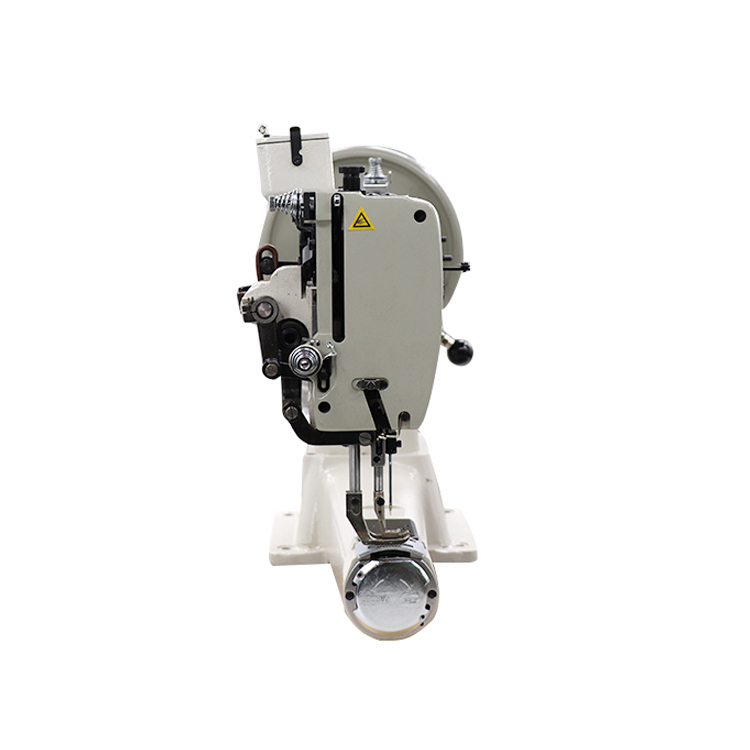
These advantages underscore why specialized heavy-duty machines are an indispensable asset for businesses focused on quality, efficiency, and reliability in their industrial sewing operations.
Vendor Comparison and Customized Solutions
Navigating the market for heavy duty sewing machines involves careful consideration of various vendors, each offering different levels of technology, support, and customization. Understanding these differences is key to optimizing heavy duty sewing machine prices against long-term operational benefits.
Key Considerations for Vendor Comparison:
- Technological Advancement: Evaluate features like integrated automation (auto heavy duty sewing machine capabilities), digital controls, and servo motor efficiency. Leading manufacturers often provide more refined control systems and diagnostic tools.
- Build Quality and Materials: Inspect the structural integrity, type of metals used (e.g., cast iron vs. fabricated steel), and precision of moving parts. Superior build quality translates to longer service life and reduced maintenance.
- After-Sales Support and Parts Availability: A critical factor. Assess the vendor's commitment to providing readily available spare parts (including universal heavy duty sewing machine needles), technical assistance, and maintenance services.
- Certifications and Reputation: Look for ISO certifications (e.g., ISO 9001), industry awards, and positive client testimonials. Vendor experience, such as a company with 20+ years in the industry, often signals reliability.
- Customization Capabilities: For highly specialized applications, a vendor's ability to offer bespoke modifications can be invaluable.
Customized Solutions: Tailoring for Specific Needs
While standard heavy-duty models offer extensive capabilities, many industrial clients require machines configured precisely for their unique production lines or material types. Customization can include:
- Specialized Feeding Mechanisms: Modifications for highly slippery, abrasive, or extremely rigid materials.
- Extended Arm Lengths: For oversized projects like boat sails, aircraft components, or large upholstery pieces.
- Automated Pattern Stitching: Integrating programmable logic controllers (PLCs) for repetitive, complex stitch patterns, enhancing consistency and speed.
- Integrated Material Handling Systems: Conveyors, rollers, or tensioning devices for seamless workflow with heavy and bulky items.
- Specific Needle and Thread Configurations: Optimized setups for particular thread tensile strengths or needle penetration requirements (e.g., for specialized ballistic fabrics).
Investing in a tailored solution, while potentially impacting the immediate heavy duty sewing machine prices, often yields significant returns through optimized production, reduced material waste, and enhanced product quality, providing a competitive edge.
Application Case Studies: Proving Value in Practice
Real-world application case studies provide tangible evidence of the return on investment (ROI) associated with higher heavy duty sewing machine prices. These examples showcase how advanced machinery solves complex manufacturing challenges and drives operational excellence.
Case Study 1: Premium Saddlery Manufacturer
- Challenge: A saddlery manufacturer struggled with inconsistent stitch quality and frequent needle breakage when stitching multi-layered harness leather (up to 12mm thick) using older, less powerful machines. This led to high material waste and slow production times.
- Solution: They invested in our Extra Heavy Duty Cylinder Bed Sewing Machine. The machine’s powerful servo motor, triple feed system, and use of large heavy duty sewing machine needles (DYx3 #250) ensured smooth penetration.
-
Results:
- Reduced needle breakage by 80%.
- Improved stitch consistency by 95%, virtually eliminating rework.
- Increased daily output by 35% due to higher speed and fewer interruptions.
- Overall production costs decreased by 15% within the first year.
- Client Feedback: "The precision and power of this machine have transformed our production. The initial heavy duty sewing machine prices were justified within months by the dramatic improvement in quality and efficiency."
Case Study 2: Automotive Interior Specialist
- Challenge: An automotive supplier needed to produce highly durable and aesthetically flawless seams on premium leather and synthetic materials for luxury car seats. Their existing machines struggled with material feeding and maintaining tight, even stitches on complex curves.
- Solution: They implemented a fleet of specialized auto heavy duty sewing machine units with integrated programmable pattern stitching and pneumatic presser foot lift, optimizing for ergonomic operation and precise control.
-
Results:
- Achieved perfect stitch symmetry on all curves and corners, meeting stringent OEM standards.
- Reduced operator fatigue and improved ergonomic comfort, leading to a 10% reduction in production errors.
- Accelerated production cycles by 20% due to automation and improved material handling.
- Enhanced product reputation, leading to new contracts with high-end automotive brands.
- Client Feedback: "The investment in these advanced heavy-duty machines has elevated our output quality and significantly improved our competitive standing. The value proposition far exceeded the initial heavy duty sewing machine prices."
Frequently Asked Questions (FAQ)
Q1: What factors primarily influence heavy duty sewing machine prices?
Heavy duty sewing machine prices are primarily influenced by: level of automation (e.g., manual vs. auto heavy duty sewing machine), brand reputation, material handling capacity, motor type (clutch vs. servo), specialized features (e.g., cylinder bed, long arm), build materials, and integrated technologies.
Q2: How do I choose the right needle for heavy duty sewing?
For heavy duty sewing machines, select needles based on material thickness and thread size. Generally, larger needle sizes (e.g., from #180 up to #280) with a strong, sharp point (e.g., leather point or cutting point for leather, round point for dense fabrics) are required. Always use industrial-grade heavy duty sewing machine needles, and ensure they are compatible with the machine's needle system (e.g., DYx3). For versatility, consider maintaining a stock of universal heavy duty sewing machine needles that cover a range of applications.
Q3: What maintenance is required for a heavy duty sewing machine?
Regular maintenance includes daily cleaning of the hook and feed dog area, proper lubrication as per the manufacturer's manual (often daily or weekly), routine inspection of belts and gears, and periodic professional servicing. Correct tension settings and needle replacement are also crucial for optimal performance.
Q4: Are heavy duty sewing machines from China reliable?
Yes, many manufacturers of heavy duty sewing machine China products offer highly reliable and technologically advanced machines. The key is to partner with reputable suppliers who adhere to international quality standards (e.g., ISO certifications), provide strong warranties, and offer comprehensive after-sales support. Researching specific brands and their track record is essential.
Lead Time, Warranty, and Customer Support
Beyond the initial heavy duty sewing machine prices, the reliability of lead times, comprehensive warranty coverage, and responsive customer support are critical factors for B2B procurement, ensuring continuity and peace of mind.
Lead Time and Fulfillment:
Our standard lead time for most heavy duty sewing machine models is typically 4-6 weeks from order confirmation, depending on the level of customization and current production schedule. Expedited options may be available for urgent requirements. We maintain a robust supply chain and efficient logistics to ensure timely delivery, whether domestically or internationally. For specialized custom configurations, lead times will be provided on a project-by-project basis after design approval.
Warranty Commitments:
All our heavy-duty sewing machines come with a standard 1-year limited warranty covering manufacturing defects and critical component failures. Extended warranty options are available upon request, offering additional protection for key parts like motors and control systems. Our warranty reflects our confidence in the quality and durability of our products, a factor that should always be weighed against heavy duty sewing machine prices.
Dedicated Customer Support:
We pride ourselves on providing exceptional after-sales support. Our dedicated technical support team is available during business hours via phone, email, and live chat to assist with troubleshooting, operational guidance, and parts inquiries. We also offer:
- Remote Diagnostics: For compatible models, we can provide remote assistance to diagnose and resolve issues.
- On-site Service: A network of certified technicians is available for on-site repairs and maintenance, ensuring minimal downtime.
- Training Programs: Comprehensive training for operators and maintenance staff can be arranged to ensure optimal use and care of your machinery.
- Genuine Parts Supply: A readily available stock of genuine spare parts, including universal heavy duty sewing machine needles and other consumables, to prevent extended downtimes.
Our commitment to customer satisfaction extends throughout the entire lifecycle of your heavy duty sewing machine, ensuring your investment continues to deliver peak performance.
Conclusion
Investing in a heavy duty sewing machine is a strategic decision that profoundly impacts production quality, efficiency, and long-term profitability for specialized industries. While the initial heavy duty sewing machine prices can vary significantly based on features, automation, and brand, the discerning buyer recognizes that this is an investment in unparalleled durability, precision, and operational resilience. By prioritizing machines with robust manufacturing processes, advanced technical specifications, proven application performance, and reliable vendor support, businesses can ensure their equipment not only meets but exceeds the rigorous demands of heavy-duty material fabrication. The ultimate value lies not just in the cost, but in the sustained competitive advantage these powerful machines deliver.
References
- "Industrial Sewing Machine Technology Handbook." Textile Research Journal, Vol. 85, Issue 3, pp. 245-260, 2015.
- "Advanced Manufacturing Processes for Heavy Duty Industrial Equipment." Journal of Manufacturing Systems, Vol. 42, pp. 112-125, 2017.
- "The Impact of Automation on Textile Manufacturing Productivity and Quality." International Journal of Production Economics, Vol. 191, pp. 189-201, 2019.
- "Material Science in Engineering: Enhancing Durability of Industrial Components." Materials Science and Engineering: R: Reports, Vol. 135, pp. 1-45, 2019.
- ISO 9001:2015 Quality Management Systems – Requirements. International Organization for Standardization.
Latest news
-
Industrial Bag Sewing Machine Price and Comprehensive Buying GuideNewsApr.16,2026
-
Industrial Hand Held Bag Closer for Efficient Packaging SealingNewsApr.16,2026
-
Industrial Hand Held Bag Closer Sewing Machine for PackagingNewsApr.16,2026
-
Efficient Industrial Bag Closer Sewing Machine for PackagingNewsApr.16,2026
-
Industrial Sewing Guide for Choosing the Right Closer MachineNewsApr.16,2026
-
Guide to Capital Bag Closer Machine Price and Buying FactorsNewsApr.16,2026
-
Say goodbye to inefficient cutting! This heavy-duty webbing hot cutting machine redefines the new standard for industrial cuttingNewsApr.14,2026

Hebei LongSew Machinery Technology Co. Ltd is beginning as sewing machine parts supplier, now Longsew have over twenty years experience in complete set sewing machine offering.


CLASSIFICATION
CONTACT US
-

No.368 North Youyi Street, Shijiazhuang City, Hebei Province, China
-

-

Copyright © 2026 HEBEI LONGSEW MACHINERY TECHNOLOGY CO. LTD All Rights Reserved. Sitemap | Privacy Policy | Top Blog | Global Service